+91 9910402252
admin@chalbanjare.com


| Entry Fee | Free |
| Timings | 08:00 - 18:00 |
| Altitude (m) | 2415 |
| Ideal Visit Duration (hrs) | 1 |
| Best Time of Day | Morning |
| Crowd Level | Moderate |
| Distance from City Centre (km) | 0 |
| Walking Difficulty | Easy |
| Parking Available | No |
| Last Mile Access | Road |
| Suitable for Kids | Yes |
| Suitable for Seniors | Yes |
| Wheelchair Friendly | No |
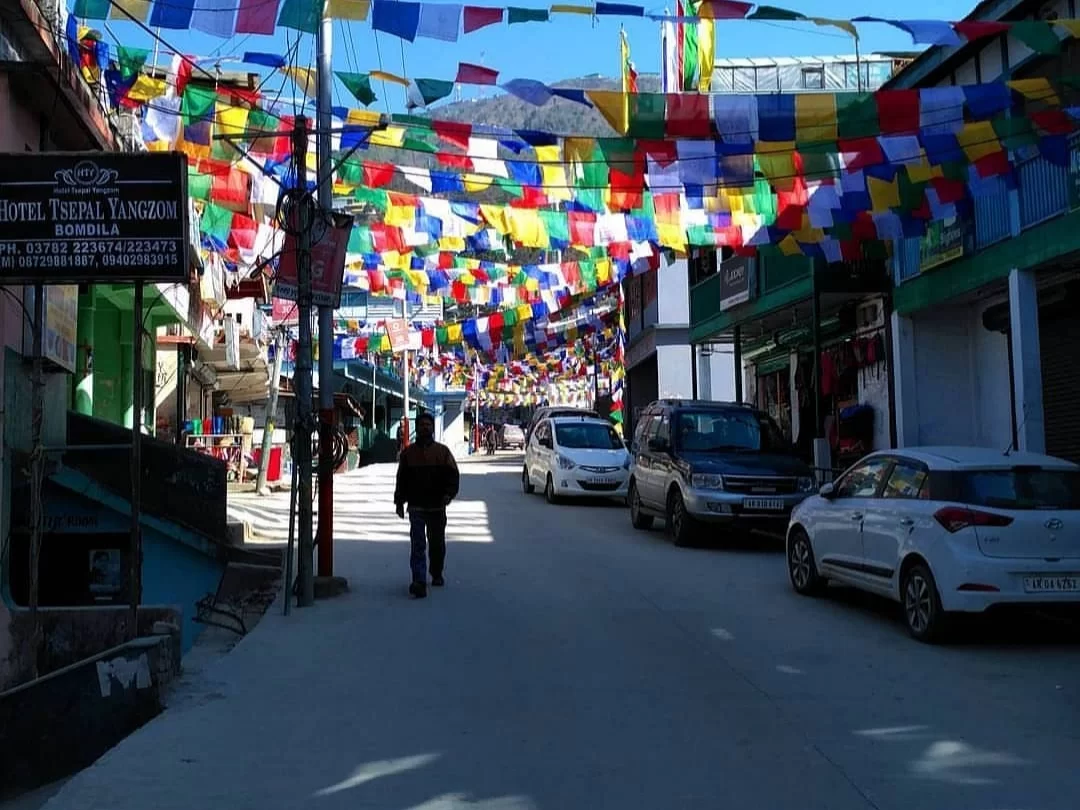
Bomdila Market is worth visiting if you want to see how everyday life functions in a small hill town of Arunachal Pradesh. This is not a shopping destination built for tourists. It is a working market where locals buy vegetables, meat, clothing, and household items. For travelers, it offers a practical view of the region beyond monasteries and viewpoints.
The atmosphere is active but not chaotic. Mornings are the busiest, with shopkeepers unloading produce and residents doing their daily shopping. Conversations are mostly in local languages, and bargaining is minimal compared to larger markets. The pace slows noticeably after midday, and many stalls close early, especially in colder months.
What makes the market special is its authenticity. You will find seasonal produce brought in from nearby villages, basic woolen items suited for the climate, and small food stalls serving simple snacks. There are no curated souvenir sections or polished storefronts. The experience lies in observing routines, understanding local supply patterns, and interacting briefly with residents going about their day.
Bomdila Market emerged alongside the town itself as Bomdila developed into the district headquarters of West Kameng. Its growth was driven by administrative activity, road connectivity with Assam, and the need for a central trading point for nearby villages scattered across higher elevations.
Because of the region’s terrain and climate, the market has always depended heavily on supplies transported from outside Arunachal Pradesh, mainly from Assam. This dependence shapes what is available on different days, with noticeable fluctuations during monsoon months when road conditions affect transport. Locally sourced items tend to be limited to seasonal produce and small-scale handmade goods.
The market does not function as a cultural or religious landmark, but it holds everyday importance for residents. It serves as a practical hub where shopping, informal communication, and daily coordination happen. For visitors, this background explains why the market feels utilitarian and grounded, focused on necessity rather than display.
The best time to visit Bomdila Market is during the morning hours, when most shops are open and fresh produce has just arrived. Activity starts early, and by late morning the market is at its most functional, reflecting the daily rhythm of the town. This is when you will see the widest variety of goods and the highest local footfall.
Season-wise, October to April is the most comfortable period for visiting. During these months, weather conditions are relatively stable, and movement within the market is easier. Winter mornings can be cold, but stalls remain active. From June to September, frequent rain can make market lanes muddy and reduce the number of open stalls due to transport delays.
 Tourist Attraction
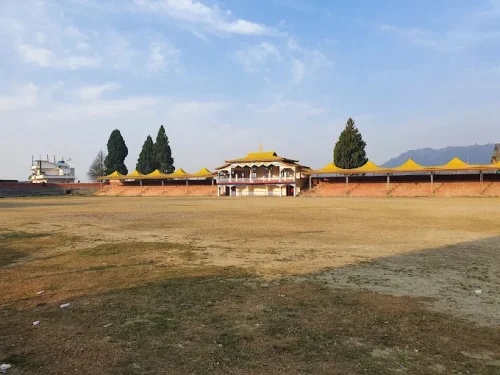
Buddha Stadium is a public sports stadium located in Bomdila, West Kameng district, Arunachal Pradesh, India.
 Valley
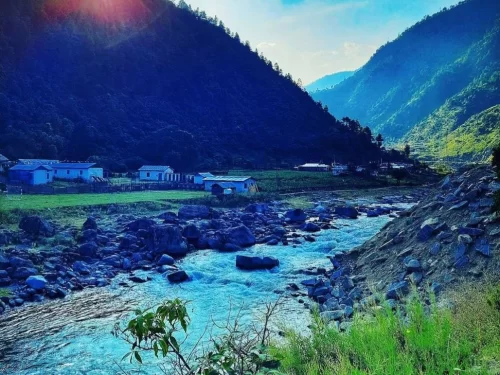
Tenga Valley is a high-altitude mountain valley situated at an elevation of approximately 1,500 meters along the banks of the Tenga River.
 War Memorial
Bomdila War Memorial is a quiet hilltop memorial honoring Indian soldiers who lost their lives in the 1962 Sino-Indian War.
Get customized Arunachal Pradesh tour planning designed around mountain road distances, permit requirements, seasonal weather windows, and realistic travel pacing. Whether you are visiting for monasteries, high-altitude passes, river valleys, tribal cultu
⚡ Quick Response | 💰 Free consultation | 🕒 24×7 expert support

