+91 9910402252
admin@chalbanjare.com


| Entry Fee | Free |
| Timings | 09:00 - 17:00 |
| Altitude (m) | 2430 |
| Ideal Visit Duration (hrs) | 1 |
| Best Time of Day | Morning |
| Crowd Level | Low |
| Distance from City Centre (km) | 2 |
| Walking Difficulty | Easy |
| Parking Available | No |
| Last Mile Access | Road |
| Suitable for Kids | Yes |
| Suitable for Seniors | Yes |
| Wheelchair Friendly | No |
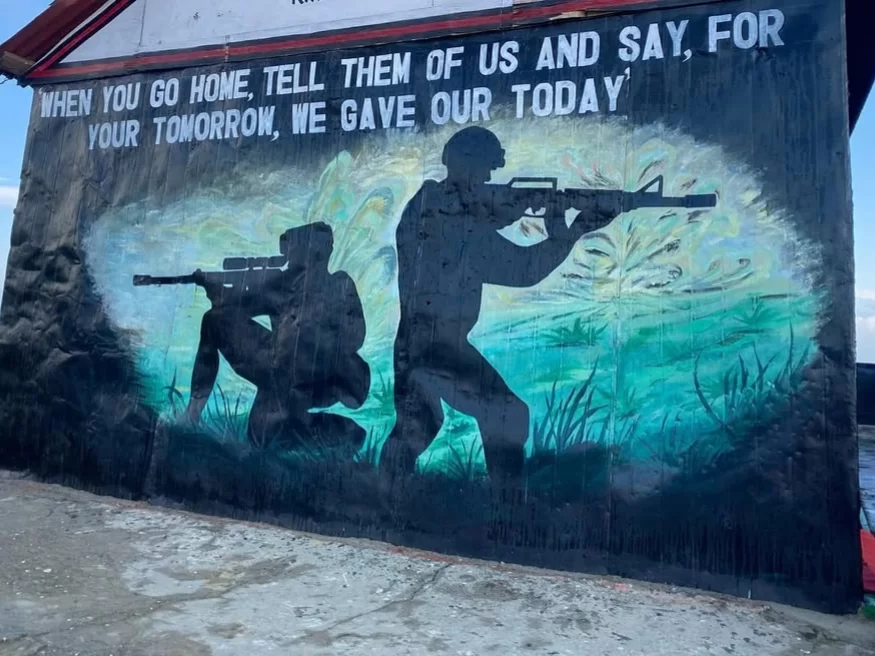
The Bomdila War Memorial is worth visiting if you want to understand the human cost of the 1962 Sino-Indian War rather than just read about it. This is not a tourist-heavy attraction or a place designed for long stays. It is a short, meaningful stop that adds historical context to any trip through West Kameng district. The memorial helps ground the landscape in real events, reminding visitors why this region still holds strategic and emotional importance for India.
The atmosphere here is quiet and disciplined. You will notice the orderliness typical of army-maintained sites, with clean pathways and well-kept plaques. There is usually very little noise apart from wind and distant traffic from Bomdila town below. On clear days, the surrounding mountains are visible, which adds to the reflective mood rather than distracting from it. Crowds are rare, making it suitable for visitors who prefer calm, uncrowded places.
What makes the memorial special is its authenticity. The names engraved on the plaques represent real soldiers who fought in extreme terrain and weather, many at high altitudes similar to what you experience here. There are no interactive displays or guided tours, but that simplicity works in its favor. The focus stays on remembrance, not presentation. If you have interest in military history, border regions, or want a deeper understanding of Arunachal Pradesh beyond scenery, this memorial provides that perspective in a very direct way.
The Bomdila War Memorial was established to commemorate Indian Army soldiers who lost their lives during the 1962 Sino-Indian War, particularly in the eastern sector that includes present-day Arunachal Pradesh. This region witnessed intense fighting in extremely difficult terrain, with troops operating at high altitudes, limited infrastructure, and harsh weather conditions. Bomdila itself was a strategic location during the conflict, making it a natural place for remembrance.
The memorial is maintained by the Indian Army and reflects the military presence that continues in the region today. The names engraved on the stone plaques belong to soldiers who served in forward areas where evacuation, communication, and supply lines were severely constrained. Visiting the memorial gives context to how challenging border defense was in the early 1960s and why the area still holds long-term strategic importance.
Unlike large national war memorials, Bomdila War Memorial remains modest in scale. Its purpose is not ceremonial grandeur but local remembrance and respect. Over the years, it has also become a point of quiet reflection for serving personnel posted in the region, linking current deployments with the sacrifices made by earlier generations in the same landscape.
The best time to visit Bomdila War Memorial is from October to April, when weather conditions are generally stable and visibility is clearer. During these months, the skies are often open in the mornings, allowing unobstructed views of the surrounding hills. Temperatures remain cool throughout the day, which suits short outdoor visits like this one.
Winter months from December to February can be very cold, especially in the early morning and late afternoon. While the memorial remains accessible, visitors should be prepared for strong winds and near-freezing temperatures. Snowfall is rare in Bomdila itself but can occur in nearby higher areas, sometimes affecting road conditions.
The monsoon season from June to September is the least suitable time to visit. Heavy rainfall can reduce visibility, make roads slippery, and occasionally cause landslides on approach routes. Although the memorial does not close during monsoon, travel delays are common, and the experience is less comfortable.
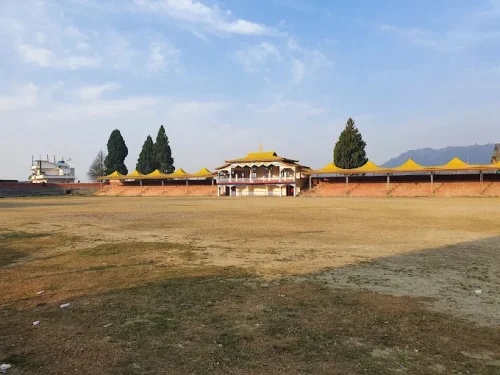 Tourist Attraction
Buddha Stadium is a public sports stadium located in Bomdila, West Kameng district, Arunachal Pradesh, India.
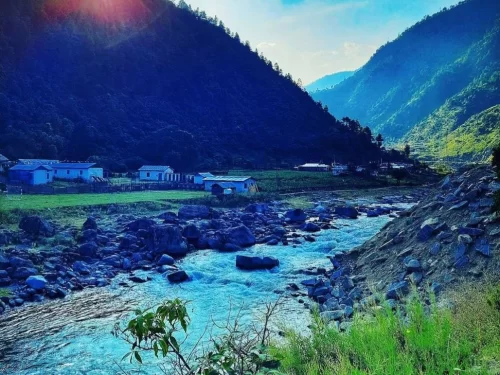 Valley
Tenga Valley is a high-altitude mountain valley situated at an elevation of approximately 1,500 meters along the banks of the Tenga River.
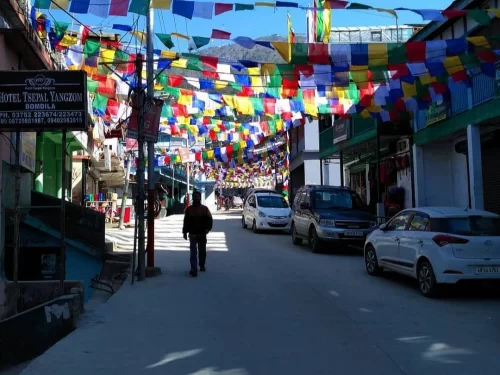 Market / Bazaar
Bomdila Market is the main local market of Bomdila where daily life, regional produce, and small-town trade come together.
Get customized Arunachal Pradesh tour planning designed around mountain road distances, permit requirements, seasonal weather windows, and realistic travel pacing. Whether you are visiting for monasteries, high-altitude passes, river valleys, tribal cultu
⚡ Quick Response | 💰 Free consultation | 🕒 24×7 expert support

