Quick Facts About Bomdila Buddhist Monastery
| Entry Fee | Free |
| Timings | 07:00 - 17:00 |
| Altitude (m) | 2415 |
| Ideal Visit Duration (hrs) | 2 |
| Best Time of Day | Morning / Evening |
| Crowd Level | Moderate |
| Distance from City Centre (km) | 1 |
| Walking Difficulty | Moderate |
| Parking Available | Yes |
| Last Mile Access | Walk |
| Suitable for Kids | Yes |
| Suitable for Seniors | Yes |
| Wheelchair Friendly | No |
Why Visit
Bomdila Buddhist Monastery is a key destination for travelers seeking spiritual enrichment and cultural immersion. Its serene environment, vibrant murals, and traditional Buddhist practices make it a peaceful retreat from the bustle of town life.
Atmosphere
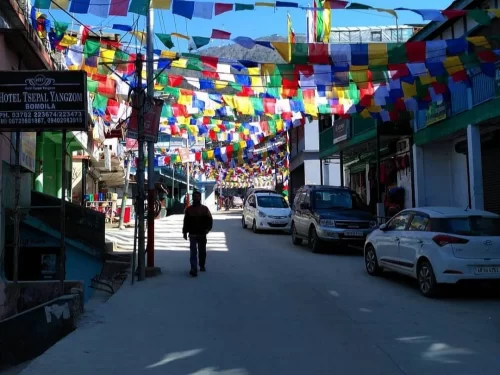
The monastery exudes a tranquil and meditative atmosphere. The soft chants of monks, colorful prayer flags fluttering in the breeze, and the scenic backdrop of the Himalayan foothills create a calming environment for reflection and photography.
What Makes It Special
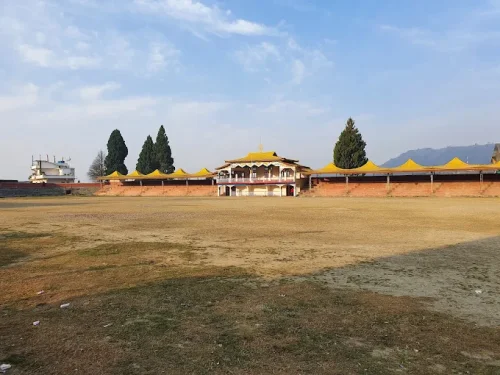
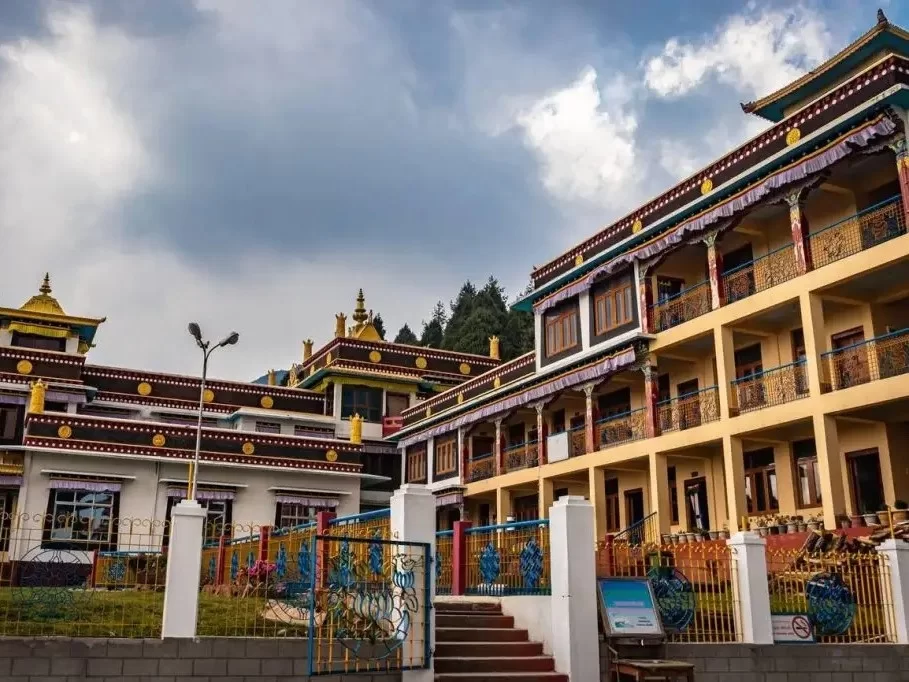
Bomdila Monastery stands out for its rich display of Buddhist art, intricate woodwork, and panoramic views of the surrounding valley. Visitors can observe monks performing daily rituals, experience the spiritual ambiance, and capture vivid images of the monastery’s architecture and colorful interiors. Its location atop a hill provides a unique vantage point overlooking Bomdila town, making it both a spiritual and scenic attraction.
History
Bomdila Buddhist Monastery, also known as the Gompa, was established in the early 1960s and has since become a prominent center for Buddhist practice in Western Arunachal Pradesh. It serves as a spiritual hub for the local Monpa community and visiting devotees.
The monastery holds cultural and religious significance as a site for meditation, prayer, and festivals. It preserves traditional Buddhist rituals, art, and architecture, showcasing vibrant murals, statues of Buddha, and intricately carved wooden structures. The monastery is also an important venue for community gatherings, ceremonies, and teaching of Buddhist philosophy.
Best Time to Visit
The best time to visit Bomdila Buddhist Monastery is between March and October when the weather is pleasant, skies are clear, and the surrounding Himalayan foothills are vibrant and green. These months provide ideal conditions for sightseeing, photography, and exploring the monastery peacefully.
- March to May: Mild temperatures and clear skies make it perfect for sightseeing and capturing the colorful murals and scenic views.
- June to September: Monsoon season brings lush greenery, enhancing the scenic beauty of the monastery, though pathways may be slightly slippery.
- October: Cool, dry weather offers comfortable conditions for visiting and photography, with clear visibility of the surrounding valley.
- Early morning or late afternoon visits provide soft natural lighting for photography and a serene experience with minimal crowds.
How to Reach
- By Air: The nearest airport is Tezpur Airport in Assam, approximately 160 km from Bomdila. From Tezpur, travelers can hire taxis or shared vehicles to reach Bomdila via NH 13.
- By Train: The nearest railway station is Naharlagun near Itanagar, around 220 km from Bomdila. From Naharlagun, private taxis or buses connect to Bomdila through scenic hilly roads.
- By Road: Bomdila is well-connected via NH 13 and state highways. Regular buses, shared taxis, and private vehicles travel from Itanagar, Tezpur, and nearby towns.
- The monastery is located about 1 km from Bomdila town center, accessible by a short uphill walk via steps leading to the main Gompa entrance.
- Visitors should wear comfortable shoes for the uphill walk, especially for seniors or children, as the path involves steps and slight slopes.
- No special permits are required to visit Bomdila Monastery, making it an easily accessible cultural and spiritual destination.
What to Expect When You Visit
- Stunning Buddhist architecture with vibrant murals, statues, and intricate wooden carvings inside the monastery.
- Serene and spiritual atmosphere with soft chants of monks and fluttering prayer flags.
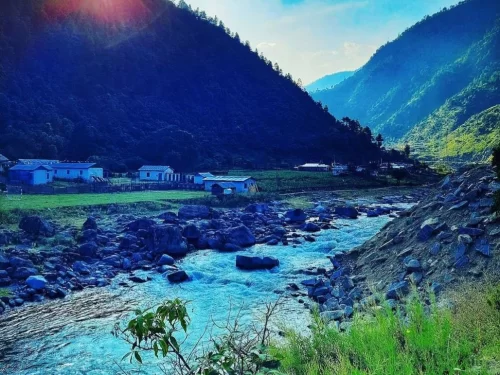
- Panoramic views of the Bomdila valley and surrounding Himalayan foothills from the monastery hilltop.
- Insight into Buddhist rituals, daily prayers, and local Monpa community customs.
- Quiet environment ideal for meditation, reflection, and photography of both interiors and scenic surroundings.
- Short uphill walk via steps to reach the main monastery entrance; comfortable footwear recommended.
- Moderate crowd levels, with occasional larger gatherings during religious festivals and events.
- Typical visit duration is 1 to 2 hours depending on interest in exploration, photography, and observing rituals.
Important Visitor Information
- Crowd & Weather Notes: Bomdila Monastery generally experiences low to moderate crowds. The best weather is from March to October, while monsoon months may make the uphill path slightly slippery.
- Peak / Quiet Hours: Early mornings and late afternoons are ideal for visiting to enjoy peace, soft natural light, and minimal disturbances.
- Dress Code: Modest clothing is recommended out of respect for the religious site. Comfortable shoes are advised for climbing steps to the monastery.
- Safety Notes: Exercise caution on the uphill steps and uneven surfaces. Supervise children and seniors. Carry water and basic essentials, as facilities are limited at the monastery.
Photography and Viewpoint
- Bomdila Buddhist Monastery offers excellent photography opportunities with its vibrant murals, intricate wooden carvings, and golden Buddha statues.
- Early morning and late afternoon provide soft, natural lighting ideal for capturing both interior details and the scenic hilltop views.
- Wide-angle shots work well to capture the monastery complex along with panoramic views of Bomdila valley and surrounding Himalayan foothills.
- Close-up photography highlights the colorful artwork, statues, prayer wheels, and traditional Monpa architecture.
- The hilltop location serves as a natural viewpoint, allowing visitors to take in breathtaking landscapes of the valley below.
- Visitors should respect religious practices and avoid photographing monks during prayers without permission, maintaining ethical and responsible photography practices.
- Quiet surroundings provide uninterrupted opportunities for creative photography, making it suitable for both amateur and professional photographers.