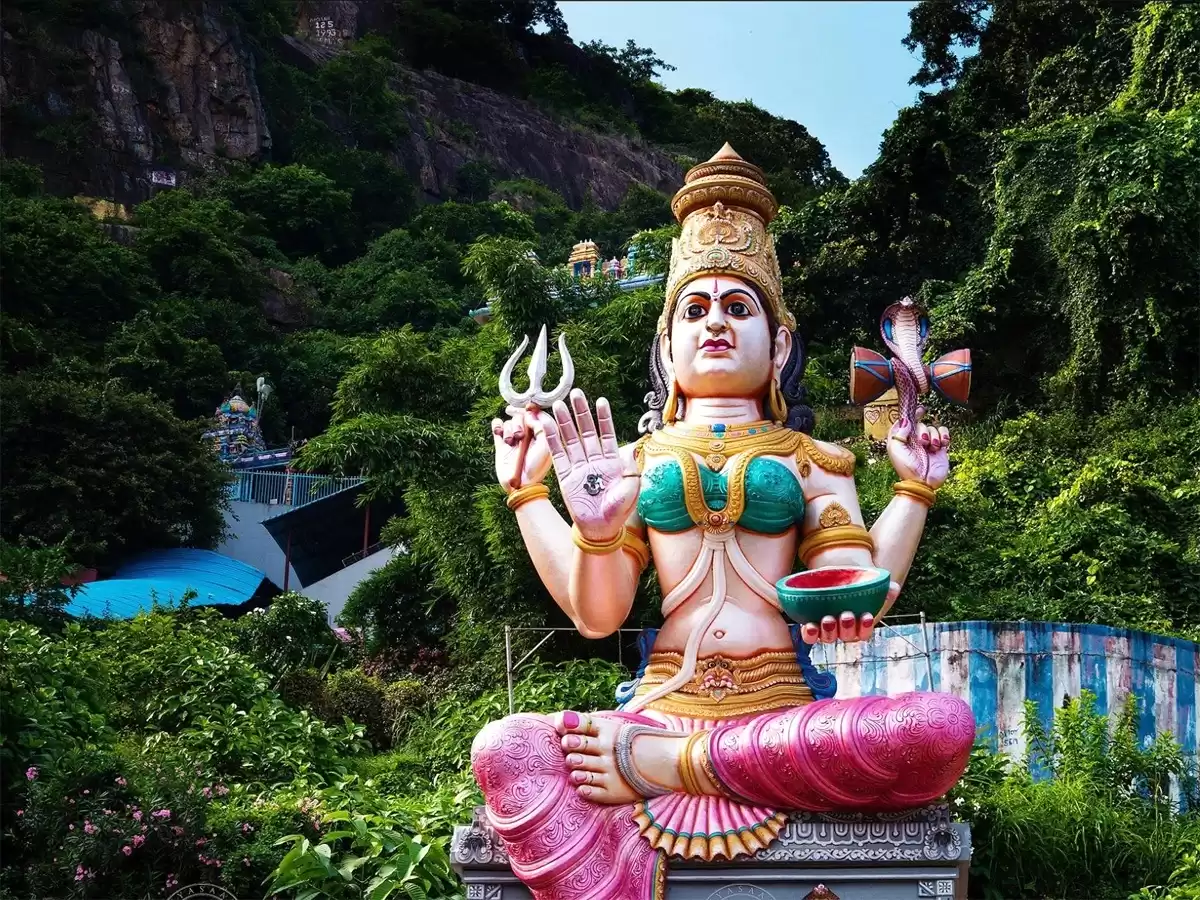
Thalupulamma Talli Temple in Annavaram, Andhra Pradesh, India

Thalupulamma Talli Temple , Annavaram
Tourists visit for its elevated location overlooking forested hills and for local goddess worship traditions. The temple is commonly included in regional road trips between Tuni and Annavaram.

Quick Facts About Thalupulamma Talli Temple

Quick Facts for Thalupulamma Talli Temple, near Annavaram

Entry Fee Free (special darshan/seva tickets, if taken, are charged separately)
Timings 5:00 AM - 9:00 PM (can vary on festival days)
Altitude (m) Approx. 25 m
Ideal Visit Duration 1-2 hours
Best Time of Day Early morning (shorter queues and cooler weather)
Crowd Level Moderate; very high on Tuesdays, Fridays, and during major festivals
Distance from City Centre (km) Approx. 28 km from Annavaram
Walking Difficulty Easy (mostly flat temple approach)
Parking Available Yes (parking areas near the temple entrance)
Last Mile Access Car/auto can reach the temple gate; short walk to darshan queue areas
Suitable for Kids Yes
Suitable for Seniors Yes
Wheelchair Friendly Partially (some ramps exist, but crowds and steps near queue areas may limit access)

Why Visit Thalupulamma Talli Temple Annavaram

Visitors come to Thalupulamma Talli Temple near Annavaram to seek blessings from the local village deity, widely worshipped as a powerful form of the Mother Goddess in the coastal belt of Andhra Pradesh. The temple is especially known for vow-based offerings, with devotees visiting for family well-being, protection, and fulfillment of personal prayers. It is a common stop for travelers doing a short spiritual circuit around Annavaram and the Kakinada region.

The on-ground atmosphere is devotional and busy, particularly on weekends and auspicious days, with steady queues and active ritual spaces. You’ll see families arriving with offerings, priests guiding devotees through quick darshan, and a strong sense of local faith shaping the experience. The setting feels more rooted and community-driven than large, tourist-oriented temple complexes.

What makes Thalupulamma Talli Temple distinct for travelers is its deep connection to regional folk worship and living tradition. Unlike hilltop temples built around architecture and views, this temple’s identity comes from its ritual culture, vow practices, and the scale of everyday devotion. It offers travelers a direct, on-ground look at coastal Andhra’s local goddess worship beyond the mainstream pilgrimage sites.

History of Thalupulamma Talli Temple Annavaram

Thalupulamma Talli Temple, located near Annavaram in Andhra Pradesh, is a well-known hill shrine dedicated to Goddess Thalupulamma, a regional form of Shakti worshipped as a protective village deity. The temple is situated along the forested stretch of the Eastern Ghats, and its origins are rooted in long-standing local devotional traditions rather than royal patronage.

The goddess is revered by surrounding communities as a guardian deity, and the temple has historically been a place where devotees offer prayers seeking protection, prosperity, and well-being. Over time, the shrine gained prominence among travelers passing through the Annavaram–Tuni route, gradually becoming a significant regional pilgrimage stop.

Today, Thalupulamma Talli Temple continues to attract devotees throughout the year, especially during local festivals dedicated to the goddess. Its hilltop setting and strong association with folk religious practices make it an important cultural landmark in the Annavaram area.

Best Time to Visit Thalupulamma Talli Temple, Annavaram

The best time to visit Thalupulamma Talli Temple near Annavaram is from October to February, when the weather is cooler and more comfortable for the scenic ghat road drive, temple darshan, and time spent in the surrounding forested hills.

  • Ideal months: October to February, with November to January offering the most pleasant conditions for temple visits and short hill walks.
  • Weather conditions during the best season: Expect daytime temperatures generally between 20°C and 30°C with relatively lower humidity and clearer skies, making the elevated location and outdoor areas more enjoyable.
  • Periods to avoid: April to June due to hot and humid coastal Andhra conditions that make daytime travel and waiting uncomfortable; July to September because monsoon rains can make the ghat roads slippery and reduce visibility during the uphill drive.

How to Reach Thalupulamma Talli Temple Annavaram

  • Nearest Airport: Rajahmundry Airport (RJA) is the nearest airport, located approximately 95–100 km from Thalupulamma Talli Temple. It operates domestic flights to Hyderabad, Chennai, and Bengaluru. From the airport, taxis are the most convenient option, with a travel time of about 2–2.5 hours via NH 16.
  • Nearest Railway Station: Annavaram Railway Station (ANV), about 15–18 km away, is the closest railhead on the Howrah–Chennai main line and is served by several express and passenger trains. For broader connectivity, Tuni Railway Station (approx. 25 km) is another practical option with frequent long-distance trains.
  • Road Access: The temple is located near Lova village in the East Godavari district, just off NH 16 between Annavaram and Tuni. From Annavaram town, the drive typically takes 30–40 minutes. The final stretch includes a ghat road leading up to the hilltop temple; the road is motorable but has sharp bends, so careful driving is advised.
  • Last-Mile Connectivity: Private vehicles can reach close to the temple entrance via the hill road. From Annavaram or Tuni, taxis and autos are available, though public transport frequency may be limited. During festivals and auspicious days, heavy devotee footfall can cause traffic regulation near the hill approach, so plan extra time for darshan and parking.

What to Expect When You Visit Thalupulamma Talli Temple Annavaram

Thalupulamma Talli Temple is located in the forested hill region near Annavaram in Andhra Pradesh. Dedicated to Goddess Thalupulamma, the temple attracts regional devotees and is known for its rural setting rather than large-scale temple infrastructure. The experience is devotional and community-focused, with strong local participation.

  • Environment and surroundings: The temple is set amidst hilly terrain and vegetation, giving it a distinctly rural and natural atmosphere. Expect a quieter environment on regular weekdays, with bird sounds and forest surroundings noticeable around the shrine. During festival days and special occasions, the area becomes significantly busier with temporary stalls and gathering crowds. The climate can be humid and warm, particularly outside the winter season.
  • Facilities and amenities: Facilities are basic and functional. You may find small stalls selling coconuts, flowers, and ritual items near the entrance. Permanent commercial infrastructure such as restaurants or structured visitor centers is limited. Washroom availability can vary, and cleanliness depends heavily on crowd levels. It is advisable to carry drinking water and personal essentials.
  • Accessibility and movement: The temple is accessible by road from Annavaram, usually by private vehicle or local transport. Depending on the entry point, visitors may need to walk short distances or navigate uneven ground. The terrain can be slightly sloped in parts, and during rainy conditions, surfaces may become muddy. The site is not fully barrier-free, and visitors with mobility limitations may require assistance.
  • Typical visitor behavior and conditions: Most visitors are local devotees performing offerings and prayers. The atmosphere is devotional but not silent, as conversations and ritual chanting are common. On festival days, crowd density increases and queues may form near the main shrine. Footwear is removed before entering temple areas, and modest dress is expected. Photography practices may vary, especially near the main deity area.

Important Visitor Information for Thalupulamma Talli Temple (Near Annavaram)

  • Crowd and Weather Notes: Thalupulamma Talli Temple, located near Tuni and often visited from Annavaram, draws very large crowds on Fridays, Sundays, and during peak offering days when devotees come for vows and special poojas. The temple’s coastal-region climate is warm and humid for much of the year. Summers can feel exhausting due to humidity, while monsoon months bring heavy rain that can make approach areas muddy and crowded.
  • Peak and Quiet Visiting Hours: The temple is typically busiest from mid-morning to early afternoon, when most devotees arrive for darshan and offerings. Early morning on weekdays is generally the calmest time, with shorter queues and more manageable movement inside the complex.
  • Dress Code: Modest traditional clothing is strongly preferred. Men usually wear dhoti or full-length pants with a shirt, and women commonly wear saree or salwar kameez. Footwear must be removed before entering the main temple area, so wearing easy-to-remove sandals is practical.
  • Safety Notes and Practical Cautions: The temple can get densely packed during peak vow-offering times, so keep valuables secured and stay alert in queue lines. Floors may be wet near washing areas and prasad distribution points, especially during crowded hours. If you are carrying offerings, follow the temple’s designated counters and instructions, as entry routes and darshan lines are strictly managed on busy days.

Photography and Viewpoints in Thalupulamma Talli Temple Annavaram

Thalupulamma Talli Temple, located in the forested hills near Annavaram in Andhra Pradesh, is dedicated to Goddess Thalupulamma and is known for its scenic ghat road approach and valley views. Surrounded by dense greenery and rolling Eastern Ghats terrain, the temple offers a blend of spiritual atmosphere and natural landscape photography opportunities.
  • Best Viewpoints for Photography: The most striking frames come from the roadside viewpoints along the ghat approach, where the valley stretches into layered green hills. Within the temple premises, position yourself near the open courtyard to capture the main shrine façade against the forest backdrop. Slightly elevated edges of the compound allow wide shots combining the temple structure and surrounding hills. The approach road itself provides sweeping landscape compositions, especially where it curves along the hillside.
  • Lighting Conditions and Time-of-Day Considerations: Early morning offers the clearest visibility across the valley, with softer light on the temple structure and reduced haze over the hills. Late afternoon adds warmth to the greenery and improves depth in landscape frames. Midday sunlight can be harsh in open courtyard areas, creating strong shadows and reducing detail on the temple’s lighter surfaces.
  • Rules and Restrictions: Photography is generally permitted in the outer premises and scenic viewpoints. Inside the sanctum, photography is usually prohibited. Flash photography is inappropriate in prayer areas, and drone usage may be restricted due to forest and temple regulations. Always respect temple authorities and signage, especially during active rituals.
  • Crowd and Access Factors: The temple sees higher footfall on weekends and during local festivals, which can limit clear shots of the main shrine. Weekday mornings provide the quietest environment for both architectural and valley photography. During monsoon season, mist and slippery paths can affect both visibility and safe positioning at roadside viewpoints.

Near By Attraction

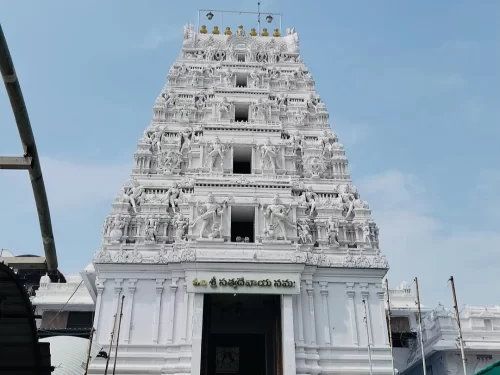
Sri Veera Venkata Sathyanarayana Swamy Vari Temple Annavaram majestic white gopuram in Andhra Pradesh tour packages. Temple

Sri Veera Venkata Satyanarayana Swamy Temple

Sri Veera Venkata Satyanarayana Swamy Temple is a major Hindu temple dedicated to Lord Satyanarayana, located on Ratnagiri Hill in Annavaram.
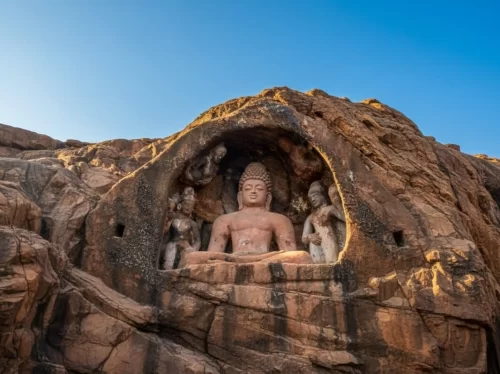
Bojjannakonda Visakhapatnam. Ancient Buddhist rock-cut caves and stupas with carved Buddha statues in Andhra Pradesh. Archaeological Site

Bojjanna konda

Bojjannakonda is a Buddhist archaeological site with rock-cut caves, stupas, and sculptures dating from the early medieval period.

Pampa River Annavaram serene river view with hills in Andhra Pradesh tour packages. River

Pampa River

The Pampa River is a seasonal stream flowing near the Annavaram temple town in East Godavari district.

Frequently Asked Questions About Thalupulamma Talli Temple

Thalupulamma Talli Temple is located near Lova village close to Tuni in Kakinada district of Andhra Pradesh. The temple is situated amidst scenic hills along the Tuni Narsipatnam road.
Thalupulamma Talli Temple can be reached by road from Tuni in about 20 to 30 minutes. Tuni town in Andhra Pradesh is well connected by rail on the Howrah Chennai main line.
Thalupulamma Talli Temple is generally open from early morning until evening. Timings in Andhra Pradesh may vary during special poojas and festival days.
There is no major entry fee for darshan at Thalupulamma Talli Temple. Parking or special ritual services in Andhra Pradesh may involve nominal charges.
The best time to visit Thalupulamma Talli Temple is between October and February when the weather in Andhra Pradesh is pleasant. Early mornings offer cooler conditions and lighter crowds.
Thalupulamma Talli Temple is accessible by road up to the entrance area, making it manageable for senior citizens. Visitors in Andhra Pradesh should still take care on steps near the shrine.
Visitors usually spend 45 minutes to one hour at Thalupulamma Talli Temple. Many combine the visit with nearby hill viewpoints in Andhra Pradesh.
Parking facilities are available near Thalupulamma Talli Temple in designated areas. Visitors traveling from Tuni in Andhra Pradesh can park close to the temple premises.
Annual festivals and local jatara events are celebrated at Thalupulamma Talli Temple with special poojas. These occasions in Andhra Pradesh attract large devotee gatherings.
Tourists visiting Thalupulamma Talli Temple usually stay in Tuni or nearby towns in Andhra Pradesh. Tuni offers basic lodges and connectivity to larger cities for additional accommodation options.

Loved this place ? Let’s Plan Your Andhra Pradesh Trip

Get customized Andhra Pradesh tour planning designed around coastal weather patterns, temple visit flow, road travel distances, and realistic pacing across regions. Whether you are visiting for spiritual journeys, heritage sites, beach experiences, hill r

⚑ Quick Response | πŸ’° Free consultation | πŸ•’ 24Γ—7 expert support

×

Plan Your Trip