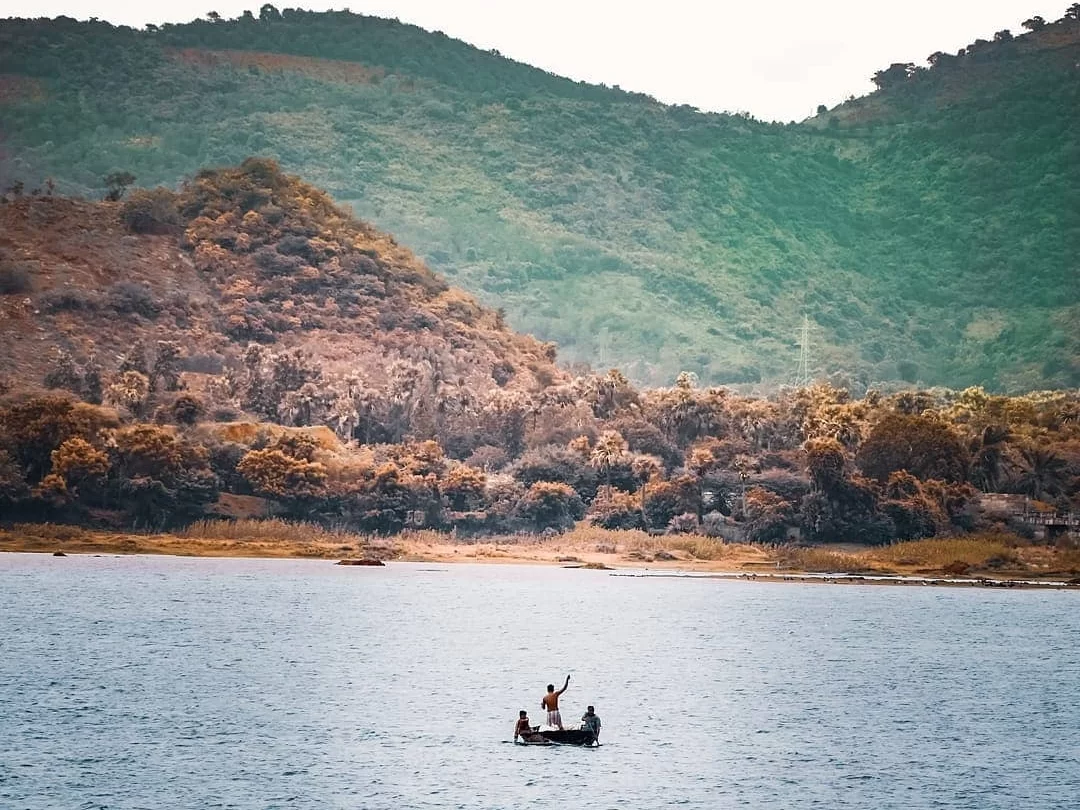
Pampa River in Annavaram, Andhra Pradesh, India

Pampa River , Annavaram
Tourists encounter the river mainly while visiting the Sri Veera Venkata Satyanarayana Swamy Temple, as it flows at the base of Ratnagiri Hill. It is used for ritual bathing during temple visits rather than as a standalone sightseeing spot.

Quick Facts About Pampa River

Quick Facts for Pampa River, near Annavaram

Entry Fee Free (some access points may have local parking charges)
Timings Open 24 hours (daytime visit recommended)
Altitude (m) Varies by access point (generally low-elevation river plains)
Ideal Visit Duration 30 minutes to 1.5 hours
Best Time of Day Morning or late afternoon
Crowd Level Low (can be moderate during local festivals and holidays)
Distance from City Centre (km) Varies by access point (the river is not a single tourist site)
Walking Difficulty Easy (uneven riverbank surfaces may apply)
Parking Available Varies by access point
Last Mile Access Varies by access point (some areas are reachable by car; others require a short walk)
Suitable for Kids Yes (with close supervision near water)
Suitable for Seniors Yes (choose a flat, accessible riverbank spot)
Wheelchair Friendly No (most access points lack ramps and have uneven ground)

Why Visit Pampa River Annavaram

Visitors come to the Pampa River in Annavaram as part of their pilgrimage to the Sri Veera Venkata Satyanarayana Swamy Temple on Ratnagiri Hill. The river holds ritual importance, and many devotees visit its banks before or after darshan for symbolic cleansing and quiet reflection. It also serves as a natural landmark that frames the temple town’s setting.

The on-ground atmosphere is calm and functional, with devotees gathering along the ghats, especially during festival days and auspicious occasions. The river flows gently through the landscape, and early mornings are typically the most peaceful time to visit. The setting feels local and devotional rather than built for tourism.

What makes Pampa River Annavaram distinct for travelers is its close connection to temple ritual life rather than recreational activity. Unlike larger rivers developed as promenades or boating hubs, this stretch remains simple and spiritually oriented. It adds a grounded, natural dimension to the overall pilgrimage experience in Annavaram.

History of Pampa River Annavaram

The Pampa River at Annavaram flows at the base of Ratnagiri Hill, where the Sri Veera Venkata Satyanarayana Swamy Temple is situated. The river has long been associated with the temple’s pilgrimage traditions, serving as a sacred water source for ritual bathing before ascending the hill shrine.

In local religious practice, the Pampa River is regarded as spiritually purifying, and devotees often perform ceremonial baths and rituals along its banks as part of their visit to Annavaram. Its presence has historically shaped the temple’s setting, reinforcing the traditional connection between sacred rivers and hilltop shrines in Hindu worship.

Today, the Pampa River remains an integral part of the Annavaram pilgrimage experience, offering visitors a quiet riverside setting that complements the religious significance of the nearby temple complex.

Best Time to Visit Pampa River, Annavaram

The best time to visit the Pampa River near Annavaram is from November to February, when the weather is relatively cooler and drier, making it more comfortable to spend time along the riverbanks and combine the visit with nearby temple sightseeing.

  • Ideal months: November to February, particularly December and January for pleasant mornings and evening views by the river.
  • Weather conditions during the best season: Expect temperatures generally between 20°C and 30°C with lower humidity compared to peak summer, allowing for relaxed walks and short riverside visits.
  • Periods to avoid: April to June due to hot and humid coastal Andhra conditions that make daytime visits uncomfortable; July to September during the monsoon, when higher water levels, muddy banks, and intermittent heavy rains may limit safe access to certain areas.

How to Reach Pampa River (Near Annavaram)

  • Nearest Airport: The nearest airport is Rajahmundry Airport (RJA), located approximately 80–90 km from the Annavaram region. It has domestic flight connectivity to hubs such as Hyderabad, Chennai, and Bengaluru. From the airport, the most practical way to reach the river area is by taxi, with travel time typically around 2 hours depending on traffic.
  • Nearest Railway Station: Annavaram Railway Station (ANV) is the closest railhead, about 3–6 km from Annavaram town. It lies on the Howrah–Chennai main line and is served by several express and passenger trains. From the station, local autos and taxis can take you toward the river-side stretches near the temple town.
  • Road Access: Annavaram is located on NH 16 (Kolkata–Chennai Highway), making it easy to reach by road from Visakhapatnam (approx. 120 km) and Rajahmundry (approx. 80 km). Access to the Pampa River depends on the specific ghat or riverbank point you plan to visit, as multiple local roads branch out from Annavaram town.
  • Last-Mile Connectivity: Auto-rickshaws and local taxis from Annavaram are the most reliable for reaching river-side points, since public buses may not go directly to smaller ghats. During monsoon months, water levels can rise quickly and certain riverbank areas may become unsafe or inaccessible, so check local conditions before planning a visit.

What to Expect When You Visit Pampa River Annavaram

The Pampa River near Annavaram flows at the base of Ratnagiri Hill, below the Sri Veera Venkata Satyanarayana Swamy Temple. It functions mainly as a ritual bathing and pilgrimage spot rather than a developed riverside attraction. The experience depends heavily on season and temple activity.

  • Environment and surroundings: The river stretch near Annavaram is relatively calm and broad, with stepped access points (ghats) used for ritual bathing. During monsoon, water levels rise and the flow becomes stronger and muddier. In summer, water levels can recede, exposing more of the riverbank. The setting is functional rather than scenic, with visible concrete steps and temple-related structures nearby.
  • Facilities and amenities: Facilities are basic and geared toward pilgrims. You may find changing areas, simple wash spaces, and small stalls selling flowers and puja items. There are no landscaped promenades, cafés, or structured seating zones along the riverbank. Cleanliness can vary depending on crowd size, especially on festival days or auspicious bathing dates.
  • Accessibility and movement: The riverbank is accessible by road from Annavaram town, and visitors typically reach it by auto-rickshaw or private vehicle. Access to the water involves descending stone or concrete steps, which can become slippery due to algae or water splash. Visitors with mobility limitations may find the steep steps challenging, particularly during wet conditions.
  • Typical visitor behavior and conditions: Most people visit the Pampa River to take a ritual bath before proceeding to the temple for darshan. The atmosphere is active rather than quiet, with families preparing offerings and changing clothes near the ghats. Swimming for recreation is uncommon, and the focus remains religious. Crowds increase significantly on weekends and festival days, and early morning is typically the busiest time.

Important Visitor Information for Pampa River Annavaram

  • Crowd and Weather Notes: The Pampa River area around Annavaram is mainly visited by pilgrims, especially those combining river-side rituals with a trip to the Sri Kukkuteswara Swamy Temple. Crowds increase during festival periods and on weekends when more devotees arrive in town. The region stays warm and humid for most of the year. During the monsoon, the river level can rise quickly, and the banks may become muddy or unstable.
  • Peak and Quiet Visiting Hours: River visits are most active in the early morning, when devotees come for bathing, prayers, and ritual offerings. Late morning tends to be quieter, while evenings may see small gatherings again depending on local religious activity.
  • Dress Code: There is no enforced dress code at the riverbank, but modest clothing is expected due to the religious nature of the rituals. If you plan to enter the water for a holy dip, carry a change of clothes and use a towel or wrap for privacy.
  • Safety Notes and Practical Cautions: Avoid stepping into deeper sections of the river, particularly during monsoon season when currents can strengthen without warning. Riverbank stones and steps can be slippery due to algae and wet silt. Keep footwear secure, supervise children closely, and avoid leaving belongings unattended during crowded ritual times.

Photography and Viewpoints in Pampa River Annavaram

The Pampa River near Annavaram flows through a wide, rural landscape of paddy fields, coconut groves, and low hill edges, creating calm river scenes that feel distinctly local to the East Godavari region. It is most photogenic when the water is steady and the banks are accessible, especially around bridges and ghat-like entry points used by residents.
  • Best Viewpoints for Photography: The most reliable viewpoints are from road bridges on the Annavaram approach routes, where you can frame the river’s curve with green banks on both sides. Lower-bank access points (where locals wash, bathe, or collect water) offer close perspectives with reflections, water plants, and daily-life scenes. In the wider stretches, shooting from the raised embankment gives cleaner compositions of the river with layered fields and distant hill lines.
  • Lighting Conditions and Time-of-Day Considerations: Early morning is best for river photography, with softer light, low wind, and smoother reflections on the water surface. Late afternoon creates warmer tones on the banks and surrounding farmland, though haze can increase in summer. Midday light is typically harsh and makes the water surface appear flat and overly bright, especially from bridge viewpoints.
  • Rules and Restrictions: Photography is generally unrestricted along public river access points and bridges. However, avoid photographing individuals at close range during bathing or religious activity without permission. Drone use should be approached cautiously, as riverbanks often include villages and private farmland where privacy concerns apply.
  • Crowd and Access Factors: The riverbanks are usually quiet on weekdays, with short bursts of activity in the early morning and evening when locals visit. Access can become limited during monsoon season when water levels rise and banks turn muddy. In peak pilgrimage periods for Annavaram, some river access points may see more visitors, reducing the chance of clean, empty landscape frames.

Near By Attraction

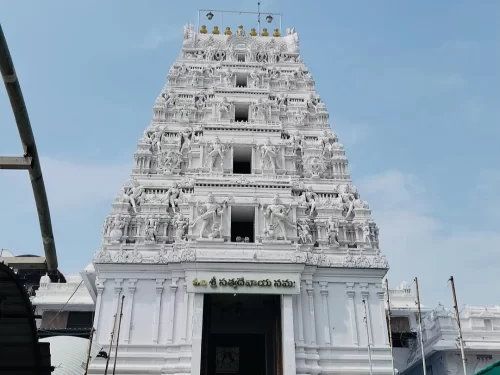
Sri Veera Venkata Sathyanarayana Swamy Vari Temple Annavaram majestic white gopuram in Andhra Pradesh tour packages. Temple

Sri Veera Venkata Satyanarayana Swamy Temple

Sri Veera Venkata Satyanarayana Swamy Temple is a major Hindu temple dedicated to Lord Satyanarayana, located on Ratnagiri Hill in Annavaram.
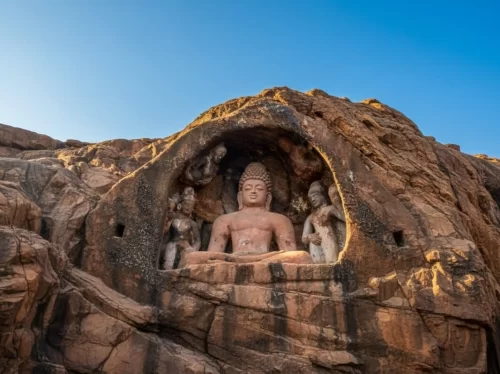
Bojjannakonda Visakhapatnam. Ancient Buddhist rock-cut caves and stupas with carved Buddha statues in Andhra Pradesh. Archaeological Site

Bojjanna konda

Bojjannakonda is a Buddhist archaeological site with rock-cut caves, stupas, and sculptures dating from the early medieval period.
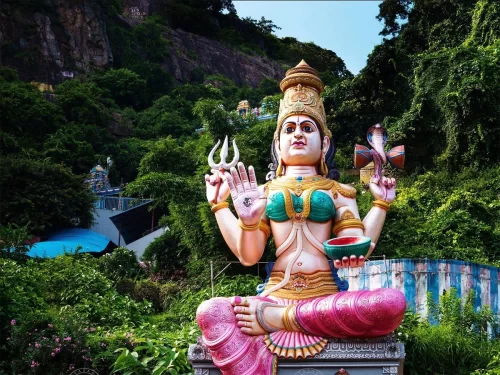
Thalupulamma Talli Temple, hilltop Hindu shrine with colorful goddess statue near Tuni, Andhra Pradesh. Temple

Thalupulamma Talli Temple

Thalupulamma Talli Temple is a hill shrine dedicated to Goddess Thalupulamma, located along the ghat road near Annavaram.

Frequently Asked Questions About Pampa River

Pampa River is located in Kerala and flows through Pathanamthitta district near the Sabarimala Temple. The riverbank at Pampa serves as the main base camp for pilgrims heading to Sabarimala in Kerala.
Pampa River can be reached by road from Pathanamthitta town in about 2 hours depending on traffic. State transport buses and private vehicles operate up to Pampa during the Sabarimala pilgrimage season in Kerala.
Pampa River is famous as the holy river where Sabarimala pilgrims take a ritual bath before trekking to the temple. It is considered spiritually significant in Kerala pilgrimage traditions.
The best time to visit Pampa River is during the Sabarimala pilgrimage season from November to January. Post monsoon months in Kerala also offer better water flow and cooler weather.
There is no entry fee to visit Pampa River itself. However, parking charges and pilgrimage related fees may apply in Kerala during peak Sabarimala season.
Pampa River is generally safe in designated bathing areas managed by authorities. During heavy monsoon in Kerala, water levels can rise and visitors should follow official safety instructions.
Visitors usually spend 30 minutes to one hour at Pampa River before proceeding to Sabarimala. Time may increase during peak pilgrimage days in Kerala.
Yes, designated bathing ghats are available at Pampa River for pilgrims. Facilities in Kerala are regulated during the Sabarimala season to manage large crowds.
Parking is available at Pampa in designated lots managed by Kerala authorities. During peak season, vehicle access may be regulated and shuttle services may operate.
Visitors to Pampa River typically stay in Pathanamthitta, Nilakkal, or nearby towns in Kerala. Basic lodging and pilgrimage facilities are available during the Sabarimala season.

Loved this place ? Let’s Plan Your Andhra Pradesh Trip

Get customized Andhra Pradesh tour planning designed around coastal weather patterns, temple visit flow, road travel distances, and realistic pacing across regions. Whether you are visiting for spiritual journeys, heritage sites, beach experiences, hill r

⚑ Quick Response | πŸ’° Free consultation | πŸ•’ 24Γ—7 expert support

×

Plan Your Trip