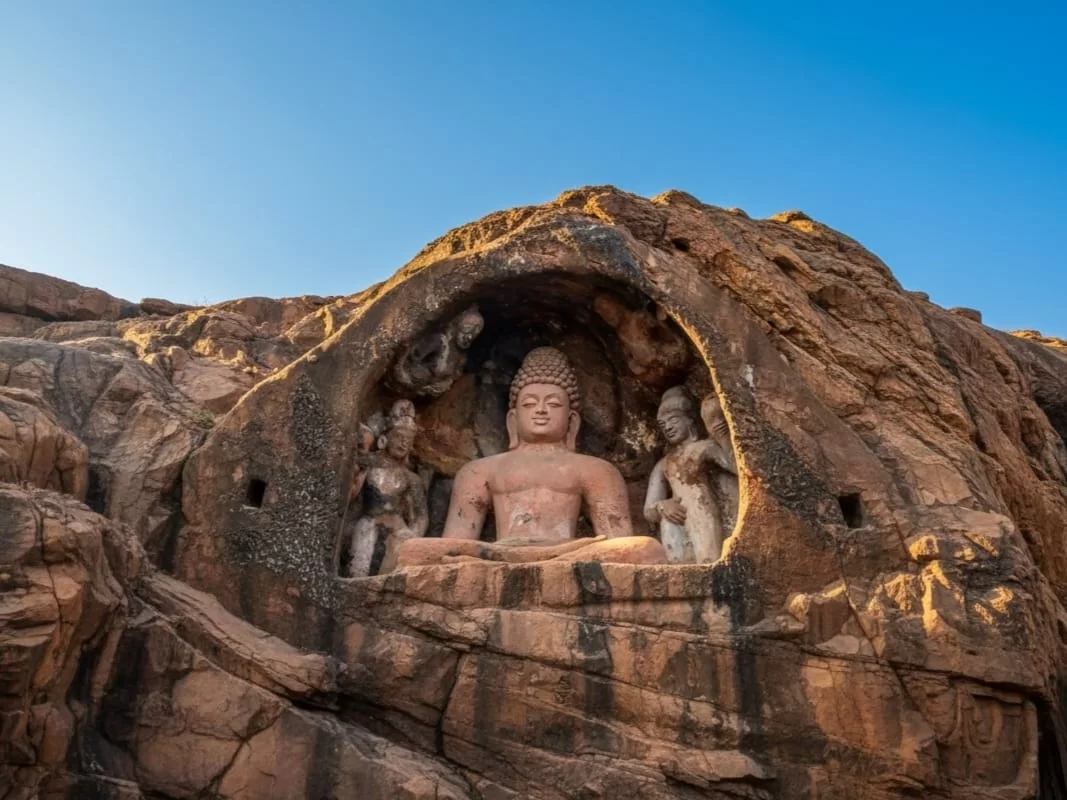
Bojjannakonda in Sankaram (near Anakapalle), Andhra Pradesh, India

Bojjanna konda , Annavaram
Tourists visit to see monolithic stupas, cave sanctuaries, and carvings linked to both Hinayana and Mahayana traditions. Although often grouped with East Godavari itineraries, the site is closer to Anakapalle and is best treated as a separate day-trip stop rather than an Annavaram town attraction.

Quick Facts About Bojjanna konda

Quick Facts for Bojjannakonda (Bojjana Konda), near Annavaram

Entry Fee Free (AS I-protected site; no standard entry ticket as of latest public information)
Timings Sunrise to sunset (no artificial lighting; visit during daylight only)
Altitude (m) Approx. 30–50 m above surrounding ground level (hilltop complex)
Ideal Visit Duration 1–1.5 hours
Best Time of Day Early morning or late afternoon (exposed hill; minimal shade)
Crowd Level Low; moderate on weekends and Buddhist observance days
Distance from City Centre (km) Approx. 35 km from Annavaram (located near Sankaram village, Anakapalle district)
Walking Difficulty Moderate (stone steps and uneven rock surfaces)
Parking Available Limited (informal parking near base of the hill)
Last Mile Access Car/auto up to base; climb via steps to reach cave shrines and stupas
Suitable for Kids Yes (with supervision on steps and rock edges)
Suitable for Seniors Partially (steps and incline may be challenging)
Wheelchair Friendly No (stairs and rocky terrain)

Why Visit Bojjanna Konda Annavaram

Visitors come to Bojjanna Konda near Annavaram to explore one of Andhra Pradesh’s significant Buddhist rock-cut sites, located close to Sankaram village. The hill features ancient stupas, chaitya halls, and monastic caves carved directly into the rock, offering insight into early Buddhist activity in the region. It’s a compelling stop for travelers interested in archaeology and lesser-known heritage beyond temple circuits.

The on-ground atmosphere is quiet and minimally commercial, with stone pathways leading up the hill to clusters of carvings and brick stupa remains. As you walk around the site, you can see meditation cells and sculpted figures integrated into the natural rock surface. The elevated position also offers open views of the surrounding countryside, adding to the sense of isolation.

What makes Bojjanna Konda distinct for travelers is its blend of rock-cut architecture and structural Buddhist remains in one compact hill complex. Unlike fully restored monuments, the site retains an archaeological feel, allowing visitors to observe carvings and ruins in their original landscape setting. It provides a focused, experience-driven visit for those seeking historical depth near Annavaram.

History of Bojjanna Konda Annavaram

Bojjanna Konda, located near the Annavaram region in Andhra Pradesh, is an important Buddhist heritage site known for its rock-cut caves, stupas, and ancient monastic remains. The site is part of a wider group of early Buddhist settlements in coastal Andhra that developed along trade routes linking the interior to ports on the Bay of Bengal.

Archaeological remains at Bojjanna Konda are generally associated with the period when Buddhism flourished in the region, particularly under the influence of early dynasties and later patronage during the Satavahana and post-Satavahana eras. The hill contains carved cells and structural ruins that indicate it once functioned as a Buddhist monastic complex.

Today, Bojjanna Konda is visited for its historical value and its quiet hilltop setting. For travelers exploring the Annavaram area beyond temple sites, it offers a rare opportunity to see physical traces of Andhra Pradesh’s ancient Buddhist past.

Best Time to Visit Bojjannakonda, Annavaram

The best time to visit Bojjannakonda near Annavaram is from October to February, when cooler temperatures and clearer skies make it comfortable to climb the rock-cut Buddhist site and explore the hilltop stupas without heat exhaustion.

  • Ideal months: October to February, especially November and December for pleasant mornings and better visibility from the hilltop.
  • Weather conditions during the best season: Expect daytime temperatures generally between 20°C and 30°C with comparatively lower humidity, making the stone steps and exposed rock surfaces easier to navigate.
  • Periods to avoid: April to June due to intense heat and humidity that make the uphill climb tiring; July to September during the monsoon, when rain can make rock-cut steps slippery and reduce safety on the exposed sections.

How to Reach Bojjanna Konda (Near Annavaram)

  • Nearest Airport: The nearest airport is Visakhapatnam International Airport (VTZ), located approximately 110–130 km from Bojjanna Konda. It has strong domestic connectivity and a few international routes. From the airport, hiring a taxi or taking a bus toward Anakapalle/Sankaram is the most practical option, with travel time typically 3–4 hours depending on traffic.
  • Nearest Railway Station: Anakapalle Railway Station (AKP) is the closest practical railhead, located about 15–20 km from Bojjanna Konda. The nearest major junction is Visakhapatnam Railway Station (VSKP), which offers wider train connectivity across India. From Anakapalle, local taxis and autos are the easiest way to reach the Sankaram hill area.
  • Road Access: Bojjanna Konda is located at Sankaram village near Anakapalle, along the Visakhapatnam–Rajahmundry corridor. If you are coming from Annavaram (approx. 90–110 km away), the drive generally takes 2.5–3.5 hours via NH 16, followed by a short village-road approach to Sankaram.
  • Last-Mile Connectivity: Local autos and taxis from Anakapalle town can drop you near the site entrance, but the final access involves walking and climbing stone steps around the rock-cut caves and hill slopes. Visit during daylight hours, as lighting is limited and the approach paths can be uneven, especially after rain.

What to Expect When You Visit Bojjanna Konda Annavaram

Bojjanna Konda, located near Annavaram in Andhra Pradesh, is a protected Buddhist archaeological site known for its rock-cut caves, stupas, and monastic remains dating back to the early centuries CE. The site is historically significant but minimally commercialized, offering a quiet exploration experience rather than a structured tourist attraction.

  • Environment and surroundings: The hilltop site features exposed rock surfaces with carved caves and circular stupas scattered across the slope. Expect open terrain with limited shade and direct sun exposure for much of the climb. The surrounding landscape is semi-rural, and the atmosphere is generally quiet, especially on weekdays. Summers can be hot and humid, making early morning visits more comfortable.
  • Facilities and amenities: Facilities are limited to basic entry infrastructure, as the site is maintained primarily for preservation. You may find a ticket counter and minimal signage explaining the historical context, but there are no developed cafés, souvenir shops, or structured visitor centers on the hill itself. Carry drinking water and essentials, as on-site amenities are minimal.
  • Accessibility and movement: Access involves climbing a series of stone steps up the hill to reach the caves and stupas. The steps can be uneven, and certain sections may feel steep. There are no elevators or barrier-free paths, so visitors with mobility concerns may find the ascent challenging. Footwear with good grip is recommended, especially during or after rain when surfaces may become slippery.
  • Typical visitor behavior and conditions: Visitors include history enthusiasts, students, and occasional pilgrims. The atmosphere is exploratory and quiet, with people walking between caves and taking photographs of the carvings and stupas. Crowds are generally light compared to major temple sites, though weekends and local holidays may see increased footfall. Visitors are expected to avoid climbing on or touching the archaeological structures to help preserve the site.

Important Visitor Information for Bojjanna Konda (Near Annavaram)

  • Crowd and Weather Notes: Bojjanna Konda, a Buddhist heritage hill site near Anakapalle (often visited as a day trip from Annavaram), is usually quiet on weekdays but can see more visitors on weekends and during the winter travel season. The hilltop setting is exposed to sun and wind. Summers are hot and dry, while monsoon months can bring sudden rain that makes stone steps and rocky paths slippery.
  • Peak and Quiet Visiting Hours: The most comfortable time to visit is early morning, when the climb is easier and the hill is less crowded. Late morning and early afternoon can feel harsh due to direct sun exposure and heat reflecting off stone surfaces.
  • Dress Code: There is no formal dress code, as this is an archaeological site rather than an active temple. However, modest and comfortable clothing is recommended, especially since visitors climb and walk across open rock surfaces. Closed footwear with good grip is strongly advised.
  • Safety Notes and Practical Cautions: The approach includes uneven steps and exposed hill paths with limited shade. Watch your footing, especially near carved rock sections and edges. Avoid visiting during heavy rain, as the climb becomes risky due to slippery stone and loose gravel. Carry drinking water, as facilities are limited once you begin the ascent.

Photography and Viewpoints in Bojjanna Konda Annavaram

Bojjanna Konda, located near Annavaram in Andhra Pradesh (close to Sankaram village), is a significant Buddhist rock-cut heritage site dating from the early centuries CE. The hill features monolithic stupas, brick structural remains, and rock-cut caves spread across twin mounds—Bojjanna Konda and Lingalakonda—making it one of the region’s most distinctive archaeological photography locations.
  • Best Viewpoints for Photography: The most striking perspective comes from the upper mound, where clusters of rock-cut stupas can be framed against the open sky. A slightly lower angle from the carved terrace emphasizes the rounded forms of the stupas and their weathered texture. From the hilltop edges, wide shots capture the surrounding rural landscape and distant greenery, adding context to the isolated Buddhist complex. The stepped path approach also provides layered compositions with railings leading toward the summit structures.
  • Lighting Conditions and Time-of-Day Considerations: Early morning offers the clearest detail on the stone carvings, with softer light revealing surface textures without harsh contrast. Late afternoon adds warmth to the exposed rock surfaces and improves depth in landscape frames from the summit. Midday sunlight can be strong on the bare rock, flattening relief details and increasing glare.
  • Rules and Restrictions: As an Archaeological Survey of India (ASI)–protected monument, photography for personal use is generally permitted. Climbing on stupas or carved structures is prohibited. Tripods and commercial shoots may require prior permission, and drone usage is typically restricted around protected heritage sites. Always follow posted ASI guidelines.
  • Crowd and Access Factors: Bojjanna Konda is usually less crowded than major temple sites, but visitor numbers increase on weekends and during regional holidays. The hill climb involves steps and exposed rock surfaces, which can become slippery in monsoon season. Visiting early in the day not only provides better light but also avoids heat buildup on the exposed hilltop.

Near By Attraction

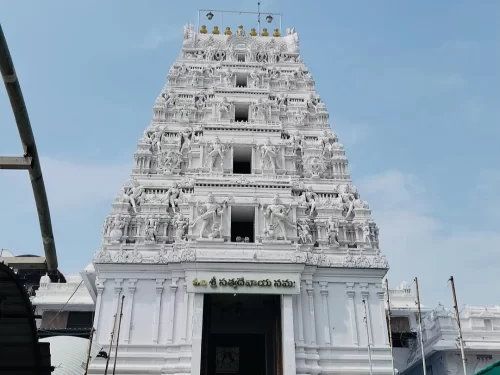
Sri Veera Venkata Sathyanarayana Swamy Vari Temple Annavaram majestic white gopuram in Andhra Pradesh tour packages. Temple

Sri Veera Venkata Satyanarayana Swamy Temple

Sri Veera Venkata Satyanarayana Swamy Temple is a major Hindu temple dedicated to Lord Satyanarayana, located on Ratnagiri Hill in Annavaram.
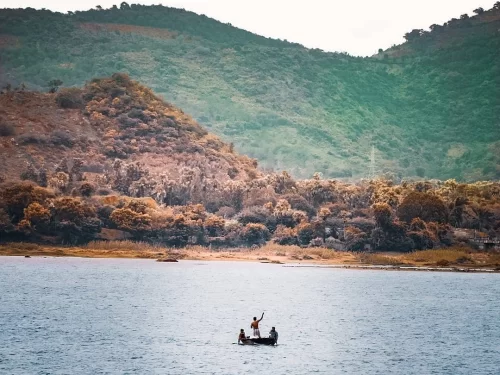
Pampa River Annavaram serene river view with hills in Andhra Pradesh tour packages. River

Pampa River

The Pampa River is a seasonal stream flowing near the Annavaram temple town in East Godavari district.
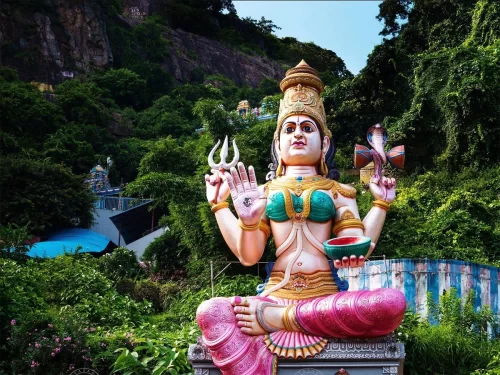
Thalupulamma Talli Temple, hilltop Hindu shrine with colorful goddess statue near Tuni, Andhra Pradesh. Temple

Thalupulamma Talli Temple

Thalupulamma Talli Temple is a hill shrine dedicated to Goddess Thalupulamma, located along the ghat road near Annavaram.

Frequently Asked Questions About Bojjanna konda

Bojjanna Konda is located in Sankaram village near Anakapalle in Anakapalli district of Andhra Pradesh. It lies about 45 kilometers from Visakhapatnam city.
Bojjanna Konda can be reached by road from Visakhapatnam in about one to one and a half hours. Anakapalle town in Andhra Pradesh is the nearest major access point with rail connectivity.
Bojjanna Konda is generally open from morning to evening, typically between 9 am and 5 pm. Timings in Andhra Pradesh may vary slightly based on archaeological site regulations.
There is usually a nominal entry fee to visit Bojjanna Konda as it is a protected archaeological site. Charges in Andhra Pradesh are set by the Archaeological Survey authorities.
The best time to visit Bojjanna Konda is between October and March when the weather in Andhra Pradesh is cooler. Early morning visits are more comfortable for climbing the hill steps.
Visitors typically need one to two hours to explore Bojjanna Konda. This allows time to climb the hill and view the rock cut Buddhist caves and stupas in Andhra Pradesh.
Bojjanna Konda involves climbing steps and uneven rock surfaces, which may be challenging for some senior citizens. Visitors in Andhra Pradesh should assess mobility before planning the climb.
At Bojjanna Konda, visitors can see ancient Buddhist rock cut caves, stupas, chaitya halls, and monastic remains. The site in Andhra Pradesh dates back to early centuries of Buddhist activity.
Parking is available near the base of Bojjanna Konda in designated areas. Visitors traveling from Visakhapatnam in Andhra Pradesh can park close to the entrance.
Tourists visiting Bojjanna Konda usually stay in Visakhapatnam city. Visakhapatnam in Andhra Pradesh offers a wide range of hotels within driving distance of the site.

Loved this place ? Let’s Plan Your Andhra Pradesh Trip

Get customized Andhra Pradesh tour planning designed around coastal weather patterns, temple visit flow, road travel distances, and realistic pacing across regions. Whether you are visiting for spiritual journeys, heritage sites, beach experiences, hill r

⚑ Quick Response | πŸ’° Free consultation | πŸ•’ 24Γ—7 expert support

×

Plan Your Trip