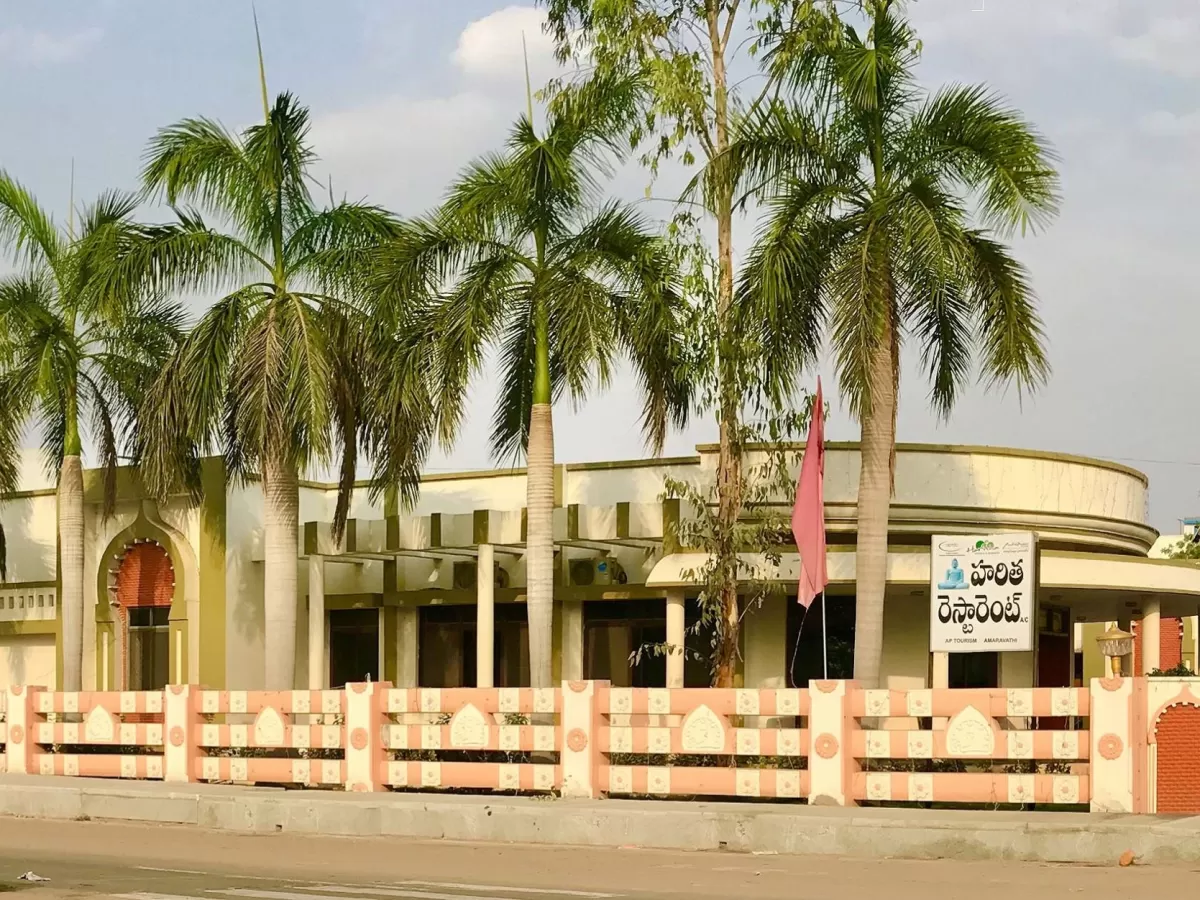
Kalachakra Museum in Amaravati, Andhra Pradesh, India

Kalachakra Museum , Amaravati
Tourists visit to see artifacts related to Buddhist traditions, sculptures, and relics from the Amaravati region, including depictions of the Kalachakra Tantra. The museum offers insight into the region’s historical and spiritual heritage.

Quick Facts About Kalachakra Museum

Quick Facts for Kalachakra Museum, Amaravati

Entry Fee INR 10 for Indians, INR 50 for Foreign Nationals
Timings 10:00 AM - 5:00 PM (Closed on Mondays)
Altitude (m) Approx. 25 m
Ideal Visit Duration 1-1.5 hours
Best Time of Day Late morning or early afternoon (ideal for indoor museum visit)
Crowd Level Low to moderate; higher during weekends and special events
Distance from City Centre (km) Approx. 2 km from Amaravati town centre
Walking Difficulty Easy (indoor exhibits with seating available)
Parking Available Yes (designated parking near the museum)
Last Mile Access Accessible by car/auto to the museum entrance
Suitable for Kids Yes (educational exhibits related to Buddhism)
Suitable for Seniors Yes
Wheelchair Friendly Yes (wheelchair accessible entrance and pathways)

Why Visit Kalachakra Museum

Visitors come to Kalachakra Museum in Amaravati to explore its rich collection of Buddhist artifacts, sculptures, and paintings that depict the Kalachakra, an important aspect of Tibetan Buddhism. The museum is a key stop for those interested in the cultural and spiritual heritage of the region, showcasing ancient Buddhist relics and art forms related to the Kalachakra tradition.

The on-ground atmosphere is peaceful and informative, with visitors moving through carefully curated exhibits that highlight the intricacies of Buddhist philosophy and iconography. The museum's calm ambiance, paired with educational displays, allows for a reflective experience. The surrounding landscape also adds to the serene environment, making it a tranquil place to explore history and art.

What makes Kalachakra Museum distinct for travelers is its specific focus on the Kalachakra tradition and its deep connection to Tibetan Buddhism. Unlike other museums with broader collections, this one offers a niche yet enriching experience that helps visitors understand the philosophical and artistic significance of the Kalachakra teachings. It’s an essential stop for those exploring Amaravati’s Buddhist heritage.

History of Kalachakra Museum Amaravati

The Kalachakra Museum, located in Amaravati, Andhra Pradesh, is a unique museum dedicated to the Kalachakra, a key Buddhist concept and teachings related to time and cosmology. The museum is situated near the historical Amaravati Mahachaitya and showcases a rich collection of artifacts, sculptures, and paintings related to Buddhist philosophy and the Kalachakra Tantra.

The museum's exhibits feature ancient relics, stone sculptures, and inscriptions that illustrate the deep connection between Amaravati and the Buddhist traditions that flourished in the region. The collection includes representations of the Kalachakra Mandala, a symbolic diagram used in Tibetan Buddhism to represent the universe, time cycles, and spiritual practice.

Today, the Kalachakra Museum serves as an important educational and cultural resource, drawing visitors from around the world to learn about the rich history and teachings of Buddhism in the region. The museum also hosts exhibitions and cultural programs, helping to preserve and promote Amaravati’s legacy as a significant center of Buddhist art and learning.

Best Time to Visit Kalachakra Museum, Amaravati

The best time to visit the Kalachakra Museum in Amaravati is from November to February, when the weather is cooler and more comfortable, making it ideal for exploring the museum's Buddhist artifacts, sculptures, and the surrounding archaeological site.

  • Ideal months: November to February, especially December and January for the most pleasant weather and clearer skies.
  • Weather conditions during the best season: Expect temperatures between 20°C and 30°C with dry weather and lower humidity, perfect for indoor and outdoor exploration of the museum and nearby historical sites.
  • Periods to avoid: April to June due to intense heat and humidity, which can make museum visits and outdoor sightseeing uncomfortable; July to September during the monsoon, when rain can limit access and make the area slippery.

How to Reach Kalachakra Museum, Amaravati

  • Nearest Airport: Vijayawada International Airport (VGA) is the nearest airport, located approximately 40–45 km from Kalachakra Museum. The airport offers regular domestic flights to Hyderabad, Chennai, Bengaluru, and other major cities. From the airport, taxis and app-based cabs are available, and the drive to the museum typically takes 1 to 1.5 hours depending on traffic.
  • Nearest Railway Station: Vijayawada Junction (BZA) is around 35 km from the museum. It is a major station with frequent express and superfast trains from cities like Hyderabad, Chennai, Delhi, and Kolkata. Auto-rickshaws and taxis are available outside the station for a 45-minute drive to the museum.
  • Road Access: The Kalachakra Museum is located in Amaravati, a historic town well-connected by road to Vijayawada and Guntur (about 30 km away). Visitors can travel via state highways to reach the museum site. The roads are mostly in good condition, but traffic may increase during weekends or tourist seasons.
  • Last-Mile Connectivity: Local taxis, auto-rickshaws, and buses provide access from Amaravati town to the museum. There are designated parking areas near the museum, but expect higher footfall on weekends or public holidays. Visitors are encouraged to plan extra time for parking and exploring the museum's surroundings.

What to Expect When You Visit Kalachakra Museum Rajamahendravaram

Kalachakra Museum in Rajamahendravaram is a small yet significant museum dedicated to the Kalachakra teachings and Buddhist artifacts. The museum serves as a space for cultural reflection, showcasing relics and historical items related to Buddhism.

  • Environment and surroundings: The museum is located in a calm and peaceful setting, away from the hustle and bustle of the city. The atmosphere inside the museum is quiet and contemplative, designed for visitors to engage with Buddhist teachings and exhibits in a serene environment. The museum is housed in a simple, functional building with modern exhibition spaces, making it a contrast to the more traditional Buddhist sites in the region.
  • Facilities and amenities: The museum offers basic facilities such as a ticket counter, clean restrooms, and simple seating areas for visitors to rest while viewing exhibits. There is likely a small shop selling Buddhist literature, souvenirs, and related items. The museum does not have large commercial amenities like restaurants, so visitors are advised to bring their own water and snacks if planning to stay for an extended period.
  • Accessibility and movement: The museum is easily accessible by road from the center of Rajamahendravaram. It is located in a relatively quiet area, making it an ideal place for exploration without large crowds. The museum is small and easy to navigate, with well-marked exhibits and a straightforward layout. Visitors can comfortably move around and spend time viewing the artifacts and reading the associated descriptions. The site is suitable for all age groups, with minimal obstacles for people with mobility concerns.
  • Typical visitor behavior and conditions: Visitors typically include history enthusiasts, students, researchers, and those interested in Buddhist teachings. The museum is generally quiet, with visitors taking time to read and reflect on the displayed items. It is not typically crowded, making it a calm environment to explore. Photography rules may vary, with some areas permitting it and others restricting it to preserve the sanctity of the exhibits. Visitors are expected to maintain decorum and respect the spiritual and historical significance of the collection.

Important Visitor Information for Kalachakra Museum, Amaravati

  • Crowd and Weather Notes: The Kalachakra Museum in Amaravati is a quiet yet significant spot for history and culture enthusiasts, attracting steady traffic on weekends and public holidays, especially during cultural events or Buddhist festivals. The climate in Amaravati is generally hot and humid, with summers being particularly intense. Winters offer the most comfortable visiting conditions. During monsoon season, the nearby river can cause high humidity and occasional rainfall.
  • Peak and Quiet Visiting Hours: The museum is typically busiest from 11:00 AM to 2:00 PM. To enjoy a quieter experience, it is best to visit early in the morning or later in the afternoon, between 4:00 PM and 6:00 PM, when the museum is less crowded, and the temperature is more pleasant for exploration.
  • Dress Code: There is no formal dress code for visiting the museum, but modest and comfortable clothing is recommended. Since the museum involves walking and exploring galleries, lightweight and breathable clothing is ideal, especially in the summer months. Comfortable footwear is also suggested for walking through the exhibits.
  • Safety Notes and Practical Cautions: The museum is well-maintained and safe for visitors, but it’s important to avoid touching the artifacts and sculptures. The museum can get crowded, particularly during cultural or educational events, so keep personal belongings secure. If visiting during the monsoon season, be cautious on the outdoor pathways, as they can get slippery after rainfall.

Photography and Viewpoints in Kalachakra Museum Amaravati

The Kalachakra Museum in Amaravati is dedicated to showcasing the cultural and spiritual history of the region, with a focus on Buddhist artifacts, sculptures, and the Kalachakra teachings. The museum’s architecture, combined with its historical exhibits, makes it a perfect location for those interested in capturing detailed sculptures, intricate carvings, and the serene atmosphere of the space.
  • Best Viewpoints for Photography: The museum’s main hall, with its wide, open design, is best captured from the entrance to highlight the architectural layout and the arranged exhibits. The sculptures, particularly the Buddhist statues and carvings, can be photographed closely from the front or side to emphasize their intricate detailing. If the museum features outdoor exhibits or a garden, capturing the structure from an elevated position or nearby surroundings helps show its integration with nature.
  • Lighting Conditions and Time-of-Day Considerations: Morning light, if it filters into the museum through windows, is ideal for softer indoor photography, especially for the stone sculptures and art. Late afternoon provides warm tones, which can be effective for capturing the architectural details of the museum’s exterior. Midday light may be harsh for outdoor shots but is suitable for capturing specific sculptures or art pieces inside the museum when artificial lighting is used effectively.
  • Rules and Restrictions: Photography is generally allowed within the museum premises, though some exhibits or artifacts may have restrictions. Flash photography is usually discouraged to protect delicate artifacts, and tripods or professional equipment might require permission from museum staff. Always check for signage and guidelines before photographing specific sections of the museum.
  • Crowd and Access Factors: The Kalachakra Museum is usually quiet, except during festivals, special exhibitions, or on weekends when local visitors increase. For the best photography experience, visit during weekdays or in the early morning hours when the museum is less crowded, allowing for unhindered shots of exhibits and architectural details.

Near By Attraction

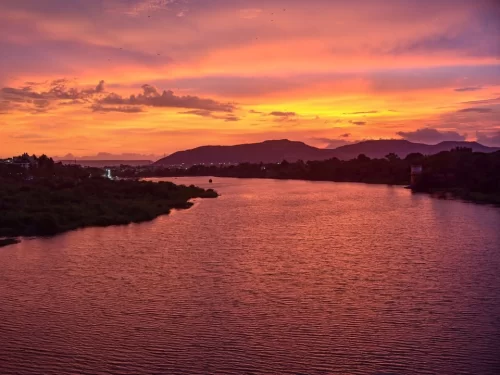
Krishna Riverfront Vijayawada beautiful sunset view over the river in Andhra Pradesh tour packages. River

Krishna Riverfront

Krishna Riverfront in Amaravati is a scenic stretch along the Krishna River, offering picturesque views of the river and nearby landmarks.
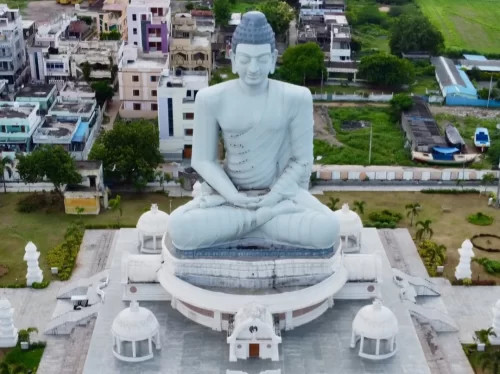
Dhyana Buddha Statue Amaravati giant meditation Buddha landmark and spiritual attraction in Andhra Pradesh tour packages. Statue

Dhyana Buddha statue

The Dhyana Buddha Statue is a large meditation-pose Buddha statue located on the banks of the Krishna River in Amaravati.
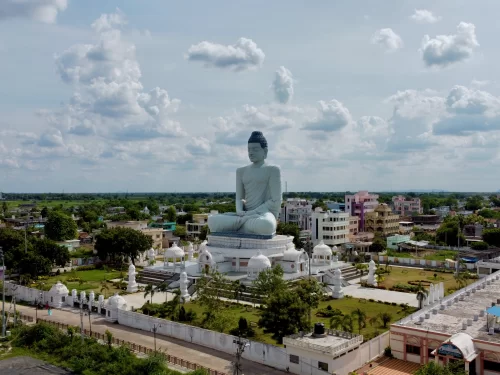
Amaravati Andhra Pradesh. Giant Buddha statue at Amaravati Stupa complex, iconic Buddhist pilgrimage and heritage site. Archaeological Site

Amaravati Mahachaitya

Amaravati Mahachaitya is the site of an ancient Buddhist stupa dating back to around the 2nd century BCE.

Frequently Asked Questions About Kalachakra Museum

Kalachakra Museum is located in Amaravati town near Guntur in Andhra Pradesh, close to the banks of the Krishna River.
Kalachakra Museum is known for its collection of Buddhist artifacts, sculptures, relics, and exhibits related to the ancient Amaravati school of art.
Kalachakra Museum can be reached from Vijayawada by road in about 45 minutes, covering nearly 35 kilometers toward Amaravati in Andhra Pradesh.
Kalachakra Museum is generally open from around 10 AM to 5 PM, and it remains closed on certain public holidays.
There is a nominal entry fee at Kalachakra Museum as regulated by the state archaeology department.
The best time to visit Kalachakra Museum is between October and February when the weather in Andhra Pradesh is pleasant for sightseeing.
Visitors usually need 1 to 2 hours to explore Kalachakra Museum depending on interest in historical exhibits and artifacts.
Parking facilities are available near Kalachakra Museum in the designated area close to the museum entrance at Amaravati.
Photography rules at Kalachakra Museum may vary, and visitors should check with the staff regarding camera permissions before entering exhibition halls.
Nearby attractions from Kalachakra Museum include the Amaravati Stupa site, Dhyana Buddha statue, and other cultural landmarks in Amaravati.

Loved this place ? Let’s Plan Your Andhra Pradesh Trip

Get customized Andhra Pradesh tour planning designed around coastal weather patterns, temple visit flow, road travel distances, and realistic pacing across regions. Whether you are visiting for spiritual journeys, heritage sites, beach experiences, hill r

⚡ Quick Response | 💰 Free consultation | 🕒 24×7 expert support

×

Plan Your Trip