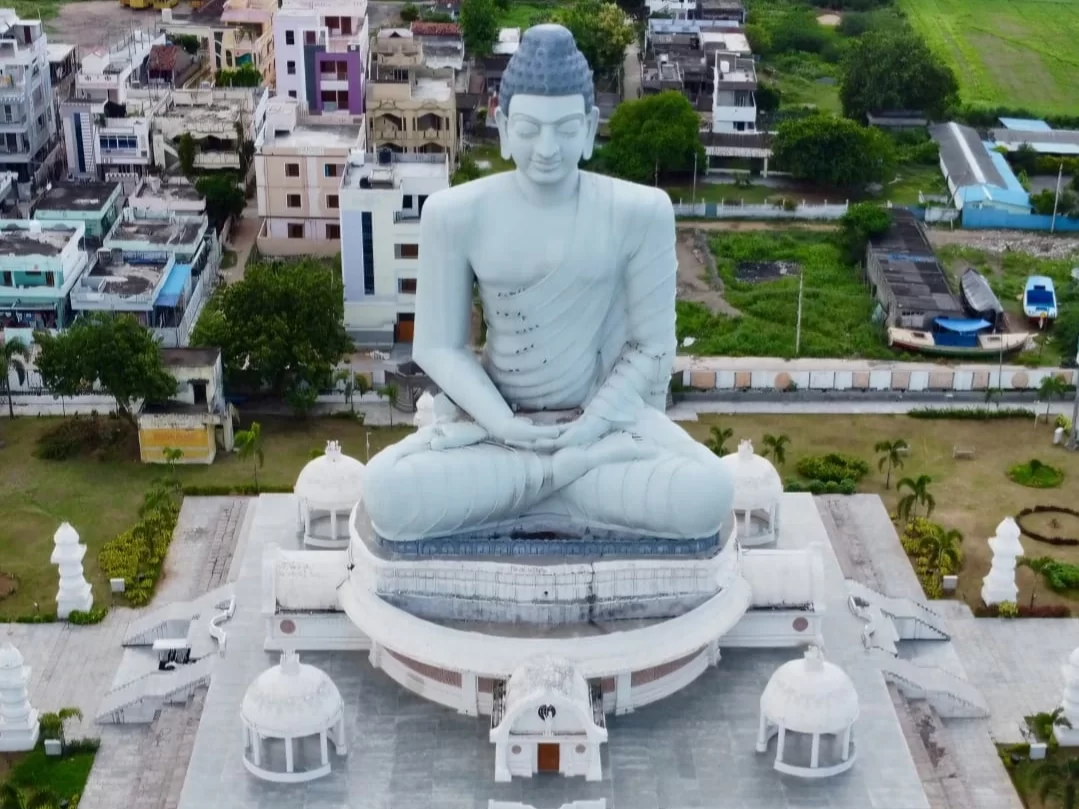
Dhyana Buddha Statue in Amaravati, Andhra Pradesh, India

Dhyana Buddha statue , Amaravati
Tourists visit for its scale, riverfront setting, and proximity to the Amaravati Mahachaitya and museum complex. It is primarily a visual landmark and photo stop within the Amaravati heritage area.

Quick Facts About Dhyana Buddha statue

Quick Facts for Dhyana Buddha Statue, Amaravati

Entry Fee Free
Timings 9:00 AM - 6:00 PM (may vary during events and maintenance closures)
Altitude (m) Approx. 25 m
Ideal Visit Duration 30-60 minutes
Best Time of Day Late afternoon (pleasant weather and better light for photography)
Crowd Level Low on weekdays; moderate on weekends and Buddhist events
Distance from City Centre (km) Approx. 3 km from Amaravati town centre
Walking Difficulty Easy (paved paths and short walks)
Parking Available Yes (parking available near the statue complex)
Last Mile Access Car/auto accessible up to the entrance; short walk on paved paths
Suitable for Kids Yes
Suitable for Seniors Yes
Wheelchair Friendly Yes (ramps and paved access available in main visitor areas)

Why Visit Dhyana Buddha Statue

Visitors come to the Dhyana Buddha Statue in Amaravati to see one of the largest and most impressive Buddhist statues in India, representing Lord Buddha in a meditative, serene posture. The statue stands as a symbol of peace and spiritual practice, attracting pilgrims and travelers interested in both Buddhist art and meditation culture.

The on-ground atmosphere is peaceful and reflective, with a quiet setting that invites meditation and contemplation. Surrounded by lush greenery, the statue provides a tranquil space for visitors to pause, reflect, or simply enjoy the calm beauty of the site. The area also offers great opportunities for photography, with the towering statue set against the backdrop of nature.

What makes the Dhyana Buddha Statue distinct for travelers is its sheer size and peaceful representation of Buddhist principles. Unlike many other monuments, this statue is not just for viewing; it encourages introspection and a spiritual connection. The combination of its monumental presence and the serene environment around it creates a unique and calming experience for visitors.

History of Dhyana Buddha Statue Amaravati

The Dhyana Buddha Statue, located in Amaravati, Andhra Pradesh, is an iconic and revered figure in the region. The statue represents the Buddha in the Dhyana (meditative) posture, symbolizing tranquility, meditation, and enlightenment. It is a modern sculpture that has become a symbol of peace and spiritual reflection, reflecting the historical significance of Buddhism in Amaravati, once a major center of Buddhist activity in ancient India.

The statue stands tall and is positioned in a serene setting, offering visitors a peaceful environment to meditate and reflect. Its location near the historic Amaravati Mahachaitya and other Buddhist relics further enhances its spiritual and cultural value, making it an integral part of the pilgrimage circuit for Buddhist devotees and tourists alike.

Today, the Dhyana Buddha Statue is an important landmark in Amaravati, attracting visitors not only for its spiritual significance but also for its artistic appeal. It serves as a reminder of the rich Buddhist heritage of the region and the enduring message of peace and meditation that Buddhism continues to impart to the world.

Best Time to Visit Dhyana Buddha Statue, Amaravati

The best time to visit the Dhyana Buddha Statue in Amaravati is from November to February, when the weather is cooler and more comfortable for outdoor visits, offering clear skies and pleasant temperatures for sightseeing and photography.

  • Ideal months: November to February, particularly December and January for the most pleasant weather to enjoy the peaceful surroundings of the statue.
  • Weather conditions during the best season: Expect temperatures ranging between 20°C and 30°C with dry weather and lower humidity, making it perfect for a leisurely visit to the statue and surrounding areas.
  • Periods to avoid: April to June due to the intense heat in the region, which can make outdoor exploration uncomfortable; July to September during the monsoon, when rain can disrupt visits and make the area slippery.

How to Reach Dhyana Buddha Statue, Amaravati

  • Nearest Airport: Vijayawada International Airport (VGA), located about 45–50 km from the Dhyana Buddha Statue, is the nearest airport. It has domestic flights connecting to major cities like Hyderabad, Chennai, Bengaluru, and Delhi. From the airport, taxis are available, and the drive to the statue typically takes 1 to 1.5 hours depending on traffic.
  • Nearest Railway Station: Vijayawada Junction (BZA) is around 40 km from the statue. It is a major railway station in Andhra Pradesh, well-connected with express and superfast trains from cities like Hyderabad, Chennai, Delhi, and Kolkata. From the station, taxis and local buses are available to reach the statue site.
  • Road Access: The Dhyana Buddha Statue is located in Amaravati, near the Krishna River. It is well-connected by road via state highways from Vijayawada and Guntur (around 30 km away). The roads are mostly smooth, but traffic can increase during weekends and peak tourist seasons.
  • Last-Mile Connectivity: Taxis, auto-rickshaws, and local buses can drop visitors close to the Dhyana Buddha Statue entrance. There are designated parking areas near the statue, but expect higher footfall during weekends or festivals, which may make parking and access a bit crowded.

What to Expect When You Visit Dhyana Buddha Statue Rajamahendravaram

The Dhyana Buddha Statue in Rajamahendravaram is a striking 16-foot-tall sculpture of Buddha, located in a serene setting. The statue, symbolizing meditation and peace, is a significant attraction for those interested in Buddhist art and spiritual reflection.

  • Environment and surroundings: The Dhyana Buddha statue is set in a tranquil area with greenery and well-maintained surroundings. The atmosphere is peaceful and meditative, with visitors often seen sitting near the statue in quiet contemplation. The area is relatively quiet, though you may hear local activity and traffic from the surrounding area. The climate is warm, with direct sun exposure in the day, so visiting during early morning or evening is ideal.
  • Facilities and amenities: Basic facilities like seating areas, drinking water points, and small stalls offering flowers and offerings are available near the statue. There are no extensive restaurants or commercial outlets within the vicinity, so visitors may want to bring their own water and snacks. Restrooms may be available but are generally simple and functional.
  • Accessibility and movement: The statue is easily accessible by road from Rajamahendravaram, with parking spaces available nearby. The site is well-connected by roads, and visitors can walk around the statue. The area is flat and easy to navigate, making it suitable for people of all ages. However, there may be some uneven terrain if you choose to explore the surrounding park or garden areas.
  • Typical visitor behavior and conditions: Visitors typically come to meditate, take photographs, or simply enjoy the peaceful environment. The atmosphere is calm and reflective, with many visitors taking time to sit and meditate in front of the statue. The site is not usually crowded, but it can attract more people on weekends and religious holidays. Visitors are expected to respect the solemnity of the space, maintaining quietness and avoiding disruptive behavior.

Important Visitor Information for Dhyana Buddha Statue (Amaravati)

  • Crowd and Weather Notes: The Dhyana Buddha Statue, located in Amaravati, is a significant Buddhist monument and attracts visitors year-round, especially on weekends and during Buddhist festivals such as Buddha Purnima. The climate in the area is hot and humid in the summer, making early mornings or evenings the best time to visit. Winters are much more pleasant, providing a comfortable experience. During monsoon season, the surroundings can become slippery due to rain.
  • Peak and Quiet Visiting Hours: The busiest times are typically from 10:00 AM to 2:00 PM, especially on weekends or during festival periods. For a quieter visit, it's best to arrive early in the morning (6:00 AM to 8:00 AM) or later in the afternoon (4:00 PM to 6:00 PM), when the temperature is cooler and the crowds are thinner.
  • Dress Code: There is no formal dress code, but visitors are encouraged to wear modest clothing as it is a religious and cultural site. Comfortable, breathable clothing is recommended due to the outdoor nature of the monument. Since the site involves walking on stone paths, comfortable footwear is advised.
  • Safety Notes and Practical Cautions: The Dhyana Buddha Statue is a large and peaceful outdoor monument, but visitors should be cautious when walking on uneven stone surfaces around the statue. The site can get crowded during festivals, so keep your belongings secure. Be mindful of the sun exposure, especially in summer, and carry water to stay hydrated. Be respectful of the site and avoid climbing or touching the statue or surrounding monuments.

Photography and Viewpoints in Dhyana Buddha Statue Amaravati

The Dhyana Buddha Statue in Amaravati is a stunning representation of Buddha in a meditative (dhyana) pose, located near the Krishna River in Andhra Pradesh. The statue’s serene expression and large scale make it one of the most iconic landmarks in the region, providing beautiful photography opportunities, especially in the context of the surrounding natural and cultural environment.
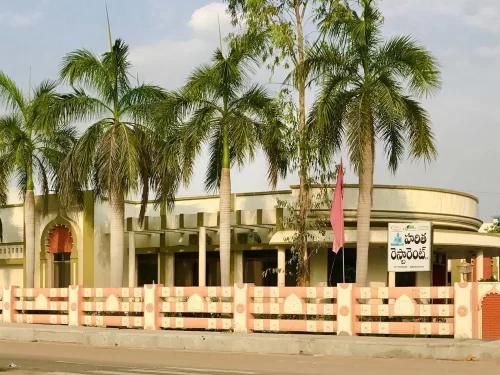
  • Best Viewpoints for Photography: The best wide-angle shots come from the entrance pathway leading toward the statue, where you can frame the Dhyana Buddha against the sky with the surrounding lush greenery and the river in the background. From slightly elevated areas or the viewing platform near the statue, you can also capture the statue’s large, meditative figure alongside the distant landscape. Close-up shots of the Buddha’s serene face and hand gestures work well from the front and side to highlight the detailed craftsmanship.
  • Lighting Conditions and Time-of-Day Considerations: Early morning is ideal for capturing the Buddha statue in soft light, where the rising sun casts a warm glow on the statue while the surrounding area remains calm. Late afternoon also provides a beautiful golden hue, with the statue illuminated by warm light. Midday sunlight can create harsh contrasts, particularly on the statue’s surface, so it’s best to avoid shooting during this time unless focusing on details or shaded areas.
  • Rules and Restrictions: Photography is allowed in the open public area around the statue, but flash photography and commercial shoots may require permission. Visitors should be mindful of the sacred nature of the statue and avoid disturbing prayer areas if present. Drones may be restricted due to proximity to religious sites, so it’s advisable to check with local authorities before flying them around the statue.
  • Crowd and Access Factors: The Dhyana Buddha statue attracts pilgrims and tourists, especially during weekends and Buddhist festivals. For clearer, uninterrupted shots, visit early in the morning on weekdays when the site is less crowded. During peak pilgrimage periods, the site may see large crowds, which can limit access to the best photography angles.

Near By Attraction

Kalachakra Museum Amaravati Buddhist heritage attraction in Andhra Pradesh tour packages. Museum

Kalachakra Museum

Kalachakra Museum is an archaeological museum dedicated to the Kalachakra Buddhist art and culture, located in Amaravati.
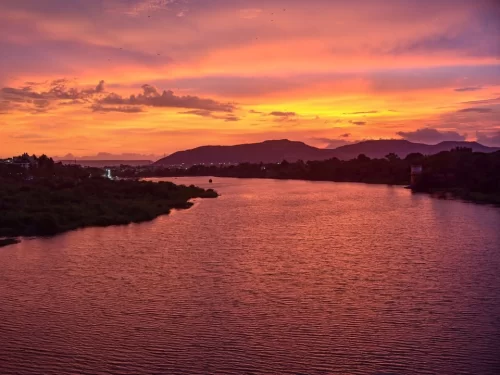
Krishna Riverfront Vijayawada beautiful sunset view over the river in Andhra Pradesh tour packages. River

Krishna Riverfront

Krishna Riverfront in Amaravati is a scenic stretch along the Krishna River, offering picturesque views of the river and nearby landmarks.
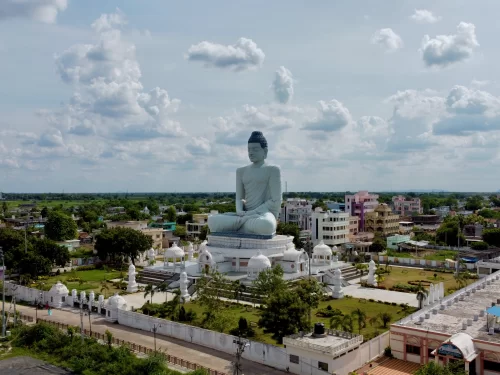
Amaravati Andhra Pradesh. Giant Buddha statue at Amaravati Stupa complex, iconic Buddhist pilgrimage and heritage site. Archaeological Site

Amaravati Mahachaitya

Amaravati Mahachaitya is the site of an ancient Buddhist stupa dating back to around the 2nd century BCE.

Frequently Asked Questions About Dhyana Buddha statue

Dhyana Buddha Statue is located in Amaravati near Guntur in Andhra Pradesh, situated on the banks of the Krishna River.
Dhyana Buddha Statue is known for its massive seated meditation posture and peaceful riverfront setting that attracts spiritual and leisure visitors.
Dhyana Buddha Statue can be reached from Vijayawada by road in about 45 minutes, covering nearly 35 kilometers toward Amaravati in Andhra Pradesh.
Dhyana Buddha Statue is generally open during daytime hours, and visitors are advised to visit between morning and evening for better views.
There is usually no major entry fee to visit Dhyana Buddha Statue, though parking or boating charges may apply separately.
The best time to visit Dhyana Buddha Statue is from October to February when the weather in Andhra Pradesh is comfortable for outdoor sightseeing.
Visitors typically spend 1 to 2 hours at Dhyana Buddha Statue enjoying the river views and exploring the surrounding landscaped area.
Parking facilities are available near Dhyana Buddha Statue in designated areas close to the entrance at Amaravati.
Boating services may be available near Dhyana Buddha Statue depending on seasonal operations and water levels in the Krishna River.
Nearby attractions from Dhyana Buddha Statue include the Amaravati Stupa site, Kalachakra Museum, and other cultural landmarks in Amaravati.

Loved this place ? Let’s Plan Your Andhra Pradesh Trip

Get customized Andhra Pradesh tour planning designed around coastal weather patterns, temple visit flow, road travel distances, and realistic pacing across regions. Whether you are visiting for spiritual journeys, heritage sites, beach experiences, hill r

⚑ Quick Response | πŸ’° Free consultation | πŸ•’ 24Γ—7 expert support

×

Plan Your Trip