Ross Island Andaman – Historic Ruins and Colonial Legacy near Port Blair

Ross Island , Port Blair
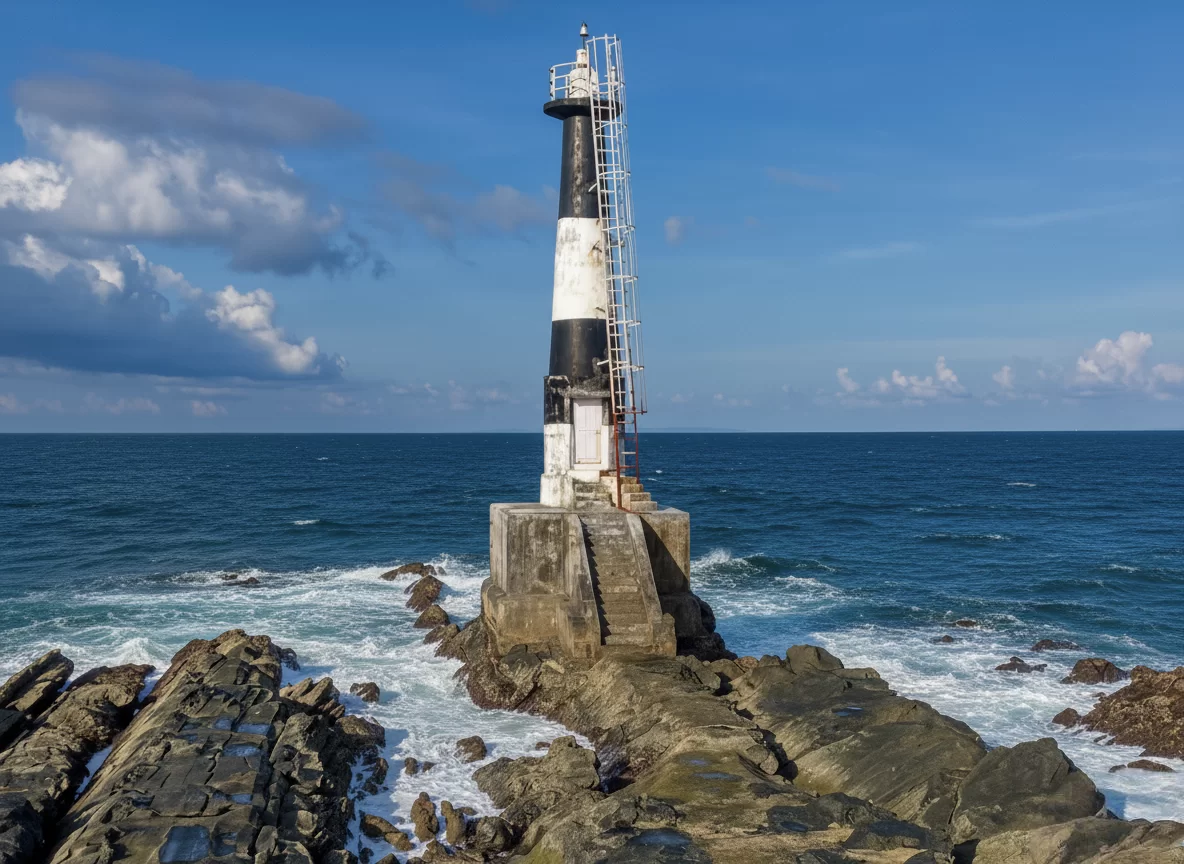
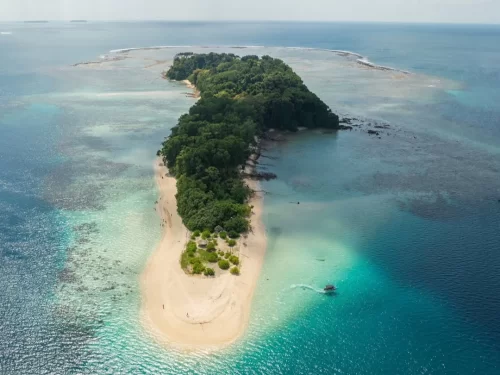
Located a short ferry ride from Port Blair, Ross Island once served as the administrative headquarters of the British in the Andaman Islands. Today, it features remnants of colonial buildings, old churches, bakeries, and officers’ quarters reclaimed by nature. The island is also home to deer and peacocks, offering a unique blend of history, heritage, and coastal charm for visitors exploring the Andaman region.

Quick Facts About Ross Island

Entry Fee 30
Timings 08:30 - 15:00
Altitude (m) 50
Ideal Visit Duration (hrs) 3
Best Time of Day Morning
Crowd Level High
Distance from Port Blair (km) 2
Walking Difficulty Moderate
Parking Available Yes
Last Mile Access Boat
Suitable for Kids Yes
Suitable for Seniors No
Wheelchair Friendly No

Why Visit Ross Island, Port Blair

Atmosphere at Ross Island is hauntingly beautiful and historically evocative, where nature and colonial ruins coexist in striking harmony. Overgrown roots wrap around old British-era buildings, and quiet pathways lead visitors through remnants of a once-thriving administrative settlement. The surrounding turquoise waters and sea breeze create a calm coastal setting, while the abandoned structures evoke reflection and curiosity.

What makes Ross Island special is its layered history as the former administrative headquarters of the British in the Andaman Islands. Visitors can explore the ruins of churches, bakeries, barracks, and government houses that now stand partially reclaimed by nature. The island also hosts friendly deer and peacocks, adding a gentle wildlife element to the exploration. The combination of colonial heritage, natural beauty, and panoramic sea views makes the visit visually compelling and historically meaningful.

Beyond its scenic appeal, Ross Island offers cultural and educational value by narrating stories of colonial governance, wartime occupation, and eventual abandonment. It attracts history enthusiasts, photographers, students, and travelers seeking depth beyond typical beach tourism. The experience leaves visitors with a lasting impression of resilience, transformation, and the powerful interplay between history and nature.

History of Ross Island

Ross Island, officially renamed Netaji Subhas Chandra Bose Island, is located near Port Blair in the Andaman and Nicobar Islands and served as the administrative headquarters of the British colonial government after the establishment of the penal settlement in 1858. The island quickly developed into a well-planned colonial township, housing the Chief Commissioner’s residence, government offices, churches, bakeries, printing presses, and barracks.

During British rule, Ross Island symbolized authority and control over the Andaman penal colony, while prisoners confined in the nearby Cellular Jail were subjected to harsh labor. The island reflected the stark contrast between the administrative elite and the incarcerated freedom fighters. In 1942, during World War II, the Japanese forces occupied the island, leaving behind bunkers and war remnants that remain visible today.

After a major earthquake in 1941 and subsequent wartime damage, the island was gradually abandoned. Today, the ruins of colonial buildings overgrown with trees stand as silent witnesses to its turbulent past. Ross Island remains a historically significant landmark, offering insight into colonial administration, wartime occupation, and the broader narrative of India’s struggle for independence.

Best Time to Visit Ross Island

The best time to visit Ross Island, officially known as Netaji Subhas Chandra Bose Island, depends on weather conditions and sea accessibility, as the island is reached by boat from Port Blair. Seasonal planning ensures a comfortable exploration of its historic ruins and natural surroundings.

October to April is considered the ideal period to visit. During these months, the weather is relatively pleasant with lower humidity and calmer sea conditions, making ferry transfers smooth and sightseeing enjoyable. Clear skies enhance the experience of exploring colonial ruins, scenic viewpoints, and walking trails.

Summer months from April to June can be warm and humid, but early morning visits remain comfortable. This is also a good time for photography, as bright daylight highlights the historic structures and lush greenery.

Monsoon season from May to September brings intermittent rainfall and occasionally rough seas, which may affect boat services. While the island appears vibrant and green during this time, travelers should check weather updates before planning a visit.

  • October to April for pleasant weather and smooth boat access
  • Early mornings recommended for comfortable exploration and photography
  • April to June for clear skies with visits planned during cooler hours
  • May to September for lush greenery, though ferry services may be weather-dependent
  • Weekdays generally offer a quieter and more relaxed experience

How to Reach Ross Island (Netaji Subhas Chandra Bose Island), Port Blair

  • By Air: The nearest airport is Veer Savarkar International Airport, Port Blair, approximately 5 km from the Aberdeen Jetty, which serves as the departure point for Ross Island. Regular flights connect Port Blair with major Indian cities such as Chennai, Kolkata, Delhi, and Bengaluru. Taxis and app-based cabs are available for transfer to the jetty.
  • By Train: There is no railway connectivity to the Andaman Islands. Visitors must first reach Port Blair by air or passenger ship and then proceed to the ferry terminal to access Ross Island.
  • By Road: Ross Island is not directly accessible by road. Travelers must reach Aberdeen Jetty or Water Sports Complex in Port Blair via taxi, auto-rickshaw, or local bus.
  • Local Transport: From Aberdeen Jetty, government-operated and private boats run at regular intervals to Ross Island. Ferry schedules depend on sea conditions and weather, and tickets are available at the counter near the jetty.

What to Expect When You Visit Ross Island

  • Immersive surroundings that reflect the true natural, cultural, or spiritual character of the destination, offering a peaceful and enriching travel experience.
  • Well-maintained visitor pathways and accessible viewing points designed to provide comfortable exploration while preserving the authenticity of the location.
  • Opportunities to engage with local traditions, regional architecture, or natural landscapes, allowing travelers to gain deeper cultural understanding.
  • Scenic photo spots and panoramic viewpoints that highlight the area’s unique beauty throughout different times of the day.
  • Informational boards, guides, or locally available assistance that help visitors learn the historical or environmental importance of the site.
  • Seasonal changes in atmosphere, crowd levels, and visual appeal, ensuring a different yet memorable experience depending on the time of visit.
  • Nearby amenities such as refreshment stalls, rest areas, or small markets offering local flavors and handicrafts.
  • A calm and respectful environment that allows visitors to fully absorb the significance and charm of the destination.

Important Visitor Information and Safety of Ross Island

  • Crowd & Peak Hours: Visitor traffic increases during late mornings, weekends, and holiday seasons. Early ferry slots are usually less crowded and more comfortable for exploration.
  • Weather Notes: The island experiences a warm and humid tropical climate. Sudden rain showers are common during monsoon, and strong sunlight can be intense during midday.
  • Dress Code: Wear light, breathable clothing and comfortable walking shoes suitable for uneven pathways and ruins. Carry sun protection such as hats and sunglasses.
  • Safety Tips: Stay on marked paths, be cautious around old ruins and tree roots, follow ferry safety instructions, and keep belongings secure during your visit.

Photography and Viewpoints at Ross Island

  • The island’s colonial-era ruins, partially reclaimed by giant banyan roots, create dramatic and atmospheric heritage photography opportunities.
  • Panoramic viewpoints along the coastline offer expansive views of the turquoise waters and the Port Blair skyline in the distance.
  • Early morning and late afternoon light enhances the textures of moss-covered walls, arched doorways, and weathered brick structures.
  • Wildlife such as deer and peacocks roaming freely across the island provide engaging nature and candid photography moments.
  • Elevated lighthouse and ridge viewpoints allow wide-angle compositions combining ruins, forest cover, and surrounding sea.
  • Boat approaches to the island provide scenic frames capturing the ruins set against clear blue waters and tropical greenery.

Near By Attraction

Jolly Buoy Island, pristine coral island in Mahatma Gandhi Marine National Park, Andaman known for crystal clear waters and vibrant marine life. Island

Jolly Buoy Island

Jolly Buoy Island is a pristine island in the Andaman Islands known for its vibrant coral reefs and clear waters.

Chidiya Tapu Biological Park Port Blair Andaman with zoo entrance surrounded by tropical forest Wildlife Sanctuary

Chidiya Tapu Biological Park

Chidiya Tapu Biological Park is a wildlife park in South Andaman showcasing native flora and fauna.

Naval Marine Museum Samudrika, informative museum in Port Blair, Andaman showcasing marine life, naval history, and island heritage. Museum

Naval Marine Museum Samudrika

Naval Marine Museum Samudrika is a prominent museum in Port Blair showcasing marine biodiversity and Andaman’s tribal culture.

Frequently Asked Questions About Ross Island

The best time to visit Ross Island is from October to April when the weather is pleasant and sea conditions are more stable. Morning ferry rides usually offer smoother travel and clearer views.
Ross Island can be reached by ferry or boat from the main jetty area. Regular boat services operate during fixed hours depending on weather conditions.
Ross Island requires an entry ticket along with ferry charges. Fees may vary for adults children and foreign visitors.
Most travelers spend two to three hours on Ross Island. The visit includes walking through ruins exploring pathways and enjoying coastal viewpoints.
Ross Island features colonial era ruins old administrative buildings a church structure and open grassy areas overlooking the sea. Informational boards provide context about the historical remains.
Ross Island is suitable for families who are comfortable walking on uneven paths and mild slopes. Visitors should supervise children near old structures and cliff edges.
Guided tours may be available through ferry operators or local guides on Ross Island. Visitors can also explore independently using informational signage.
Ross Island can be visited during monsoon but ferry services may be affected by rough sea conditions. Visitors should check weather updates before planning.
Visitors to Ross Island should carry water sun protection and comfortable walking shoes. Facilities on the island are limited.
Ross Island can be combined with nearby beaches museums and historic sites. These attractions are usually accessible within short boat or road travel distance.

Loved this place ? Let’s Plan Your Andaman and Nicobar Islands Trip

Get customized Andaman and Nicobar Islands tour planning designed around ferry schedules, island connectivity, seasonal sea conditions, and realistic travel flow between islands. Whether you are visiting for beach relaxation, water sports, snorkeling, scu

⚡ Quick Response | 💰 Free consultation | 🕒 24×7 expert support

×

Plan Your Trip