+91 9910402252
admin@chalbanjare.com



| Entry Fee | 50 |
| Timings | 08:00 - 14:00 |
| Altitude (m) | 0 |
| Ideal Visit Duration (hrs) | 4 |
| Best Time of Day | Morning |
| Crowd Level | High |
| Distance from Port Blair (km) | 29 |
| Walking Difficulty | Easy |
| Parking Available | Yes |
| Last Mile Access | Boat |
| Suitable for Kids | Yes |
| Suitable for Seniors | No |
| Wheelchair Friendly | No |
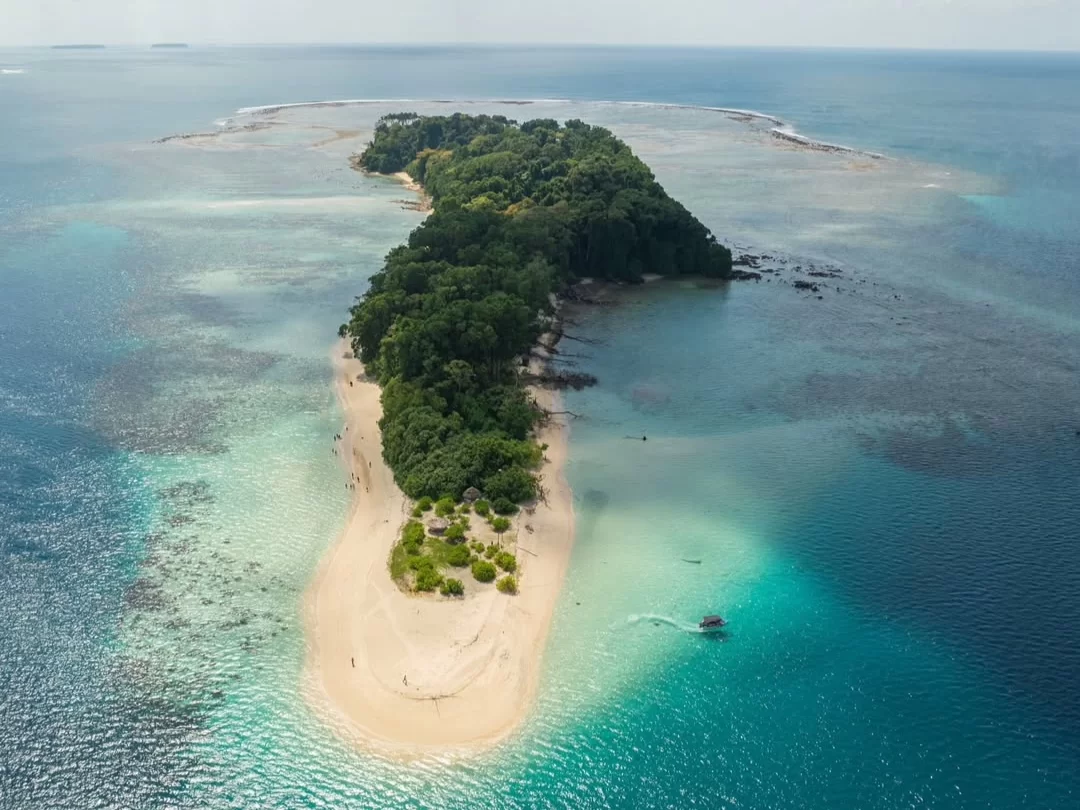
Atmosphere at Jolly Buoy Island is pristine and crystal-clear, offering one of the most unspoiled marine experiences in the Andaman Islands. The island is part of the Mahatma Gandhi Marine National Park and is strictly regulated to preserve its fragile ecosystem. With powdery white sand, transparent turquoise waters, and minimal commercial activity, the environment feels untouched and serene, making it ideal for travelers seeking pure natural beauty.
What makes Jolly Buoy Island special is its exceptional coral reefs and underwater visibility. The island is renowned for glass-bottom boat rides and snorkeling opportunities that allow visitors to witness vibrant coral formations and diverse marine life in remarkably clear water. Since plastic is prohibited and visitor numbers are controlled, the marine ecosystem remains well-preserved, enhancing the authenticity of the experience. Seasonal access restrictions further protect the coral habitat, ensuring sustainability.
Beyond its scenic charm, Jolly Buoy Island offers strong ecological value by showcasing the importance of marine conservation in the Andaman region. It attracts marine enthusiasts, photographers, and nature lovers who appreciate responsible tourism. The visit leaves guests with lasting impressions of untouched island beauty and a deeper respect for the delicate coral ecosystems beneath the surface.
Jolly Buoy Island, located within Mahatma Gandhi Marine National Park in the Andaman and Nicobar Islands, forms part of the protected marine ecosystem declared in 1983 under India’s Wildlife Protection Act of 1972. Historically, the island remained largely untouched due to its remote location and absence of permanent settlements, preserving its coral reefs and coastal forests even during British colonial expansion in the region.
During the colonial period, surrounding waters were mapped for navigation as Port Blair developed into a strategic maritime outpost. However, Jolly Buoy Island itself was never transformed into an administrative or settlement zone, allowing its natural marine environment to remain intact over decades.
In the post-independence era, the island became a regulated eco-tourism destination known for its crystal-clear waters and vibrant coral reefs. Strict visitor controls, seasonal openings, and bans on plastic reflect its conservation-driven management. Today, Jolly Buoy Island stands as a key example of India’s marine protection efforts while remaining historically linked to the broader environmental evolution of the Andaman Islands.
The best time to visit Jolly Buoy Island depends on sea conditions, underwater visibility, and seasonal access regulations, as the island is part of Mahatma Gandhi Marine National Park near Wandoor. Proper timing ensures a smooth ferry ride and the best coral viewing experience.
October to April is considered the ideal period to visit. During these months, the weather is pleasant with calmer seas and clear water visibility, making it perfect for snorkeling and glass-bottom boat rides. Marine life and coral reefs are best observed during this season.
Summer months from April to June can be warm and humid, but morning departures remain comfortable. Clear skies during this period often provide good underwater visibility for coral exploration.
Monsoon season from May to September brings heavy rainfall and rough sea conditions. Ferry services may be restricted or temporarily suspended depending on weather advisories. Travelers planning during this time should check official updates, as island access is regulated and sometimes seasonally rotated with Red Skin Island.
 Museum
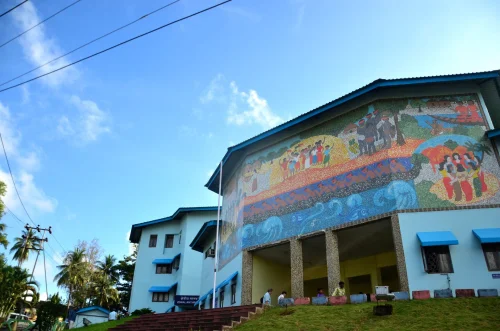
Zonal Anthropological Museum is a government museum located in Port Blair, Andaman and Nicobar Islands, India.
 Garden
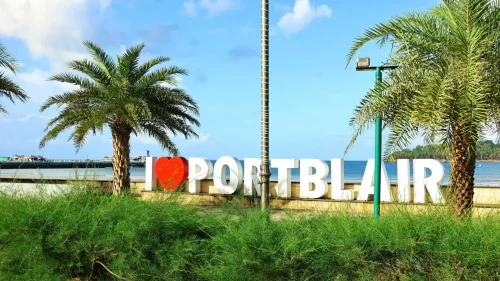
Marina Park is a public waterfront park located along the coastline in Port Blair, Andaman and Nicobar Islands, India.
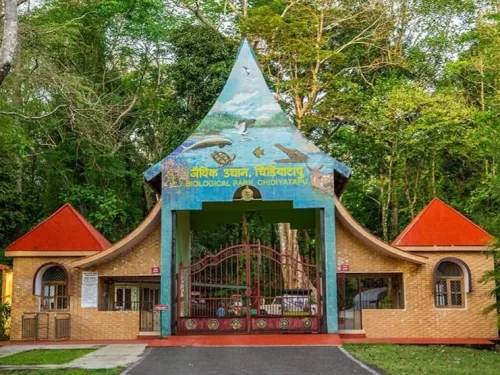 Wildlife Sanctuary
Chidiya Tapu Biological Park is a wildlife park in South Andaman showcasing native flora and fauna.
Get customized Andaman and Nicobar Islands tour planning designed around ferry schedules, island connectivity, seasonal sea conditions, and realistic travel flow between islands. Whether you are visiting for beach relaxation, water sports, snorkeling, scu
⚡ Quick Response | 💰 Free consultation | 🕒 24×7 expert support

