+91 9910402252
admin@chalbanjare.com


| Entry Fee | 50 |
| Timings | 08:00 - 16:00 |
| Altitude (m) | 0 |
| Ideal Visit Duration (hrs) | 4 |
| Best Time of Day | Morning |
| Crowd Level | High |
| Distance from Port Blair (km) | 29 |
| Walking Difficulty | Easy |
| Parking Available | Yes |
| Last Mile Access | Boat |
| Suitable for Kids | Yes |
| Suitable for Seniors | Yes |
| Wheelchair Friendly | No |
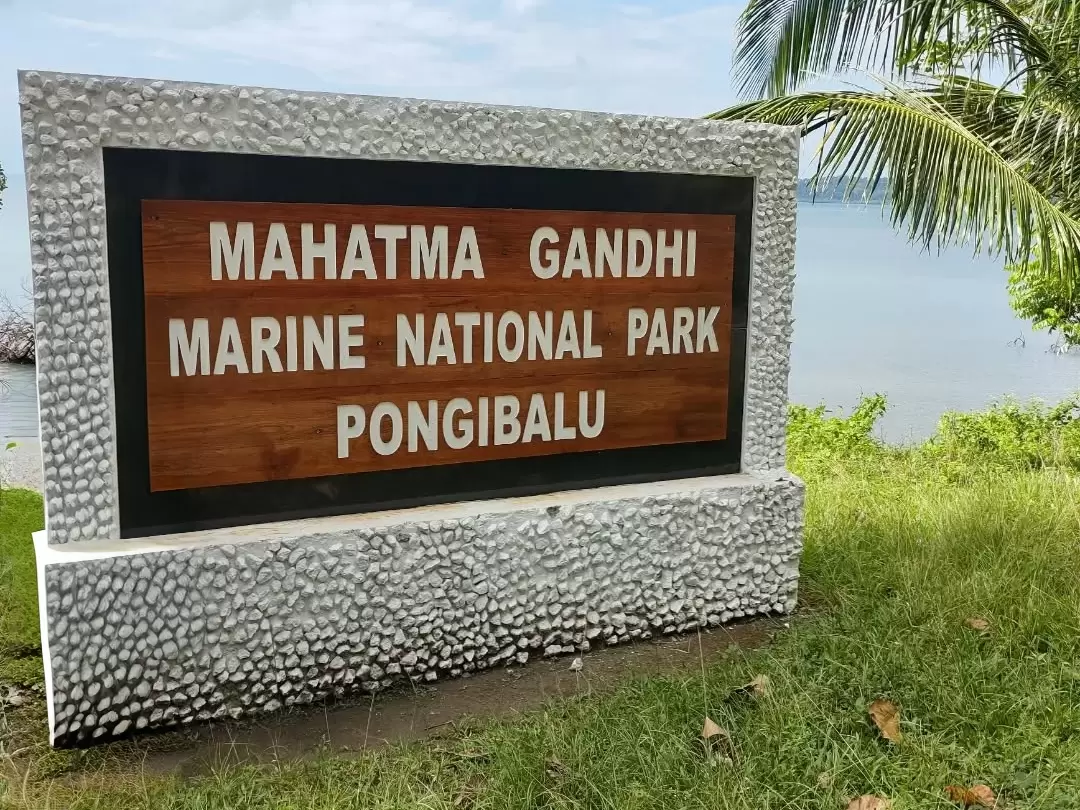
Atmosphere at Mahatma Gandhi Marine National Park is pristine and ecologically rich, offering visitors a rare opportunity to experience the untouched beauty of the Andaman Sea. The clear turquoise waters, protected coral reefs, and quiet island surroundings create a serene yet vibrant marine environment. The park’s regulated access and conservation focus ensure that the natural ecosystem remains preserved, allowing visitors to explore responsibly.
What makes Mahatma Gandhi Marine National Park special is its remarkable marine biodiversity and protected island ecosystems. Spread across several islands near Wandoor, the park is home to colorful coral reefs, tropical fish, sea turtles, and diverse marine flora and fauna. Visitors can enjoy glass-bottom boat rides and guided experiences that reveal the underwater world without disturbing it. The combination of crystal-clear waters, white sandy beaches, and thriving coral habitats makes it one of the most significant marine conservation areas in India.
Beyond its scenic appeal, the national park holds strong ecological and educational significance by promoting marine conservation and awareness. It attracts nature enthusiasts, marine researchers, photographers, and responsible travelers seeking an authentic coastal experience. The visit offers both visual delight and meaningful insight into the fragile yet vibrant marine ecosystems of the Andaman Islands.
Mahatma Gandhi Marine National Park, located in the Wandoor region of the Andaman and Nicobar Islands, was officially established in 1983 to protect the region’s fragile marine ecosystems. The park was created under the Wildlife Protection Act of 1972 as part of India’s broader environmental conservation initiatives aimed at preserving coral reefs, mangroves, and diverse marine life.
Before its declaration as a national park, the surrounding islands and coastal waters were historically used for fishing and limited forest-based activities during the colonial and early post-independence periods. Recognizing the ecological importance of the area, the government designated it as a protected zone to prevent overexploitation and safeguard biodiversity.
Today, Mahatma Gandhi Marine National Park stands as a significant example of India’s marine conservation efforts, encompassing several islands such as Jolly Buoy and Red Skin. It continues to play a crucial role in ecological research, environmental education, and sustainable tourism while preserving the natural heritage of the Andaman Islands.
The best time to visit Mahatma Gandhi Marine National Park depends on sea conditions, visibility for marine activities, and overall weather comfort. Located near Wandoor in the Andaman Islands, the park is known for coral reefs, mangroves, and pristine island ecosystems, making seasonal planning essential.
October to April is considered the ideal period to visit. During these months, the weather is relatively pleasant with calmer seas and clearer water visibility, making it perfect for glass-bottom boat rides, snorkeling, and island exploration. Ferry services operate more reliably during this season.
Summer months from April to June can be warm and humid, but morning visits remain comfortable for marine activities. Clear skies during this period offer good underwater visibility for coral and marine life observation.
Monsoon season from May to September brings heavy rainfall and rough sea conditions, which may lead to temporary suspension of boat services and restricted access to certain islands within the park. While the mangroves and forests appear lush and vibrant, visitors should check weather updates and official advisories before planning.
 Museum
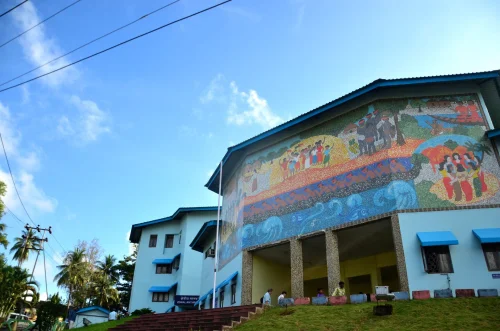
Zonal Anthropological Museum is a government museum located in Port Blair, Andaman and Nicobar Islands, India.
 Garden
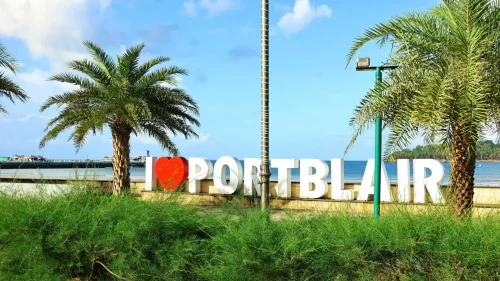
Marina Park is a public waterfront park located along the coastline in Port Blair, Andaman and Nicobar Islands, India.
 Island
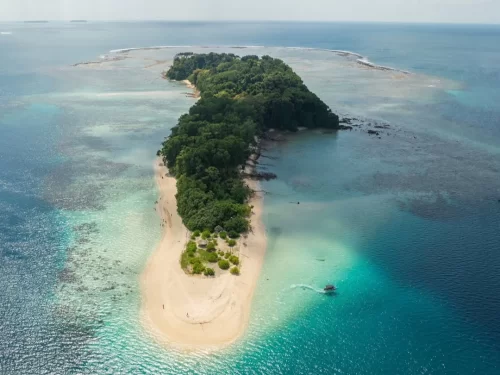
Jolly Buoy Island is a pristine island in the Andaman Islands known for its vibrant coral reefs and clear waters.
Get customized Andaman and Nicobar Islands tour planning designed around ferry schedules, island connectivity, seasonal sea conditions, and realistic travel flow between islands. Whether you are visiting for beach relaxation, water sports, snorkeling, scu
⚡ Quick Response | 💰 Free consultation | 🕒 24×7 expert support

