Padmaja Naidu Himalayan Zoological Park, Darjeeling – Famous Himalayan High-Altitude Zoo

Padmaja Naidu Himalayan Zoological Park , Darjeeling
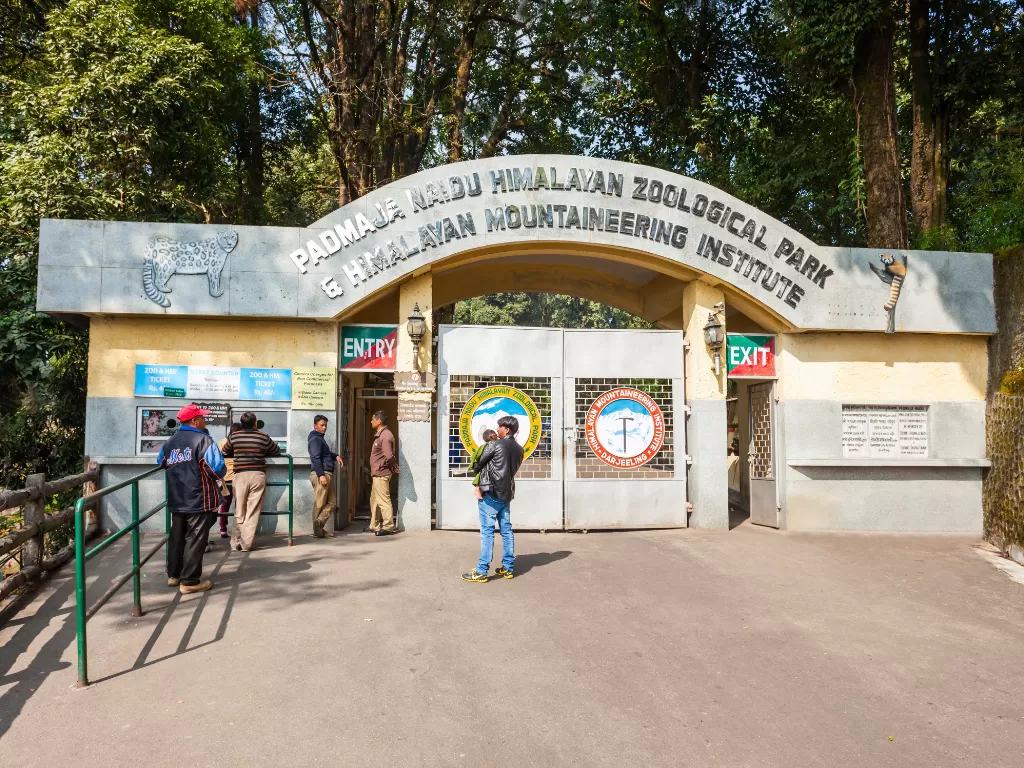
Located near Jawahar Parbat in Darjeeling, Padmaja Naidu Himalayan Zoological Park is one of India’s largest and highest zoological parks. Spread across a scenic Himalayan landscape, the zoo focuses on the conservation and breeding of endangered mountain species such as the Red Panda, Snow Leopard, Himalayan Wolf, and Tibetan Wolf. The enclosures are designed to replicate natural habitats, making the park both an educational and eco-friendly attraction. It is a must-visit destination for wildlife enthusiasts, families, and nature lovers exploring Darjeeling.

Quick Facts About Padmaja Naidu Himalayan Zoological Park

Entry Fee 100
Timings 08:30 - 16:00
Altitude (m) 2134
Ideal Visit Duration (hrs) 3
Best Time of Day Morning
Crowd Level Moderate
Distance from Darjeeling (km) 2
Walking Difficulty Moderate
Parking Available No
Last Mile Access Walk
Suitable for Kids Yes
Suitable for Seniors No
Wheelchair Friendly No

Why Visit Padmaja Naidu Himalayan Zoological Park

Why Visit: Padmaja Naidu Himalayan Zoological Park offers a rare opportunity to observe endangered Himalayan wildlife in an environment that closely resembles their natural mountain habitat. Unlike conventional zoos, the park emphasizes conservation, research, and ethical breeding programs, making it an educational and meaningful experience for visitors.

Atmosphere: Set amidst dense forests and cool Himalayan air, the zoo provides a calm and refreshing atmosphere away from the busy town center. The peaceful walking trails, chirping birds, and scenic mountain surroundings create a nature-rich experience that feels more like a wildlife sanctuary than a zoo.

What Makes it Special: The zoo is internationally recognized for its successful breeding and conservation of rare species such as the Red Panda, Snow Leopard, and Himalayan Wolf. Its high-altitude location, naturalistic enclosures, and strong focus on wildlife preservation make it one of the most respected zoological parks in India and a standout attraction in Darjeeling.

History of Padmaja Naidu Himalayan Zoological Park

Padmaja Naidu Himalayan Zoological Park was established in the year 1958 with the primary objective of conserving rare and endangered Himalayan fauna. Named after Padmaja Naidu, the former Governor of West Bengal and daughter of renowned freedom fighter Sarojini Naidu, the park was envisioned as a center for high-altitude wildlife conservation rather than a conventional zoo.

Over the decades, the zoological park has gained international recognition for its successful captive breeding programs, particularly for species such as the Red Panda and Snow Leopard. These programs have contributed significantly to wildlife research and conservation efforts across India and neighboring Himalayan regions.

Located at a natural elevation suitable for mountain species, the park was carefully developed to replicate alpine habitats, allowing animals to thrive in conditions similar to their native environment. Today, it stands as one of India’s most important conservation-oriented zoological institutions, playing a vital role in education, research, and species preservation.

Best Time to Visit Padmaja Naidu Himalayan Zoological Park

The best time to visit Padmaja Naidu Himalayan Zoological Park is during the cooler months when the weather is pleasant and the animals are most active. Clear skies, comfortable temperatures, and lush surroundings make these months ideal for exploring the park on foot and observing Himalayan wildlife in a natural setting.
  • March to May: One of the best periods to visit, with mild temperatures, blooming vegetation, and excellent animal activity.
  • October to November: Post-monsoon months offer clear weather, fresh mountain air, and good visibility across the park.
  • Early Morning Hours: Visiting soon after opening time increases chances of spotting animals like Red Pandas and Snow Leopards when they are most active.
  • Winter Months (December to February): Cold but rewarding; fewer crowds and a peaceful atmosphere, though warm clothing is essential.
  • Monsoon Season (June to September): Heavy rainfall may make walking trails slippery and reduce visibility; visits during this time are less recommended.

How to Reach Padmaja Naidu Himalayan Zoological Park

  • By Air: The nearest airport is Bagdogra Airport (IXB), located about 90 km from Darjeeling. From the airport, visitors can hire a private taxi or use shared cabs to reach Darjeeling town. The journey takes approximately 3 to 4 hours through scenic hill roads. From Darjeeling town, the zoo is a short drive away.
  • By Train: New Jalpaiguri (NJP) is the nearest major railway station, around 88 km from Darjeeling. From NJP, taxis and shared jeeps are readily available for Darjeeling. The road journey offers panoramic views of tea gardens and mountain valleys.
  • By Road: Darjeeling is well-connected by road to Siliguri, Kalimpong, and nearby towns. Regular taxis, shared jeeps, and buses operate from Siliguri to Darjeeling. Once in Darjeeling, the zoo is easily accessible by local taxi.
  • From Darjeeling Town: Padmaja Naidu Himalayan Zoological Park is located about 2 km from Darjeeling Mall (Chowrasta). Local taxis can drop visitors close to the entrance, followed by a short walk.
  • Travel Tips: Morning visits are recommended to avoid traffic and crowds. Wearing comfortable footwear is advisable due to hilly terrain and walking inside the park.

What to Expect When You Visit Padmaja Naidu Himalayan Zoological Park

  • Natural Habitat Enclosures: Visitors can expect spacious, open enclosures designed to closely resemble the natural alpine habitats of Himalayan wildlife, offering a more ethical and immersive zoo experience.
  • Rare Himalayan Species: The park is home to endangered animals such as the Red Panda, Snow Leopard, Himalayan Wolf, Tibetan Wolf, Himalayan Black Bear, and Siberian Tiger, making wildlife sightings both exciting and educational.
  • Scenic Walking Trails: The zoo features well-marked walking paths surrounded by forests and mountain views. Expect moderate walking on sloped terrain, so comfortable footwear is recommended.
  • Educational Experience: Informative signboards and exhibits provide insights into animal behavior, conservation efforts, and breeding programs, making the visit engaging for students and families.
  • Cool Mountain Climate: The high-altitude location ensures pleasant weather during most of the year, though mornings and winters can be chilly.
  • Peaceful Atmosphere: Compared to city attractions, the zoo offers a calm, nature-filled environment ideal for slow exploration, photography, and learning.

Important Visitor Information

  • Crowd & Weather Notes: The zoological park experiences moderate crowds during peak tourist seasons, especially from March to May and October to November. Weather remains cool throughout the year due to high altitude, with colder mornings and evenings. During monsoon months, rainfall can make walking trails damp and slippery.
  • Peak / Quiet Hours: Peak hours are typically between 10:00 AM and 01:00 PM when tour groups arrive. Quiet hours are early morning soon after opening, offering a more peaceful experience and better chances of animal sightings.
  • Dress Code: No formal dress code is required. Visitors are advised to wear comfortable walking shoes and layered clothing. Light jackets are recommended even in summer due to cool mountain temperatures.
  • Safety Notes: Follow marked walking paths and avoid leaning over enclosure barriers. Supervise children at all times. The terrain is uneven in places, so elderly visitors should take breaks as needed. During monsoon season, extra caution is advised due to slippery surfaces.

Photography and Viewpoint

  • Wildlife Photography Opportunities: The zoological park offers excellent opportunities to photograph rare Himalayan species such as the Red Panda, Snow Leopard, and Himalayan Black Bear in spacious, naturalistic enclosures. Morning hours provide the best light and increased animal activity.
  • Natural Landscape Backdrops: Surrounded by dense forests and rolling Himalayan slopes, the park allows photographers to capture wildlife against scenic mountain and woodland backgrounds rather than artificial settings.
  • Best Lighting Conditions: Soft daylight during early morning and late afternoon enhances image quality, minimizing harsh shadows and allowing for detailed wildlife and landscape shots.
  • Viewing Points Along Trails: Designated viewing areas along walking trails offer clear sightlines into enclosures while maintaining safe distances. These spots are ideal for steady framing and patient observation.
  • Photography Guidelines: Flash photography is discouraged as it may disturb animals. Long lenses are recommended for close-up shots without approaching enclosures. Tripods may be restricted in narrow pathways during busy hours.
  • Seasonal Visual Experience: Spring and post-monsoon months provide lush greenery, while winter offers crisp air and clear visibility, enhancing both wildlife and landscape photography.

Near By Attraction

Snow-capped Kanchenjunga range from Tiger Hill in Darjeeling during clear morning, featuring blue sky and Himalayan peaks, perfect Sikkim tour package Mountain

Kangchenjunga

Kangchenjunga is the world’s third-highest mountain, renowned for its towering presence, breathtaking vistas, and spiritual significance in Sikkim and the surrounding Himalayas.

Lush tea garden view in Darjeeling, West Bengal, with rolling green plantations and mist-covered hills, a scenic highlight often featured in West Bengal tour packages. Scenic Drive

Tea Garden View

Tea Garden View is a popular spot near Darjeeling offering panoramic views of lush tea estates and distant Himalayan peaks.

Dali Monastery in Darjeeling during cloudy daytime, featuring grand Tibetan architecture and mountain backdrop, perfect spiritual Darjeeling tour package Monastery

Dali Monastery

Dali Monastery is a peaceful Tibetan Buddhist monastery near Darjeeling, known for its spiritual ambiance, panoramic mountain views, and vibrant monastic life.

Frequently Asked Questions About Padmaja Naidu Himalayan Zoological Park

Padmaja Naidu Himalayan Zoological Park charges a nominal entry fee for visitors. The zoo is located in Darjeeling West Bengal and ticket rates may vary for adults children and combined access with nearby attractions.
Padmaja Naidu Himalayan Zoological Park is generally open from morning until late afternoon and remains closed on certain weekly days. Visitors should confirm current timings before planning their visit in Darjeeling.
Padmaja Naidu Himalayan Zoological Park is situated in the Jawahar Parbat area of Darjeeling town. Visitors can reach it easily by taxi private vehicle or local transport within a short uphill drive.
The best time to visit Padmaja Naidu Himalayan Zoological Park is between October and April when the weather in Darjeeling West Bengal is cooler and more comfortable for walking. Monsoon months may bring rainfall and slippery paths.
Most visitors spend two to three hours at Padmaja Naidu Himalayan Zoological Park due to its spread out enclosures and uphill pathways. The duration may vary depending on interest in wildlife exhibits.
Padmaja Naidu Himalayan Zoological Park provides limited parking space near the entrance area. During peak tourist season in Darjeeling parking may become crowded by late morning.
Padmaja Naidu Himalayan Zoological Park is known for housing high altitude species such as snow leopards red pandas Himalayan wolves and Tibetan wolves. The zoo focuses on conservation and breeding of Himalayan wildlife.
Padmaja Naidu Himalayan Zoological Park is suitable for families with children though the terrain includes slopes and stairs. Senior citizens should be prepared for moderate walking within the premises.
Padmaja Naidu Himalayan Zoological Park offers basic restroom facilities inside the campus. Food options are limited so visitors often plan meals in Darjeeling town before or after the visit.
Padmaja Naidu Himalayan Zoological Park experiences cool and misty weather for most of the year due to its elevation. Even during summer in West Bengal mornings and evenings can feel chilly.

Loved this place ? Let’s Plan Your West Bengal Trip

Plan your West Bengal trip with customized itineraries, local insights, and expert support designed for a smooth and enriching travel experience

⚡ Quick Response | 💰 Free consultation | 🕒 24×7 expert support

×

Plan Your Trip