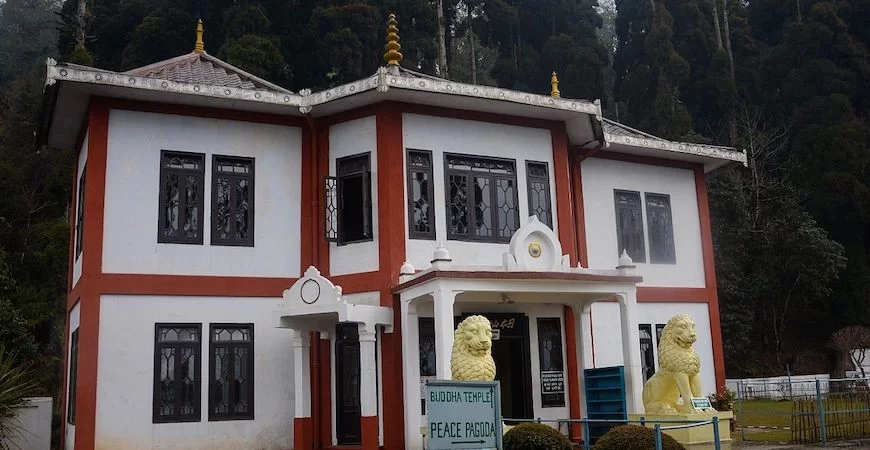
Japanese Buddhist Temple (Nipponzan Myohoji Temple), Darjeeling, West Bengal, India

Japanese Buddhist Temple , Darjeeling
Visitors come to the temple to observe daily Buddhist prayers, see traditional Japanese architecture, and experience a peaceful hilltop setting. It is frequently visited along with the nearby Peace Pagoda during sightseeing tours of Darjeeling.

Quick Facts About Japanese Buddhist Temple

Japanese Buddhist Temple, Darjeeling, West Bengal Quick Facts

Entry Fee No entry fee
Timings 4:30 AM – 6:00 PM (daily)
Altitude (m) Approximately 2,130 m above sea level
Ideal Visit Duration 30–60 minutes
Best Time of Day Morning for peaceful prayers and fewer crowds
Crowd Level Low to moderate; busiest during weekends and holidays
Distance from City Centre (km) Approximately 3 km from Darjeeling town centre
Walking Difficulty Easy; short uphill walk from the parking area
Parking Available Yes, limited parking is available nearby
Last Mile Access Accessible by road followed by a brief walk to the temple entrance
Suitable for Kids Yes
Suitable for Seniors Yes
Wheelchair Friendly Partially accessible; the temple grounds have some steps and sloping pathways

Why Visit Japanese Buddhist Temple, Darjeeling, West Bengal

Visitors come to the Japanese Buddhist Temple in Darjeeling to experience a peaceful place of worship known for its simple architecture and daily Buddhist prayer ceremonies. It is a popular stop for travelers seeking a quieter spiritual attraction away from the town's busy center.

The on-ground atmosphere is calm and meditative, with rhythmic chanting, prayer drums, and a hillside setting overlooking the surrounding mountains. Visitors are welcome to observe prayer sessions and spend time in the serene temple grounds.

What makes the Japanese Buddhist Temple distinct is its Nipponzan Myohoji Buddhist tradition and its focus on peace and non-violence, reflected in its tranquil environment. Its location near the Peace Pagoda allows travelers to combine two significant spiritual landmarks in a single visit.

History of Japanese Buddhist Temple, Darjeeling, West Bengal

The Japanese Buddhist Temple, also known as Nipponzan Myohoji Temple, was established in 1972 by Nichidatsu Fujii, a Japanese Buddhist monk and founder of the Nipponzan Myohoji order. The temple was built to promote the principles of peace, non-violence, and harmony through the teachings of Buddhism.

Constructed in traditional Japanese architectural style, the temple has become an important spiritual center in Darjeeling. It is closely associated with the nearby Peace Pagoda, both serving as symbols of world peace and interfaith understanding.

Today, the Japanese Buddhist Temple welcomes devotees and visitors from around the world, offering a peaceful environment for prayer, meditation, and reflection while showcasing the cultural ties between Japan and the Himalayan region.

Best Time to Visit Japanese Buddhist Temple, Darjeeling, West Bengal

The Japanese Buddhist Temple in Darjeeling is best visited during the cooler and drier months when the peaceful surroundings, mountain views, and serene atmosphere are ideal for meditation, prayer, and sightseeing.
  • Ideal Months: October to April is the most suitable period for visiting the temple, offering pleasant weather for exploring the monastery and nearby attractions.
  • Weather Conditions: These months generally feature cool to mildly cold temperatures, clear skies, and comfortable conditions that enhance the spiritual ambiance and scenic views.
  • Periods to Avoid: June to September should be avoided due to heavy monsoon rainfall, dense fog, and slippery roads that can affect travel and reduce visibility.

How to Reach Japanese Buddhist Temple, Darjeeling, West Bengal

  • By Air: The nearest airport is Bagdogra Airport, located approximately 70 km from the Japanese Buddhist Temple. From the airport, taxis and private cabs are readily available for the drive to Darjeeling.
  • By Train: New Jalpaiguri (NJP) Railway Station is the nearest major railhead, about 65 km away. Travelers can hire private taxis or board shared jeeps from NJP or Siliguri to reach Darjeeling town.
  • By Road: The Japanese Buddhist Temple (Nipponzan Myohoji Temple) is situated on Jalapahar Road, around 2.5–3 km from Chowrasta (Mall Road). It is easily accessible by local taxis or private vehicles, followed by a short walk from the parking area. The uphill approach is well maintained, but traffic congestion during peak tourist seasons and reduced visibility during monsoon or winter fog can increase travel time.

What to Expect When You Visit Japanese Buddhist Temple, Darjeeling, West Bengal

  • The Japanese Buddhist Temple is a peaceful hilltop monastery in Darjeeling, surrounded by pine trees, landscaped gardens, and panoramic views of the surrounding Himalayan hills.
  • The atmosphere is quiet and spiritual, with prayer halls, traditional Japanese architecture, rhythmic prayer drum chanting, and a serene environment ideal for reflection and meditation.
  • Basic facilities include seating areas, a small prayer space, and nearby parking. Restaurants, cafés, and other visitor amenities are available within a short drive in Darjeeling town.
  • Access is easy by road from central Darjeeling, followed by a short walk through well-maintained pathways to reach the temple complex.
  • Visitors typically spend 30–45 minutes exploring the temple grounds, observing prayer rituals, enjoying the peaceful surroundings, and taking photographs of the architecture and scenic views.
  • Crowd levels are generally low to moderate, with a calm atmosphere maintained even during peak tourist seasons due to the temple's spacious grounds.
  • Visitors should expect cool weather, occasional fog, and a respectful dress code inside prayer areas. Quiet behavior and appropriate footwear for walking on sloping paths are recommended.

Important Visitor Information for Japanese Buddhist Temple, Darjeeling, West Bengal

  • The temple experiences moderate crowds year-round, with increased visitors during weekends, Buddhist festivals, and peak tourist seasons (April–June and October–December).
  • Morning hours provide the most peaceful atmosphere for meditation, prayer, and enjoying panoramic views before larger tour groups arrive.
  • Darjeeling's weather remains cool throughout the year, while monsoon months (June–September) often bring rain and mist around the temple grounds.
  • Visitors are expected to dress modestly, remove footwear before entering prayer areas, and maintain silence inside the temple premises.
  • Photography is generally allowed in outdoor areas, but visitors should respect any restrictions inside prayer halls and during religious ceremonies.
  • Walk carefully on stairways and pathways during rainy weather, as moss-covered surfaces can become slippery.

Photography and Viewpoints at Japanese Buddhist Temple, Darjeeling, West Bengal

  • The best photography spot is the temple courtyard, where visitors can capture the elegant white pagoda, peaceful surroundings, and beautifully maintained gardens.
  • The upper terraces and open spaces around the temple offer scenic views of Darjeeling town, forested hills, and, on clear days, distant Himalayan peaks.
  • Early morning provides soft natural light and a tranquil atmosphere, making it the ideal time for architectural, landscape, and spiritual photography.
  • Photography is generally permitted in the outdoor areas, but visitors should seek permission before taking photographs inside prayer halls or during religious ceremonies.
  • The temple's white structure contrasts beautifully with the surrounding greenery, especially during the clear post-monsoon months from October to December.
  • Maintain silence, avoid obstructing worshippers, and refrain from using flash photography inside sacred spaces to preserve the peaceful environment.
  • Weekday mornings are usually less crowded, allowing visitors to enjoy uninterrupted photography and a more serene temple experience.

Near By Attraction

Gombu Rock Tourist Attraction

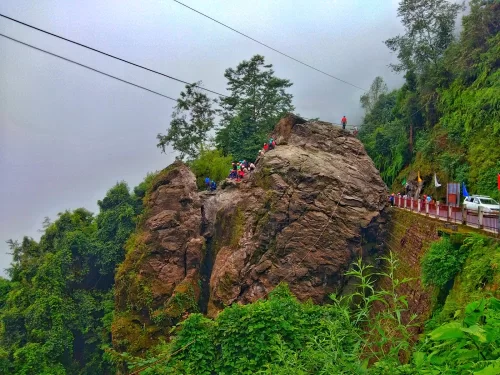
Gombu Rock

Gombu Rock is a natural rock climbing site located near the Himalayan Mountaineering Institute in Darjeeling.

Tenzing Rock Hmi Tourist Attraction

Tenzing Rock Hmi

Tenzing Rock and the Himalayan Mountaineering Institute are two prominent adventure and mountaineering landmarks in Darjeeling.
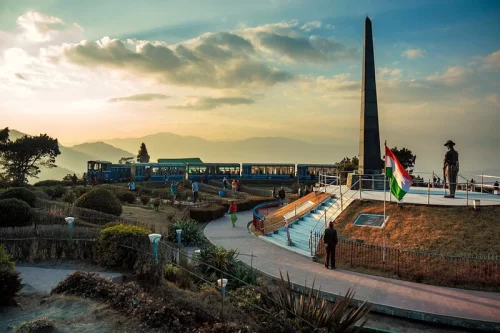
Batasia loop war memorial Memorial

Batasia loop war memorial

Batasia Loop War Memorial is a railway loop and memorial located in Darjeeling, built on the Darjeeling Himalayan Railway route.

Frequently Asked Questions About Japanese Buddhist Temple

The Japanese Buddhist Temple is located on Jalapahar Road about 3 kilometers from Darjeeling town center and is commonly visited with the nearby Peace Pagoda.
No entry fee is charged for visiting the Japanese Buddhist Temple making it accessible for all visitors.
The temple is generally open daily from 430 AM to 600 PM.
Most travelers spend around 30 to 60 minutes exploring the temple and surrounding grounds.
October to April is considered the most comfortable period with clear weather and pleasant temperatures.
You can reach it by local taxi or private vehicle from Darjeeling followed by a short walk from the parking area.
Yes it is suitable although there are some sloping paths and steps.
Yes families with children can comfortably visit the temple.
Photography is generally allowed outdoors but permission should be sought before photographing inside prayer halls.
Yes limited parking is available near the temple.
Visitors should wear modest clothing maintain silence and remove footwear where required.
Heavy rainfall fog and slippery roads during June to September can affect travel and visibility.

Loved this place ? Let’s Plan Your West Bengal Trip

Plan your West Bengal trip with customized itineraries, local insights, and expert support designed for a smooth and enriching travel experience

⚑ Quick Response | πŸ’° Free consultation | πŸ•’ 24Γ—7 expert support

×

Plan Your Trip