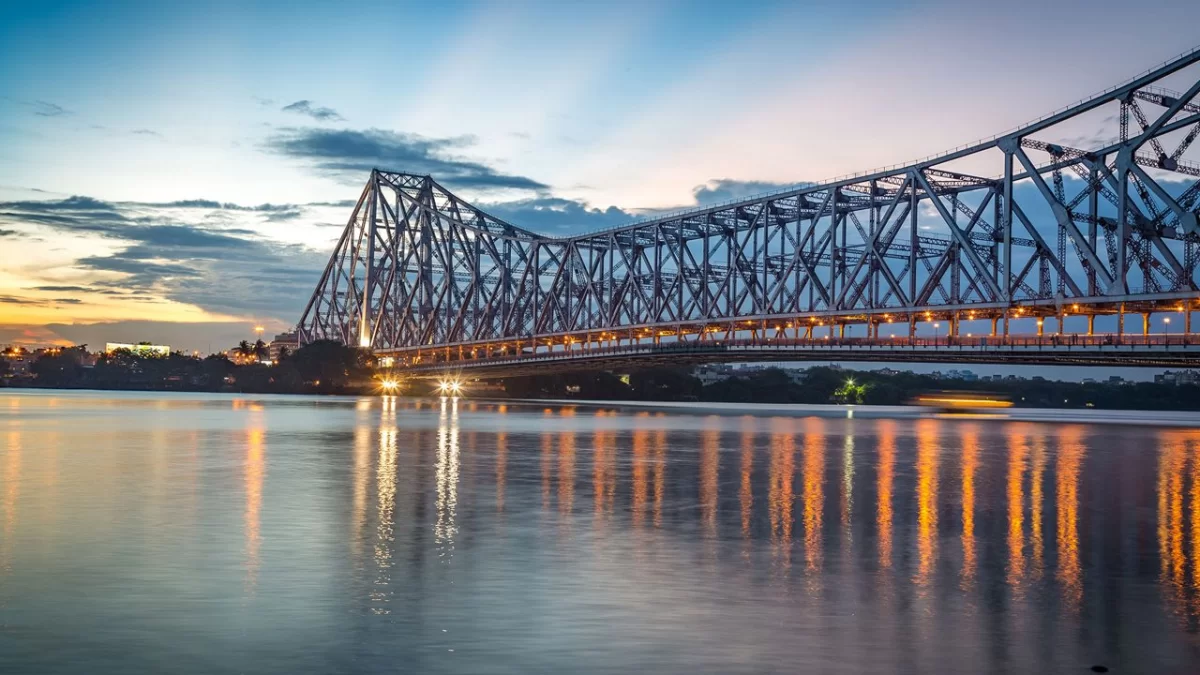
Howrah Bridge, Kolkata, West Bengal, India

Howrah Bridge , Kolkata
Visitors come to see one of India’s most recognizable engineering landmarks, observe the bustling activity along the riverfront, and experience a structure that has been central to Kolkata’s transport network since 1943. The bridge is a prominent symbol of the city and a popular location for photography and sightseeing.

Quick Facts About Howrah Bridge

Howrah Bridge Quick Facts

Entry Fee No entry fee
Timings Accessible 24 hours a day; pedestrian and vehicular movement operates continuously.
Altitude (m) Approximately 9 m above sea level
Ideal Visit Duration 30–60 minutes
Best Time of Day Early morning for lighter traffic or evening when the bridge is illuminated.
Crowd Level Very high; it is one of the busiest cantilever bridges in India with constant pedestrian and vehicle traffic.
Distance from City Centre (km) Approximately 3 km from central Kolkata (B.B.D. Bagh area).
Walking Difficulty Easy; pedestrian walkways are available on both sides of the bridge.
Parking Available No dedicated parking on the bridge; parking is available in nearby areas around Howrah Station and B.B.D. Bagh.
Last Mile Access Direct access via road, local trains, metro, buses, ferries, and taxis from both Kolkata and Howrah sides.
Suitable for Kids Yes, with supervision due to heavy traffic.
Suitable for Seniors Yes
Wheelchair Friendly Partially; pedestrian pathways are accessible, though heavy crowds may affect mobility.

Why Visit Howrah Bridge Kolkata

Visitors come to Howrah Bridge to witness one of Kolkata’s most iconic landmarks and experience a vital engineering structure that connects the city with Howrah across the Hooghly River.

The atmosphere is energetic and distinctly urban, with constant movement of vehicles, pedestrians, river traffic, and nearby market activity reflecting the rhythm of daily life in Kolkata.

What makes Howrah Bridge distinct is its massive cantilever design, its status as one of the busiest bridges in India, and its enduring role as a symbol of Kolkata’s identity and architectural heritage.

History of Howrah Bridge

Howrah Bridge, officially known as Rabindra Setu, is one of Kolkata's most iconic landmarks and a remarkable feat of engineering. The bridge was constructed to connect Kolkata with Howrah across the Hooghly River, replacing an earlier pontoon bridge that could no longer accommodate the growing volume of traffic.

Construction of the cantilever bridge began in the 1930s, and it was opened to the public in 1943 during the Second World War. Built without nuts and bolts and using riveted steel construction, the bridge was considered one of the largest cantilever bridges in the world at the time of its completion.

For decades, Howrah Bridge has served as a vital transportation link and a symbol of Kolkata's industrial, commercial, and cultural significance. Today, it remains one of India's most recognizable structures and an enduring emblem of the city's heritage.

Best Time to Visit Howrah Bridge

Howrah Bridge is best visited from October to March when Kolkata experiences pleasant weather, making it comfortable to enjoy views of the iconic cantilever bridge, explore the Hooghly riverfront, and experience the city's vibrant atmosphere.
  • Ideal months: October to March is the most favorable period to visit Howrah Bridge, offering comfortable temperatures and excellent sightseeing conditions.
  • Weather conditions during the best season: Cool mornings, pleasant evenings, and lower humidity provide ideal conditions for photography, riverfront walks, and enjoying panoramic views of the bridge and the Hooghly River.
  • Periods to avoid: April to June can be hot and humid, making outdoor exploration less comfortable. The monsoon season from June to September brings frequent rainfall and reduced visibility. Peak office hours throughout the year can result in heavy pedestrian and traffic congestion around the bridge.

How to Reach Howrah Bridge

  • Nearest Airport: Netaji Subhas Chandra Bose International Airport, Kolkata, located approximately 15 km from Howrah Bridge, is the nearest airport. Taxis, app-based cabs, buses, and metro services provide convenient access to the bridge area.
  • Nearest Railway Station: Howrah Junction Railway Station, situated directly beside Howrah Bridge, is the nearest railway station and one of the busiest rail hubs in India with extensive nationwide connectivity.
  • Road Access and Last-Mile Connectivity: Howrah Bridge spans the Hooghly River, connecting Howrah and central Kolkata. Visitors can reach either end of the bridge by private vehicle, taxi, auto-rickshaw, local bus, ferry, or metro. The bridge itself is open to vehicular and pedestrian traffic, allowing visitors to walk across and enjoy views of the river and city skyline. Traffic congestion is common throughout the day, particularly during peak commuting hours.

What to Expect When You Visit Howrah Bridge

  • Environment and Surroundings: Howrah Bridge, officially known as Rabindra Setu, spans the Hooghly River and connects Kolkata with Howrah. Visitors can expect a bustling urban environment with constant traffic, river views, ferries, ghats, and some of the city's busiest commercial districts nearby.
  • Facilities and Amenities: The bridge itself does not have dedicated tourist facilities, but the surrounding areas offer restaurants, markets, ferry terminals, public transport options, and other urban amenities. Nearby ghats provide additional viewpoints of the structure.
  • Accessibility and Movement: The bridge is easily accessible by road, rail, metro, ferry, and local public transport. Visitors can cross it on foot using designated pedestrian pathways, though movement can be crowded during peak commuting hours.
  • Visitor Conditions: Most visitors experience the bridge while travelling between Kolkata and Howrah or while viewing it from nearby riverfront locations. Traffic remains heavy throughout the day, and photography is generally best from surrounding ghats, ferry routes, and riverfront promenades rather than from the bridge itself.

Important Visitor Information for Howrah Bridge

  • Howrah Bridge experiences extremely heavy traffic and pedestrian movement throughout the day, with peak congestion typically occurring during morning and evening commuting hours.
  • Early mornings generally offer a less crowded experience and clearer views of the Hooghly River, while evenings are popular for cityscape photography and riverfront views.
  • The bridge remains accessible year-round, though monsoon rains can reduce visibility and make pedestrian walkways slippery.
  • No specific dress code applies, though comfortable clothing and footwear are recommended due to the high volume of pedestrian movement.
  • Photography is best enjoyed from nearby riverfront locations and ghats. Visitors should remain alert in crowded areas, use designated pedestrian pathways, and avoid stopping in busy sections of the bridge.

Photography and Viewpoints at Howrah Bridge

  • The most iconic photographs of Howrah Bridge are captured from the ghats along the Hooghly River, particularly from Mullick Ghat Flower Market, Babu Ghat, and Millennium Park, where the entire cantilever structure can be framed against the river.
  • Early morning offers soft light, reduced haze, and vibrant scenes at the flower market beneath the bridge, making it one of the best times for photography.
  • Sunset and evening are especially rewarding, as the illuminated bridge creates dramatic reflections on the Hooghly River and enhances Kolkata's riverside skyline.
  • Boat rides on the Hooghly River provide unique perspectives of the bridge from the water, allowing photographers to capture its scale and engineering details from multiple angles.
  • Photography is generally permitted from public areas around the bridge, but visitors should avoid photographing security installations and follow any instructions issued by authorities.
  • The bridge carries heavy vehicular and pedestrian traffic throughout the day, making it difficult to stop for photographs directly on the structure. Nearby riverfront viewpoints offer safer and more practical photography locations.
  • Monsoon clouds, river activity, ferries, and city lights often add dynamic elements to photographs, particularly during the early morning and evening hours.

Near By Attraction

 Museum

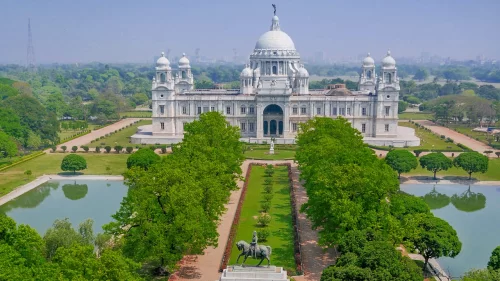
Victoria Memorial

Victoria Memorial is a grand marble monument and museum located in Kolkata, West Bengal, built in memory of Queen Victoria during the British colonial period.
 Temple

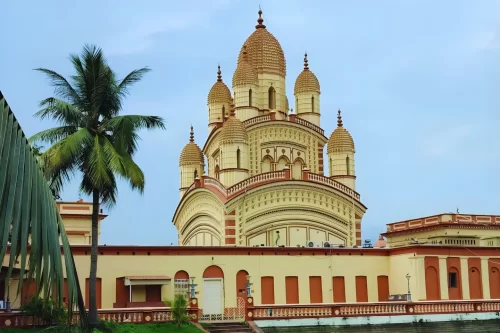
Dakshineswar Kali Temple

Dakshineswar Kali Temple is a renowned Hindu temple dedicated to Goddess Kali, located on the eastern bank of the Hooghly River in Kolkata, West Bengal.

Frequently Asked Questions About Howrah Bridge

Loved this place ? Let’s Plan Your West Bengal Trip

Plan your West Bengal trip with customized itineraries, local insights, and expert support designed for a smooth and enriching travel experience

⚡ Quick Response | 💰 Free consultation | 🕒 24×7 expert support

×

Plan Your Trip