Dakshineswar Kali Temple, Kolkata, West Bengal, India

Dakshineswar Kali Temple , Kolkata
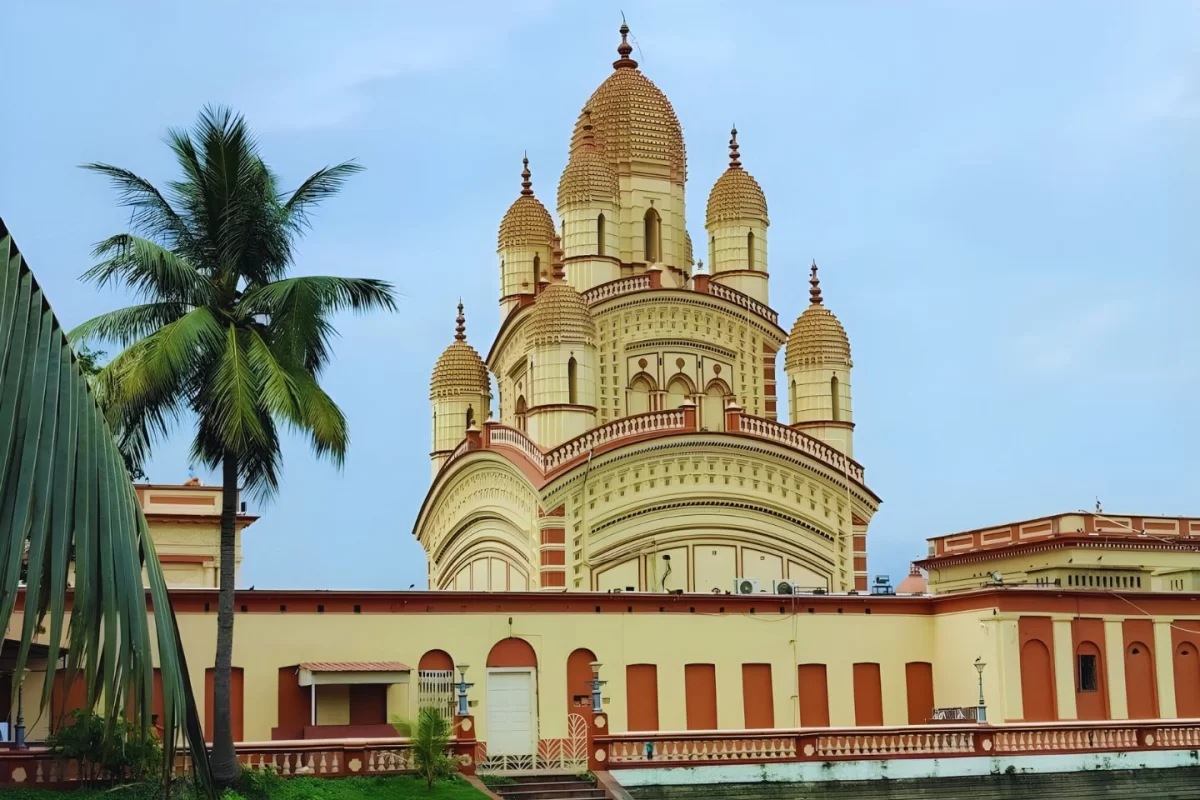
Visitors come to worship Goddess Bhavatarini, explore the temple\'s distinctive nine-spired architecture, and learn about its association with the 19th-century mystic Sri Ramakrishna. The temple is one of the most important pilgrimage sites in eastern India and attracts devotees and cultural visitors throughout the year.

Quick Facts About Dakshineswar Kali Temple

Dakshineswar Kali Temple Quick Facts

Entry Fee No entry fee
Timings Generally open from 6:00 AM–12:30 PM and 3:30 PM–8:30 PM; timings may vary during festivals and special occasions.
Altitude (m) Approximately 15 m above sea level
Ideal Visit Duration 1–2 hours
Best Time of Day Early morning for peaceful darshan or evening during aarti.
Crowd Level Moderate to high; significantly higher during Kali Puja, Navratri, and weekends.
Distance from City Centre (km) Approximately 10 km from central Kolkata.
Walking Difficulty Easy
Parking Available Yes, parking facilities are available near the temple complex.
Last Mile Access Direct road, metro, and rail access followed by a short walk to the temple entrance.
Suitable for Kids Yes
Suitable for Seniors Yes
Wheelchair Friendly Partially; main temple premises are accessible, though crowd conditions may affect movement.

Why Visit Dakshineswar Kali Temple Kolkata

Visitors come to Dakshineswar Kali Temple to worship Goddess Kali and experience one of West Bengal’s most revered pilgrimage sites situated on the banks of the Hooghly River.

The atmosphere is deeply devotional, with devotees, pilgrims, and visitors gathering for daily prayers, aarti ceremonies, and spiritual reflection throughout the temple complex.

What makes Dakshineswar Kali Temple distinct is its iconic nine-spired architecture, its association with Sri Ramakrishna Paramahamsa, and its prominent role in the spiritual and cultural heritage of Bengal.

History of Dakshineswar Kali Temple

Dakshineswar Kali Temple, located on the eastern bank of the Hooghly River near Kolkata, was founded in 1855 by Rani Rashmoni, a prominent philanthropist and zamindar of Bengal. The temple was established as a major center of worship dedicated to Goddess Kali in her form as Bhavatarini, meaning “She who liberates devotees from worldly suffering.”

The temple gained immense spiritual significance through its association with Sri Ramakrishna Paramahansa, who served as its priest and became one of India's most influential spiritual figures. His teachings and mystical experiences at Dakshineswar played a pivotal role in shaping modern Hindu spirituality and later inspired the Ramakrishna Movement.

Today, Dakshineswar Kali Temple remains one of the most revered pilgrimage destinations in eastern India, attracting devotees and visitors interested in its religious heritage, architectural beauty, and enduring connection to Sri Ramakrishna's spiritual legacy.

Best Time to Visit Dakshineswar Kali Temple

Dakshineswar Kali Temple is best visited from October to March when Kolkata experiences pleasant weather, making it comfortable for darshan, exploring the temple complex, and enjoying the serene surroundings along the Hooghly River.
  • Ideal months: October to March is the most favorable period to visit Dakshineswar Kali Temple, offering comfortable temperatures and enjoyable conditions for pilgrimage and sightseeing.
  • Weather conditions during the best season: Cool mornings, pleasant afternoons, and lower humidity provide ideal conditions for temple visits, riverfront walks, and exploring the historic shrine associated with Sri Ramakrishna Paramahansa.
  • Periods to avoid: April to June can be hot and humid, making long queues and outdoor exploration less comfortable. The monsoon season from June to September brings frequent rainfall that may affect travel plans. Kali Puja, Durga Puja, and major religious festivals attract exceptionally large crowds and longer waiting times for darshan.

How to Reach Dakshineswar Kali Temple

  • Nearest Airport: Netaji Subhas Chandra Bose International Airport, Kolkata, located approximately 12 km from Dakshineswar Kali Temple, is the nearest airport. Taxis, app-based cabs, and metro connectivity provide convenient access to the temple.
  • Nearest Railway Station: Dakshineswar Railway Station, about 1 km away, is the nearest railway station. Kolkata Railway Station and Howrah Junction are major rail hubs with extensive connectivity to destinations across India.
  • Road Access and Last-Mile Connectivity: Dakshineswar Kali Temple is situated on the eastern bank of the Hooghly River in the northern part of Kolkata and is easily accessible by road, suburban rail, and metro. Visitors can reach the temple by private vehicle, taxi, auto-rickshaw, local bus, or Kolkata Metro. The final approach involves a short walk from the metro station, parking area, or temple entrance zone. Heavy crowds are common on weekends, Tuesdays, Saturdays, and major religious festivals, which may increase waiting times.

What to Expect When You Visit Dakshineswar Kali Temple

  • Environment and Surroundings: Dakshineswar Kali Temple is a major Hindu pilgrimage site situated on the eastern bank of the Hooghly River in Kolkata. Visitors can expect a vibrant devotional atmosphere, expansive temple grounds, riverfront views, and a complex that includes multiple shrines dedicated to various deities.
  • Facilities and Amenities: The temple complex offers facilities such as shoe storage counters, drinking water points, queue management systems, rest areas, and shops selling flowers, prasad, and religious items. Additional restaurants and visitor services are available in the surrounding area.
  • Accessibility and Movement: The temple is well connected by road, rail, and metro services. Visitors should expect security screening and organized queues, particularly during busy periods. Movement within the complex involves walking through courtyards, temple corridors, and riverfront sections.
  • Visitor Conditions: Large numbers of devotees visit throughout the year for darshan and worship. Crowd levels increase significantly during Kali Puja, Amavasya observances, weekends, and major Hindu festivals, resulting in longer waiting times and busy temple surroundings. Respectful attire and adherence to temple customs are expected.

Important Visitor Information for Dakshineswar Kali Temple

  • Dakshineswar Kali Temple experiences very high devotee footfall during Kali Puja, Navratri, Amavasya observances, weekends, and major Hindu festivals, often resulting in longer waiting times for darshan.
  • Early morning hours generally offer a more peaceful darshan experience, while evenings and festival periods tend to attract the largest crowds.
  • The temple remains accessible throughout the year, though summer afternoons can be hot and humid, and festival days may see significantly increased visitor activity.
  • Modest attire is recommended within the temple premises, and footwear must be removed before entering the shrine areas.
  • Visitors should follow temple regulations, maintain queue discipline during darshan, respect ongoing rituals, and exercise caution near the riverside ghats, especially during crowded periods.

Photography and Viewpoints at Dakshineswar Kali Temple

  • The best photographs are captured from the riverfront ghats and temple courtyard, where the iconic nine-spired main shrine, the Hooghly River, and the row of Shiva temples can be framed together.
  • Early morning provides soft natural light, fewer devotees, and calm river conditions, making it ideal for photographing the temple complex and its riverside setting.
  • The ghats along the Hooghly River offer excellent vantage points for capturing panoramic views of the temple skyline, reflections on the water, and traditional religious activities.
  • The temple's distinctive Bengal-style architecture, ornate domes, arched corridors, and symmetrical layout are best photographed during daylight hours when details are clearly visible.
  • Photography is generally permitted in the outer areas of the complex, but photography inside the sanctum sanctorum and during worship rituals is typically restricted. Visitors should follow all temple regulations.
  • Evening illumination and aarti ceremonies create attractive photography opportunities, particularly from the riverfront and designated public spaces.
  • Weekends, Kali Puja, Durga Puja periods, and major religious festivals attract large crowds, which can affect access to preferred photography locations within the temple complex.

Near By Attraction

 Museum

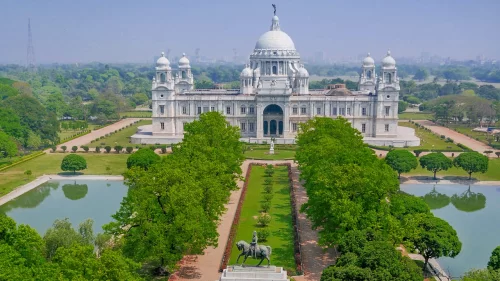
Victoria Memorial

Victoria Memorial is a grand marble monument and museum located in Kolkata, West Bengal, built in memory of Queen Victoria during the British colonial period.
 Bridge

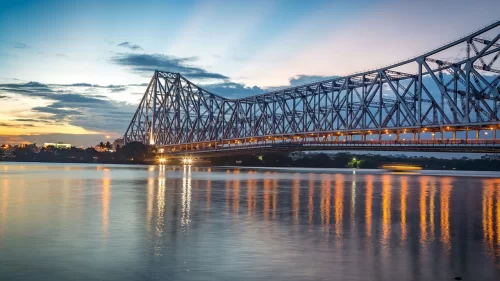
Howrah Bridge

Howrah Bridge, officially known as Rabindra Setu, is a cantilever bridge spanning the Hooghly River and connecting Kolkata with Howrah in West Bengal.

Frequently Asked Questions About Dakshineswar Kali Temple

Loved this place ? Let’s Plan Your West Bengal Trip

Plan your West Bengal trip with customized itineraries, local insights, and expert support designed for a smooth and enriching travel experience

⚡ Quick Response | 💰 Free consultation | 🕒 24×7 expert support

×

Plan Your Trip