Happy Valley Tea Estate Darjeeling – Scenic Himalayan Tea Gardens

Happy Valley Tea Estate , Darjeeling
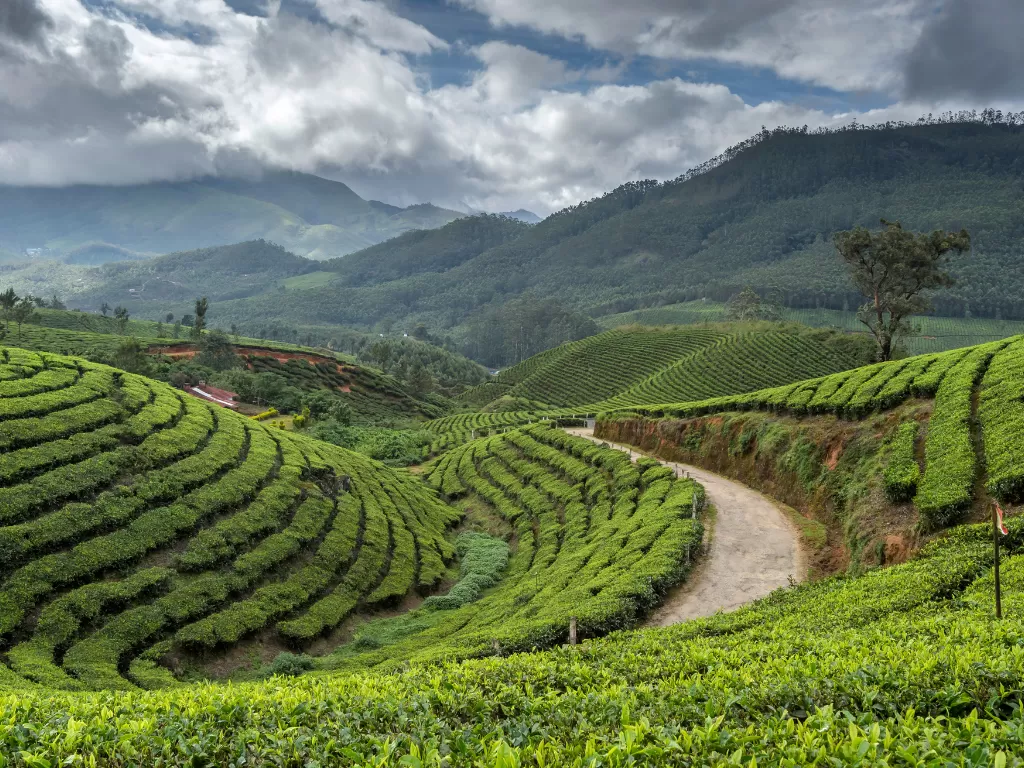
Established in 1854, Happy Valley Tea Estate is nestled on the lower slopes of Darjeeling, surrounded by lush green tea gardens and misty Himalayan hills. The estate is renowned for producing premium Darjeeling tea, including black, green, and white varieties. Visitors can take guided tours of the plantation, observe traditional tea processing, and enjoy sampling freshly brewed teas at the estate’s tasting center. Its serene environment, panoramic mountain views, and rich history make it a must-visit for tea lovers, photographers, and travelers seeking a peaceful escape in Darjeeling.

Quick Facts About Happy Valley Tea Estate

Entry Fee 50
Timings 09:30 - 17:00
Altitude (m) 2100
Ideal Visit Duration (hrs) 2
Best Time of Day Morning
Crowd Level Moderate
Distance from Darjeeling (km) 3
Walking Difficulty Easy
Parking Available No
Last Mile Access Walk
Suitable for Kids Yes
Suitable for Seniors Yes
Wheelchair Friendly No

Why Visit Happy Valley Tea Estate

Why Visit: Happy Valley Tea Estate is a must-visit destination for tea lovers, nature enthusiasts, and travelers looking to experience the charm of Darjeeling’s iconic tea plantations. The estate provides a unique opportunity to witness traditional tea cultivation and processing while surrounded by scenic Himalayan landscapes.

Atmosphere: The estate is enveloped in lush green tea gardens, with misty mountain views and the gentle aroma of fresh tea leaves creating a serene and calming environment. The tranquil setting makes it perfect for leisurely walks, photography, and peaceful exploration.

What Makes it Special: Established in 1854, Happy Valley is one of India’s oldest tea estates, producing some of the finest Darjeeling teas known worldwide. Visitors can take guided tours through the plantation, observe hand-picking and processing techniques, and enjoy tasting freshly brewed teas. Its combination of heritage, natural beauty, and hands-on tea experience makes it a unique and memorable attraction in Darjeeling.

History of Happy Valley Tea Estate

Happy Valley Tea Estate was established in 1854, making it one of the oldest tea plantations in Darjeeling and India. Founded during the British colonial era, the estate was developed to produce high-quality Darjeeling tea, which quickly gained international recognition for its unique aroma and flavor.

Over the decades, the estate has maintained traditional tea cultivation and processing methods, including hand-plucking and artisanal manufacturing techniques. Its long-standing history and commitment to quality have made it a benchmark for premium Darjeeling tea worldwide.

Today, Happy Valley Tea Estate not only continues to produce award-winning teas but also serves as a popular tourist attraction, offering visitors a glimpse into the legacy and heritage of Darjeeling tea cultivation. The estate’s historic gardens, colonial-era structures, and scenic Himalayan backdrop reflect both its heritage and enduring charm.

Best Time to Visit Happy Valley Tea Estate

The ideal time to visit Happy Valley Tea Estate is during the months when Darjeeling enjoys clear skies, pleasant temperatures, and minimal rainfall. Visiting during these periods allows travelers to explore the tea gardens comfortably, capture scenic photographs, and enjoy tea tasting sessions without weather-related interruptions.
  • March to May (Spring): Mild temperatures, blooming flowers, and lush green tea gardens make spring one of the most popular times for visitors.
  • October to November (Autumn): Post-monsoon clarity brings fresh air, vibrant greenery, and excellent visibility of the Himalayan backdrop, making it perfect for photography and exploration.
  • Morning Hours: Early morning visits are ideal to enjoy the fresh aroma of tea leaves, soft lighting for photography, and fewer crowds.
  • Winter (December to February): Cold but relatively quiet; fewer tourists and clear skies provide a serene experience. Warm clothing is recommended.
  • Monsoon Season (June to September): Heavy rainfall can make garden paths slippery and reduce visibility; visits during this period are less recommended.

How to Reach Happy Valley Tea Estate

  • By Air: The nearest airport is Bagdogra Airport (IXB), approximately 90 km from Darjeeling. From the airport, travelers can hire a private taxi or take shared cabs to reach Darjeeling, which takes around 3 to 4 hours through scenic mountain roads.
  • By Train: New Jalpaiguri (NJP) is the closest major railway station, about 88 km away. From NJP, taxis and shared jeeps are available for the drive to Darjeeling. The journey offers views of tea gardens and hill roads.
  • By Road: Darjeeling is connected by well-maintained roads to Siliguri, Kalimpong, and other nearby towns. State-run buses, private coaches, and taxis are available. Upon reaching Darjeeling town, the estate is approximately 3 km from Chowrasta and can be reached by local taxi or a short walk.
  • Local Access: From Darjeeling town, taxis or auto-rickshaws can drop visitors directly at the Happy Valley Tea Estate entrance. Some visitors also enjoy walking through the nearby lanes for a scenic introduction to the tea gardens.
  • Travel Tips: Morning departures from Siliguri or NJP are recommended to avoid traffic and enjoy clear visibility. Wear comfortable shoes as there is a short walk through the garden pathways once you reach the estate.

What to Expect When You Visit Happy Valley Tea Estate

  • Guided Tea Garden Tours: Visitors can expect a guided walk through the lush tea plantations, learning about the tea cultivation process from plucking to processing.
  • Tea Processing Demonstrations: The estate showcases traditional methods of sorting, rolling, and drying tea leaves, giving visitors an authentic insight into artisanal tea-making techniques.
  • Tea Tasting Experience: Sample freshly brewed Darjeeling teas, including black, green, and white varieties, and learn to distinguish the subtle flavors and aromas unique to the region.
  • Scenic Himalayan Views: The estate offers stunning vistas of Darjeeling hills, surrounding tea gardens, and misty mountains, ideal for photography and leisurely strolls.
  • Educational and Relaxing Experience: Informative signage, expert guides, and tranquil surroundings make the visit both educational and relaxing for families, students, and tea enthusiasts.
  • Moderate Walking: The estate has gentle slopes and well-laid pathways; comfortable footwear is recommended for easy exploration of the gardens and facilities.

Important Visitor Information

  • Crowd & Weather Notes: The estate experiences moderate crowds, especially during peak tourist seasons from March to May and October to November. Weather is generally cool and pleasant, with misty mornings and occasional rainfall during the monsoon (June to September), which can make garden paths slippery.
  • Peak / Quiet Hours: Peak visiting hours are late morning to early afternoon. For a quieter experience with fewer tourists and better photo opportunities, early morning or late afternoon visits are recommended.
  • Dress Code: No formal dress code is required. Visitors should wear comfortable walking shoes and layered clothing to adapt to changing temperatures. Hats and sunglasses are recommended for sun protection during outdoor walks.
  • Safety Notes: Stick to marked pathways and avoid walking on uneven garden areas. Supervise children closely, especially near sloped areas. Photography is allowed, but caution is advised during wet conditions, and follow guidance from estate staff during tours.

Photography and Viewpoint at Happy Valley Tea Estate

  • Tea Garden Landscapes: Capture sweeping views of neatly manicured tea bushes stretching across rolling hills, often shrouded in morning mist for a quintessential Darjeeling look.
  • Himalayan Backdrop: The estate offers stunning views of the surrounding Himalayan ranges, making it ideal for wide-angle photography, especially during clear mornings and late afternoons.
  • Tea Processing Shots: Photograph traditional tea processing techniques, including hand-plucking, rolling, and drying, offering authentic insight into artisanal tea-making.
  • Seasonal Highlights: Spring and autumn provide vibrant greenery and colorful landscapes, while winter offers crisp skies and sharp mountain visibility, enhancing photography opportunities.
  • Visitor Experience Photography: Document your tea-tasting sessions, guided tours, and leisurely walks through the garden pathways. Early morning light gives soft, warm tones perfect for portraits and landscape shots.
  • Tips for Photography: Use a wide-angle lens for panoramic views, a macro lens for close-ups of tea leaves, and a tripod for stable shots. Avoid flash inside indoor processing areas to preserve the exhibits and avoid disturbing the staff.

Near By Attraction

Snow-capped Kanchenjunga range from Tiger Hill in Darjeeling during clear morning, featuring blue sky and Himalayan peaks, perfect Sikkim tour package Mountain

Kangchenjunga

Kangchenjunga is the world’s third-highest mountain, renowned for its towering presence, breathtaking vistas, and spiritual significance in Sikkim and the surrounding Himalayas.

Lush tea garden view in Darjeeling, West Bengal, with rolling green plantations and mist-covered hills, a scenic highlight often featured in West Bengal tour packages. Scenic Drive

Tea Garden View

Tea Garden View is a popular spot near Darjeeling offering panoramic views of lush tea estates and distant Himalayan peaks.

Dali Monastery in Darjeeling during cloudy daytime, featuring grand Tibetan architecture and mountain backdrop, perfect spiritual Darjeeling tour package Monastery

Dali Monastery

Dali Monastery is a peaceful Tibetan Buddhist monastery near Darjeeling, known for its spiritual ambiance, panoramic mountain views, and vibrant monastic life.

Frequently Asked Questions About Happy Valley Tea Estate

Happy Valley Tea Estate usually charges a nominal entry or tour fee for visitors. The estate is located in Darjeeling West Bengal and charges may vary depending on factory access and tasting options.
Happy Valley Tea Estate is generally open during daytime working hours and may remain closed on certain holidays. Visitors should confirm factory tour timings before planning their visit in Darjeeling.
Happy Valley Tea Estate is situated about 3 kilometers from Darjeeling town center. Visitors can reach it by taxi private vehicle or even by a short uphill walk depending on accommodation location.
The best time to visit Happy Valley Tea Estate is between March and May and from October to November when the weather in Darjeeling West Bengal is clear and tea plucking activity is visible.
Happy Valley Tea Estate offers guided tours that explain the tea processing stages inside the factory. Availability depends on operational schedules and visitor flow on the day of arrival.
Most visitors spend one to one and a half hours at Happy Valley Tea Estate including plantation views factory walkthrough and time at the sales counter.
Happy Valley Tea Estate commonly provides tea tasting sessions where visitors can sample different varieties produced locally. Tasting options may be included in the tour fee or charged separately.
Happy Valley Tea Estate provides limited parking space near the entrance area. During peak tourist season in Darjeeling parking may become restricted by late morning.
Happy Valley Tea Estate is suitable for families interested in learning about tea production. Senior citizens can manage the visit comfortably though factory sections may include stairs.
Happy Valley Tea Estate offers basic visitor facilities including guided tours tasting counters and a small sales outlet. Full dining options are generally available in Darjeeling town rather than inside the estate.

Loved this place ? Let’s Plan Your West Bengal Trip

Plan your West Bengal trip with customized itineraries, local insights, and expert support designed for a smooth and enriching travel experience

⚡ Quick Response | 💰 Free consultation | 🕒 24×7 expert support

×

Plan Your Trip