+91 9910402252
admin@chalbanjare.com


| Entry Fee | Free |
| Timings | 00:00 - 23:59 |
| Altitude (m) | 2045 |
| Ideal Visit Duration (hrs) | 1 |
| Best Time of Day | Morning |
| Crowd Level | Moderate |
| Distance from Darjeeling (km) | 0.5 |
| Walking Difficulty | Easy |
| Parking Available | No |
| Last Mile Access | Walk |
| Suitable for Kids | Yes |
| Suitable for Seniors | Yes |
| Wheelchair Friendly | No |
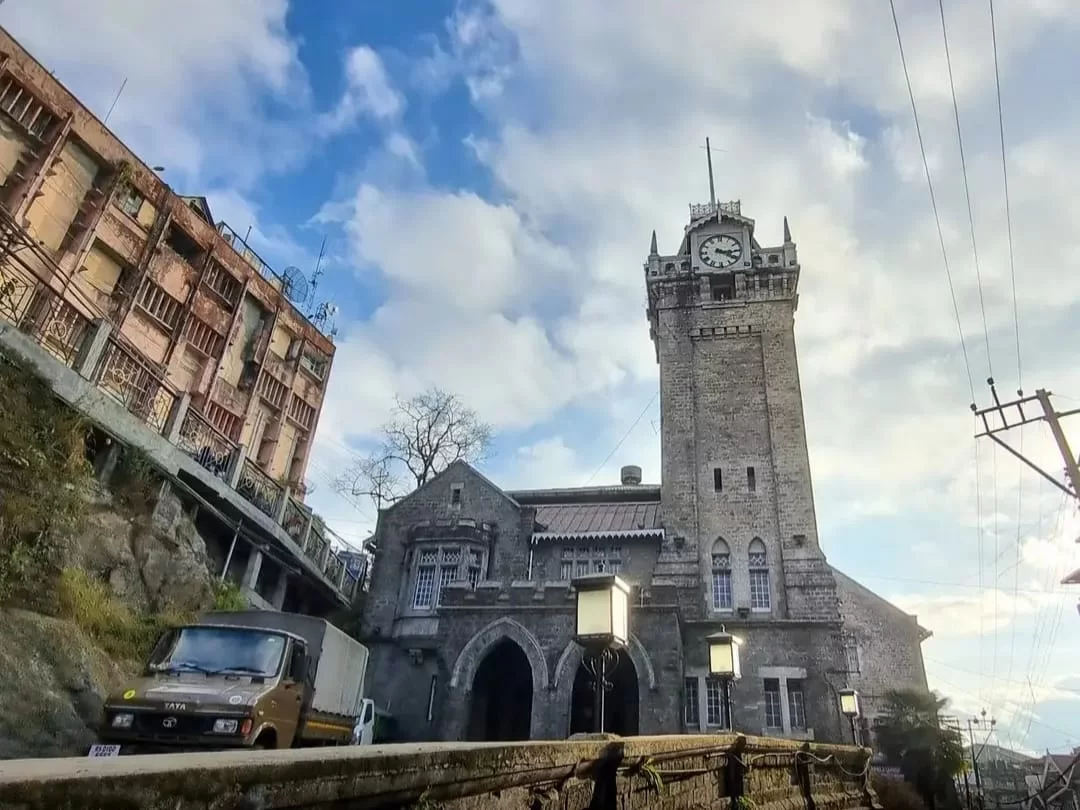
Darjeeling Clock Tower is a must-visit heritage landmark in the heart of Darjeeling town, reflecting the hill station’s colonial-era architecture and civic history. Built alongside the Darjeeling Municipality building between 1917 and 1921, it has served as a central timekeeper and gathering point for residents and visitors for over a century. The tower’s historical significance and prominent location in Chauk Bazaar make it an essential stop for anyone exploring Darjeeling’s heritage sites.
The atmosphere around the Clock Tower is vibrant yet relaxed, embodying the charm of Darjeeling’s town centre. Visitors can experience the daily life of locals, street vendors, and small shops while enjoying the backdrop of the historic clock faces. Early mornings are tranquil with soft sunlight, while afternoons are lively with people exploring the area, making it an ideal spot for photography and leisurely heritage walks.
What sets Darjeeling Clock Tower apart is its architectural elegance and historical legacy. The tower features a four-faced mechanical clock originally crafted in England, standing as a reminder of the town’s colonial past. Its placement in Chauk Bazaar near the town’s central Mall Road allows visitors to combine history, culture, and local life in one stop. The Clock Tower not only marks time but also serves as a symbol of Darjeeling’s enduring civic heritage and town identity.
The Darjeeling Clock Tower was built alongside the Darjeeling Municipality building (Capitol Hall) during the British colonial period. The foundation stone was laid in 1917 by Lord Ronaldshay, the then Governor of Bengal, and the structure was completed in 1921 with contributions from the Maharaja of Cooch Behar. The tower’s four-faced mechanical clock, crafted by GT Gent & Company of England, served as the principal timekeeper for Darjeeling town for decades.
Over the years, the clock faced periods of disrepair, but local initiatives helped restore it, including a major restoration in 2006 by the Darjeeling Rotary Club. The Clock Tower has since remained a central landmark in Chauk Bazaar, symbolizing the town’s civic heritage and continuing to attract both tourists and local residents who appreciate its architectural and historical significance.
The tower stands as a reminder of Darjeeling’s colonial-era urban development and is often included in heritage walks, connecting visitors with the town’s past while offering a glimpse of its architectural style from the early 20th century.
The best time to visit Darjeeling Clock Tower is during the cooler, clear months when the weather is pleasant and the town comes alive with its colonial charm. Timing your visit appropriately can help you avoid heavy crowds and enjoy photography or a leisurely heritage walk in Chauk Bazaar.
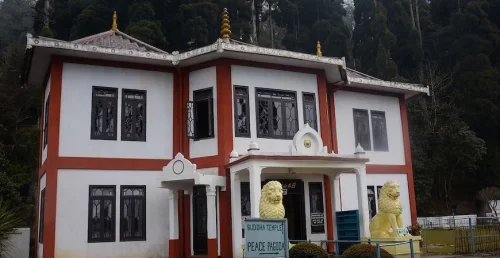 Temple
The Japanese Buddhist Temple is a Buddhist place of worship established by the Nipponzan Myohoji order in Darjeeling.
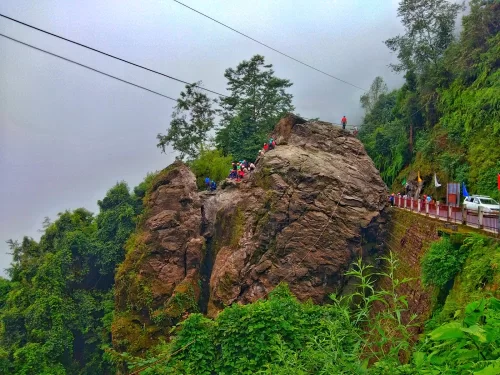 Tourist Attraction
Gombu Rock is a natural rock climbing site located near the Himalayan Mountaineering Institute in Darjeeling.
 Tourist Attraction
Tenzing Rock and the Himalayan Mountaineering Institute are two prominent adventure and mountaineering landmarks in Darjeeling.
Plan your West Bengal trip with customized itineraries, local insights, and expert support designed for a smooth and enriching travel experience
⚡ Quick Response | 💰 Free consultation | 🕒 24×7 expert support

