The Beatles Ashram Rishikesh – Meditation and Music Legacy Spot

The Beatles Ashram , Rishikesh
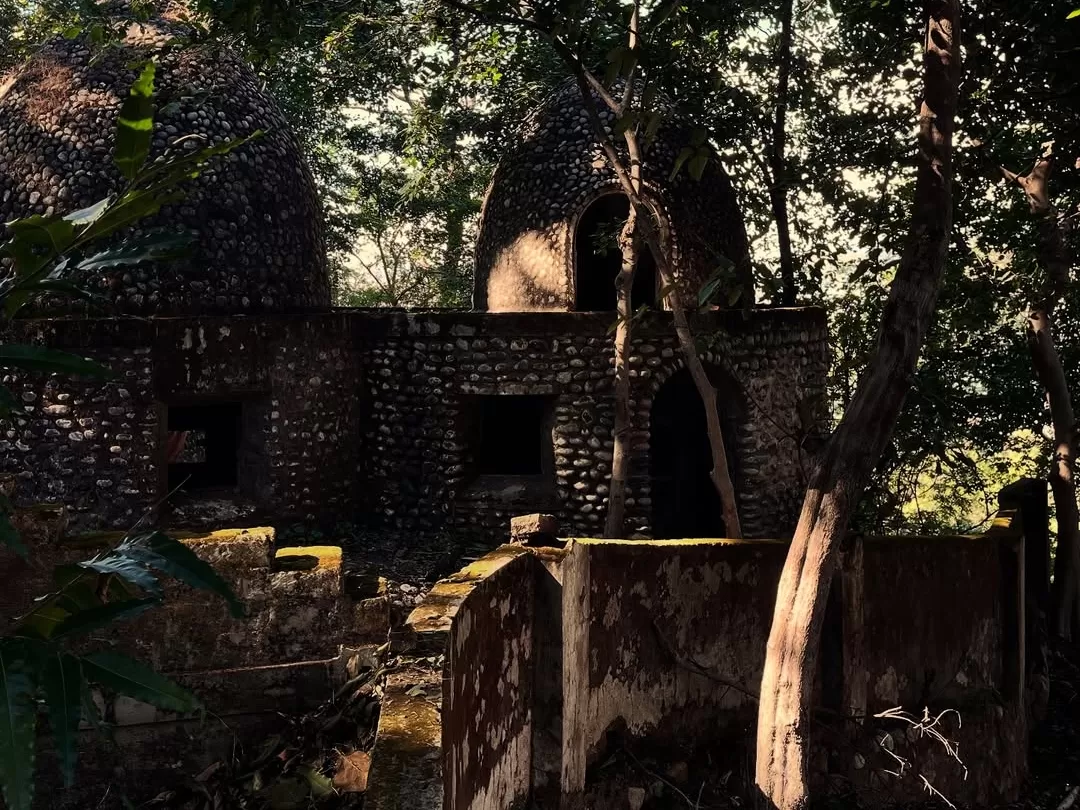
The Beatles Ashram, officially known as Chaurasi Kutia, is located on the eastern banks of the Ganga in Rishikesh. It became globally famous after the Beatles visited in 1968 to learn Transcendental Meditation under Maharishi Mahesh Yogi. Today, the abandoned ashram features graffiti, meditation cells, and temples, attracting visitors interested in music history, spirituality, and photography. The site is partially forested, with walking paths and uneven terrain, offering a quiet, contemplative environment away from the town’s crowds. While some areas are restricted due to decay, much of the ashram can be explored on foot.

Quick Facts About The Beatles Ashram

Entry Fee 250
Timings 08:00 - 18:00
Altitude (m) 360
Ideal Visit Duration (hrs) 2
Best Time of Day Morning
Crowd Level Moderate
Distance from City Centre (km) 4
Walking Difficulty Moderate
Parking Available No
Last Mile Access Walk
Suitable for Kids Yes
Suitable for Seniors Yes
Wheelchair Friendly No

Why Visit The Beatles Ashram

The Beatles Ashram is a unique destination for travelers interested in music history, spirituality, and contemplative walks. Visiting the ashram gives a tangible sense of the place where the Beatles immersed themselves in meditation, composed songs, and interacted with the serene surroundings of Rishikesh.

The atmosphere is quiet and reflective, surrounded by forested paths and the Ganga on one side. Unlike typical tourist spots, the ashram retains a slightly abandoned charm, with graffiti, moss-covered walls, and remnants of meditation cells. This creates a mix of history, decay, and artistic expression that is rare to experience elsewhere.

What makes The Beatles Ashram special is its combination of cultural legacy and natural setting. The site is both historically significant and visually striking, offering unique photography opportunities, insight into 1960s spiritual movements, and a chance to walk through meditation spaces once occupied by one of the world’s most famous bands.

Visitors also gain perspective on how Rishikesh became an international hub for spiritual seekers, with the ashram acting as a bridge between traditional Indian meditation practices and global pop culture history.

History

The Beatles Ashram, officially called Chaurasi Kutia, was established by Maharishi Mahesh Yogi in the 1960s as a center for Transcendental Meditation. It gained international fame in 1968 when the Beatles visited to study meditation and composed several songs that later appeared on their "White Album." The ashram quickly became a hub for spiritual seekers and musicians from around the world.

The ashram is structured with meditation halls, small cottages, and temples spread across forested terrain. Over the decades, it was abandoned and reclaimed by nature, giving it a partially ruined yet visually intriguing appearance. Today, visitors can explore the meditation cells, murals, and inscriptions left by international visitors and artists, reflecting a unique blend of spiritual practice and creative expression.

The site also highlights the global impact of Rishikesh as a spiritual destination, showing how local meditation practices drew attention from international figures. The ashram continues to attract musicians, artists, and travelers who are drawn to its historical significance and serene environment.

Best Time to Visit The Beatles Ashram

The ideal time to visit The Beatles Ashram is between October and March, when the weather in Rishikesh is cool and comfortable. During these months, the forested trails are dry, making walking easier, and the river views are clear and scenic.

Visiting in early morning hours is recommended for a quiet experience and better photography, as crowds tend to build later in the day. Avoid monsoon months (July to September) because heavy rainfall can make paths slippery and some sections may be restricted due to safety concerns.

Summers (April to June) are warm but manageable if visits are planned for mornings or late afternoons. The forested terrain provides some shade, though heat can still be a factor for longer walks.

  • October to March offers pleasant weather and dry walking paths
  • Early mornings are ideal for photography and avoiding crowds
  • Monsoon months bring slippery paths and limited access
  • Summer mornings and late afternoons are suitable but midday can be hot

How to Reach The Beatles Ashram

  • By Air: The nearest airport is Jolly Grant Airport, Dehradun, about 22 km from the ashram. Taxis and private cabs are available from the airport, and the journey takes approximately 45-60 minutes.
  • By Train: Rishikesh Railway Station is around 4 km away. It connects to major cities like Haridwar and Dehradun. From the station, taxis, auto-rickshaws, or e-rickshaws can reach the ashram.
  • By Road: Rishikesh is well-connected by state and private buses from Delhi, Haridwar, and Dehradun. Private cabs and shared taxis drop visitors near the main entrance of the ashram.
  • Local Transport: Cycle rickshaws, e-rickshaws, and taxis operate in Rishikesh. The last stretch to the ashram is a short walk along a forested path from the parking or drop-off area.
  • On Foot: For those staying in nearby areas like Swargashram or Tapovan, the ashram is accessible on foot via forest trails. Uneven terrain and some steps require moderate fitness.

What to Expect When You Visit The Beatles Ashram

  • Partially abandoned and overgrown structures, with meditation cells, temples, and cottages showing signs of decay but retaining historical charm.
  • Forested trails and uneven walking paths, requiring careful navigation, especially during wet or slippery conditions.
  • Vibrant graffiti, murals, and inscriptions left by international visitors, artists, and travelers over decades, creating a unique visual experience.
  • Moderate crowds on weekdays, but weekends and holidays can be busy due to tourists and local visitors exploring the site.
  • Opportunities for photography, nature observation, and quiet reflection along the Ganga riverbank adjacent to the ashram.
  • Limited public facilities, with a few restrooms and drinking water points near the entrance, but none inside the main ashram complex.
  • A sense of walking through history and spiritual legacy, experiencing the place where the Beatles and other seekers immersed themselves in meditation.

Important Visitor Information

  • Crowd & Weather Notes: Weekdays are moderately crowded, while weekends and holidays attract higher footfall. October to March offers the most comfortable weather; summers can be warm, and monsoons make trails slippery.
  • Peak / Quiet Hours: Early morning (8 AM to 10 AM) is the quietest and best for exploring or photography. Peak visiting hours are late morning to late afternoon.
  • Dress Code: Comfortable clothing suitable for walking and modest attire when visiting meditation spaces. Light layers recommended for sun protection and forest walks.
  • Safety Notes: Uneven paths, overgrown areas, and partially ruined structures require caution. Supervise children closely and wear sturdy footwear to avoid slips or injuries.

Photography and Viewpoint

  • Best viewpoints are along the forested trails leading to the ashram and near the Ganga riverbank, offering scenic shots of the river and surrounding hills.
  • Early morning light provides soft, warm tones and fewer visitors, ideal for capturing the ashram's meditation cells and graffiti without crowds.
  • Late afternoon and golden hour offer dramatic lighting on the ruins and murals, though more visitors are present during this time.
  • Street-level and wide-angle shots of the ashram interior reveal murals, inscriptions, and remnants of meditation spaces, giving authentic context to its history.
  • Drone photography is prohibited in the ashram complex; all photography should respect local guidelines and avoid restricted areas.
  • Seasonal changes affect photography: monsoon months provide lush greenery but muddy trails, while winter offers clear skies and calm river views.
  • Night photography is not recommended due to poor lighting and safety risks along uneven paths.

Near By Attraction

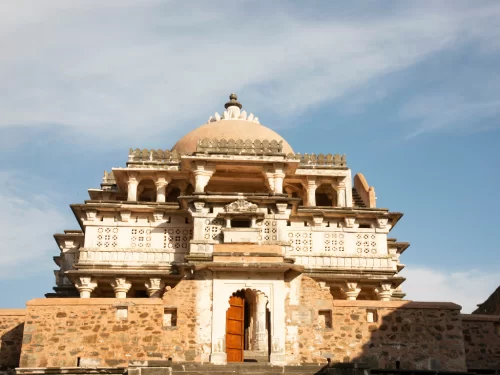
Neelkanth Mahadev Temple at Kumbhalgarh during clear day, featuring ornate domes, jharokhas, stone arches, perfect spiritual experience Rajasthan tour packages. Temple

Neelkanth Mahadev Temple

Neelkanth Mahadev Temple is a revered Hindu temple dedicated to Lord Shiva, nestled amidst the lush forests of the Himalayan foothills near Rishikesh.

Garud Chatti Waterfall Rishikesh scenic natural cascade with rocky pools and lush greenery near Neelkanth Road Waterfall

Garud Chatti Waterfall

Garud Chatti Waterfall is a picturesque waterfall near Rishikesh, perfect for trekking enthusiasts and nature lovers seeking tranquility.

Patna Waterfall Rishikesh scenic cascading waterfall over mossy rocks surrounded by lush forest greenery Waterfall

Patna Waterfall

Patna Waterfall is a serene, lesser-known waterfall near Rishikesh, ideal for short treks and a peaceful nature escape.

Frequently Asked Questions About The Beatles Ashram

The Beatles Ashram is located inside the Rajaji Tiger Reserve area near Rishikesh in Uttarakhand, close to Ram Jhula.
The Beatles Ashram is famous because the British band The Beatles stayed here in 1968 for meditation, making it a cultural landmark in Rishikesh, Uttarakhand.
The Beatles Ashram is generally open from morning around 10 am until evening around 4 pm as per forest department timings in Uttarakhand.
An entry fee is charged to visit The Beatles Ashram as it is managed by the Uttarakhand forest department.
Visitors can reach The Beatles Ashram by road to Rishikesh in Uttarakhand and then walk or take a short ride to the entry gate near Ram Jhula.
The best time to visit The Beatles Ashram is between October and March when the weather in Rishikesh, Uttarakhand is comfortable for walking.
Most travelers spend 1.5 to 3 hours at The Beatles Ashram exploring meditation halls, graffiti walls, and forest surroundings.
Basic restroom facilities are available inside The Beatles Ashram premises, but food stalls are not available so visitors should carry water.
Photography is allowed at The Beatles Ashram, and many visitors capture the colorful graffiti and abandoned structures.
The Beatles Ashram is suitable for family visits, though visitors should be prepared for walking through forest paths and uneven terrain.

Loved this place ? Let’s Plan Your Uttarakhand Trip

Get customized Uttarakhand tour planning designed around seasonal weather changes, hill road travel timing, pilgrimage flow, and comfort-based pacing. Whether you are visiting for spiritual journeys, Himalayan views, wildlife reserves, river valleys, or p

⚡ Quick Response | 💰 Free consultation | 🕒 24×7 expert support

×

Plan Your Trip