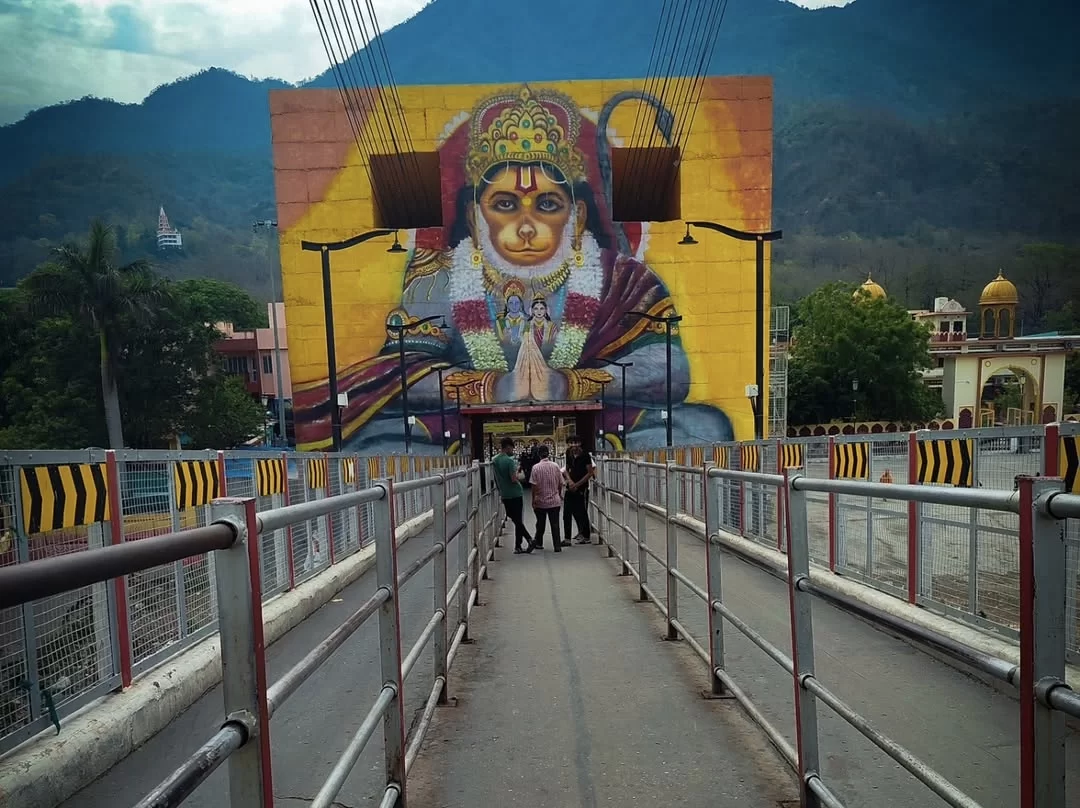
Janki Setu – Pedestrian Suspension Bridge Across the Ganges

Janki setu , Rishikesh
Tourists visit Janki Setu to cross between the riverbanks on foot and to access temples, ashrams, and riverside areas near Tapovan and Swarg Ashram. The bridge offers views of the Ganges and surrounding Himalayan foothills and serves as an alternative to the older suspension bridges in Rishikesh.

Quick Facts About Janki setu

Janki Setu, Uttarakhand Quick Facts

Entry Fee No entry fee
Timings Open 24 hours for pedestrian access
Altitude (m) Approximately 340 m above sea level
Ideal Visit Duration 30 minutes to 1 hour
Best Time of Day Early morning or evening for river views and pleasant temperatures
Crowd Level Moderate; higher during weekends, holidays, and pilgrimage seasons
Distance from City Centre (km) Approximately 5 km from Rishikesh city centre
Walking Difficulty Easy
Parking Available Limited parking available near the bridge approaches
Last Mile Access Directly accessible by road followed by a short walk onto the pedestrian bridge
Suitable for Kids Yes
Suitable for Seniors Yes
Wheelchair Friendly Partially accessible; approach paths are generally accessible, though local surface conditions may vary

Why Visit Janki Setu, Uttarakhand

Visitors come to Janki Setu in Rishikesh for a convenient pedestrian crossing over the Ganga and for unobstructed views of the river, surrounding hills, and nearby ghats. The bridge is commonly used by pilgrims, local residents, and travelers exploring the eastern side of the city.

The atmosphere on the bridge is active yet relaxed, with people walking between temples, ashrams, cafés, and riverfront areas throughout the day. The constant movement of pedestrians combined with views of the flowing Ganga creates a distinctly riverside urban experience.

What makes Janki Setu distinct is its modern pedestrian design and comparatively spacious walkway, offering a different experience from the older suspension bridges of Rishikesh. Its vantage points over the river make it both a practical route and a scenic stop within Uttarakhand’s spiritual capital.

History of Janki Setu, Uttarakhand

Janki Setu is a pedestrian suspension bridge across the Ganga River in Rishikesh, developed to improve connectivity between the riverbanks and nearby religious and residential areas. It was constructed as a modern infrastructure project to complement the growing movement of pilgrims and visitors in the region.

Named after Goddess Sita, who is also known as Janki in Hindu tradition, the bridge reflects the cultural and spiritual character of Rishikesh. Its location near prominent temples and ashrams has made it an important access route for devotees and tourists.

Since its construction, Janki Setu has become a notable landmark in Rishikesh, contributing to the city's pedestrian-friendly riverfront network while supporting access to key religious sites along the Ganga.

Best Time to Visit Janki Setu, Uttarakhand

Janki Setu in Rishikesh can be visited throughout most of the year, but the most comfortable experience comes during seasons with pleasant temperatures and clear river views, making it easier to explore the pedestrian bridge and nearby ghats on foot.
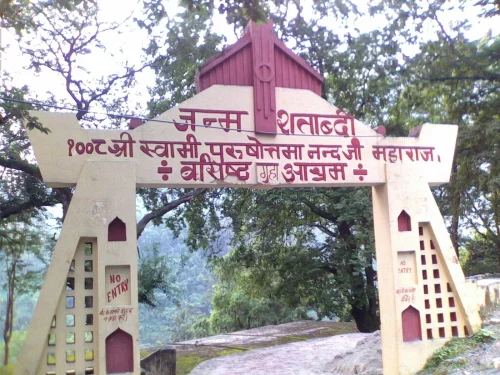
  • Ideal Months: October to March is the most favorable period for visiting Janki Setu and exploring nearby attractions along the Ganga.
  • Weather Conditions: These months typically offer comfortable daytime temperatures, cooler evenings, and clear conditions that enhance views of the river, surrounding hills, and spiritual landmarks.
  • Periods to Avoid: July to September can bring heavy monsoon rainfall and elevated river levels, which may affect outdoor activities and reduce the comfort of walking and sightseeing around the riverfront.

How to Reach Janki Setu, Uttarakhand

  • By Air: The nearest airport is Jolly Grant Airport, Dehradun, located approximately 25 km from Janki Setu in Rishikesh. The airport is well connected to major Indian cities, and taxis are readily available for direct travel to the bridge area.
  • By Train: Rishikesh Railway Station is the nearest railhead, situated about 5 km away. For broader rail connectivity, Haridwar Junction, approximately 30 km from Janki Setu, serves trains from major cities across India. Local taxis, auto-rickshaws, and buses provide convenient onward transport.
  • By Road: Janki Setu is located in the Tapovan–Swarg Ashram area of Rishikesh and is easily accessible via local roads from the city center. Auto-rickshaws, taxis, and e-rickshaws operate throughout the area. The bridge itself is pedestrian-only, and visitors may need to walk short distances from nearby parking areas. Traffic congestion is common during weekends, festivals, and peak pilgrimage seasons, which can increase travel time within Rishikesh.

What to Expect When You Visit Janki Setu, Uttarakhand

  • Janki Setu is a pedestrian suspension bridge across the Ganga River in Rishikesh, connecting the eastern and western banks while offering views of the river, surrounding hills, temples, ashrams, and riverside settlements.
  • The bridge environment is lively and urban, with continuous movement of pilgrims, tourists, local residents, and visitors accessing nearby religious sites, cafés, yoga centers, and riverfront areas.
  • Facilities in the surrounding area are extensive, including restaurants, accommodation, shops, ATMs, pharmacies, and transport services. However, the bridge itself is designed for pedestrian use and has limited space for stopping during busy periods.
  • Accessibility is straightforward from most parts of Rishikesh, with paved walkways leading to both ends of the bridge. Movement can become slow during peak hours due to heavy foot traffic and occasional congestion near entry points.
  • Visitors typically use the bridge for sightseeing, photography, river views, and access to attractions on either side of the Ganga. The bridge experiences steady activity throughout the day, especially during weekends and holiday seasons.
  • The suspension structure may sway slightly as people walk across, which is a normal characteristic of the bridge. Visitors sensitive to heights may notice the movement more prominently when crowds are present.
  • Weather conditions influence the experience, with strong sunlight during summer, occasional fog in winter mornings, and slippery surfaces during rainfall. Caution is advisable during crowded or wet conditions.

Important Visitor Information for Janki Setu, Rishikesh, Uttarakhand

  • Janki Setu experiences its highest pedestrian traffic during weekends, public holidays, and the peak tourist season from October to March, while early mornings are generally quieter.
  • Sunrise and early morning hours offer a more peaceful crossing experience and clearer views of the Ganga and surrounding hills before day visitors arrive in larger numbers.
  • The bridge remains exposed to weather conditions throughout the year, with summer afternoons becoming warm and monsoon months bringing rain, strong river flow, and slippery walking surfaces.
  • No specific dress code applies to the bridge itself, though modest attire is advisable when visiting nearby temples, ashrams, and religious sites connected by the crossing.
  • Visitors should remain within designated pedestrian areas and avoid leaning over railings, especially during periods of high foot traffic or strong winds.
  • Extra caution is required during the monsoon season, when wet surfaces and increased crowd movement can make sections of the bridge approach more slippery.

Photography and Viewpoints at Janki Setu, Uttarakhand

  • The most effective viewpoint is from the central span of Janki Setu, where the full suspension bridge structure can be framed along with the Ganga River flowing below between Rishikesh and Swarg Ashram.
  • Angles from the Rishikesh-side entry capture the bridge leading into the Himalayan foothills backdrop, while the opposite end offers cleaner compositions of the river curve and downstream ghats.
  • Early morning provides the clearest views with minimal pedestrian movement, making it suitable for unobstructed shots of the bridge cables and river alignment.
  • Evening captures the bridge illuminated with soft ambient light, but heavy foot traffic during Ganga Aarti hours can restrict stationary framing positions.
  • Photography on the bridge is permitted, but stopping in the central walking path can be restricted during peak crowd flow, requiring quick framing without blocking movement.
  • During festival periods and weekends, the bridge experiences continuous pedestrian traffic, affecting long exposure shots and wide-angle compositions.
  • Wind conditions on the suspension bridge can cause slight movement, influencing stability for low-light photography, especially during late evening hours.

Near By Attraction

 Cave

Vashishtha Gufa

Vashishtha Gufa is a cave shrine associated with Sage Vashishtha, located on the banks of the Ganges River in Uttarakhand, India.
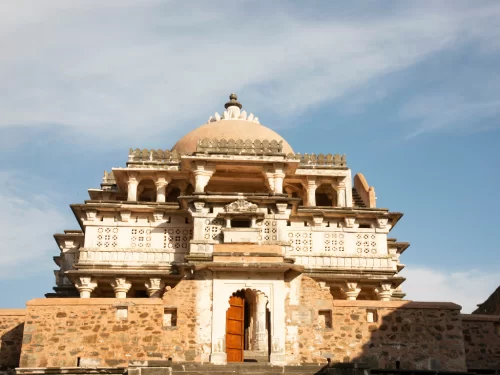
Neelkanth Mahadev Temple at Kumbhalgarh during clear day, featuring ornate domes, jharokhas, stone arches, perfect spiritual experience Rajasthan tour packages. Temple

Neelkanth Mahadev Temple

Neelkanth Mahadev Temple is a revered Hindu temple dedicated to Lord Shiva, nestled amidst the lush forests of the Himalayan foothills near Rishikesh.
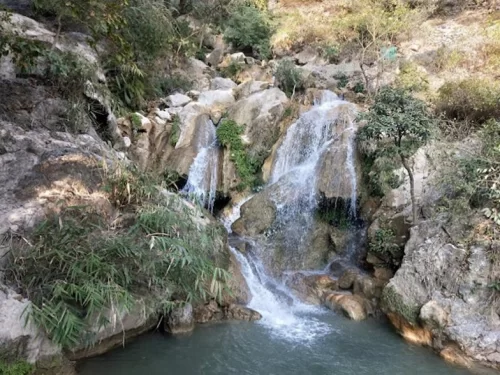
Garud Chatti Waterfall Rishikesh scenic natural cascade with rocky pools and lush greenery near Neelkanth Road Waterfall

Garud Chatti Waterfall

Garud Chatti Waterfall is a picturesque waterfall near Rishikesh, perfect for trekking enthusiasts and nature lovers seeking tranquility.

Frequently Asked Questions About Janki setu

Loved this place ? Let’s Plan Your Uttarakhand Trip

Get customized Uttarakhand tour planning designed around seasonal weather changes, hill road travel timing, pilgrimage flow, and comfort-based pacing. Whether you are visiting for spiritual journeys, Himalayan views, wildlife reserves, river valleys, or p

⚡ Quick Response | 💰 Free consultation | 🕒 24×7 expert support

×

Plan Your Trip