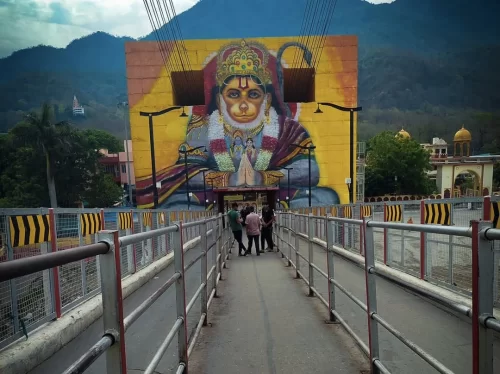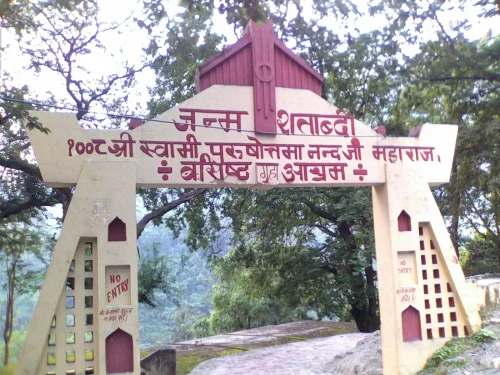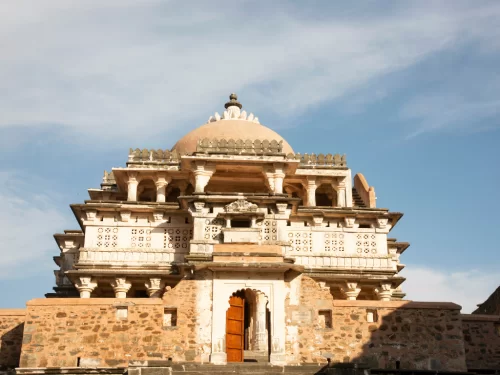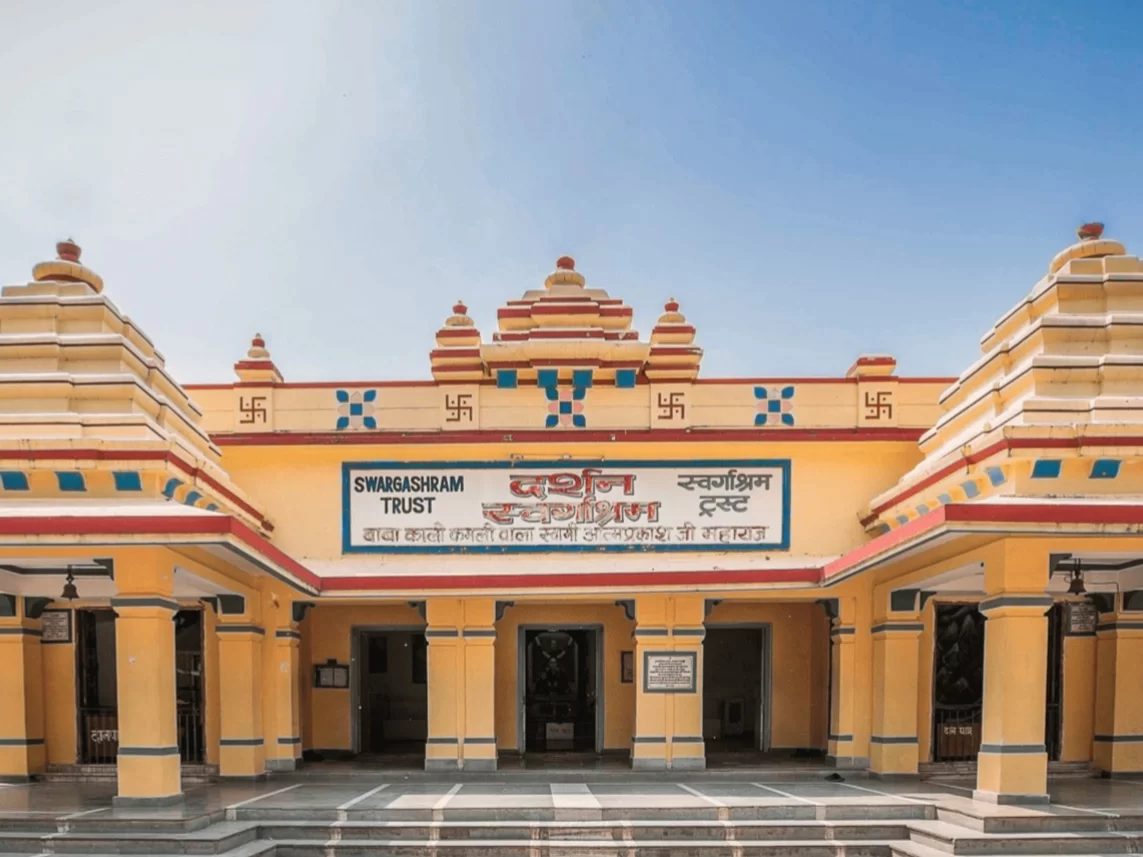
Quick Facts About Swarg Ashram
| Entry Fee | Free |
| Timings | 05:00 - 21:00 |
| Altitude (m) | 372 |
| Ideal Visit Duration (hrs) | 2 |
| Best Time of Day | Morning |
| Crowd Level | Moderate |
| Distance from City Centre (km) | 2 |
| Walking Difficulty | Moderate |
| Parking Available | No |
| Last Mile Access | Walk |
| Suitable for Kids | Yes |
| Suitable for Seniors | Yes |
| Wheelchair Friendly | No |
Why Visit Swarg Ashram
Swarg Ashram is a spiritual hub in Rishikesh where visitors can immerse themselves in the essence of Indian spiritual life. The area is dotted with multiple ashrams, temples, and meditation centers, making it an ideal destination for those seeking reflection, learning, or devotional activities.
The atmosphere here is peaceful yet vibrant, with sounds of morning chants, temple bells, and flowing river water creating a serene environment. Visitors can join yoga sessions, attend spiritual discourses, or simply stroll along the Ganga ghats to observe daily rituals and river activities.
What makes Swarg Ashram special is its combination of spiritual practice, cultural authenticity, and riverside beauty. Unlike standalone temples, this area offers a living experience of Rishikesh’s monastic lifestyle, with local devotees, foreign visitors, and spiritual seekers interacting in a unique and harmonious setting.
Religious Significance
Swarg Ashram is one of the most revered spiritual settlements in Rishikesh, historically recognized as a center for Hindu monastic life. It is believed that sages and saints have meditated here for centuries along the banks of the Ganga, contributing to its spiritual sanctity.
The area hosts numerous ashrams, each dedicated to specific spiritual teachings and practices, including yoga, meditation, and study of sacred texts. The riverside location amplifies its religious importance, as devotees perform daily rituals, prayers, and ceremonial aartis on the ghats.
Swarg Ashram also serves as a hub for cultural and spiritual learning, attracting both Indian and international visitors who wish to engage in extended study, retreats, or participate in traditional rituals. Its continuous use as a spiritual center preserves the living heritage of Rishikesh.
Best Time to Visit Swarg Ashram
The most comfortable period to visit Swarg Ashram is from October to March when Rishikesh experiences cool and pleasant weather. This makes walking along the riverfront, exploring ashrams, and attending spiritual activities enjoyable without the discomfort of extreme heat or humidity.
Early mornings are ideal for quiet meditation, yoga, and observing daily rituals, while late afternoons provide soft lighting for photography along the Ganga and in the ashram areas. Summers can be hot during midday, and monsoon months may make riverside pathways slippery, so extra caution is needed.
- October to March offers the most comfortable weather for visiting and exploring
- Early mornings provide a serene environment for meditation and rituals
- Late afternoons are perfect for scenic photography along the river
- Summer visits are best during early mornings or late evenings to avoid heat
- Monsoon season requires caution due to slippery pathways near the Ganga
How to Reach Swarg Ashram
- By Air: The nearest airport is Jolly Grant Airport in Dehradun, about 22 km away. Taxis and private cabs can reach Swarg Ashram in 45-60 minutes depending on traffic.
- By Train: Rishikesh Railway Station is around 2 km from Swarg Ashram and well-connected to Haridwar and Dehradun. Auto-rickshaws or taxis provide easy access from the station.
- By Road: State and private buses connect Rishikesh to Delhi, Haridwar, and Dehradun. Private taxis or rented cars can drop visitors near the main entrance of Swarg Ashram.
- Local Transport: Auto-rickshaws, e-rickshaws, and cycle rickshaws operate within Swarg Ashram and nearby areas, making short-distance travel convenient.
- On Foot: Many hotels and guesthouses in Tapovan or Swargashram are within walking distance. Walking along the riverfront is scenic but involves narrow pathways in some areas.
What to Expect When You Visit Swarg Ashram
- A peaceful and spiritual environment with multiple ashrams, temples, and meditation centers along the Ganga riverfront.
- Daily rituals, aartis, and chanting by local devotees, providing an authentic experience of Hindu spiritual practices.
- Opportunities to join yoga sessions, meditation programs, or spiritual discourses in various ashrams.
- Scenic riverside paths and ghats ideal for photography, quiet reflection, or leisurely walks.
- Moderate crowd levels; mornings are quieter, while afternoons and weekends see more visitors.
- Limited basic facilities such as seating areas, drinking water points, and small shops near ashrams.
- Family-friendly environment suitable for children, seniors, and spiritual seekers of all ages.
Important Visitor Information
- Crowd & Weather Notes: Swarg Ashram is moderately crowded, with peak visitors during weekends and festivals. October to March offers pleasant weather, while summer afternoons can be hot and monsoon months make riverfront paths slippery.
- Peak / Quiet Hours: Early mornings (6 AM to 9 AM) are the quietest for meditation and rituals. Late mornings to afternoon have moderate visitor activity.
- Dress Code: Modest attire is recommended, covering shoulders and knees. Comfortable footwear is advised for walking along the riverfront and temple areas.
- Safety Notes: Generally safe for visitors, but supervise children near the river. Exercise caution on narrow lanes and slippery paths during monsoon season.
Photography and Viewpoint
- Swarg Ashram’s riverside location provides excellent photography opportunities, with the Ganga, ghats, and surrounding hills forming a scenic backdrop.
- Early mornings are ideal for capturing serene shots of the ashrams and river with minimal crowds and soft natural light.
- Late afternoons offer warm, golden-hour lighting perfect for photographing temple structures, meditation spaces, and the flowing river.
- Walking along the ghats allows for varied perspectives, including wide shots of multiple ashrams and close-ups of architectural details.
- Festival days and daily aartis provide dynamic photography subjects, including rituals, devotees, and ceremonial activities.
- Narrow pathways can limit tripod usage; handheld photography is recommended for flexibility and better angles.