Shree Guru Ram Rai Darbar Sahib Dehradun, Uttarakhand, India

Shree Guru Ram Rai Darbar Sahib , Dehradun
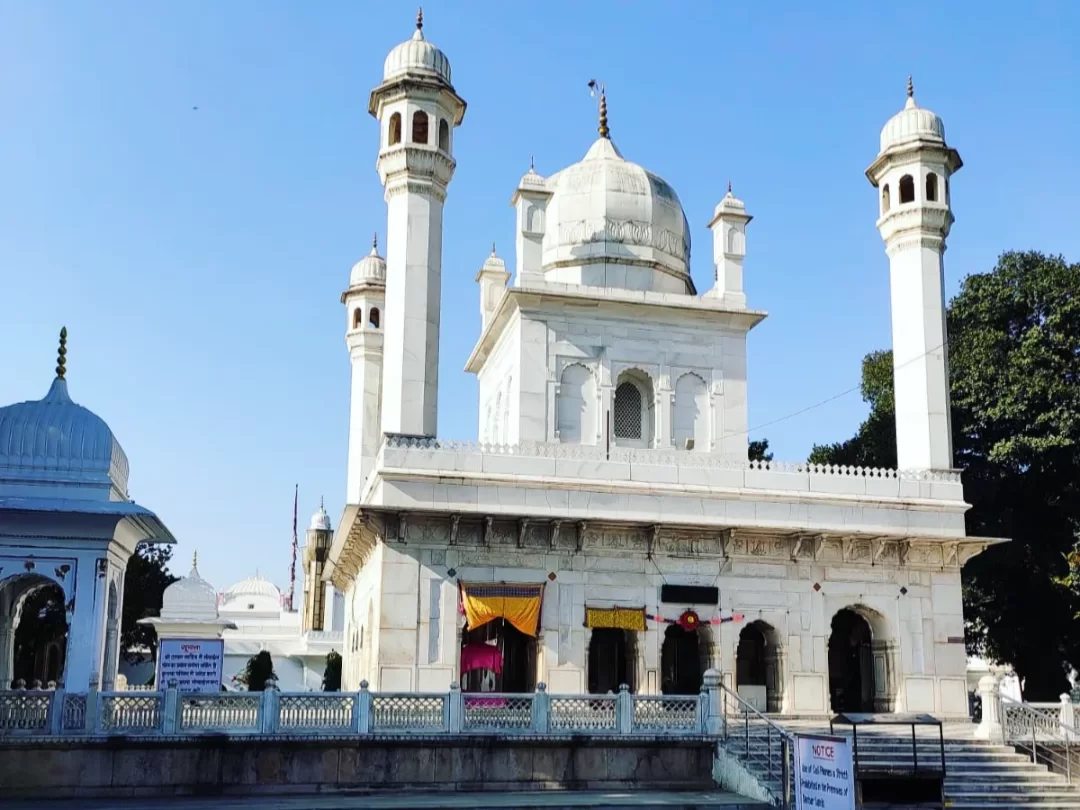
Visitors come to the Darbar Sahib for worship and to observe its distinctive Mughal-influenced architecture and wall frescoes dating back to the 17th century. The complex is associated with Guru Ram Rai, the eldest son of the seventh Sikh Guru, and remains an active place of congregation, especially during the annual Jhanda Mela.

Quick Facts About Shree Guru Ram Rai Darbar Sahib

Entry Fee Free
Timings 05:00 - 21:00
Altitude (m) 640
Ideal Visit Duration (hrs) 1
Best Time of Day Evening
Crowd Level High
Distance from Dehradun (km) 1
Walking Difficulty Easy
Parking Available No
Last Mile Access Walk
Suitable for Kids Yes
Suitable for Seniors Yes
Wheelchair Friendly No

Why Visit Shree Guru Ram Rai Darbar Sahib, Dehradun

Shree Guru Ram Rai Darbar Sahib in Dehradun attracts devotees and visitors for its historical and spiritual importance linked to Guru Ram Rai, the eldest son of the seventh Sikh Guru, Har Rai. Located in the heart of the city, the complex serves as a major religious center and gathering place, especially during the annual Jhanda Mela.

The atmosphere within the Darbar Sahib complex is devotional and organized, with steady footfall throughout the day. The structure features Mughal-influenced architectural elements, painted ceilings, and a central courtyard, while daily prayers and rituals maintain an active spiritual environment.

What makes Shree Guru Ram Rai Darbar Sahib distinct is its blend of Sikh heritage and local Uttarakhand traditions, along with its long-standing role in shaping Dehradun’s religious landscape. Unlike conventional gurdwaras, the complex reflects a unique historical lineage and regional following rooted in the city’s development.

History of Shree Guru Ram Rai Darbar Sahib, Dehradun

Shree Guru Ram Rai Darbar Sahib is a historic Sikh shrine located in the heart of Dehradun, Uttarakhand. The shrine was established in the late 17th century by Guru Ram Rai, the eldest son of the seventh Sikh Guru, Guru Har Rai. Guru Ram Rai settled in the Doon Valley around 1676 under the patronage of Mughal Emperor Aurangzeb, leading to the foundation of the settlement that later developed into the city of Dehradun.

The present Darbar Sahib complex reflects Mughal-influenced architectural elements, including domes, arches, and fresco work. The shrine became the center of the Udasi sect established by Guru Ram Rai, and it played a pivotal role in shaping the early urban and religious identity of the Doon Valley.

Shree Guru Ram Rai Darbar Sahib remains an active religious institution and the focal point of the annual Jhanda Mela, a major event that attracts devotees from across northern India. Its historical significance lies in its direct association with the founding phase of Dehradun and the continued religious traditions linked to the Udasi lineage.

Best Time to Visit – Shree Guru Ram Rai Darbar Sahib Dehradun

Shree Guru Ram Rai Darbar Sahib in central Dehradun can be visited year-round, but overall comfort depends on seasonal heat and major religious gatherings, as the complex attracts large footfall during its annual fair.
  • Ideal months: October to March offers the most comfortable weather for darshan and exploring the historic complex.
  • Weather during the best season: Winter and early spring bring mild daytime temperatures (approximately 8–25°C), lower humidity, and pleasant conditions for walking around the courtyard and nearby Paltan Bazaar area.
  • Periods to avoid (and why): April to June afternoons can become hot, often exceeding 35°C, making outdoor waiting less comfortable. July to September sees monsoon rainfall in Dehradun, which may cause waterlogging in surrounding streets. The annual Jhanda Fair (usually in March) draws very high footfall, leading to longer waiting times despite favorable weather.

How to Reach Shree Guru Ram Rai Darbar Sahib Dehradun

  • Nearest Airport: Jolly Grant Airport, Dehradun (approximately 25–30 km from the Darbar Sahib). The airport has regular connectivity to Delhi and select Indian cities. Taxis from the airport to central Dehradun typically take 45–60 minutes depending on traffic.
  • Nearest Railway Station: Dehradun Railway Station (approximately 1.5–2 km from the shrine) is the nearest major railhead with strong connectivity to Delhi and other North Indian cities. Auto-rickshaws, e-rickshaws, and taxis are easily available outside the station for short transfers.
  • Road Access & Last-Mile Connectivity: Shree Guru Ram Rai Darbar Sahib is located in the Paltan Bazaar area in central Dehradun and is directly accessible by taxi, auto-rickshaw, and city bus. Parking in the immediate vicinity is limited due to narrow market lanes; visitors often park at designated city parking areas and walk the remaining distance. Traffic congestion increases during the Jhanda Mela festival and peak market hours.

What to Expect When You Visit Shree Guru Ram Rai Darbar Sahib Dehradun

  • Environment and Surroundings: Shree Guru Ram Rai Darbar Sahib is located in the central Paltan Bazaar area of Dehradun, Uttarakhand. The complex is set within a busy market locality but maintains a distinct enclosed courtyard atmosphere once inside. The structure features Mughal-influenced architecture, arched gateways, domes, and historic wall paintings. The main prayer hall is spacious but enclosed. During the annual Jhanda Mela (held around March), the surrounding area becomes heavily crowded.
  • Facilities and Amenities: The complex includes designated prayer areas, shoe deposit counters, and drinking water facilities. Basic public toilet facilities are available within or near the premises. Small shops and vendors operate outside the main gate selling religious items and refreshments. Seating is available within the courtyard and prayer hall, but space fills quickly during peak gatherings.
  • Accessibility and Movement: The Darbar Sahib is directly accessible by road within Dehradun city, approximately 2–3 km from Dehradun Railway Station. Parking in the immediate Paltan Bazaar area is limited, and visitors often need to park at designated public parking zones and walk. Entry into the complex is through a main gate followed by open courtyard access. Footwear must be removed before entering the prayer hall.
  • Typical Visitor Behavior and Conditions: The site attracts devotees from the Udasi sect as well as general visitors. Daily footfall is steady, with higher numbers during the Jhanda Mela and other religious observances. Visitors typically spend 30–60 minutes inside the complex for prayer and quiet sitting. During major events, crowd management measures are implemented, and queues may extend into surrounding lanes.

Important Visitor Information – Shree Guru Ram Rai Darbar Sahib Dehradun

  • Crowd & Weather Notes: The Darbar Sahib sees steady devotee flow throughout the year, with significantly higher crowds during the annual Jhanda Mela (usually March) and major Sikh and local religious observances. Summers (April to June) can be warm in the courtyard areas, while monsoon (July to September) brings occasional rainfall but generally does not disrupt visits.
  • Peak / Quiet Hours: Late mornings between 9:00 AM and 12:00 PM and evening prayer hours are typically the busiest. Weekday afternoons outside festival periods are comparatively quieter.
  • Dress Code: Modest attire is expected within the shrine complex. Visitors must remove footwear before entering and cover their heads inside the main prayer hall, in keeping with Sikh tradition.
  • Safety Notes: The complex is located in central Dehradun with narrow approach lanes that can become congested during festivals. Stone flooring may be slippery during monsoon. Visitors should follow queue arrangements and maintain decorum inside the prayer hall. Basic facilities and parking are available nearby, though access may be regulated during major events.

Photography and Viewpoints – Shree Guru Ram Rai Darbar Sahib Dehradun

  • Best viewpoints/angles: The central courtyard offers the strongest full-frontal composition of the white façade and domed structure; position near the main entrance axis to frame the arches symmetrically; side angles along the courtyard highlight Mughal-influenced arches and wall fresco details; the reflective marble flooring can be used for low-angle symmetry shots.
  • Lighting & time-of-day: Early morning provides softer light on the white structure and fewer shadows across the courtyard; late afternoon enhances façade details with angled illumination; interiors are comparatively dim, with artificial lighting affecting color balance.
  • Rules/restrictions: Photography inside prayer halls may be restricted—always confirm with on-site authorities; avoid flash photography during religious proceedings; maintain decorum and avoid photographing devotees without consent; drone usage may require prior administrative permission.
  • Crowd & access factors: The complex sees higher footfall during religious events and weekends, limiting uninterrupted courtyard compositions; early weekday mornings provide quieter access; security checks at entry may regulate equipment movement.

Near By Attraction

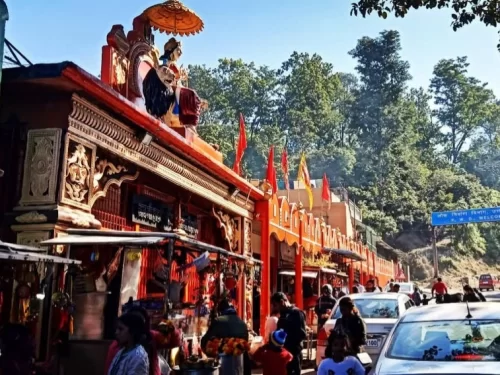
Jai Maa Daat Kali Temple in Dehradun, Uttarakhand with vibrant red façade and devotees offering prayers, a popular roadside shrine included in Uttarakhand tour packages Temple

Jai Maa Daat Kali Temple

Jai Maa Daat Kali Temple is a Hindu temple dedicated to Goddess Kali, located along the Dehradun–Saharanpur Road near the city entrance in Dehradun, Uttarakhand, India.

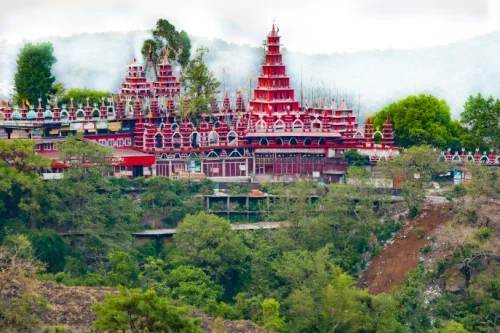
White Buddha Temple in Dehradun, Uttarakhand surrounded by greenery, a peaceful landmark featured in Uttarakhand tour packages Temple

Buddha Temple

Buddha Temple, commonly known as the Mindrolling Monastery, is a large Tibetan Buddhist monastery complex located in Clement Town, Dehradun, Uttarakhand, India.

Shikhar Falls in Dehradun, Uttarakhand with water cascading over rocky cliffs into a natural pool, a serene stop included in Uttarakhand tour packages Waterfall

Shikhar Falls

Shikhar Falls is a natural waterfall formed along a tributary of the Rispana River, located on the outskirts of Dehradun, Uttarakhand, India.

Frequently Asked Questions About Shree Guru Ram Rai Darbar Sahib

Shree Guru Ram Rai Darbar Sahib is located in the heart of Dehradun, Uttarakhand, near Paltan Bazaar and the main city market area.
Shree Guru Ram Rai Darbar Sahib is generally open daily from early morning around 5 am until late evening around 9 pm. Timings may vary slightly during major religious events in Dehradun, Uttarakhand.
There is no entry fee to visit Shree Guru Ram Rai Darbar Sahib. Visitors can enter the premises freely and may offer donations voluntarily.
Visitors can reach Shree Guru Ram Rai Darbar Sahib easily by road from different parts of Dehradun, Uttarakhand. The nearest railway station is Dehradun Railway Station, and Jolly Grant Airport serves as the closest airport.
The best time to visit Shree Guru Ram Rai Darbar Sahib is between October and March when the weather in Dehradun, Uttarakhand remains pleasant. Early mornings and evenings are usually more peaceful.
Most travelers spend about 45 minutes to 1 hour at Shree Guru Ram Rai Darbar Sahib. Additional time may be needed during prayer sessions or festival days.
Shree Guru Ram Rai Darbar Sahib becomes crowded during major religious festivals and special occasions. Regular weekdays are comparatively less busy for visitors.
Prayer ceremonies are conducted daily at Shree Guru Ram Rai Darbar Sahib. Visitors can participate respectfully by following temple guidelines.
Shree Guru Ram Rai Darbar Sahib is suitable for family visits, and the premises are generally safe and well maintained. Visitors should ensure children follow basic safety and decorum rules.
Food outlets and local restaurants are available within walking distance of Shree Guru Ram Rai Darbar Sahib in Dehradun, Uttarakhand. Basic restroom facilities are also accessible near the complex.

Loved this place ? Let’s Plan Your Uttarakhand Trip

Get customized Uttarakhand tour planning designed around seasonal weather changes, hill road travel timing, pilgrimage flow, and comfort-based pacing. Whether you are visiting for spiritual journeys, Himalayan views, wildlife reserves, river valleys, or p

⚡ Quick Response | 💰 Free consultation | 🕒 24×7 expert support

×

Plan Your Trip