Quick Facts About Jai Maa Daat Kali Temple
| Entry Fee | Free |
| Timings | 05:00 - 21:00 |
| Altitude (m) | 700 |
| Ideal Visit Duration (hrs) | 1 |
| Best Time of Day | Morning |
| Crowd Level | Moderate |
| Distance from Dehradun (km) | 14 |
| Walking Difficulty | Easy |
| Parking Available | Yes |
| Last Mile Access | Road |
| Suitable for Kids | Yes |
| Suitable for Seniors | Yes |
| Wheelchair Friendly | No |
Why Visit Jai Maa Daat Kali Temple, Dehradun
Jai Maa Daat Kali Temple in Dehradun attracts devotees traveling between Dehradun and Saharanpur, as it is located near the entrance of the Dat Kali Tunnel on the highway. Visitors stop here to offer prayers to Goddess Kali before beginning or completing their journey, making it a commonly visited roadside shrine.
The atmosphere at the temple is devotional and steady throughout the day, with a continuous flow of worshippers rather than concentrated tourist crowds. The setting is compact, positioned along a forested hillside near the tunnel approach, and regular aarti rituals take place inside the shrine.
What makes Jai Maa Daat Kali Temple distinct is its strategic location along a major transit route, where many travelers pause specifically for blessings before entering the hill region. Unlike destination temples reached by long treks, this shrine functions as a faith-based stop integrated directly into a highway corridor.
History of Jai Maa Daat Kali Temple, Dehradun
Jai Maa Daat Kali Temple is a revered Hindu shrine located near the entrance of the Doon Valley along the Dehradun–Saharanpur road in Uttarakhand. The temple is dedicated to Goddess Kali and is believed by local tradition to be several centuries old, though the present structure has undergone multiple renovations over time.
The shrine is closely associated with the historic route connecting the plains of North India to the Doon Valley and further into the Garhwal Himalayas. Travelers and traders historically halted at this location to offer prayers before entering the valley, contributing to its long-standing devotional importance.
Jai Maa Daat Kali Temple continues to function as an active place of worship, drawing devotees throughout the year and during Navratri festivals. Its historical identity is rooted in sustained local religious practice and its geographic position as a gateway shrine to Dehradun.
Best Time to Visit – Jai Maa Daat Kali Temple Dehradun
Jai Maa Daat Kali Temple, located along the Dehradun–Saharanpur highway near the forested foothills, can be visited year-round, but weather and festival crowds significantly influence comfort and travel conditions.
- Ideal months: October to March offers the most comfortable climate for darshan and short stops while entering or leaving Dehradun.
- Weather during the best season: Winter and early spring bring mild daytime temperatures (approximately 8–25°C), clearer skies, and comfortable conditions for visiting the temple complex without excessive heat.
- Periods to avoid (and why): April to June afternoons can be hot, often exceeding 35°C, making waiting areas uncomfortable. July to September sees monsoon rainfall in Dehradun, which may lead to slippery steps and traffic slowdowns on the highway. Navratri draws very high footfall, resulting in longer darshan queues regardless of season.
How to Reach Jai Maa Daat Kali Temple Dehradun
- Nearest Airport: Jolly Grant Airport, Dehradun (approximately 35–40 km from the temple). The airport has regular connectivity to Delhi and select Indian cities. Taxis to the temple area typically take 1–1.5 hours depending on highway traffic conditions.
- Nearest Railway Station: Dehradun Railway Station (approximately 14–15 km from the temple) is the nearest major railhead with strong connectivity to Delhi and other North Indian cities. From the station, taxis and auto-rickshaws are readily available.
- Road Access & Last-Mile Connectivity: Jai Maa Daat Kali Temple is located on the Dehradun–Saharanpur Road (NH 7), just before the entrance to the Shivalik foothills and near the Uttarakhand–Uttar Pradesh border. The temple is directly accessible by private vehicle, taxi, and interstate buses operating on the Dehradun–Saharanpur route. Limited roadside parking is available near the entrance. As the temple sits along a busy highway stretch, traffic congestion can occur during peak travel hours and festive occasions.
What to Expect When You Visit Jai Maa Daat Kali Temple Dehradun
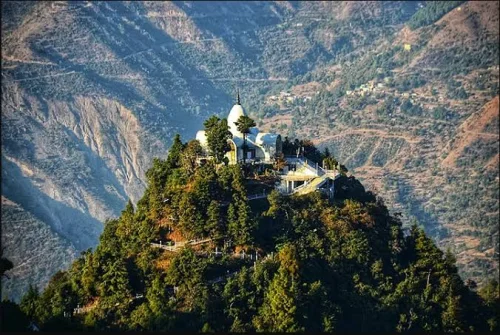
- Environment and Surroundings: Jai Maa Daat Kali Temple is located along the Dehradun–Saharanpur road near the entrance of the Shivalik hills in Uttarakhand. The temple is set close to the roadside, surrounded by forested slopes and hill terrain. The atmosphere is devotional but active due to continuous vehicle movement nearby. The setting is compact rather than expansive. During monsoon (July to September), surrounding greenery increases, but the approach area may be wet and slippery.
- Facilities and Amenities: The temple has designated entry and exit points, prasad and flower stalls near the entrance, and basic public toilet facilities in the vicinity. Drinking water may be available within the premises. Seating space inside the temple area is limited, and most visitors proceed through in a continuous darshan line. Waste bins are present but maintenance varies during peak hours.
- Accessibility and Movement: The temple is directly accessible by motorable road and is approximately 14–15 km from Dehradun city centre. Parking space is available along designated roadside areas but can become congested, especially on weekends. Movement inside the temple involves walking through a covered passage leading to the sanctum. Footwear must be removed before entering the inner shrine.
- Typical Visitor Behavior and Conditions: The temple attracts steady daily footfall, particularly from travellers passing between Dehradun and Saharanpur. Crowds increase on Tuesdays, Saturdays, Navratri, and other major Hindu festivals. Visitors typically spend 15–30 minutes for darshan. During peak festival days, queues extend outside the main entrance and waiting times increase significantly.
Important Visitor Information – Jai Maa Daat Kali Temple Dehradun
- Crowd & Weather Notes: The temple experiences steady daily devotee flow, with significantly higher crowds during Navratri and on weekends. Being located along the Dehradun–Saharanpur highway near the forested outskirts, summer afternoons (April to June) can be warm, while monsoon (July to September) brings frequent rain and damp surroundings.
- Peak / Quiet Hours: Morning hours between 8:00 AM and 11:00 AM and evening aarti time are typically the busiest. Weekday afternoons outside festival periods are comparatively less crowded.
- Dress Code: Modest attire is expected inside the temple premises. Footwear must be removed before entering the shrine area. Conservative clothing covering shoulders and knees is advisable.
- Safety Notes: The temple is situated adjacent to a busy highway; visitors should exercise caution while crossing and parking. Stone flooring inside the shrine can become slippery during monsoon. During Navratri and major festivals, crowd density increases and queue management is enforced.
Photography and Viewpoints – Jai Maa Daat Kali Temple Dehradun
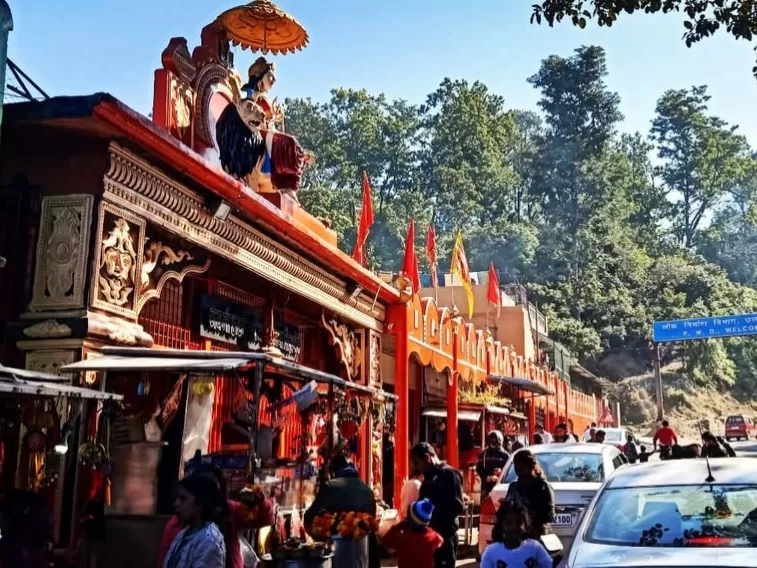
- Best viewpoints/angles: The red-and-white temple entrance set against the hillside is best captured from the open forecourt before the main gate; slight diagonal angles highlight the façade with surrounding Shivalik slopes; interior courtyard frames work well for capturing the shrine approach, though sanctum views are limited.
- Lighting & time-of-day: Early morning offers softer light on the temple façade and fewer shadows across the courtyard; late afternoon enhances color contrast against the green hillside; overcast conditions during monsoon create even lighting but may dull surrounding landscape clarity.
- Rules/restrictions: Photography inside the sanctum (garbhagriha) is generally not permitted; always follow temple signage and instructions during active ???? (worship); flash photography near the deity is discouraged; drone use may require prior administrative permission due to highway proximity and local regulations.
- Crowd & access factors: The temple receives steady footfall throughout the day, especially from highway travelers and during Navratri, limiting uninterrupted entrance shots; early mornings provide relatively quieter access; parking is available nearby, but the forecourt area can become congested during peak hours.