Quick Facts About Parmarth Niketan Ashram
| Entry Fee | Free |
| Timings | 00:00 - 23:59 |
| Altitude (m) | 372 |
| Ideal Visit Duration (hrs) | 2 |
| Best Time of Day | Morning |
| Crowd Level | High |
| Distance from City Centre (km) | 5 |
| Walking Difficulty | Easy |
| Parking Available | No |
| Last Mile Access | Walk |
| Suitable for Kids | Yes |
| Suitable for Seniors | Yes |
| Wheelchair Friendly | No |
Why Visit Parmarth Niketan Ashram
Parmarth Niketan Ashram is a central hub for spirituality, yoga, and meditation in Rishikesh. Visitors come to participate in yoga classes, meditation sessions, and wellness programs, or simply to experience the serene riverside environment that supports reflection and mindfulness.
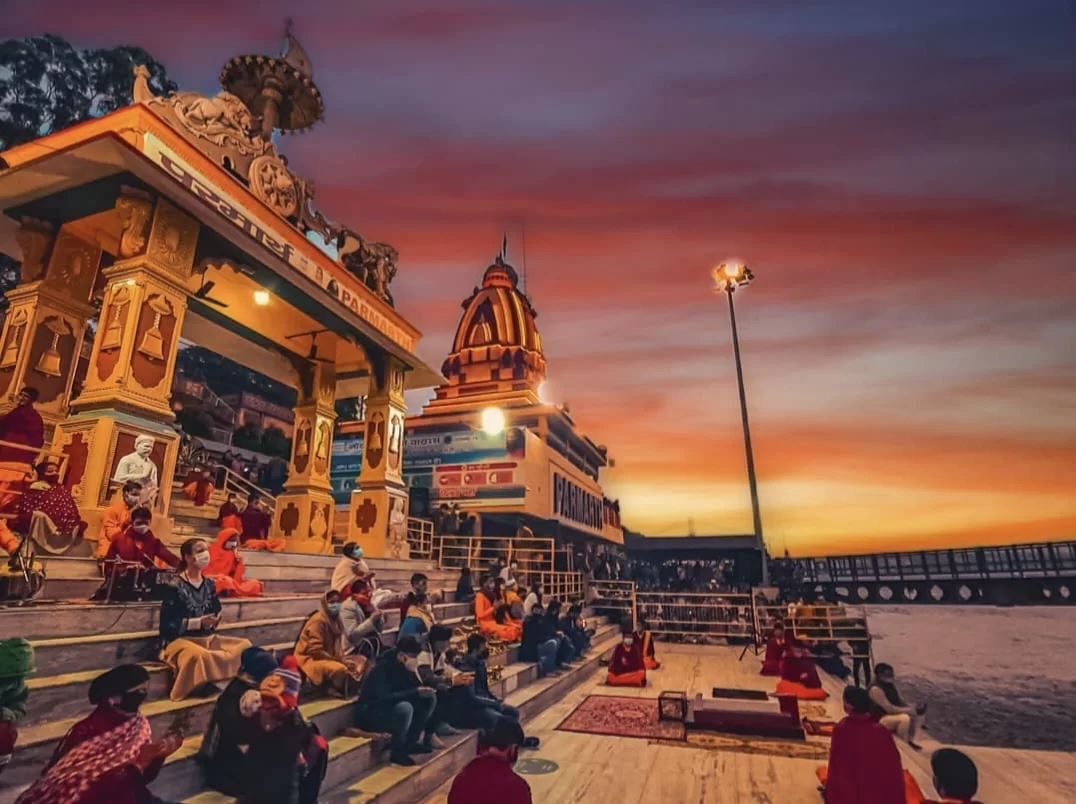
The atmosphere is vibrant yet peaceful. Early mornings are filled with chanting, yoga practice, and the gentle flow of the Ganga, while evenings feature the mesmerizing Ganga Aarti, where devotees gather to offer prayers and light lamps, creating a visually and spiritually rich experience.
What makes Parmarth Niketan special is its combination of structured spiritual programs and natural surroundings. The ashram’s expansive riverfront, clean facilities, and welcoming environment make it suitable for beginners, seasoned practitioners, families, and solo travelers alike. It is one of the few ashrams in Rishikesh that provides a comprehensive experience of yoga, meditation, and devotional practices in a single location.
The ashram also hosts festivals, special workshops, and international retreats, making it a center for both local spiritual life and global wellness tourism. Visitors gain insight into traditional practices while enjoying accessible infrastructure and a safe, immersive environment.
History
Parmarth Niketan Ashram was founded in 1942 by Pujya Swami Shukdevanandaji Maharaj with the aim of promoting spiritual education, yoga, and humanitarian work. Over the decades, it has grown into one of the largest ashrams in Rishikesh, attracting spiritual seekers from across India and the world.
The ashram is renowned for its role in preserving and teaching traditional yoga and meditation practices. It offers structured classes, workshops, and retreats in Hatha Yoga, Raja Yoga, and other spiritual disciplines, making it a prominent center for holistic wellness.
Parmarth Niketan also plays a key role in community and environmental initiatives, including the annual Ganga cleaning drives and spiritual festivals. Its riverside location on the Ganga adds to its prominence, with the daily Ganga Aarti serving as a central spiritual and cultural gathering that draws both locals and international visitors.
Best Time to Visit Parmarth Niketan Ashram
The most suitable time to visit Parmarth Niketan Ashram is from October to March, when the weather in Rishikesh is cool and pleasant. During these months, the riverfront is comfortable for walking, meditation sessions can be enjoyed outdoors, and the overall environment is more serene.
Summers, from April to June, can get hot during the day, but early mornings and late evenings remain ideal for yoga, meditation, and riverfront activities. Monsoon months, from July to September, bring heavy rainfall, slippery paths, and occasional restricted access to riverfront areas.
- October to March provides comfortable weather for outdoor yoga and meditation
- Early mornings are ideal for quiet reflection and serene photography
- Summer mornings and evenings are manageable for activities, avoiding peak heat
- Monsoon months require caution due to wet and slippery riverfront paths
How to Reach Parmarth Niketan Ashram
- By Air: The nearest airport is Jolly Grant Airport in Dehradun, approximately 22 km from the ashram. Taxis and private cabs are available and the drive takes around 45-60 minutes depending on traffic.
- By Train: Rishikesh Railway Station is about 5 km away. It is well-connected to cities like Haridwar and Dehradun. From the station, taxis, auto-rickshaws, or e-rickshaws can reach the ashram.
- By Road: Rishikesh is well-connected by state and private buses from Delhi, Haridwar, and Dehradun. Private taxis and shared cabs can drop visitors directly at the ashram entrance.
- Local Transport: Auto-rickshaws, cycle rickshaws, and e-rickshaws operate locally. Short walks may be required from drop-off points to reach the main ashram complex.
- On Foot: Visitors staying in Tapovan or Swargashram can easily walk to Parmarth Niketan along the Ganga riverfront. Paths are paved and well-maintained, suitable for most walkers.
What to Expect When You Visit Parmarth Niketan Ashram
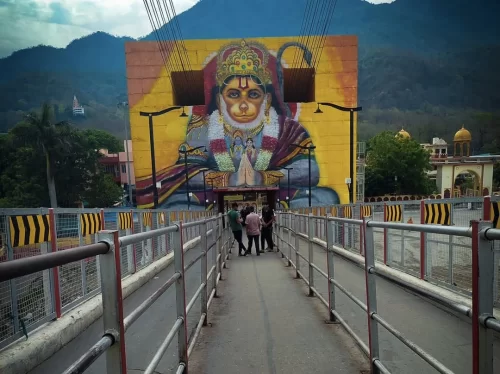
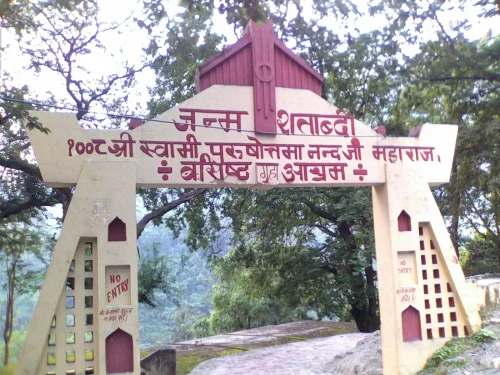
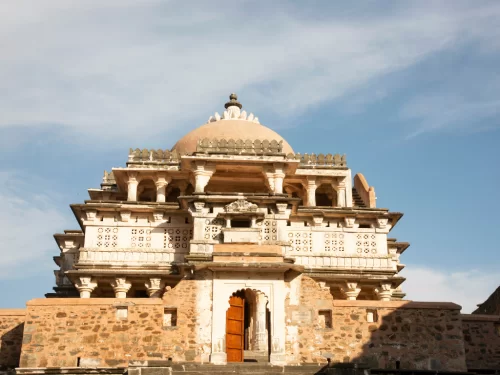
- A serene riverside environment with well-maintained gardens, walking paths, and spaces for meditation and yoga practice.
- Daily yoga and meditation sessions that are open to visitors, providing a structured spiritual experience.
- The evening Ganga Aarti, a visually and spiritually immersive ceremony that draws large crowds of devotees and tourists.
- Clean and organized facilities, including vegetarian dining areas, accommodation for overnight stays, and dedicated spiritual halls.
- Opportunities to participate in workshops, spiritual discourses, and wellness programs offered by the ashram.
- A family-friendly atmosphere, with spaces suitable for children and seniors, though some areas near the river may require supervision.
- A mix of local and international visitors, creating a diverse, culturally rich environment with interactions across different backgrounds.
Important Visitor Information
- Crowd & Weather Notes: The ashram is busiest during the Ganga Aarti in the evenings and on festival days. October to March offers comfortable weather; summers can be hot, and monsoon rains may affect riverfront access.
- Peak / Quiet Hours: Early mornings (6 AM to 9 AM) are quieter and ideal for yoga, meditation, and photography. Peak hours are late afternoon and evenings during the Ganga Aarti.
- Dress Code: Modest, comfortable clothing is recommended, especially for participating in yoga or visiting spiritual spaces. Light layers help during cooler mornings or sun exposure during the day.
- Safety Notes: The ashram is generally safe, but supervision is advised near river edges. Wear comfortable shoes for walking on paved and sometimes uneven paths. Children and seniors should be accompanied during visits.
Photography and Viewpoint
- The best viewpoints are along the riverfront, especially near the main Ganga Aarti area, offering wide-angle shots of the ashram buildings with the Ganga in the background.
- Early mornings provide soft natural light for capturing yoga sessions, meditation practices, and serene river views with minimal crowds.
- Sunset is ideal for photographing the Ganga Aarti, with lamps, fire offerings, and reflections on the river creating vibrant and dynamic compositions.
- Gardens, courtyards, and ashram pathways provide interesting close-up and street-style photography opportunities, capturing both spiritual practices and daily ashram life.
- Seasonal changes affect photography: winter offers clear skies and crisp light, while monsoon months add lush greenery and misty river views, though access may be slightly restricted.
- Night photography is limited to well-lit areas near the main temple and Aarti setup; most other areas are dark and not recommended for handheld shots.