Mindrolling Monastery Dehradun Travel Guide Timings Entry and Visitor Information

Mindrolling Monastery , Dehradun
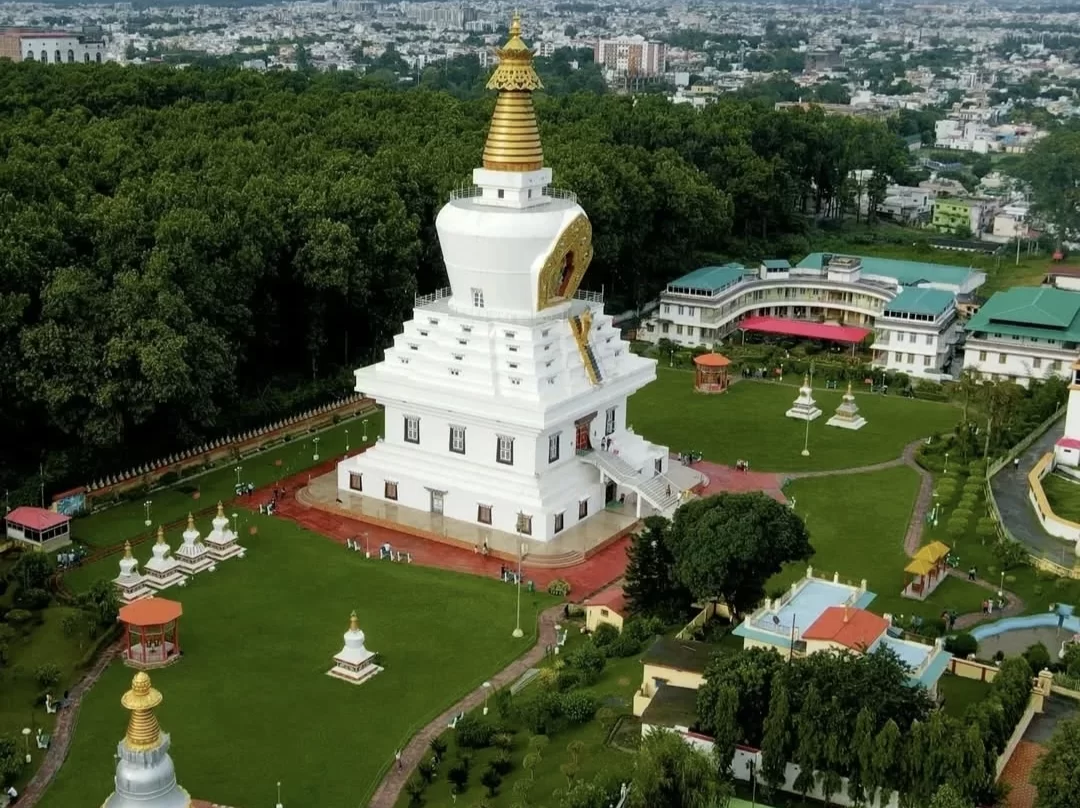
Mindrolling Monastery is located around 12 km from Dehradun city center and serves as a major center for Buddhist learning and meditation. The monastery complex features a large gilded stupa, prayer halls, beautiful gardens, and residential quarters for monks. Visitors can explore the temple grounds, attend prayer sessions, and observe Tibetan Buddhist rituals. The site is visually striking with colorful murals, ornate architecture, and serene walking paths. Footfall is generally moderate on weekdays but increases during Buddhist festivals. Facilities such as parking, guided tours, and small cafeterias are available for visitors. Photography is allowed in most areas, but respectful behavior is expected inside prayer halls.

Quick Facts About Mindrolling Monastery

Entry Fee Free
Timings 06:00 - 18:00
Altitude (m) 650
Ideal Visit Duration (hrs) 3
Best Time of Day Morning
Crowd Level Moderate
Distance from City Centre (km) 12
Walking Difficulty Easy
Parking Available Yes
Last Mile Access Walk
Suitable for Kids Yes
Suitable for Seniors Yes
Wheelchair Friendly No

Why Visit Mindrolling Monastery Dehradun

Mindrolling Monastery is a peaceful retreat offering a blend of spiritual learning, traditional Tibetan architecture, and beautifully landscaped gardens. Visitors come here to witness the grand stupa, vibrant murals, and ceremonial rituals that provide an authentic insight into Tibetan Buddhist culture. The serene environment and organized monastery layout make it ideal for quiet reflection and leisurely exploration.

The atmosphere is calm and contemplative, with the sound of prayer bells, chanting monks, and flowing fountains creating a meditative ambience. Early mornings are particularly tranquil, while afternoons attract local devotees and tourists, adding gentle vibrancy to the grounds without disturbing the peaceful setting. Visitors are encouraged to maintain respectful behavior inside prayer halls to preserve the spiritual environment.

What makes Mindrolling Monastery special is its combination of scale, artistry, and spiritual significance. The large gilded stupa, intricate murals, and extensive meditation halls distinguish it from smaller temples, while the landscaped gardens provide quiet spaces for contemplation. The monastery functions as both a cultural landmark and an active center of Buddhist education, allowing visitors to experience authentic rituals and ceremonies firsthand.

Religious Significance and Background

Mindrolling Monastery was established in 1965 by Khochhen Rinpoche and other Tibetan lamas who fled Tibet following the Chinese occupation. It serves as one of the largest centers for Buddhist learning in India, preserving Tibetan culture, philosophy, and religious practices. The monastery houses extensive prayer halls, libraries, and meditation centers, functioning as both a spiritual and educational hub.

The grand stupa at Mindrolling, completed in 2002, symbolizes the enlightened mind of Buddha and is adorned with intricate murals and statues representing Buddhist teachings. Daily rituals, prayer sessions, and festival celebrations attract monks, devotees, and visitors, creating an environment deeply rooted in Tibetan Buddhist tradition. The monastery also offers guidance in meditation and philosophical studies for both resident monks and visiting practitioners.

The site continues to be a focal point for preserving Tibetan Buddhist heritage in India, hosting cultural events, spiritual retreats, and religious festivals that maintain traditional practices while making them accessible to national and international visitors.

Best Time to Visit Mindrolling Monastery Dehradun

The ideal time to visit Mindrolling Monastery is from October to March when the weather in Dehradun is cool and comfortable, making walks around the monastery gardens and stupa pleasant. Early mornings offer serene surroundings and fewer visitors, allowing for peaceful observation of prayer rituals. Summers from April to June are warmer but still manageable during early hours, while monsoon months (July to September) bring occasional heavy rainfall, making outdoor paths wet and slightly slippery.

Festival periods, particularly Losar (Tibetan New Year) and Buddha Jayanti, attract more visitors, so mornings are recommended for those seeking a quieter experience. Weekdays are generally less crowded compared to weekends when local devotees and tourists increase footfall significantly.
  • October to March offers comfortable weather and clear skies for exploring the monastery grounds
  • Early mornings (6:30 AM – 9:00 AM) provide calm atmosphere and fewer crowds
  • Weekdays are quieter than weekends and festival days
  • Avoid heavy monsoon days (July to September) to prevent slipping on wet paths
  • Festivals like Losar and Buddha Jayanti are visually vibrant but attract larger crowds

How to Reach Mindrolling Monastery Dehradun

  • By Air: The nearest airport is Jolly Grant Airport, approximately 28 km from the monastery. Taxis and app-based cabs are readily available and take around 45 to 60 minutes depending on traffic.
  • By Train: Dehradun Railway Station is about 12 km away. Visitors can hire taxis, auto rickshaws, or use local cabs for a comfortable 25-minute drive to the monastery.
  • By Road: Mindrolling Monastery is accessible via Rajpur Road and Rispana Road from central Dehradun. Private vehicles and two-wheelers can reach the parking area near the main entrance.
  • Local Transport: Shared autos and local buses run toward Rajpur and nearby areas. For the final stretch, short taxi or auto rides from drop points are recommended.
  • Last Mile Access: From the parking lot, visitors walk a short distance through landscaped gardens and temple gates to reach the prayer halls and stupa.
  • Driving Tip: Roads are usually clear on weekdays; weekends may have higher traffic due to devotees and tourists visiting nearby attractions.

What to Expect When You Visit Mindrolling Monastery Dehradun

  • A spacious monastery complex featuring a large gilded stupa, colorful prayer halls, and well-maintained gardens ideal for walking and contemplation.
  • Opportunities to observe Tibetan Buddhist rituals, daily prayers, and chanting sessions led by resident monks.
  • Intricate murals, statues, and traditional Tibetan architectural elements that provide insight into Buddhist art and culture.
  • Peaceful environment with flowing water fountains, shaded courtyards, and quiet meditation areas for visitors seeking reflection and calm.
  • Moderate crowd levels on weekdays, increasing during festivals, special prayer sessions, and weekends.
  • Facilities including parking, rest areas, small cafeterias, and souvenir shops located near the main entrance.
  • Photography is allowed in outdoor areas and gardens, while respectful behavior is required inside prayer halls.
  • Easy walking paths with gentle slopes; some areas have steps that may require careful movement for seniors and children.
  • Visitors can attend guided tours or participate in meditation sessions arranged by the monastery, providing a deeper cultural and spiritual experience.

Important Visitor Information

  • Crowd & Weather Notes: Moderate crowds on weekdays; weekends and festival days attract more visitors. Weather is cool and pleasant from October to March, hot in summer, and wet during monsoon, which may make paths slippery.
  • Peak Hours: 10:00 AM to 4:00 PM, especially during festivals and weekends when the gardens and stupa areas see the highest visitor flow.
  • Quiet Hours: Early mornings (6:30 AM – 9:00 AM) offer a serene experience for meditation, photography, and exploring the temple complex.
  • Dress Code: Modest clothing recommended; comfortable walking shoes suitable for paved paths and gentle slopes.
  • Safety Notes: Watch your step on steps and sloped pathways. Supervise children near fountains and garden areas. Follow temple guidelines and maintain silence inside prayer halls for safety and respect.

Photography and Viewpoint

  • Stupa Photography: The large gilded stupa provides a striking subject for photography, especially in early morning or late afternoon light when shadows enhance its intricate details.
  • Garden and Courtyard Shots: Landscaped gardens, fountains, and walking paths offer excellent framing opportunities for wide-angle and candid shots of visitors in a serene environment.
  • Temple Halls and Murals: Intricate murals, statues, and prayer halls provide rich detail for close-up photography, but visitors should avoid using flash and maintain quiet.
  • Best Time for Photos: Early morning hours provide soft light and minimal crowds, ideal for capturing the peaceful ambiance of the monastery.
  • Viewpoints: Elevated areas near the stupa and outer gardens provide panoramic views of the monastery complex and surrounding hills, perfect for landscape shots.
  • Etiquette: Maintain respect for worshippers while photographing. Flash photography and loud noises inside prayer halls are discouraged to preserve spiritual atmosphere.
  • Equipment Tips: Tripods are suitable in gardens and courtyard areas but may be restricted in crowded spaces. Waterproof covers are optional if visiting during monsoon season.

Near By Attraction

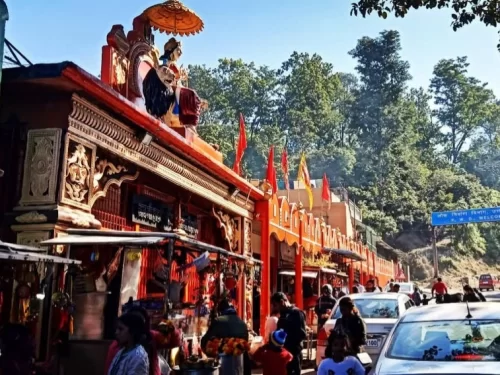
Jai Maa Daat Kali Temple in Dehradun, Uttarakhand with vibrant red façade and devotees offering prayers, a popular roadside shrine included in Uttarakhand tour packages Temple

Jai Maa Daat Kali Temple

Jai Maa Daat Kali Temple is a Hindu temple dedicated to Goddess Kali, located along the Dehradun–Saharanpur Road near the city entrance in Dehradun, Uttarakhand, India.

White Buddha Temple in Dehradun, Uttarakhand surrounded by greenery, a peaceful landmark featured in Uttarakhand tour packages Temple

Buddha Temple

Buddha Temple, commonly known as the Mindrolling Monastery, is a large Tibetan Buddhist monastery complex located in Clement Town, Dehradun, Uttarakhand, India.

Shikhar Falls in Dehradun, Uttarakhand with water cascading over rocky cliffs into a natural pool, a serene stop included in Uttarakhand tour packages Waterfall

Shikhar Falls

Shikhar Falls is a natural waterfall formed along a tributary of the Rispana River, located on the outskirts of Dehradun, Uttarakhand, India.

Frequently Asked Questions About Mindrolling Monastery

Mindrolling Monastery is located in Clement Town in Dehradun, Uttarakhand, around 10 kilometers from the main city center.
Mindrolling Monastery is generally open from morning around 9 am until evening around 7 pm, though prayer hall timings may vary in Dehradun, Uttarakhand.
There is no mandatory entry fee to visit Mindrolling Monastery, but donations are accepted for maintenance of the premises.
Visitors can reach Mindrolling Monastery by road from Dehradun city in Uttarakhand using private vehicles, taxis, or local auto services.
The best time to visit Mindrolling Monastery is between October and March when the weather in Dehradun, Uttarakhand is pleasant for sightseeing.
Most travelers spend about 1 to 2 hours at Mindrolling Monastery exploring the main temple, Great Stupa, and landscaped gardens.
Photography is generally allowed in open areas of Mindrolling Monastery, but visitors should avoid taking pictures inside prayer halls unless permitted.
Basic restroom facilities are available within the Mindrolling Monastery complex, and small eateries can be found nearby in Dehradun, Uttarakhand.
Parking facilities are available near the entrance of Mindrolling Monastery, though space may be limited during peak tourist season in Dehradun.
Mindrolling Monastery is suitable for family visits as it offers open spaces, peaceful surroundings, and easy walking paths within the complex.

Loved this place ? Let’s Plan Your Uttarakhand Trip

Get customized Uttarakhand tour planning designed around seasonal weather changes, hill road travel timing, pilgrimage flow, and comfort-based pacing. Whether you are visiting for spiritual journeys, Himalayan views, wildlife reserves, river valleys, or p

⚡ Quick Response | 💰 Free consultation | 🕒 24×7 expert support

×

Plan Your Trip