Quick Facts About Mankameshwar Temple
| Entry Fee | Free |
| Timings | 06:00 - 20:00 |
| Altitude (m) | 1830 |
| Ideal Visit Duration (hrs) | 1 |
| Best Time of Day | Morning |
| Crowd Level | Moderate |
| Distance from Ranikhet (km) | 1 |
| Walking Difficulty | Easy |
| Parking Available | No |
| Last Mile Access | Road |
| Suitable for Kids | Yes |
| Suitable for Seniors | Yes |
| Wheelchair Friendly | No |
Why Visit Mankameshwar Temple, Ranikhet
Mankameshwar Temple in Ranikhet attracts devotees and visitors for its serene setting within the Kumaon Regimental Centre campus. Dedicated to Lord Shiva, the temple is frequently visited by army personnel and civilians alike, making it an active place of worship rather than a standalone tourist monument.
The atmosphere at the temple is calm and disciplined, reflecting its location inside a cantonment area. Surrounded by well-maintained grounds and tall deodar trees, the setting feels orderly and quiet, with regular aarti rituals conducted in a structured manner.
What makes Mankameshwar Temple distinct is its integration within a military environment, blending spiritual practice with cantonment life. Unlike hilltop temples known primarily for panoramic views, this shrine offers a composed devotional space closely connected to the daily rhythm of the Kumaon Regimental Centre.
History of Mankameshwar Temple, Ranikhet
Mankameshwar Temple is located near the Kumaon Regimental Centre in Ranikhet, Uttarakhand, and is dedicated to Lord Shiva along with deities such as Goddess Kali and Lord Hanuman. The temple was established and maintained by the Indian Army within the Ranikhet cantonment area, reflecting its association with the military presence in the region.
Ranikhet developed as a British cantonment in the 19th century, and the temple emerged as a place of worship for soldiers and their families stationed there. Unlike ancient Himalayan temples of Kumaon, Mankameshwar Temple represents a more recent institutional shrine connected to the cantonment’s religious needs.
Today, the temple continues to function as an active place of worship within the cantonment, frequented by army personnel and civilians. Its historical significance lies in its connection to Ranikhet’s military heritage rather than medieval dynastic patronage.
Best Time to Visit – Mankameshwar Temple Ranikhet
Mankameshwar Temple in Ranikhet, located within the Kumaon Regimental Centre cantonment area, is accessible throughout the year, but visiting during stable hill weather ensures comfortable darshan and easier movement around the landscaped temple grounds.
- Ideal months: March to June and October to November provide the most pleasant conditions for temple visits in Ranikhet.
- Weather during the best season: Spring and early summer bring mild daytime temperatures (approximately 10–25°C) with clear skies, making it comfortable to spend time in the open temple complex. Autumn months offer crisp air and better Himalayan visibility after the monsoon.
- Periods to avoid (and why): July to September sees monsoon rainfall in Ranikhet, which can cause misty conditions and wet surfaces within the cantonment area. December to February can be quite cold, with chilly mornings and occasional frost, reducing comfort for early darshan visits.
How to Reach Mankameshwar Temple Ranikhet
- Nearest Airport: Pantnagar Airport (approximately 110–115 km from Ranikhet). The airport has limited domestic connectivity. From Pantnagar, taxis to Ranikhet usually take 4–5 hours depending on hill road conditions. Indira Gandhi International Airport, Delhi (around 350–360 km away), is commonly used for wider connectivity, followed by an 8–9 hour road journey.
- Nearest Railway Station: Kathgodam Railway Station (approximately 75–80 km from Ranikhet) is the nearest major railhead with regular train services from Delhi and other North Indian cities. From Kathgodam, shared taxis and private cabs to Ranikhet operate daily and take around 2.5–3.5 hours via the hill route.
- Road Access & Last-Mile Connectivity: Mankameshwar Temple is located within the Kumaon Regimental Center campus in Ranikhet cantonment area, about 1–2 km from the main town center. It is directly accessible by private vehicle or taxi, with limited parking available near the entrance. As the temple lies inside a military cantonment zone, visitors may be required to show valid photo identification at security checkpoints. Roads are well maintained but can experience fog-related visibility issues during winter months.
What to Expect When You Visit Mankameshwar Temple Ranikhet
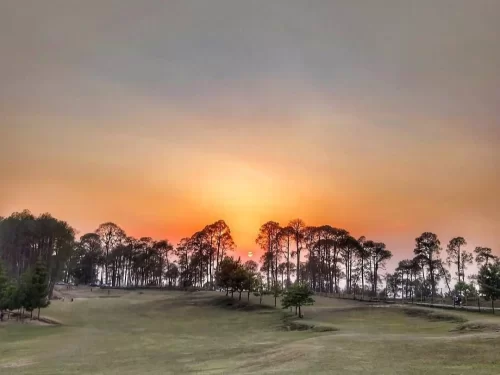
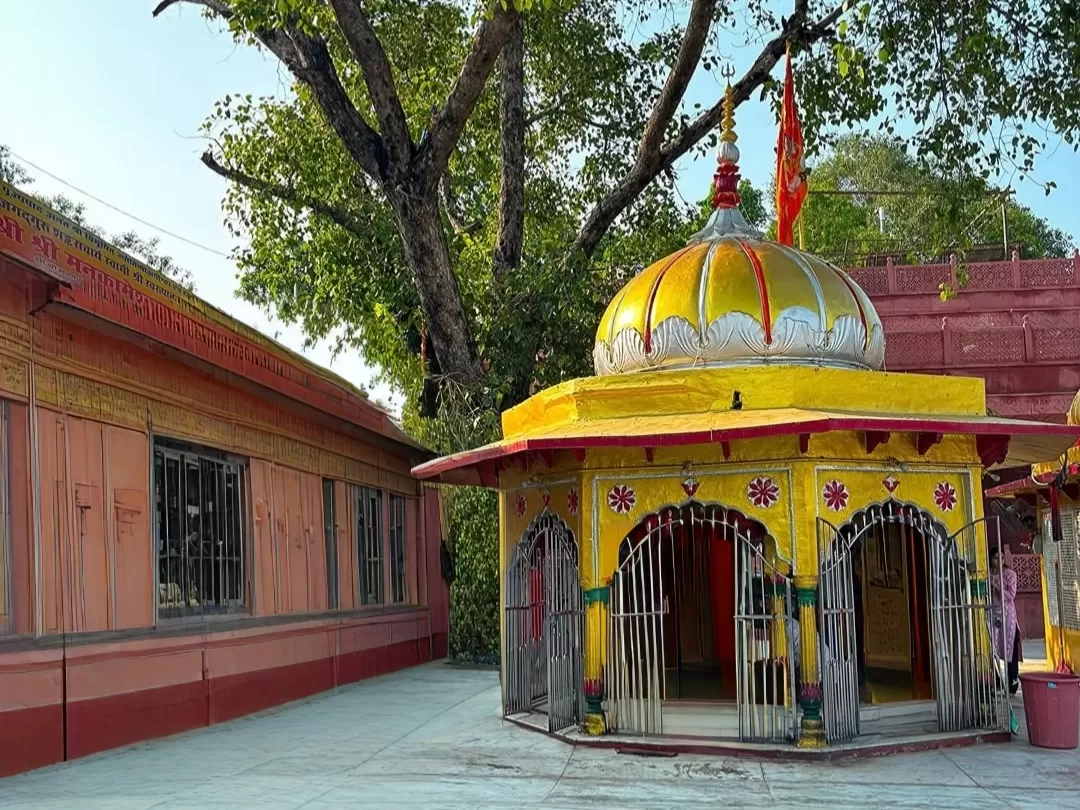
- Environment and Surroundings: Mankameshwar Temple is located within the Kumaon Regimental Centre campus in Ranikhet, Uttarakhand. The temple complex is set amidst a well-maintained cantonment area surrounded by pine and deodar trees. The atmosphere is calm and disciplined due to its location inside a military zone. The temple structure is modest and painted in traditional colours, with a small courtyard area. Winters (December to February) can be cold, while monsoon months (July to September) bring mist and occasional slippery surfaces.
- Facilities and Amenities: Basic facilities such as prasad stalls may be available near the entrance, but commercial activity is minimal due to the cantonment setting. Public toilet facilities are limited and typically located within the broader cantonment area. Seating inside the temple premises is minimal. Visitors are expected to maintain decorum and follow posted rules within the military campus.
- Accessibility and Movement: The temple is accessible by motorable road within Ranikhet, but entry requires passing through cantonment security. Visitors may need to show identification at the gate. Parking is available near the temple area. Movement within the premises involves walking across paved surfaces and a few steps to reach the shrine. Footwear must be removed before entering the temple.
- Typical Visitor Behavior and Conditions: The temple attracts local devotees, army personnel, and tourists visiting Ranikhet. Footfall is steady but generally moderate. Visitors typically spend 20–40 minutes offering prayers. During religious festivals such as Shivratri and Navratri, crowd levels increase, though the organized cantonment environment helps maintain orderly queues.
Important Visitor Information – Mankameshwar Temple Ranikhet
- Crowd & Weather Notes: The temple receives regular devotees throughout the year, with higher footfall during Maha Shivratri, Navratri, and summer months (April to June) when tourist movement in Ranikhet increases. Winters (December to February) can be cold, particularly in early mornings. Monsoon (July to September) brings light to moderate rainfall, and pathways around the temple may remain damp.
- Peak / Quiet Hours: Morning darshan hours between 8:00 AM and 11:00 AM and evening aarti periods are typically the busiest. Weekday afternoons are comparatively quieter outside festival days.
- Dress Code: Modest attire is expected within the temple premises. Footwear must be removed before entering the shrine area. Conservative clothing covering shoulders and knees is advisable.
- Safety Notes: The temple is located within the Ranikhet Cantonment area; visitors should follow security guidelines and maintain decorum. Stone flooring and steps may become slippery during monsoon. Parking is available nearby, but movement may be regulated during festival gatherings.
Photography and Viewpoints – Mankameshwar Temple Ranikhet
- Best viewpoints/angles: The temple complex within the Kumaon Regimental Centre is best photographed from the open courtyard, framing the main shrine with surrounding deodar trees; slight diagonal angles highlight the sloping hill backdrop; exterior shots near the entrance gate capture the temple structure within the cantonment setting.
- Lighting & time-of-day: Early morning offers softer natural light filtering through tall trees and fewer shadows across the courtyard; late afternoon adds mild warmth to the temple façade; overcast conditions reduce contrast and help capture detail on painted surfaces.
- Rules/restrictions: Photography inside the sanctum is generally not permitted; being located within a military cantonment area, photography rules can be stricter—always confirm at entry and follow security guidelines; drone usage is strictly prohibited.
- Crowd & access factors: The temple experiences steady but moderate footfall, with higher numbers on Mondays and festival days; security checks are required due to cantonment location; the paved courtyard allows stable positioning, though movement may be regulated in certain sections.