Quick Facts About Jim Corbett Museum
| Entry Fee | 20 |
| Timings | 09:00 - 17:00 |
| Altitude (m) | 415 |
| Ideal Visit Duration (hrs) | 2 |
| Best Time of Day | Morning |
| Crowd Level | Moderate |
| Distance from Ramnagar (km) | 1 |
| Walking Difficulty | Easy |
| Parking Available | Yes |
| Last Mile Access | Walk |
| Suitable for Kids | Yes |
| Suitable for Seniors | Yes |
| Wheelchair Friendly | No |
Why Visit Jim Corbett Museum
Why Visit: Jim Corbett Museum offers visitors a unique opportunity to explore the life and legacy of the legendary hunter, naturalist, and conservationist Jim Corbett. It is an essential stop for history enthusiasts, wildlife lovers, and those interested in the origins of wildlife conservation in India.
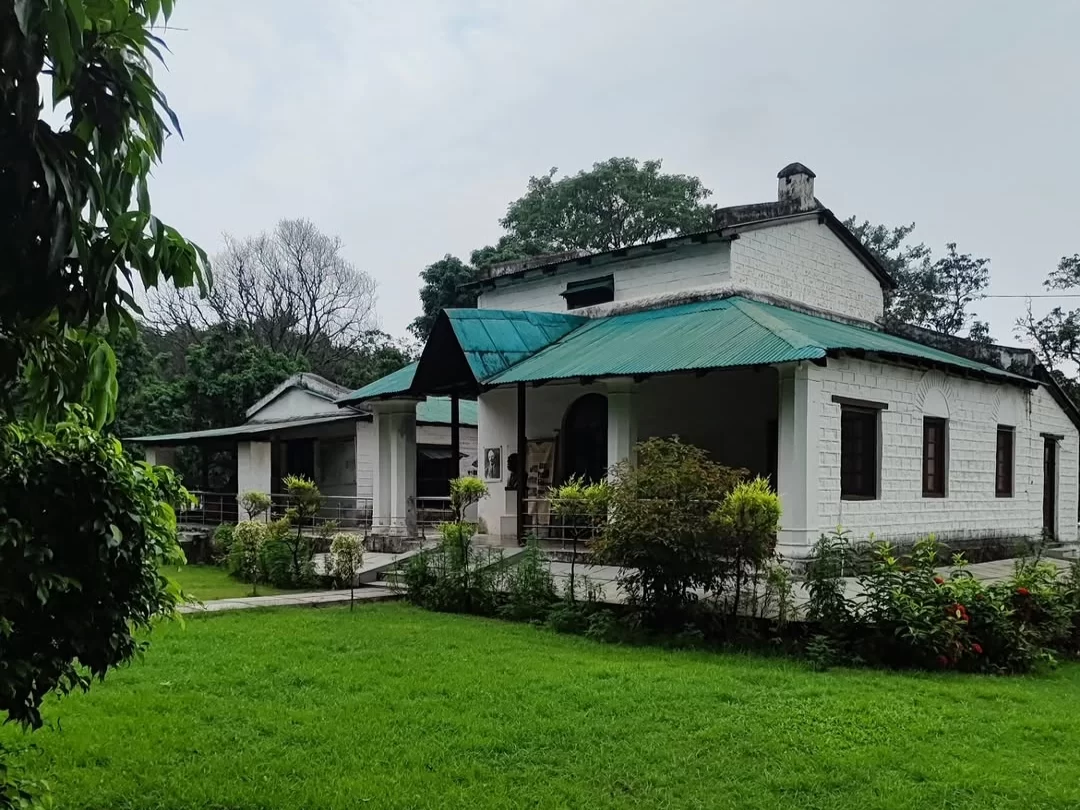
Atmosphere: The museum is housed in Corbett’s former colonial-style bungalow in Ramnagar, surrounded by lush greenery and located near the Jim Corbett National Park. The tranquil environment, combined with historical artifacts and personal belongings, creates a reflective and educational atmosphere.
What Makes it Special: The museum preserves photographs, letters, hunting equipment, and personal items of Jim Corbett, providing insight into his pioneering work in wildlife protection. Visitors can also learn about the history of Jim Corbett National Park and the early conservation efforts that shaped modern wildlife preservation in India. The combination of heritage, education, and proximity to a major national park makes it a must-visit destination in Uttarakhand.
History of Jim Corbett Museum
The Jim Corbett Museum is located in the former residence of Jim Corbett in Ramnagar, Uttarakhand. Originally a colonial-era bungalow, it was converted into a museum to preserve the life and legacy of Corbett, one of India’s most famous hunters, naturalists, and early conservationists.
The museum showcases Corbett’s personal belongings, photographs, letters, and hunting equipment, reflecting his deep connection with the forests and wildlife of the region. It also highlights his pivotal role in the establishment of Jim Corbett National Park, India’s first national park, and his efforts in promoting wildlife conservation.
The heritage bungalow and museum together offer a historical glimpse into the lifestyle and work of Jim Corbett during the early 20th century, preserving both cultural and environmental history for educational and tourism purposes.
Best Time to Visit Jim Corbett Museum
The ideal time to visit Jim Corbett Museum is when the weather is pleasant and the surrounding environment is comfortable for exploring both the museum and nearby areas. Seasonal considerations help ensure a safe and enjoyable visit.
- October to March: Cool and dry months are the best for visiting the museum, allowing comfortable exploration of the exhibits and surrounding areas near Jim Corbett National Park.
- April to June: Early summer offers moderate temperatures and clear skies, ideal for sightseeing, photography, and learning about Corbett’s legacy.
- July to September: Monsoon season brings heavy rainfall, which may make access to the area slippery and less convenient, so extra caution is advised during this period.
How to Reach Jim Corbett Museum
- By Air: The nearest airport is Pantnagar Airport, approximately 65 km from Ramnagar. From the airport, taxis or private cabs are available to reach Jim Corbett Museum.
- By Train: Ramnagar Railway Station is the closest station, around 1 km from the museum. Visitors can hire auto-rickshaws or taxis from the station to reach the museum easily.
- By Road: The museum is well connected by road from nearby towns such as Nainital (65 km) and Haldwani (50 km). Private cars, taxis, and local buses are available for travel to Ramnagar.
- Local Transport & Last Mile Access: From Ramnagar town center, the museum is easily accessible on foot or by short cab/auto rides. The museum premises have a small parking area for visitors.
What to Expect When You Visit Jim Corbett Museum
- Heritage and History: Visitors can explore the colonial-era bungalow where Jim Corbett lived, observing photographs, personal belongings, letters, and artifacts that tell the story of his life and conservation efforts.
- Educational Experience: The museum offers insights into the early history of wildlife conservation in India and the establishment of Jim Corbett National Park, making it informative for students, wildlife enthusiasts, and history buffs.
- Scenic Location: The museum is set amidst lush greenery and near the Ramganga River, providing a tranquil environment for reflection and photography.
- Interactive Learning: Visitors can learn about Corbett’s pioneering work in human-wildlife coexistence, his hunting expeditions, and his transition to conservation advocacy.
- Short Visit Duration: The museum is compact, so visitors can explore it thoroughly within 1–2 hours, making it suitable for combining with other nearby attractions.
- Photography Opportunities: The colonial architecture, surrounding greenery, and river views make for excellent photography subjects, both indoor and outdoor.
Important Visitor Information for Jim Corbett Museum
- Crowd & Weather Notes: The museum experiences moderate crowds, with weekends and holidays being busier. The best time to visit is from October to March when the weather is cool and dry. Summers (April–June) are moderately warm, while monsoon months (July–September) may bring occasional rainfall.
- Peak / Quiet Hours: Peak hours are 10:00 AM – 3:00 PM. Early mornings (9:00 AM – 10:00 AM) and late afternoons provide a quieter experience for visitors and photography.
- Dress Code: Comfortable casual clothing is recommended. Visitors should wear sturdy shoes suitable for walking along the museum grounds and nearby paths.
- Safety Notes: The museum is generally safe. Visitors should supervise children, avoid touching delicate artifacts, and follow museum guidelines for preserving historical items.
Photography and Viewpoint at Jim Corbett Museum
- Colonial Architecture: The museum is housed in Jim Corbett’s former bungalow, offering excellent opportunities to photograph well-preserved colonial architecture and interiors.
- Scenic Surroundings: The museum is set amidst lush greenery and close to the Ramganga River, providing natural backdrops for outdoor photography.
- Exhibit Photography: Visitors can capture photographs of historical artifacts, personal belongings, letters, and photographs related to Jim Corbett’s life and work.
- Morning and Afternoon Light: Early morning and late afternoon provide the best lighting for exterior shots of the bungalow and surrounding landscape.
- Safe Photography Areas: Designated pathways and museum grounds ensure visitors can take pictures without disturbing exhibits or venturing into restricted areas.
- Wildlife & Nature Shots: The surrounding forest and gardens occasionally offer opportunities to photograph local birds and small wildlife in a natural setting.