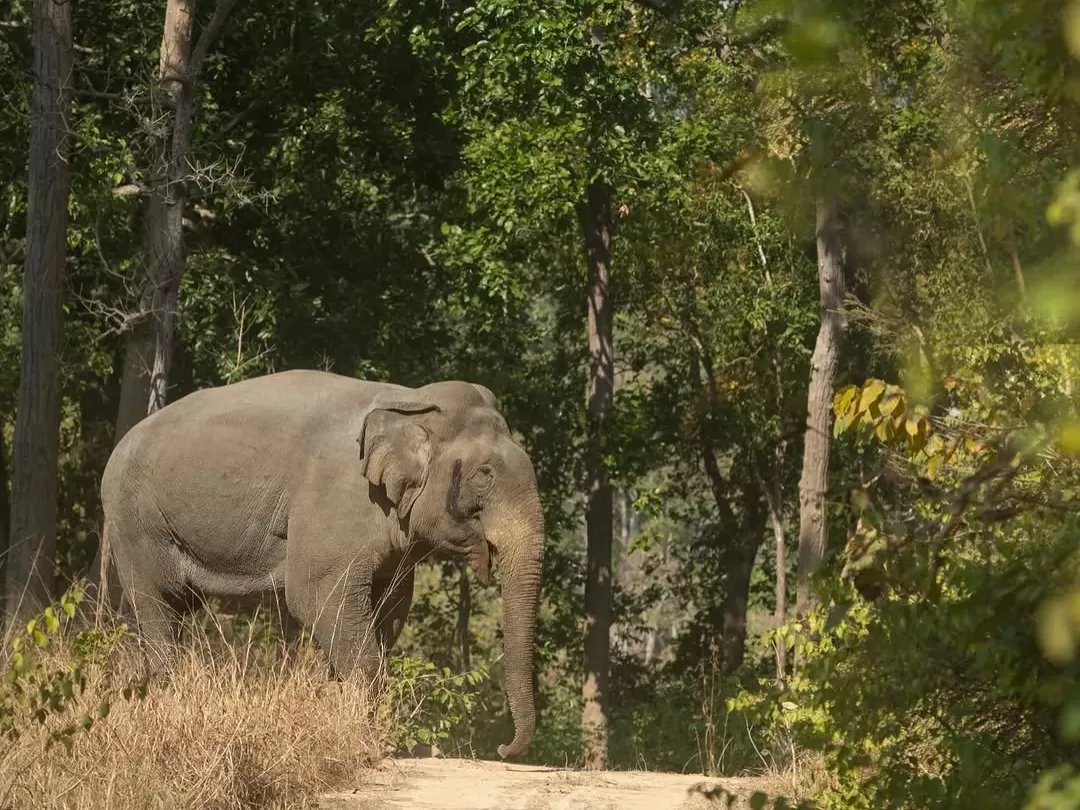
Bijrani Zone – Popular Wildlife Zone in Jim Corbett National Park

Bijrani Zone , Jim Corbett
Bijrani Zone, located within Jim Corbett National Park, offers visitors an accessible yet wildlife-rich safari experience. The zone features dense forests, open grasslands, and riverine areas, making it ideal for spotting tigers, elephants, leopards, and various herbivores and bird species. Unlike Dhikala, Bijrani is more accessible and suitable for shorter day safaris, making it popular among first-time visitors and families. The zone includes designated safari routes, viewpoints, and rest stops, providing a structured and safe wildlife viewing experience. Its combination of abundant wildlife, scenic landscapes, and easy accessibility makes Bijrani Zone a must-visit for nature lovers and photographers exploring Jim Corbett National Park.

Quick Facts About Bijrani Zone

Entry Fee 1200
Timings 06:00 - 17:00
Altitude (m) 350
Ideal Visit Duration (hrs) 6
Best Time of Day Morning
Crowd Level Moderate
Distance from Ramnagar (km) 30
Walking Difficulty Easy
Parking Available Yes
Last Mile Access Road
Suitable for Kids Yes
Suitable for Seniors Yes
Wheelchair Friendly No

Why Visit Bijrani Zone, Jim Corbett National Park

Why Visit: Bijrani Zone is a popular wildlife zone within Jim Corbett National Park, offering visitors the chance to spot tigers, elephants, leopards, and a wide range of herbivores and bird species. Its accessibility and rich biodiversity make it ideal for first-time visitors and wildlife enthusiasts.

Atmosphere: The zone features dense sal and mixed forests interspersed with open grasslands and riverine areas. Visitors experience the sounds of the forest, bird calls, and occasional wildlife sightings, creating an immersive and thrilling natural environment.

What Makes it Special: Bijrani is well-known for its structured safari routes and safety for visitors, making wildlife exploration easier compared to other deep-core zones. Its scenic landscapes, combined with abundant wildlife, guided safaris, and opportunities for photography, make Bijrani Zone a must-visit destination for nature lovers and photographers in Jim Corbett National Park.

History of Bijrani Zone, Jim Corbett National Park

Bijrani Zone is one of the core wildlife areas of Jim Corbett National Park, which was established in 1936 as India’s first national park to protect the Bengal tiger and other endangered species. Bijrani has historically been managed as a key safari zone to balance wildlife conservation with controlled tourism.

The zone’s development includes structured safari routes, designated wildlife observation areas, and the preservation of natural habitats to support biodiversity. Over the decades, Bijrani has become an important destination for eco-tourism and wildlife photography, allowing visitors to experience the park’s rich flora and fauna while ensuring minimal impact on the ecosystem.

Best Time to Visit Bijrani Zone, Jim Corbett National Park

The ideal time to visit Bijrani Zone is when the weather is pleasant, and wildlife activity is high. Seasonal variations affect both accessibility and the likelihood of spotting tigers, elephants, and other animals.
  • October to March: Cool and dry months are perfect for safaris, offering comfortable temperatures and higher chances of wildlife sightings. Clear skies enhance photography.
  • April to June: Early summer provides moderate warmth and good visibility. Wildlife is often seen near water sources during this period.
  • July to September: Monsoon season brings heavy rainfall; forest tracks may be slippery, and wildlife sightings may be less frequent due to dense foliage.

How to Reach Bijrani Zone, Jim Corbett National Park

  • By Air: The nearest airport is Pantnagar Airport, approximately 65 km from Ramnagar. From the airport, visitors can hire taxis or private cabs to reach Bijrani Zone safari starting points.
  • By Train: Ramnagar Railway Station is the closest station, around 30 km from Bijrani Zone. Authorized taxis, cabs, and forest-approved safari vehicles are available to reach the zone.
  • By Road: The zone is accessible by road from Ramnagar and nearby towns like Nainital (65 km) and Haldwani (50 km). Private vehicles, taxis, and local buses can be used to reach the safari entry points.
  • Local Transport & Last Mile Access: Entry to Bijrani Zone is permitted only via forest-approved safari vehicles. Walking into the zone is restricted; all wildlife exploration must be conducted through guided safaris for safety and conservation compliance.

What to Expect When You Visit Bijrani Zone, Jim Corbett National Park

  • Wildlife Sightings: Expect to see Bengal tigers, elephants, leopards, sambar deer, and a variety of birds during guided jeep safaris. The zone is known for its abundant wildlife and natural behavior displays.
  • Jeep Safaris: Exploration is conducted via forest-approved safari vehicles, ensuring safe access to wildlife viewing areas and forest trails while minimizing environmental impact.
  • Scenic Landscapes: The zone offers a combination of dense forests, open grasslands, and riverine areas, providing excellent opportunities for landscape and wildlife photography.
  • Educational Experience: Guided safaris include insights about local flora, fauna, and conservation efforts, enhancing understanding of the park’s ecology and wildlife behavior.
  • Adventure and Nature Immersion: Visitors can enjoy the thrill of spotting wildlife in the wild while experiencing the sights and sounds of the forest, making it an immersive nature experience.
  • Photography Opportunities: The zone is ideal for wildlife photographers, offering opportunities for capturing animals in natural habitats, birds in flight, and scenic forest landscapes.

Important Visitor Information for Bijrani Zone, Jim Corbett National Park

  • Crowd & Weather Notes: Bijrani Zone experiences moderate to high crowds, especially during peak season from October to June. Monsoon months (July–September) see fewer visitors, but trails can be slippery.
  • Peak / Quiet Hours: Early morning (6:00 AM – 9:00 AM) and late afternoon (3:00 PM – 5:00 PM) offer the best chances for wildlife sightings and a quieter safari experience.
  • Dress Code: Neutral-colored, comfortable clothing is recommended to avoid disturbing wildlife. Sturdy shoes are advised for walking in and around safari vehicles and rest areas.
  • Safety Notes: Visitors must remain inside authorized safari vehicles at all times, follow guide instructions, maintain safe distances from animals, and supervise children closely. Do not feed or provoke wildlife.

Photography and Viewpoint at Bijrani Zone, Jim Corbett National Park

  • Wildlife Photography: Bijrani Zone provides excellent opportunities to photograph tigers, elephants, leopards, deer, and a variety of birds in their natural habitat during guided jeep safaris.
  • Scenic Landscapes: The zone features dense forests, open grasslands, and riverine areas, offering picturesque backgrounds for wildlife and nature photography.
  • Morning and Evening Light: Early morning and late afternoon safaris provide soft, golden light that enhances photographs of animals, forests, and landscapes.
  • Birdwatching and Macro Shots: The diverse flora and bird species provide opportunities for close-up nature photography and birdwatching enthusiasts.
  • Safe Photography Spots: Designated safari routes and viewpoints allow visitors to take pictures safely without disturbing wildlife or entering restricted areas.
  • Seasonal Photography: Post-monsoon greenery and winter landscapes offer unique photographic opportunities, from lush foliage to misty mornings.

Near By Attraction

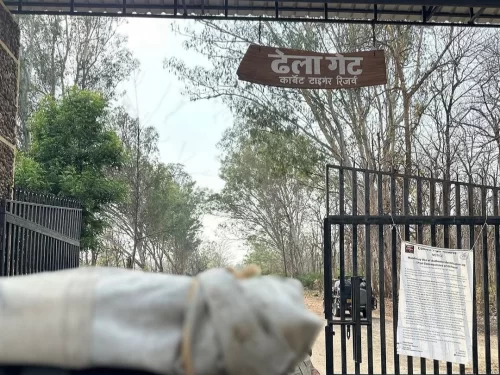
Jim Corbett National Park Dhela Gate entrance sign Hindi English, iron fence gate trees dry foliage jeep notice board foreground, perfect Uttarakhand tour packages entry point. National Park

Dhela Ecotourism Zone

Dhela Ecotourism Zone is a wildlife and nature-focused area in Jim Corbett National Park, Uttarakhand, offering easy-access safari experiences and rich biodiversity.
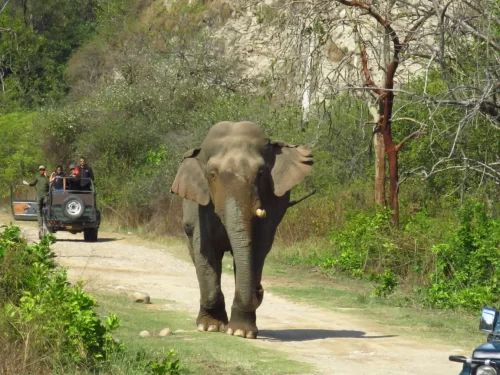
Jhirna Zone Jim Corbett National Park elephant safari wildlife sighting on forest trail Uttarakhand National Park

Jhirna zone

Jhirna Zone is an easily accessible wildlife zone in Jim Corbett National Park, Uttarakhand, known for its grasslands, forests, and frequent wildlife sightings.
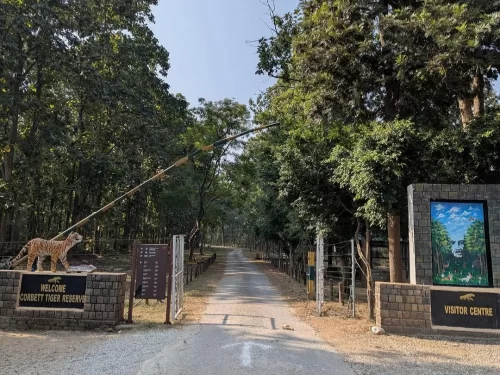
Dhikala Zone Jim Corbett National Park safari entry gate with forest road and tiger reserve signage Uttarakhand National Park

Dhikala Zone

Dhikala Zone is the most popular and wildlife-rich area of Jim Corbett National Park, known for its tigers, elephants, and diverse forest ecosystem.

Frequently Asked Questions About Bijrani Zone

Bijrani Zone is located in Jim Corbett National Park in Uttarakhand, near Ramnagar and is one of the most popular safari zones in the park.
Bijrani Zone operates in two safari shifts, usually morning and afternoon, with exact timings varying by season in Jim Corbett, Uttarakhand.
Visitors must pay a safari permit fee to enter Bijrani Zone. Charges depend on vehicle type, nationality, and booking category.
Safari in Bijrani Zone can be booked online through the official Jim Corbett National Park website or via registered operators in Ramnagar, Uttarakhand.
The best time to visit Bijrani Zone is between November and June when wildlife sightings are more frequent and weather conditions in Uttarakhand are favorable.
A single safari in Bijrani Zone typically lasts around 3 to 4 hours depending on the allotted shift timing.
Bijrani Zone usually remains open from mid October to mid June and is closed during peak monsoon season in Jim Corbett, Uttarakhand.
Private vehicles are not allowed inside Bijrani Zone. Visitors must use authorized safari jeeps assigned through the official permit system.
Several resorts, hotels, and forest lodges are available near Bijrani Zone around Ramnagar in Uttarakhand, offering various stay options.
Bijrani Zone is suitable for family visits, but children must follow safety rules during safari and remain seated inside the vehicle at all times.

Loved this place ? Let’s Plan Your Uttarakhand Trip

Get customized Uttarakhand tour planning designed around seasonal weather changes, hill road travel timing, pilgrimage flow, and comfort-based pacing. Whether you are visiting for spiritual journeys, Himalayan views, wildlife reserves, river valleys, or p

⚡ Quick Response | 💰 Free consultation | 🕒 24×7 expert support

×

Plan Your Trip