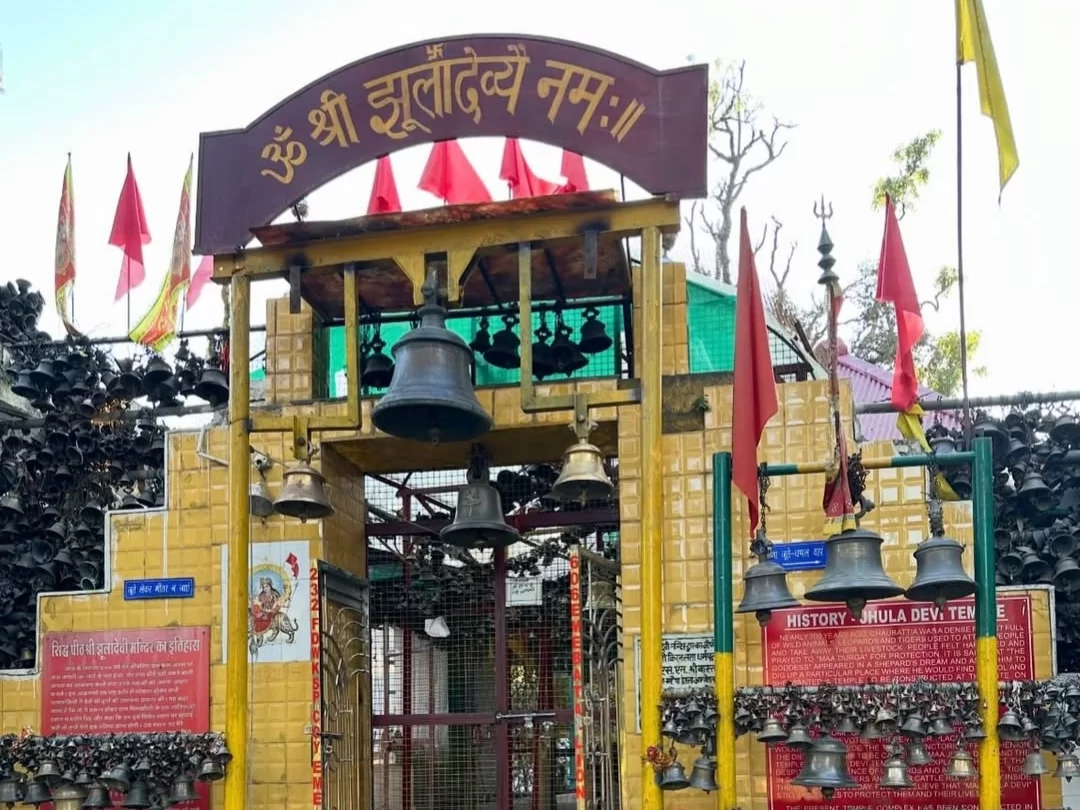
Jhula Devi Temple Ranikhet, Uttarakhand, India

Jhula Devi Temple , Ranikhet
Visitors come to the temple for worship and to see the large collection of brass bells offered by devotees as fulfillment of vows. The temple is set within a forested area and remains active throughout the year, with higher footfall during Navratri.

Quick Facts About Jhula Devi Temple

Entry Fee Free
Timings 06:00 - 20:00
Altitude (m) 1830
Ideal Visit Duration (hrs) 1
Best Time of Day Morning
Crowd Level Moderate
Distance from Ranikhet (km) 7
Walking Difficulty Easy
Parking Available No
Last Mile Access Road
Suitable for Kids Yes
Suitable for Seniors Yes
Wheelchair Friendly No

Why Visit Jhula Devi Temple, Ranikhet

Jhula Devi Temple in Ranikhet attracts devotees who come to seek blessings of Goddess Durga, especially for fulfillment of wishes. Visitors are known to tie bells within the temple complex after their prayers are answered, making it a frequently visited spiritual stop in the region.

The atmosphere around the temple is peaceful and forested, located slightly away from the main cantonment bustle of Ranikhet. Pine trees surround the pathway leading to the shrine, and the sound of hanging bells moving in the breeze adds to the devotional setting.

What makes Jhula Devi Temple distinct is the large number of bells offered by devotees, which visually define the temple’s identity. Unlike grand hilltop temples focused on panoramic views, this shrine offers a more intimate spiritual environment closely connected to local belief traditions in Kumaon.

History of Jhula Devi Temple, Ranikhet

Jhula Devi Temple is a historic shrine located near Ranikhet in Uttarakhand, dedicated to Goddess Durga in her local manifestation as Jhula Devi. The temple is believed to have been established in the 8th century, although the present structure has undergone later renovations supported by local devotees and military personnel from the nearby Kumaon Regimental Centre.

The temple is closely associated with local pastoral communities who, according to tradition, worshipped the goddess for protection of their cattle from wild animals in the surrounding forests. Over time, the shrine gained regional prominence, and devotees began offering brass bells upon fulfillment of wishes, leading to the distinctive sight of hundreds of bells hanging across the temple complex.

Jhula Devi Temple continues to function as an active place of worship and remains an important religious landmark in the Ranikhet area. Its historical identity is shaped less by monumental architecture and more by sustained devotional practices and community patronage over centuries.

Best Time to Visit – Jhula Devi Temple Ranikhet

Jhula Devi Temple in Ranikhet is most pleasant to visit when hill weather is stable and skies are clear, as the temple sits within a forested cantonment area where monsoon rain and winter chill can affect comfort levels.
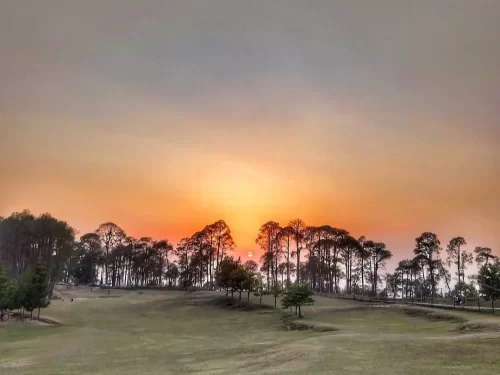
  • Ideal months: March to June and October to November offer the most comfortable conditions for darshan and exploring Ranikhet.
  • Weather during the best season: Spring and early summer bring mild temperatures (approximately 10–25°C) with clear skies and comfortable daytime weather for walking around the temple complex and nearby pine-covered paths. Autumn months provide crisp air and improved Himalayan visibility after the monsoon.
  • Periods to avoid (and why): July to September sees monsoon rainfall in Ranikhet, which can make surrounding paths wet and slippery. December to February can be quite cold, with chilly mornings and occasional frost, reducing comfort for early temple visits.

How to Reach Jhula Devi Temple Ranikhet

  • Nearest Airport: Pantnagar Airport (approximately 110–115 km from Ranikhet). The airport has limited domestic connectivity. From Pantnagar, taxis to Ranikhet typically take 4–5 hours depending on hill road conditions. Indira Gandhi International Airport, Delhi (around 350–360 km away), is commonly used for wider connectivity, followed by an 8–9 hour road journey.
  • Nearest Railway Station: Kathgodam Railway Station (approximately 75–80 km from Ranikhet) is the nearest major railhead with regular train services from Delhi and other North Indian cities. From Kathgodam, shared taxis and private cabs to Ranikhet operate daily and take around 2.5–3.5 hours via the hill route.
  • Road Access & Last-Mile Connectivity: Jhula Devi Temple is located about 7–8 km from Ranikhet town center on the Ranikhet–Chaukhutia road. The temple is directly accessible by private vehicle, taxi, and local buses operating within the region. Limited parking is available near the temple entrance. The final access involves a short, level walk from the roadside to the temple complex. Roads are winding and may be affected by fog in winter and heavy rainfall during the monsoon season.

What to Expect When You Visit Jhula Devi Temple Ranikhet

  • Environment and Surroundings: Jhula Devi Temple is located about 7 km from Ranikhet town in Uttarakhand, set within a quiet forested area surrounded by pine and deodar trees. The temple complex is modest in size and known for the large number of brass bells offered by devotees, which hang throughout the premises. The atmosphere is generally calm and less commercial compared to larger pilgrimage centers. During winter (December to February), temperatures can be low, and mornings are often misty.
  • Facilities and Amenities: Small shops near the entrance sell bells, flowers, and prayer items. Facilities inside the complex are basic, with limited seating areas. Public toilets may be available nearby but are simple in infrastructure. There are no large dining facilities within the temple premises, though small tea stalls operate in the vicinity. Waste disposal facilities are limited.
  • Accessibility and Movement: The temple is accessible by motorable road from Ranikhet, with parking available close to the entrance. A short walk leads into the temple courtyard. The ground is mostly level and paved, making movement manageable for most visitors. During monsoon (July to September), surfaces can become wet and slightly slippery.
  • Typical Visitor Behavior and Conditions: The temple attracts regular devotees and tourists visiting Ranikhet. Footfall increases during Navratri and local religious occasions. Visitors typically spend 20–40 minutes offering prayers and exploring the bell-covered premises. On regular weekdays, the environment remains relatively peaceful, with moderate visitor flow.

Important Visitor Information – Jhula Devi Temple Ranikhet

  • Crowd & Weather Notes: Jhula Devi Temple sees steady visitor flow throughout the year, with higher footfall during Navratri (March–April and September–October) and summer months (April to June) when Ranikhet receives peak tourist arrivals. Winters (December to February) can be cold, especially in early mornings. During monsoon (July to September), the approach area may remain damp.
  • Peak / Quiet Hours: Late mornings between 9:30 AM and 12:30 PM are generally the busiest for darshan. Early mornings on weekdays are comparatively quieter.
  • Dress Code: Modest attire is expected within the temple premises. Footwear must be removed before entering the shrine. Visitors typically offer bells as part of local tradition.
  • Safety Notes: The temple complex has stone flooring and steps that may become slippery during monsoon. Located along the Ranikhet–Chaukhutia road, visitors should exercise caution while parking and crossing near the roadside. Facilities nearby are basic, with small shops selling offerings.

Photography and Viewpoints – Jhula Devi Temple Ranikhet

  • Best viewpoints/angles: The temple’s defining visual is the dense cluster of hanging brass bells—stand at the entrance corridor to frame layered rows of bells leading toward the shrine; side angles within the courtyard highlight the wooden and stone structure against the surrounding deodar forest; close-range compositions work well for capturing the texture and inscriptions on the bells.
  • Lighting & time-of-day: Morning hours provide softer natural light filtering through the trees, reducing glare on brass surfaces; midday light can create strong reflections on the bells; overcast days offer more even exposure, especially for detailed shots inside the covered sections.
  • Rules/restrictions: Photography is generally allowed in the outer temple premises, but avoid photographing inside the sanctum; flash photography near the deity and during active ???? (worship) is discouraged; drone use may require prior permission due to temple and local regulations.
  • Crowd & access factors: The temple sees steady visitor flow throughout the day, with increased numbers on weekends and Navratri, limiting uninterrupted corridor compositions; early mornings provide quieter access; the approach road is motorable, but parking space near the entrance can be limited during peak hours.

Near By Attraction

Sunset view at Ranikhet Golf Ground in Ranikhet, Uttarakhand with pine trees lining the rolling greens, a scenic attraction featured in Uttarakhand tour packages Tourist Attraction

Ranikhet Golf Ground

Ranikhet Golf Ground is a high-altitude golf course located within the Ranikhet Cantonment area in Uttarakhand, India.
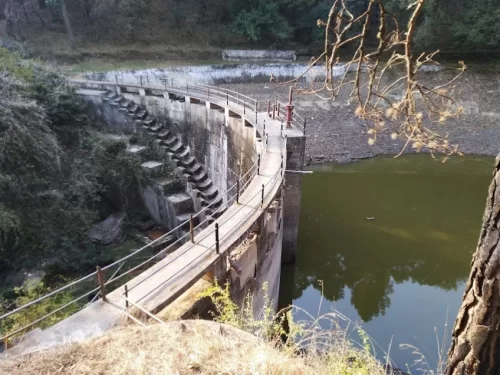
Bhalu Dam in Ranikhet, Uttarakhand surrounded by forested hills with a curved masonry dam and calm reservoir, a peaceful picnic spot featured in Uttarakhand tour packages Tourist Attraction

Bhalu Dam

Bhalu Dam is a small artificial reservoir located near Ranikhet in Uttarakhand, India.
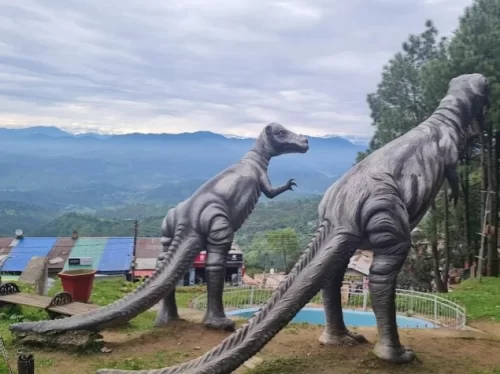
Ashiyana Park in Ranikhet, Uttarakhand featuring landscaped gardens and dinosaur statues overlooking the hills, a family-friendly attraction included in Uttarakhand tour packages Tourist Attraction

Ashiyana Park

Ashiyana Park is a public recreational park located in Ranikhet, Uttarakhand, India.

Frequently Asked Questions About Jhula Devi Temple

Jhula Devi Temple is located near Ranikhet in Almora district of Uttarakhand, surrounded by pine forests and peaceful hill views.
Jhula Devi Temple is generally open from early morning around 6 am until evening around 7 pm. Timings may vary slightly during special religious occasions in Uttarakhand.
There is no entry fee to visit Jhula Devi Temple. Visitors can enter freely and offer prayers without any mandatory charge.
Visitors can reach Jhula Devi Temple by road from Ranikhet town in Uttarakhand. The nearest railway station is Kathgodam, and Pantnagar Airport is the closest airport.
The best time to visit Jhula Devi Temple is between March and June and September to November when the weather in Uttarakhand remains pleasant for travel.
Most travelers spend about 30 minutes to 1 hour at Jhula Devi Temple including prayer time and exploring the temple surroundings.
Jhula Devi Temple becomes more crowded during Navratri and other major Hindu festivals. Regular weekdays are usually quieter for visitors.
Photography is generally allowed in the outer premises of Jhula Devi Temple, but visitors should avoid disturbing prayer rituals and follow posted guidelines.
Small eateries and local shops are available near Jhula Devi Temple in Ranikhet, Uttarakhand. Basic restroom facilities may be available nearby.
Jhula Devi Temple is suitable for senior citizens as the approach road is accessible, though a few steps near the entrance may require careful movement.

Loved this place ? Let’s Plan Your Uttarakhand Trip

Get customized Uttarakhand tour planning designed around seasonal weather changes, hill road travel timing, pilgrimage flow, and comfort-based pacing. Whether you are visiting for spiritual journeys, Himalayan views, wildlife reserves, river valleys, or p

⚡ Quick Response | 💰 Free consultation | 🕒 24×7 expert support

×

Plan Your Trip