Quick Facts About Haidakhan Babaji Temple
| Entry Fee | Free |
| Timings | 06:00 - 19:00 |
| Altitude (m) | 1830 |
| Ideal Visit Duration (hrs) | 1 |
| Best Time of Day | Morning |
| Crowd Level | Moderate |
| Distance from Ranikhet (km) | 5 |
| Walking Difficulty | Moderate |
| Parking Available | Yes |
| Last Mile Access | Walk |
| Suitable for Kids | Yes |
| Suitable for Seniors | Yes |
| Wheelchair Friendly | No |
Why Visit Haidakhan Babaji Temple, Ranikhet
Haidakhan Babaji Temple near Ranikhet attracts spiritual seekers and visitors drawn to its association with Haidakhan Babaji and its quiet Himalayan setting. Located close to the village of Chiliyanaula, the temple is visited by devotees as well as travelers looking for a peaceful spiritual retreat away from busier tourist zones.
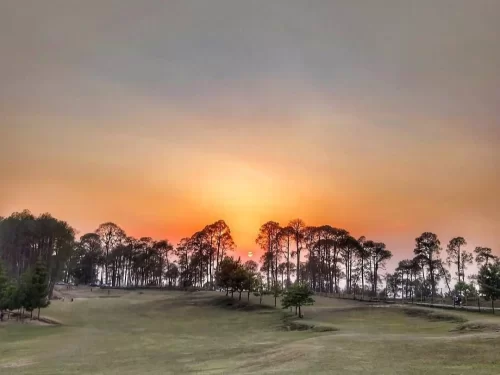
The atmosphere within the temple complex is calm and meditative, with landscaped gardens, prayer spaces, and views of surrounding valleys. The environment remains orderly and less crowded compared to major pilgrimage sites, allowing visitors time for reflection and participation in daily aarti rituals.
What makes Haidakhan Babaji Temple distinct is its ashram-style setting combined with Himalayan foothill views. Unlike traditional hilltop shrines focused on panoramic sightseeing, this temple emphasizes spiritual practice, simple architecture, and a serene residential-style complex designed for extended quiet visits.
History of Haidakhan Babaji Temple, Ranikhet
Haidakhan Babaji Temple, located near Ranikhet in Uttarakhand, is associated with Haidakhan Babaji, a spiritual teacher who lived in the Kumaon region during the late 20th century. The ashram complex near Chilianaula was established during the 1970s when Babaji attracted followers from India and abroad.
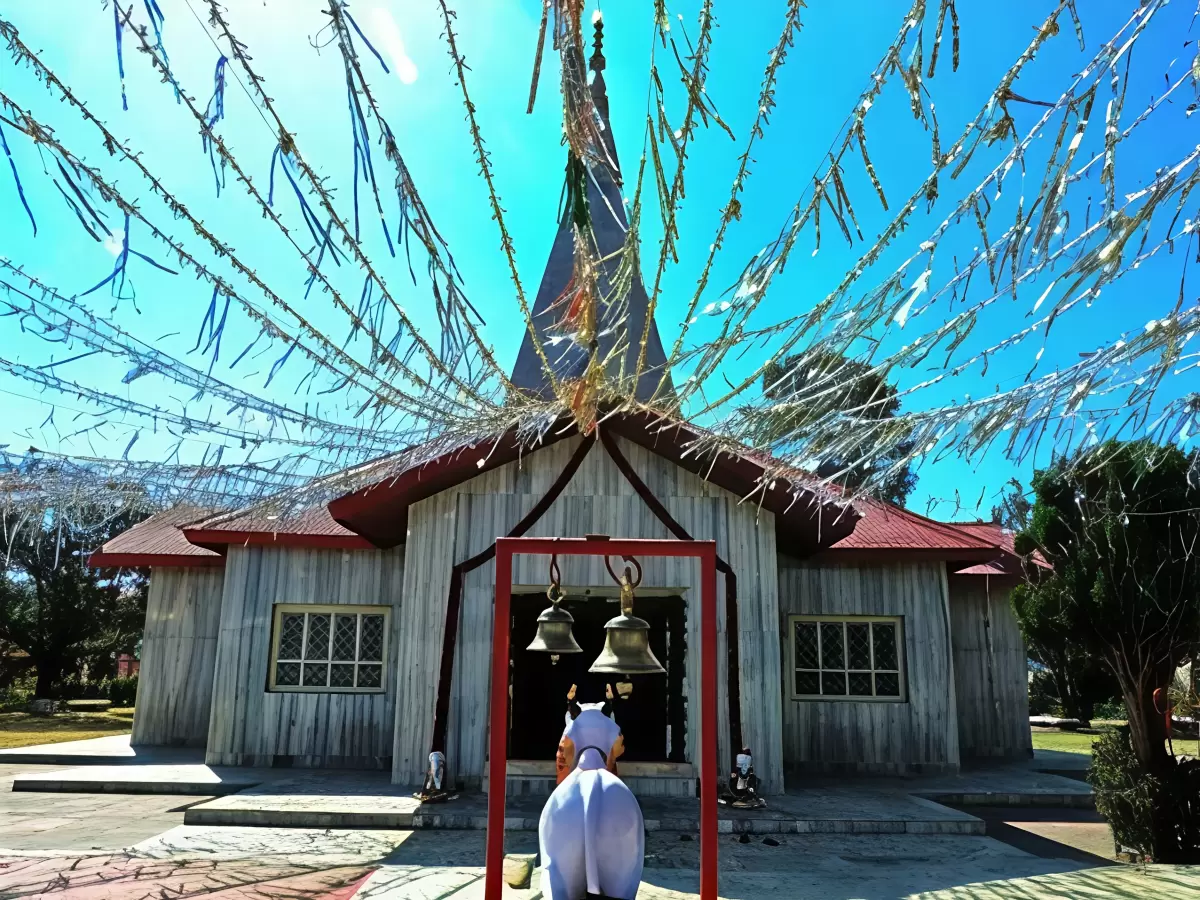
The temple complex was developed as part of the Haidakhandi Samaj, which promotes spiritual practice centered on devotion, mantra chanting, and fire rituals (havan). The architecture reflects modern temple construction rather than ancient Himalayan temple styles, marking it as a contemporary spiritual center.
Haidakhan Babaji Temple remains an active ashram and pilgrimage site, especially for followers of Babaji’s teachings. Its historical context is rooted in modern spiritual movements of the 20th century rather than medieval or ancient temple traditions of the region.
Best Time to Visit – Haidakhan Babaji Temple Ranikhet
Haidakhan Babaji Temple near Ranikhet is best visited when mountain roads are clear and valley views are visible, as the ashram setting is surrounded by hills where monsoon rain and winter cold can affect travel comfort.
- Ideal months: March to June and October to November offer the most stable weather and comfortable travel conditions.
- Weather during the best season: Spring and early summer bring mild temperatures (approximately 10–25°C), clearer skies, and pleasant conditions for spending quiet time in the temple complex. Autumn months provide crisp air and improved Himalayan visibility after the monsoon.
- Periods to avoid (and why): July to September sees monsoon rainfall in the Ranikhet region, which can make hillside roads slippery and occasionally affected by minor landslides. December to February can be quite cold, with chilly mornings and temperatures nearing freezing at night, reducing comfort for extended outdoor stays.
How to Reach Haidakhan Babaji Temple Ranikhet
- Nearest Airport: Pantnagar Airport (approximately 120 km from Ranikhet). The airport has limited domestic connectivity. From Pantnagar, taxis to Ranikhet typically take 4–5 hours depending on hill road conditions. Indira Gandhi International Airport, Delhi (around 360 km away), is commonly used for wider connectivity, followed by an 8–9 hour road journey.
- Nearest Railway Station: Kathgodam Railway Station (approximately 80 km from Ranikhet) is the nearest major railhead with regular train services from Delhi and other North Indian cities. From Kathgodam, shared taxis and private cabs to Ranikhet operate daily and take around 3 hours via the hill route.
- Road Access & Last-Mile Connectivity: Haidakhan Babaji Temple (Haidakhan Ashram) near Ranikhet is located close to Chilianaula, about 4–5 km from Ranikhet town center. The ashram is directly accessible by private vehicle or taxi via internal cantonment roads. Limited parking is available near the entrance, followed by a short walk within the ashram premises. Roads are narrow and winding, and during winter and monsoon seasons, fog or rainfall may slow travel.
What to Expect When You Visit Haidakhan Babaji Temple Ranikhet
- Environment and Surroundings: Haidakhan Babaji Temple is located near Chiliyanaula, about 5–6 km from Ranikhet town in Uttarakhand. The temple complex is set on a hillside overlooking valleys and distant Himalayan ranges on clear days. The surroundings are quiet, with forested slopes and open sky views. The campus includes multiple shrines, a central temple structure, and open courtyards. Winters (December to February) can be cold, while monsoon months (July to September) bring mist and slippery pathways.
- Facilities and Amenities: The ashram-style complex includes basic visitor amenities such as simple accommodation for spiritual seekers (subject to availability and prior arrangement), drinking water facilities, and limited restroom facilities. Commercial shops are minimal within the premises. Visitors are expected to maintain cleanliness and follow the spiritual code of conduct. Seating is available in open courtyard areas but not in large numbers.
- Accessibility and Movement: The temple is accessible by motorable road from Ranikhet, with parking available near the entrance. Entry into the complex involves walking through open courtyards and navigating steps between sections. The terrain includes both paved and stone surfaces. Movement is manageable for most visitors, though elderly visitors may need assistance on stepped sections.
- Typical Visitor Behavior and Conditions: The temple attracts devotees, spiritual practitioners, and international visitors associated with the Haidakhan Babaji tradition. The atmosphere is generally peaceful, with visitors spending time in prayer, meditation, or quiet observation. Footfall is moderate throughout the year, increasing during religious gatherings and special observances. Visitors typically spend 30–90 minutes within the complex depending on participation in rituals or meditation sessions.
Important Visitor Information – Haidakhan Babaji Temple Ranikhet
- Crowd & Weather Notes: The ashram receives steady visitors year-round, with higher footfall during Navratri and on major spiritual gatherings. Summers (April to June) are pleasant in Ranikhet, while winters (December to February) can be cold, especially in early mornings and evenings. During monsoon (July to September), pathways around the temple complex may remain wet and misty.
- Peak / Quiet Hours: Morning prayer hours between 8:00 AM and 11:00 AM are typically busier. Weekday afternoons are comparatively quieter for peaceful visits outside festival periods.
- Dress Code: Modest and respectful attire is expected within the ashram premises. Footwear must be removed before entering temple areas. Visitors are expected to maintain silence during prayer sessions.
- Safety Notes: The temple complex includes steps and open hillside sections; caution is advised during monsoon due to slippery surfaces. Visitors should follow ashram guidelines regarding photography and participation in rituals. Basic facilities are available within the premises, but medical and commercial infrastructure nearby is limited.
Photography and Viewpoints – Haidakhan Babaji Temple Ranikhet
- Best viewpoints/angles: The stepped temple complex overlooking the valley offers layered compositions with white temple structures against the Himalayan backdrop; position from the lower courtyard to frame the main shrine and surrounding domes together; upper terrace areas provide wider valley views, especially on clear days when distant snow peaks are visible.
- Lighting & time-of-day: Early morning provides the clearest Himalayan visibility and softer light on the white temple surfaces; late afternoon enhances valley depth with angled light; winter months typically offer sharper long-distance mountain views compared to summer haze.
- Rules/restrictions: Photography is generally allowed in the outer premises, but avoid photographing inside meditation halls or sanctum areas without permission; maintain silence and decorum during prayers; drone use may require prior approval due to the hilltop setting and local regulations.
- Crowd & access factors: The temple remains relatively peaceful compared to central Ranikhet attractions, though weekends see increased visitors; early mornings provide quieter conditions; the approach road and stepped pathways can be steep and uneven, affecting stable positioning near terrace edges.