Quick Facts About Gurdwara Hemkund Sahib
| Entry Fee | Free |
| Timings | 06:00 - 14:00 |
| Altitude (m) | 4329 |
| Ideal Visit Duration (hrs) | 3 |
| Best Time of Day | Morning |
| Crowd Level | High |
| Distance from Ghangharia (km) | 6 |
| Walking Difficulty | Hard |
| Parking Available | No |
| Last Mile Access | Trek |
| Suitable for Kids | No |
| Suitable for Seniors | No |
| Wheelchair Friendly | No |
Why Visit Gurdwara Hemkund Sahib, Ghangharia
Gurdwara Hemkund Sahib attracts pilgrims and trekkers for its high-altitude location beside the glacial Hemkund Lake in Uttarakhand. Reached by a steep trek from Ghangharia, it is one of the highest Sikh shrines in the world and is visited during its limited seasonal opening between late spring and early autumn.
The atmosphere at Hemkund Sahib is both devotional and demanding, given its elevation of over 4,000 meters. Surrounded by snow-clad peaks and alpine terrain, the setting is stark and open, with cold temperatures even in summer. Pilgrims participate in prayers inside the gurdwara before briefly visiting the lake’s edge.
What makes Gurdwara Hemkund Sahib distinct is its extreme altitude and remote Himalayan setting combined with deep spiritual importance in Sikh tradition. Unlike accessible plains gurdwaras, reaching this shrine requires physical effort, making the visit both a pilgrimage and a high-mountain experience.
History of Gurdwara Hemkund Sahib, Ghangharia
Gurdwara Hemkund Sahib is a high-altitude Sikh pilgrimage site located near Ghangharia in Chamoli district, Uttarakhand, at an elevation of approximately 4,329 meters. The site is associated with the tenth Sikh Guru, Guru Gobind Singh, who in his autobiographical text Bachittar Natak described meditating at a Himalayan lake in a previous birth.
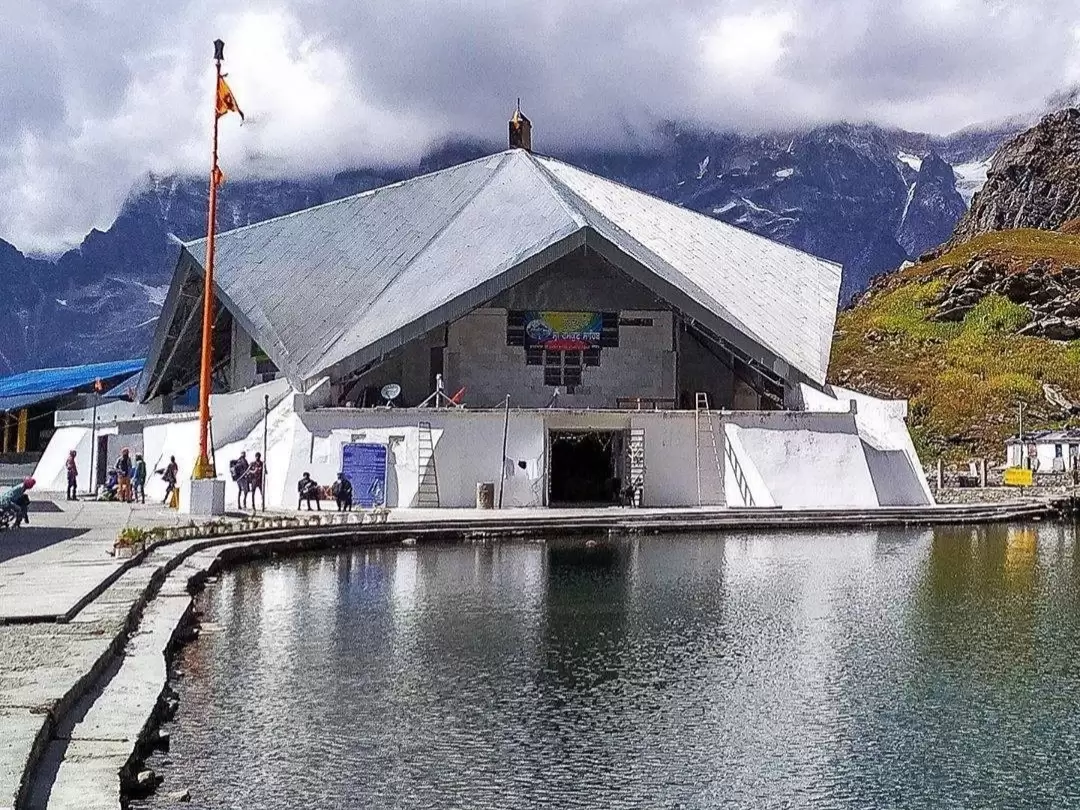
The precise location of Hemkund was identified in the early 20th century by Sant Sohan Singh, a retired havildar of the Indian Army, who correlated the scriptural description with the glacial lake surrounded by seven snow-clad peaks. Following this identification, a gurdwara structure was gradually constructed, with the present star-shaped building completed in the 1960s under the supervision of the Hemkund Sahib Management Trust.
Gurdwara Hemkund Sahib functions seasonally due to extreme weather conditions and remains open to pilgrims typically between late spring and early autumn. Its historical importance lies in the modern rediscovery and establishment of the shrine based on Sikh scripture, rather than in medieval architectural heritage.
Best Time to Visit – Gurdwara Hemkund Sahib Ghangharia
Gurdwara Hemkund Sahib, accessible via Ghangharia in Chamoli district, is open only during a short summer pilgrimage window due to extreme snowfall and high-altitude conditions at 4,300 meters.
- Ideal months: Mid-June to September (exact opening and closing dates vary annually based on snow clearance).
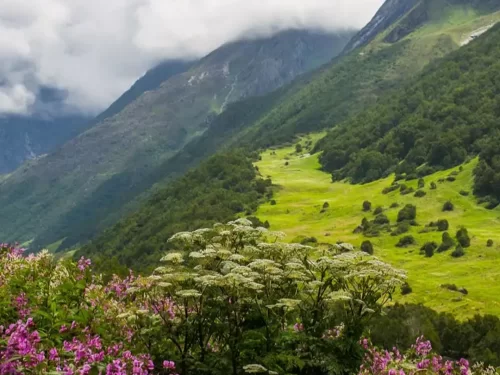
- Weather during the best season: During peak season, daytime temperatures typically range between 5–15°C, with cold winds near the glacial lake. July and August bring alpine blooms in the Valley of Flowers region, though afternoon cloud buildup is common. Mornings offer the clearest skies for the steep 6 km trek from Ghangharia.
- Periods to avoid (and why): October to May sees heavy snowfall, and the route from Govindghat to Hemkund Sahib remains officially closed and inaccessible. Even during July–August monsoon weeks, rain in lower stretches can make trekking paths slippery and increase landslide risk on approach roads.
How to Reach Gurdwara Hemkund Sahib Ghangharia
- Nearest Airport: Jolly Grant Airport, Dehradun (approximately 290–300 km from Govindghat, the trek base). The airport has regular connectivity to Delhi and select Indian cities. From Dehradun, taxis to Govindghat typically take 9–10 hours depending on mountain road and weather conditions.
- Nearest Railway Station: Rishikesh Railway Station (approximately 270 km from Govindghat) has limited connectivity, while Haridwar Railway Station (around 295 km away) offers broader train services. From either station, buses and taxis operate toward Joshimath/Govindghat.
- Road Access & Last-Mile Connectivity: Motorable access is available up to Govindghat on NH 7. From Govindghat, visitors must trek approximately 13 km to reach Ghangharia (also known as Govind Dham), the base for Hemkund Sahib. From Ghangharia, Hemkund Sahib requires an additional 6 km steep uphill trek. Helicopter services operate seasonally between Govindghat and Ghangharia, subject to weather conditions. The route is typically open from late May to October, depending on snow clearance, and remains closed during winter due to heavy snowfall.
What to Expect When You Visit Gurdwara Hemkund Sahib Ghangharia
- Environment and Surroundings: Gurdwara Hemkund Sahib is located at an altitude of about 4,300 metres in Chamoli district, Uttarakhand, near Ghangharia. The gurdwara sits beside a glacial lake surrounded by steep Himalayan peaks, including Hathi Parvat and Saptrishi peaks. The landscape is alpine, with snow visible on surrounding slopes even during the pilgrimage season. The site is accessible only during the summer months, typically from June to early October, as heavy snowfall makes the region inaccessible in winter. Weather can change rapidly, with cold winds and sudden cloud cover common even in summer.
- Facilities and Amenities: Basic facilities are available during the open season, including langar (community kitchen) services offering simple meals to pilgrims. Medical aid posts and resting areas operate seasonally. There are no commercial shops at the lake itself, though limited stalls exist at Ghangharia, the base settlement. Toilet facilities are basic and functional only during the pilgrimage period. Overnight stay at Hemkund is generally not permitted; accommodation is available at Ghangharia.
- Accessibility and Movement: The journey begins by road up to Govindghat, followed by a trek of approximately 13 km to Ghangharia, and then a steep 6 km uphill trek to Hemkund Sahib. The final stretch is physically demanding due to high altitude and steep gradient. Ponies and palanquin services may be available up to certain points. At this altitude, visitors may experience breathlessness or symptoms of altitude sickness. The pathway is paved in sections but can be slippery in rain or near melting snow.
- Typical Visitor Behavior and Conditions: The site attracts Sikh pilgrims and trekkers during the open season. Footfall peaks between June and September. Pilgrims typically spend limited time at the lake and gurdwara due to cold conditions and altitude, often returning to Ghangharia the same day. Early morning departures are common to avoid afternoon weather changes. During poor weather, visibility may drop significantly, and authorities may temporarily regulate movement for safety.
Important Visitor Information – Gurdwara Hemkund Sahib Ghangharia
- Crowd & Weather Notes: Hemkund Sahib is open seasonally, typically from late May/June to October, depending on snow clearance. The yatra period (June to September) sees very high pilgrim footfall, especially in July and August. Weather at over 4,300 meters remains cold even in summer, with sudden cloud cover, rain, or snowfall possible.
- Peak / Quiet Hours: The ascent from Ghangharia usually begins early morning (4:00 AM – 6:00 AM), making mid-morning (9:00 AM – 12:00 PM) the busiest time at the gurdwara. Early departures help avoid afternoon weather changes and crowd congestion.
- Dress Code: Modest attire is mandatory. Head covering is compulsory inside the gurdwara. Warm layered clothing, waterproof jackets, gloves, and sturdy trekking shoes are essential due to steep high-altitude conditions.
- Safety Notes: The 6 km steep trek from Ghangharia involves continuous ascent with limited shelter. High-altitude sickness is a genuine risk; visitors should acclimatize properly before attempting the climb. Weather can change rapidly, and oxygen levels are lower at this elevation. Medical aid posts operate during the yatra season, but facilities are basic. The glacial lake near the shrine is extremely cold; entering the water carries health risks.
Photography and Viewpoints – Gurdwara Hemkund Sahib, Ghangharia
- Best viewpoints/angles: The glacial Hemkund Lake with the star-shaped gurdwara and surrounding snow-clad peaks is best captured from the lakeside path slightly elevated above the waterline; position along the stone walkway to frame the gurdwara reflection in calm conditions; wider compositions from the approach trail reveal the full amphitheatre of peaks encircling the lake.
- Lighting & time-of-day: Early morning provides the clearest mountain visibility and calmer lake surface for reflections; late morning light illuminates the white structure against darker rock faces; weather changes rapidly at this altitude, and clouds can obscure peaks within minutes.
- Rules/restrictions: Photography is allowed in the outer complex and around the lake, but maintain strict decorum inside the prayer hall; avoid flash during prayers; drone use is generally prohibited due to high-altitude pilgrimage regulations and environmental sensitivity.
- Crowd & access factors: The site operates seasonally (typically June to October, depending on weather), and peak pilgrimage months see heavy footfall limiting uninterrupted frames; early arrival after the daily opening provides clearer compositions; access involves a steep high-altitude trek from Ghangharia, and thin air and sudden weather shifts affect equipment handling.