Quick Facts About Gucchupani Robbers Cave
| Entry Fee | 35 |
| Timings | 07:00 - 18:00 |
| Altitude (m) | 670 |
| Ideal Visit Duration (hrs) | 2 |
| Best Time of Day | Morning |
| Crowd Level | High |
| Distance from City Centre (km) | 8 |
| Walking Difficulty | Moderate |
| Parking Available | Yes |
| Last Mile Access | Walk |
| Suitable for Kids | Yes |
| Suitable for Seniors | No |
| Wheelchair Friendly | No |
Why Visit Gucchupani Robbers Cave Dehradun
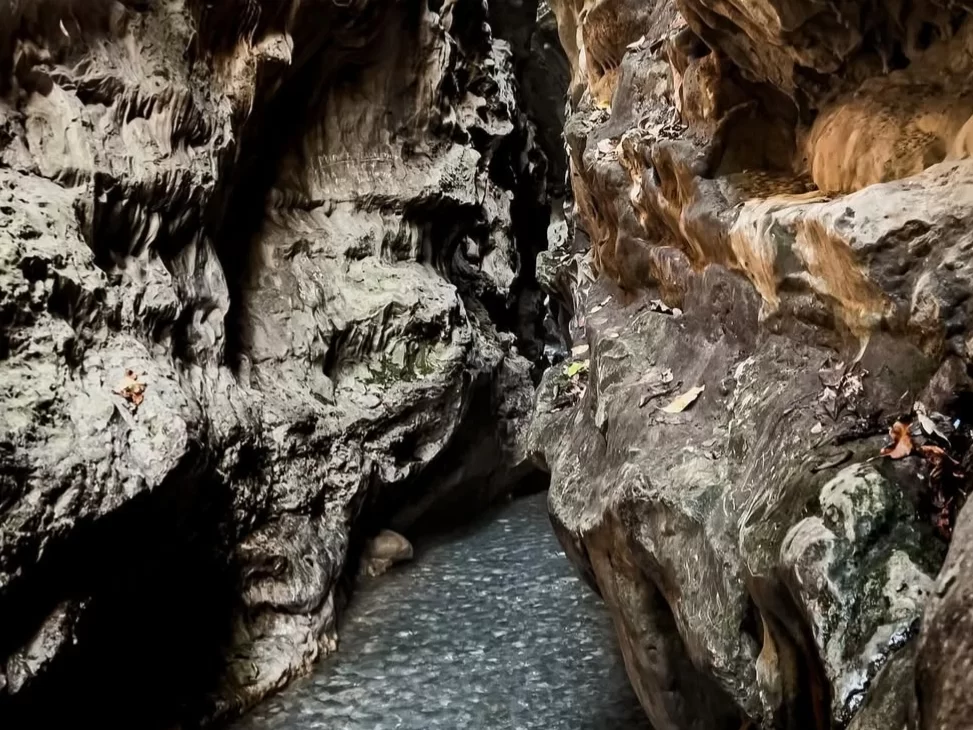
Gucchupani offers a rare experience where visitors walk directly through a natural cave with a shallow cold stream flowing under their feet. Unlike standard viewpoints or temples around Dehradun, this place involves active exploration inside a narrow gorge. The cool water provides relief during hot summer months, but the rocky floor can be slippery, so movement requires attention. The cave is relatively short, making it suitable for half day visits without complex planning.
The atmosphere inside the cave is shaded and noticeably cooler than outside, with sunlight entering through gaps between high rock walls. Water echoes and natural rock textures create a raw setting that feels different from landscaped tourist parks. On weekends the environment becomes crowded and noisy due to local tourism, which reduces the sense of isolation. Early morning visits provide a calmer environment and clearer water flow.
What makes this location special is the combination of a walkable river stream, narrow rock formations, and the sudden disappearance and reappearance of water along parts of the cave path. The experience is more physical than visual, requiring visitors to step through water and navigate uneven surfaces. It is not a polished attraction, facilities inside the cave are minimal, and safety barriers are limited, which gives it an unfiltered natural character but also requires basic caution from visitors.
Background and Local Context
Gucchupani, commonly called Robbers Cave, does not have a formally recorded historical timeline. The name comes from local stories that small groups of robbers once used the narrow cave and hidden water channels as temporary hiding spots during the late colonial period. There is no verified archaeological evidence confirming these stories, and most references come from local oral accounts rather than documented records.
The site has primarily remained a natural geological formation rather than a constructed or historically managed attraction. Over time it became known among residents of Dehradun as a local picnic and walking spot, especially during summer when the flowing stream offers a cooler environment compared to the city. Basic visitor infrastructure such as entry gates and food stalls developed only in recent decades as footfall increased.
Today the cave is recognized mainly for its natural rock formations and flowing stream rather than any historical structures or preserved heritage elements. Visitors should not expect museums, interpretive signage, or guided historical tours on site.
Best Time to Visit Gucchupani Robbers Cave Dehradun
The most practical time to visit Gucchupani is between March and June when water flow remains manageable and temperatures in Dehradun start rising, making the cold cave stream more comfortable to walk through. Winter months from November to February bring colder water and shaded conditions inside the cave, which many visitors find uncomfortable for extended walking. The monsoon season from July to September is not ideal due to sudden water level increases, slippery rocks, and occasional temporary closures during heavy rainfall.
Daily timing also affects the overall experience. Early morning visits offer lower crowd density, clearer pathways, and easier movement through narrow cave sections. By late morning and afternoon, especially on weekends and school holidays, the cave becomes crowded and movement slows significantly due to limited space inside the gorge.
- March to June offers balanced weather and manageable water levels
- October provides relatively clear conditions after monsoon season
- Visit between 7:00 AM and 10:00 AM for fewer crowds and easier walking
- Avoid peak monsoon weeks due to water surge risk and slippery terrain
- Weekdays provide a calmer environment compared to weekends and public holidays
How to Reach Gucchupani Robbers Cave Dehradun
- By Air: The nearest airport is Jolly Grant Airport Dehradun located about 30 km away. Taxis are available outside the airport and the drive usually takes 60 to 75 minutes depending on traffic.
- By Train: Dehradun Railway Station is approximately 10 km from Gucchupani. Auto rickshaws, local taxis, and app based cabs are easily available from the station area.
- By Road: The cave is connected by local roads via Anarwala village. Private cars and two wheelers can reach the designated parking area near the entrance market.
- Local Transport: Shared autos and city buses run toward nearby residential areas, but the last stretch usually requires a short auto ride or private vehicle.
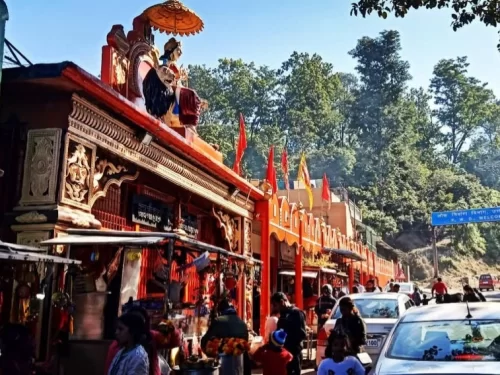
- Last Mile Walk: From the parking zone visitors walk around 1 km through a narrow market path and entry trail before reaching the cave entrance. The path is mostly flat but can get crowded.
- Driving Tip: Roads close to the site become congested on weekends and holidays, so early arrival helps avoid parking delays.
What to Expect When You Visit Gucchupani Robbers Cave Dehradun
- Entry begins with a short walk through a narrow market area filled with small food stalls, footwear rentals, and basic changing rooms.
- The main cave experience involves walking inside a shallow cold stream flowing between high rock walls, with water usually reaching ankle to knee level depending on season.
- Rock surfaces inside the cave are uneven and slippery, requiring slow movement and stable footwear suitable for water conditions.
- Natural light reduces deeper inside the cave, and some sections feel narrow with limited space for two way movement during peak hours.
- During weekends and school holidays the cave becomes crowded, leading to slow walking pace and frequent waiting at tighter sections.
- There are no advanced safety rails or structured pathways inside the cave, so visitors need to watch their footing and maintain balance.
- Food stalls and rest areas are located outside the cave near the entrance area, but there are no proper seating zones inside.
- Water flow remains cool even in summer, while winter visits can feel very cold due to shaded conditions and continuous water contact.
- Occasional temporary closures or access restrictions may happen during heavy rainfall because water levels can rise quickly.
Important Visitor Information Gucchupani Robbers Cave Dehradun
- Crowd and Weather Notes: Expect heavy crowd buildup on weekends, summer vacations, and public holidays. During monsoon months water flow can increase quickly and rocks become extremely slippery.
- Peak Hours: 11:00 AM to 4:00 PM when group visitors and families arrive, causing slow movement inside narrow cave sections.
- Quiet Hours: 7:00 AM to 10:00 AM on weekdays when footfall remains lower and walking space is easier to manage.
- Dress Code: Wear quick drying clothes and water resistant footwear with strong grip. Avoid jeans or heavy fabrics that remain wet for long periods.
- Safety Notes: Walk slowly inside the cave due to uneven rocky surfaces and flowing water. Children require close supervision. Avoid visiting during heavy rain warnings due to sudden water level rise.
- Valuables: Carry minimal electronics or keep them in waterproof bags as splashing water is common throughout the cave path.
- Health Consideration: People with knee problems, balance issues, or mobility limitations may find the terrain difficult because there are no structured walkways.
Photography and Viewpoint Gucchupani Robbers Cave Dehradun
- Natural light enters the cave through narrow openings above, creating strong contrast between bright entry sections and darker inner areas, which can make mobile photography challenging without steady hands.
- The most photographed section is the narrow gorge where water flows between tall rock walls, but space is limited and stopping for long periods can block movement during busy hours.
- Water reflections and textured rock surfaces offer close range photography opportunities rather than wide landscape shots.
- Early morning provides clearer water flow and fewer people in the background, making it easier to capture unobstructed photos.
- There are no formal viewpoints, raised platforms, or designated photo zones inside the cave, so visitors must stand on natural rock surfaces while maintaining balance.
- Carrying waterproof pouches is recommended since splashing water is common and electronic devices can get wet easily.
- Tripods are not practical due to uneven ground, flowing water, and constant visitor movement through narrow sections.
- Drone usage is generally not suitable because of narrow rock formations and restricted flying space within the gorge.