Quick Facts About Garjiya Devi Temple
| Entry Fee | Free |
| Timings | 06:00 - 18:00 |
| Altitude (m) | 213 |
| Ideal Visit Duration (hrs) | 1 |
| Best Time of Day | Morning |
| Crowd Level | Moderate |
| Distance from Ramnagar (km) | 4 |
| Walking Difficulty | Easy |
| Parking Available | Yes |
| Last Mile Access | Walk |
| Suitable for Kids | Yes |
| Suitable for Seniors | Yes |
| Wheelchair Friendly | Partially |
Why Visit Garjiya Devi Temple, Jim Corbett
Why Visit: Garjiya Devi Temple is a significant spiritual destination and a serene riverside retreat for devotees and nature lovers. The temple attracts visitors seeking a blend of religious experience and natural beauty along the Ramganga River.
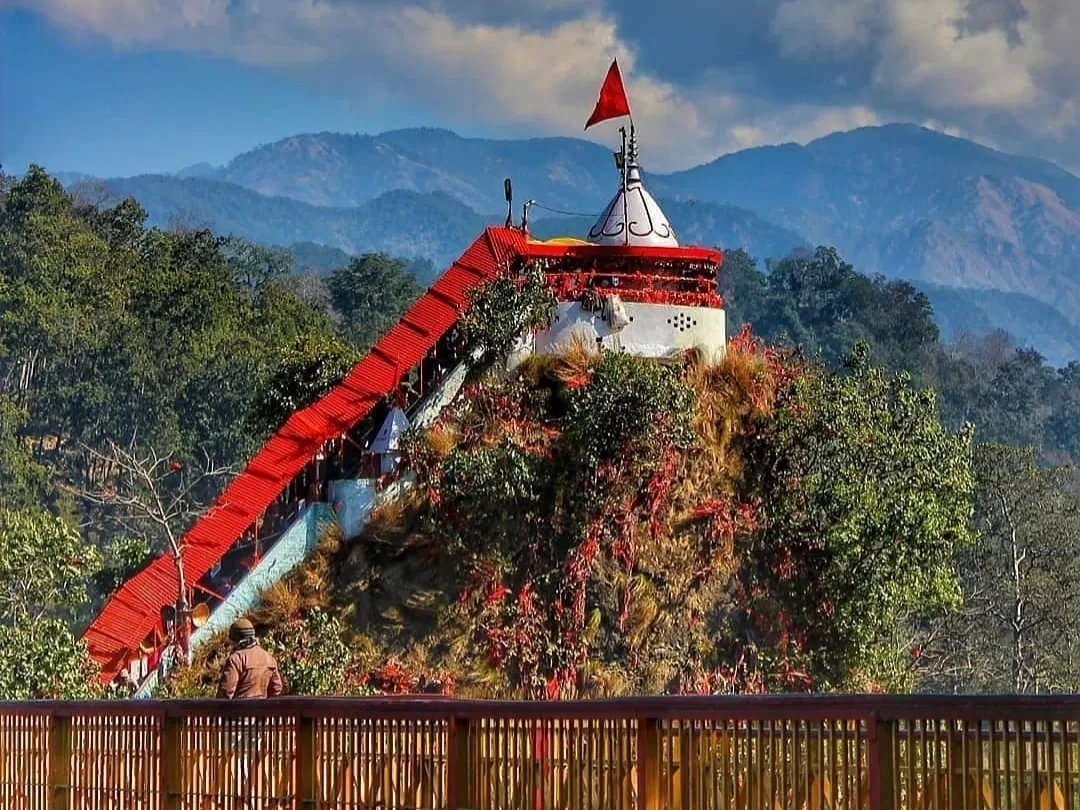
Atmosphere: The temple is perched on a large rock by the riverside, offering panoramic views of the flowing Ramganga River and surrounding forested landscape. The gentle sound of water and the peaceful environment create a calming and spiritual ambiance for visitors.
What Makes it Special: The temple’s location on the riverbank amidst lush greenery makes it unique in the Jim Corbett region. Devotees can participate in rituals, observe traditional prayers, and enjoy the scenic natural surroundings. The combination of spiritual significance and scenic beauty makes Garjiya Devi Temple a memorable and must-visit destination.
History of Garjiya Devi Temple, Jim Corbett
Garjiya Devi Temple is an ancient riverside temple dedicated to Goddess Garjiya, situated on a large rock along the Ramganga River in Jim Corbett. The temple has been a site of religious devotion for centuries, attracting devotees from nearby towns and villages who come to offer prayers and perform rituals.
The temple is particularly significant during festivals such as Kartik Purnima, when large gatherings of devotees participate in traditional ceremonies and holy baths in the river. Its location amidst lush forests and the flowing river has historically provided a serene environment for spiritual practice and reflection, making it an enduring religious and cultural landmark in the region.
Best Time to Visit Garjiya Devi Temple, Jim Corbett
The best time to visit Garjiya Devi Temple is when the weather is pleasant and the Ramganga River is calm, allowing visitors to enjoy the scenic surroundings and participate in rituals comfortably. Seasonal conditions affect both the natural beauty and accessibility of the temple.
- October to March: Cooler and drier months provide comfortable temperatures for visiting the temple, enjoying riverside views, and photography.
- April to June: Early summer offers moderate temperatures and clear skies; ideal for sightseeing and attending rituals without heavy rainfall.
- July to September: Monsoon season brings heavy rains; the river flow may increase, making trails slippery, so caution is advised for visitors during this period.
How to Reach Garjiya Devi Temple, Jim Corbett
- By Air: The nearest airport is Pantnagar Airport, approximately 60 km from the temple. From the airport, taxis or private cabs are available to reach Garjiya Devi Temple via Ramnagar.
- By Train: Ramnagar Railway Station is the closest station, around 15 km away. Taxis and local cabs can be hired from the station to reach the temple.
- By Road: The temple is well connected by road from Ramnagar and nearby towns. Visitors can drive, hire taxis, or take local buses. The route passes through forested areas and is scenic.
- Local Transport & Last Mile Access: From the parking area near the riverbank, a short walk along paved and marked paths leads to the temple. Comfortable footwear is recommended.
What to Expect When You Visit Garjiya Devi Temple, Jim Corbett
- Spiritual Experience: Visitors can offer prayers, participate in daily rituals, and experience the serene ambiance of the riverside temple dedicated to Goddess Garjiya.
- Scenic Views: The temple is located on a large rock by the Ramganga River, offering panoramic views of the river, surrounding forests, and distant hills—ideal for photography and quiet reflection.
- Festivals and Rituals: The temple is especially lively during festivals like Kartik Purnima, when devotees gather for prayers, holy dips in the river, and traditional ceremonies.
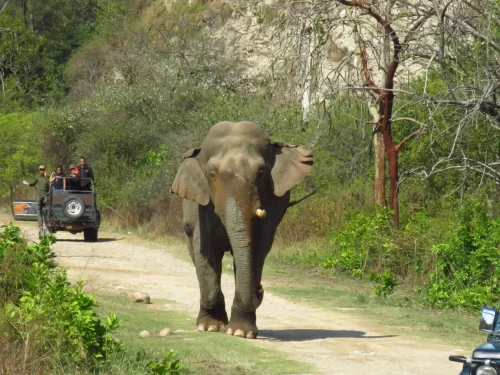
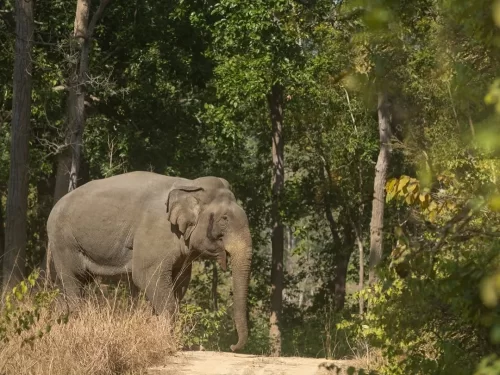
- Nature and Wildlife: The surrounding forested area provides opportunities to spot local flora and fauna while walking along the riverside pathways.
- Peaceful Ambiance: The location is tranquil, allowing visitors to relax, meditate, and enjoy the soothing sounds of flowing water.
- Photography Opportunities: Excellent for capturing riverside landscapes, temple architecture, and forested surroundings.
Important Visitor Information for Garjiya Devi Temple, Jim Corbett
- Crowd & Weather Notes: The temple experiences moderate crowds, with weekends, holidays, and festival days being busier. Best visiting months are October to March when the weather is pleasant. Monsoon season (July–September) may bring heavy rainfall and slippery pathways near the river.
- Peak / Quiet Hours: Peak hours are 10:00 AM – 4:00 PM. Early mornings (6:00 AM – 9:00 AM) and late afternoons provide a quieter, more peaceful experience.
- Dress Code: Modest attire is recommended for temple visits. Comfortable shoes are advised for walking along riverside pathways and steps.
- Safety Notes: Visitors should be cautious near the river and rocky areas. Children should be supervised, and attention is required during monsoon when surfaces may be slippery.
Photography and Viewpoint at Garjiya Devi Temple, Jim Corbett
- Riverside Views: The temple is perched on a large rock along the Ramganga River, offering excellent vantage points to capture panoramic riverside and forest views.
- Temple Architecture: The riverside temple structure provides opportunities to photograph traditional religious architecture in a natural setting.
- Sunrise and Sunset Photography: Early morning and late afternoon provide soft, golden lighting ideal for capturing the temple, river, and surrounding forest in scenic compositions.
- Forest and Nature Shots: The pathways and forested surroundings offer excellent subjects for macro and nature photography, including local flora and occasional birds or wildlife.
- Festival Photography: During festivals such as Kartik Purnima, photographers can capture rituals, devotees, and cultural ceremonies alongside the scenic backdrop of the river and hills.
- Safe Composition Spots: Designated pathways and the temple’s rock platform provide safe areas for photography without risking slips or falls near the riverbank.