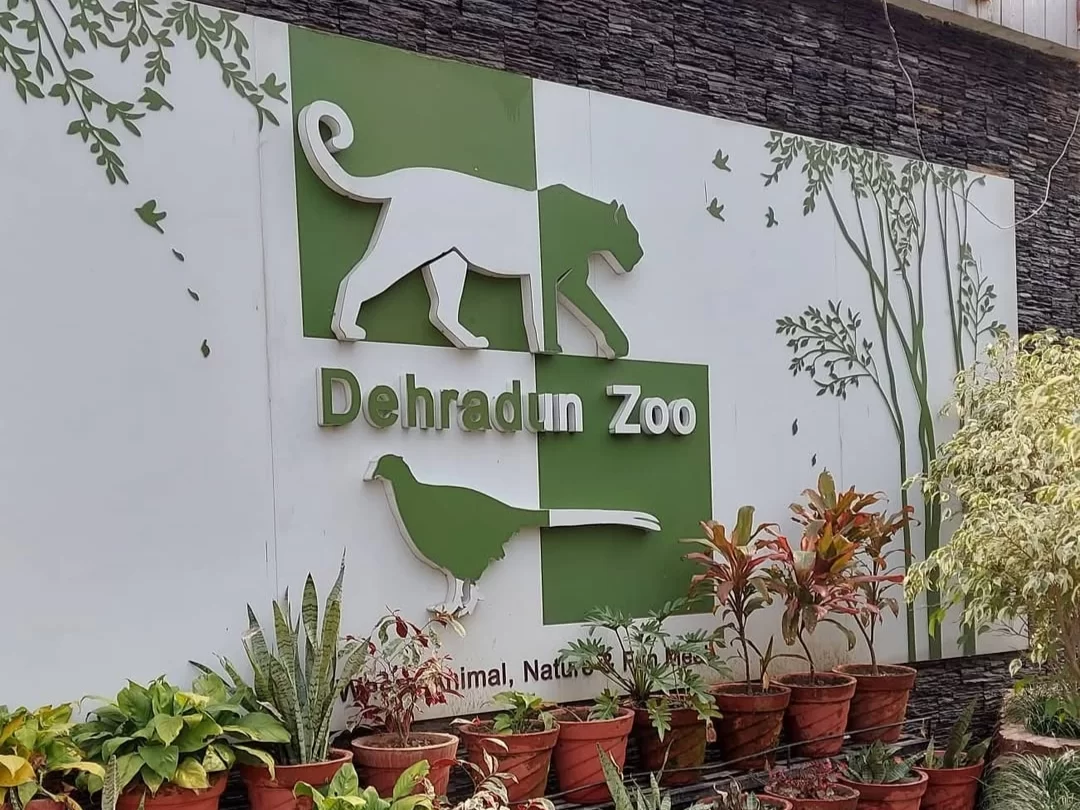
Dehradun Zoo Dehradun, Uttarakhand, India

Dehradun Zoo , Dehradun
Visitors come to observe deer species, peacocks, nilgai, and other small mammals in a landscaped park setting at the foothills of the Shivalik range. The facility includes walking paths, enclosures, and basic visitor amenities, and operates under state wildlife authorities.

Quick Facts About Dehradun Zoo

Entry Fee Yes
Timings 09:00 - 17:00
Altitude (m) 700
Ideal Visit Duration (hrs) 2
Best Time of Day Morning
Crowd Level High
Distance from Dehradun (km) 10
Walking Difficulty Moderate
Parking Available Yes
Last Mile Access Road
Suitable for Kids Yes
Suitable for Seniors Yes
Wheelchair Friendly No

Why Visit Dehradun Zoo

Dehradun Zoo, officially known as Malsi Deer Park, attracts visitors for its compact wildlife enclosures set at the foothills of the Shivalik range. Families and casual travelers visit to see deer species, peacocks, nilgai, and other small mammals in a controlled, easily walkable environment close to the city.

The atmosphere inside the zoo is structured and family-oriented, with paved walking paths, shaded seating areas, and clearly marked enclosures. Located along the Dehradun–Mussoorie road, the setting combines forested surroundings with organized viewing spaces, making it suitable for short visits.

What makes Dehradun Zoo distinct is its hill-foothill setting rather than a large metropolitan zoo layout. Unlike expansive safari parks, it offers a compact, accessible wildlife viewing experience that can be covered within a few hours while staying close to Dehradun’s main urban area.

History of Dehradun Zoo

Dehradun Zoo, officially known as Dehradun Zoological Park, is located at Malsi on the Dehradun–Mussoorie road in Uttarakhand. The facility was initially established as Malsi Deer Park in the late 20th century as a small recreational and conservation-oriented enclosure focusing primarily on deer species.

Over time, the park was expanded and developed into a full-fledged zoological park under the Uttarakhand Forest Department. It was officially recognized as a zoo by the Central Zoo Authority of India, marking its transition from a limited wildlife enclosure to a regulated conservation and education center.

Today, Dehradun Zoo functions as a managed wildlife facility aimed at conservation awareness, captive breeding, and environmental education rather than as a historical monument. Its significance lies in its modern institutional role within Uttarakhand’s forest and wildlife management framework.

Best Time to Visit – Dehradun Zoo

Dehradun Zoo (Malsi Deer Park) is best visited when temperatures are moderate, as the zoo is largely open-air and animal activity varies with heat and seasonal conditions.
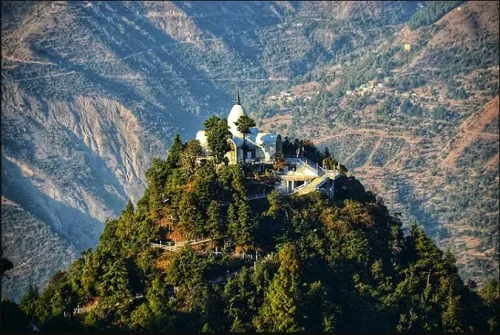
  • Ideal months: October to March offers the most comfortable conditions for exploring the zoo.
  • Weather during the best season: Winter and early spring in Dehradun bring mild daytime temperatures (approximately 10–25°C), lower humidity, and clearer skies. Animals are generally more active during cooler hours, especially in the morning.
  • Periods to avoid (and why): April to June afternoons can become hot, often crossing 35°C, which reduces animal movement and makes walking between enclosures tiring. July to September sees monsoon rainfall, leading to wet pathways and occasional temporary disruptions during heavy showers.

How to Reach Dehradun Zoo

  • Nearest Airport: Jolly Grant Airport, Dehradun (approximately 35–40 km from Dehradun Zoo). The airport has regular connectivity to Delhi and select Indian cities. From the airport, taxis to the zoo typically take 1–1.5 hours depending on city traffic.
  • Nearest Railway Station: Dehradun Railway Station (approximately 10–12 km from the zoo) is the nearest major railhead with good connectivity to Delhi and other North Indian cities. Auto-rickshaws, taxis, and city buses are available from the station.
  • Road Access & Last-Mile Connectivity: Dehradun Zoo (Malsi Deer Park) is located on Mussoorie Road, about 10 km from Dehradun city center. It is directly accessible by private vehicle, taxi, and local buses operating toward Mussoorie. Designated parking is available near the entrance. The final access involves a short walk from the parking area to the ticket counter. Traffic congestion may increase on weekends and during peak tourist season toward Mussoorie.

What to Expect When You Visit Dehradun Zoo

  • Environment and Surroundings: Dehradun Zoo, officially known as Malsi Deer Park (Dehradun Zoo), is located on Mussoorie Road at the foothills of the Shivalik range in Uttarakhand. The zoo is spread across a hilly, forested landscape with walking trails that move through natural enclosures. The setting includes shaded areas, landscaped lawns, and gradual slopes. Summers (April–June) can be warm during midday, while winters (December–February) are cool. During monsoon (July–September), pathways may be wet and slightly slippery.
  • Facilities and Amenities: The zoo has a ticketed entry gate, basic restroom facilities, drinking water points, and small refreshment kiosks near the entrance area. Informational boards are placed near animal enclosures. Seating benches are available at intervals, though not throughout the entire walking route. The campus is moderately maintained, but facilities are simple rather than extensive.
  • Accessibility and Movement: The zoo is directly accessible by motorable road from Dehradun city centre (approximately 9–10 km). Parking space is available near the entrance. Movement inside involves walking on paved and semi-paved paths across gently sloping terrain. The layout requires moderate walking to cover the full circuit. Certain sections include inclines, which may require effort for elderly visitors.
  • Typical Visitor Behavior and Conditions: The zoo attracts families, school groups, and local visitors, especially on weekends and holidays. Visitors typically spend 1.5 to 2.5 hours exploring the enclosures. Animal visibility may vary depending on time of day, with late mornings and early afternoons sometimes seeing animals resting. Weekdays are generally quieter compared to weekends.

Important Visitor Information – Dehradun Zoo

  • Crowd & Weather Notes: Dehradun Zoo (Malsi Deer Park) sees higher footfall on weekends, school holidays, and during summer (April to June). Winters (November to February) are more comfortable for walking through the open enclosures. Monsoon (July to September) brings greenery but pathways may remain wet after rainfall.
  • Peak / Quiet Hours: Late mornings between 11:00 AM and 2:00 PM are typically the busiest. Early mornings soon after opening are comparatively quieter and better for observing animal activity.
  • Dress Code: No formal dress code applies. Comfortable walking shoes are recommended as the zoo involves paved and slightly inclined pathways across a large area.
  • Safety Notes: The zoo is managed by the Uttarakhand Forest Department; visitors must follow posted rules, avoid feeding animals, and stay behind safety barriers. Photography may be regulated in certain enclosures. Parking is available near the entrance, but it can fill quickly on peak days.

Photography and Viewpoints – Dehradun Zoo

  • Best viewpoints/angles: Enclosures such as the tiger, leopard, and bear habitats are best photographed from designated viewing galleries where fencing is set back, allowing clearer sightlines; use slight side angles rather than shooting straight through mesh to reduce visual obstruction; elevated walkways offer wider habitat frames with natural forest backdrops.
  • Lighting & time-of-day: Morning hours (soon after opening) provide active animal movement and softer light; midday can create harsh shadows inside enclosures, especially in open habitats; overcast conditions help reduce glare on glass-fronted reptile and bird enclosures.
  • Rules/restrictions: Photography for personal use is generally allowed, but flash photography is prohibited near animals; do not tap on glass or attempt to attract animals for photos; drone usage is strictly prohibited within zoo premises.
  • Crowd & access factors: Weekends and holidays increase visitor flow, especially near big cat enclosures, limiting uninterrupted viewing positions; early weekday visits provide clearer sightlines; pathways are paved and stable, but waiting time may be required during peak hours.

Near By Attraction

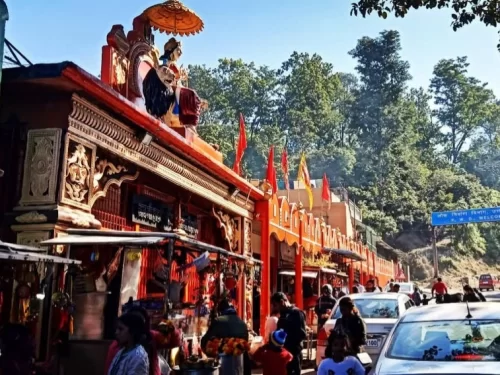
Jai Maa Daat Kali Temple in Dehradun, Uttarakhand with vibrant red façade and devotees offering prayers, a popular roadside shrine included in Uttarakhand tour packages Temple

Jai Maa Daat Kali Temple

Jai Maa Daat Kali Temple is a Hindu temple dedicated to Goddess Kali, located along the Dehradun–Saharanpur Road near the city entrance in Dehradun, Uttarakhand, India.

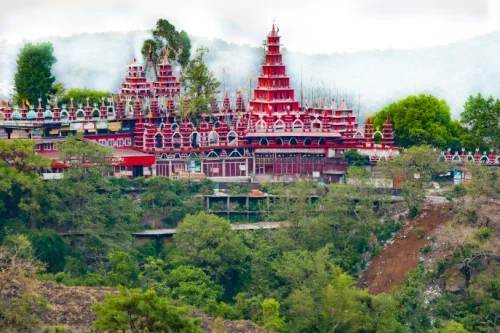
White Buddha Temple in Dehradun, Uttarakhand surrounded by greenery, a peaceful landmark featured in Uttarakhand tour packages Temple

Buddha Temple

Buddha Temple, commonly known as the Mindrolling Monastery, is a large Tibetan Buddhist monastery complex located in Clement Town, Dehradun, Uttarakhand, India.

Shikhar Falls in Dehradun, Uttarakhand with water cascading over rocky cliffs into a natural pool, a serene stop included in Uttarakhand tour packages Waterfall

Shikhar Falls

Shikhar Falls is a natural waterfall formed along a tributary of the Rispana River, located on the outskirts of Dehradun, Uttarakhand, India.

Frequently Asked Questions About Dehradun Zoo

Dehradun Zoo is located on Mussoorie Road in Dehradun, Uttarakhand, surrounded by forested hills and natural greenery.
Dehradun Zoo is usually open from around 9 am to 5 pm and remains closed on certain weekdays for maintenance. Visitors should confirm current timings before planning their visit in Dehradun, Uttarakhand.
Dehradun Zoo charges a nominal entry fee for adults and children, with separate rates for Indian and foreign visitors. Additional charges may apply for cameras.
Visitors can reach Dehradun Zoo easily by taxi, auto rickshaw, or private vehicle from central Dehradun, Uttarakhand. It is about a short drive from the main city area on the way to Mussoorie.
The best time to visit Dehradun Zoo is between October and March when the weather in Dehradun, Uttarakhand is pleasant for walking. Morning hours are generally more comfortable for exploring the zoo.
Most travelers spend about 2 to 3 hours at Dehradun Zoo to comfortably explore animal enclosures and walking trails. The duration may vary depending on crowd levels and interest.
Dehradun Zoo tends to be more crowded on weekends, public holidays, and school vacation periods. Weekdays are usually less busy and better for a relaxed visit.
Basic food stalls and drinking water facilities are available inside or near Dehradun Zoo. Visitors may also find small eateries along Mussoorie Road in Dehradun, Uttarakhand.
Parking facilities are available near the entrance of Dehradun Zoo for private vehicles. During peak days, parking space may fill up quickly.
Dehradun Zoo is suitable for children and family visits as it offers safe walking paths and educational displays. Parents should supervise young children, especially in busy areas.

Loved this place ? Let’s Plan Your Uttarakhand Trip

Get customized Uttarakhand tour planning designed around seasonal weather changes, hill road travel timing, pilgrimage flow, and comfort-based pacing. Whether you are visiting for spiritual journeys, Himalayan views, wildlife reserves, river valleys, or p

⚡ Quick Response | 💰 Free consultation | 🕒 24×7 expert support

×

Plan Your Trip