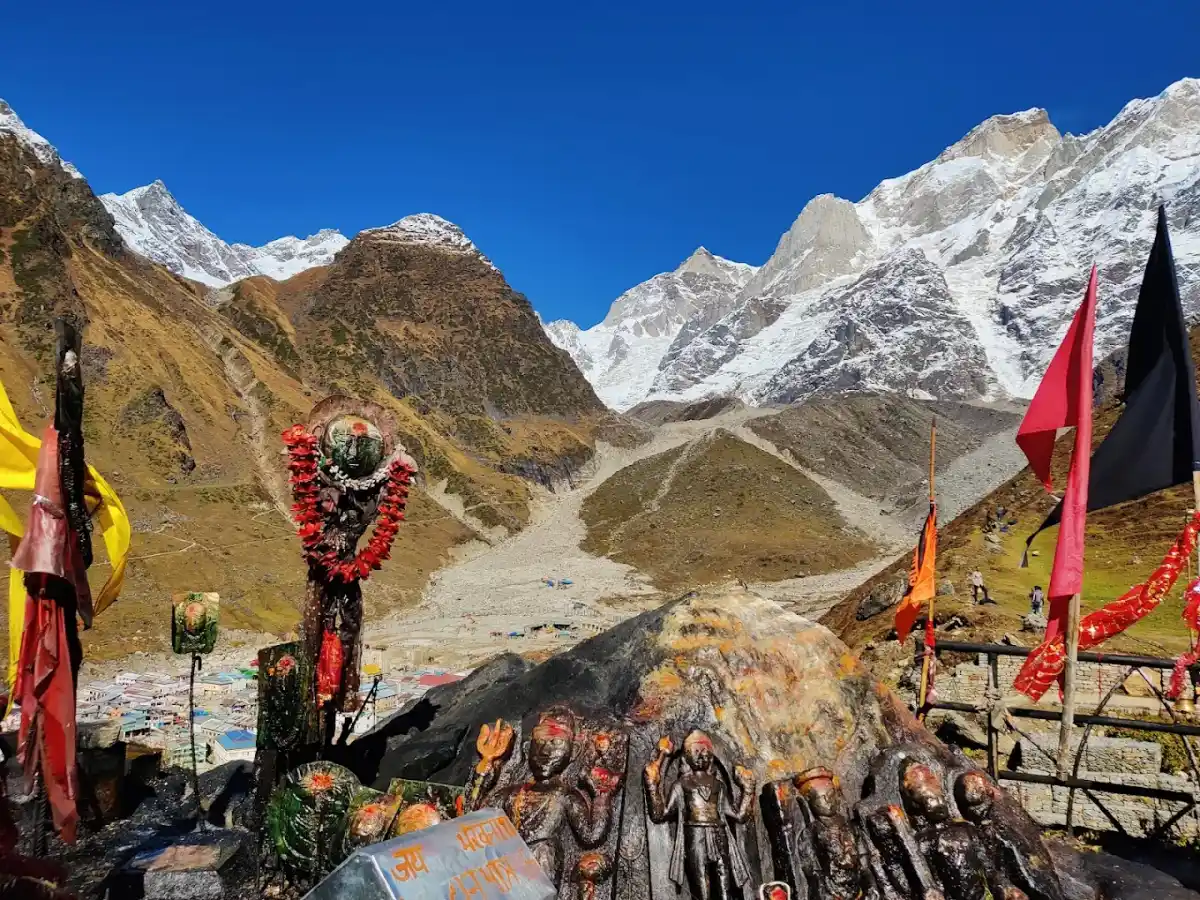
Bhairavnath Temple – Hindu Shiva Shrine in Uttarakhand Himalayas

Shri Bhairavnath Mandir , Kedarnath
Tourists visit Bhairavnath Temple for its religious significance in Shaivite traditions and its presence near major Himalayan pilgrimage routes. The temple is commonly visited along with nearby shrines and is associated with protective deity worship in the region.

Quick Facts About Shri Bhairavnath Mandir

Bhairavnath Temple, Uttarakhand Quick Facts

Entry Fee No entry fee
Timings Generally open from early morning to evening; timings may vary during festivals and seasonal pilgrimages
Altitude (m) Approximately 3,800–3,900 m above sea level (Kedarnath region)
Ideal Visit Duration 1–2 hours
Best Time of Day Morning for clearer views and easier access conditions
Crowd Level Moderate; high during peak Char Dham pilgrimage season
Distance from City Centre (km) Approximately 1–2 km from Kedarnath main temple area (distance varies slightly by trekking path)
Walking Difficulty Moderate; uphill walk on mountain terrain
Parking Available No direct parking at temple; parking available at Gaurikund and Sonprayag (roadhead points)
Last Mile Access Accessible only by trekking from Kedarnath main temple area
Suitable for Kids No; high-altitude trek and steep ascent not suitable for children
Suitable for Seniors Limited suitability; only for fit visitors accustomed to high-altitude trekking
Wheelchair Friendly No; steep mountain terrain and trekking path restrict access

Why Visit Bhairavnath Temple, Uttarakhand

Visitors come to Bhairavnath Temple near Kedarnath to offer prayers to Bhairav Baba, a deity revered as the guardian of the Kedarnath region. The temple is commonly visited before or after darshan at Kedarnath and forms an important part of the local pilgrimage experience.

The on-ground atmosphere is peaceful and devotional, with fewer crowds than the main Kedarnath Temple. Located on an elevated ridge, the site offers open views of surrounding mountains, valleys, and the Kedarnath settlement below.

What makes Bhairavnath Temple distinct is its combination of religious significance and panoramic Himalayan scenery. The short uphill walk from Kedarnath rewards visitors with a quieter setting where spiritual traditions and mountain landscapes come together in a single experience.

History of Bhairavnath Temple, Uttarakhand

Bhairavnath Temple near Kedarnath is dedicated to Bhairava, a fierce manifestation of Lord Shiva revered in Hindu tradition. The temple occupies an important place in the religious landscape of the Kedarnath region and has long been associated with the area's pilgrimage practices.

According to local belief, Bhairavnath serves as the guardian deity of Kedarnath. During the winter months, when the Kedarnath Temple remains inaccessible due to heavy snowfall, Bhairavnath is believed to protect the sacred shrine and the surrounding valley.

The temple continues to be an integral part of the Kedarnath pilgrimage circuit, and many devotees visit it before or after offering prayers at Kedarnath, reflecting its enduring spiritual significance in the Garhwal Himalayas.

Best Time to Visit Bhairavnath Temple, Kedarnath, Uttarakhand

Bhairavnath Temple near Kedarnath is best visited during the annual Kedarnath pilgrimage season when the shrine is accessible and visitors can combine the visit with panoramic views of the Mandakini valley and surrounding Himalayan peaks.
  • Ideal Months: May to June and September to October are the most suitable periods for visiting Bhairavnath Temple.
  • Weather Conditions: These months generally offer open trekking routes, clearer mountain visibility, and comparatively stable weather for exploring the temple and nearby viewpoints above Kedarnath.
  • Periods to Avoid: July and August can bring heavy monsoon rainfall, increasing the risk of landslides, slippery trails, and travel disruptions. The temple is generally inaccessible during winter due to heavy snowfall and seasonal closure of the Kedarnath route.

How to Reach Bhairavnath Temple, Uttarakhand

  • By Air: The nearest airport is Jolly Grant Airport, Dehradun, approximately 235 km from Gaurikund, the nearest roadhead for the temple. From the airport, travelers can hire taxis or use bus services to reach Gaurikund via Rishikesh, Rudraprayag, and Guptkashi.
  • By Train: The nearest railway stations are Rishikesh (around 215 km from Gaurikund) and Haridwar Junction (around 240 km). Both stations offer rail connectivity with major Indian cities. Further travel to Gaurikund is by road only.
  • By Road: Bhairavnath Temple is situated above Kedarnath Temple and is accessible after reaching Kedarnath. Visitors must travel by road to Gaurikund and then undertake the approximately 16 km trek to Kedarnath. From the Kedarnath Temple complex, a short but steep uphill walk leads to Bhairavnath Temple. Access is seasonal and depends on Kedarnath Yatra operations, with weather conditions, snowfall, and monsoon-related disruptions potentially affecting travel plans.

What to Expect When You Visit Bhairavnath Temple, Uttarakhand

  • Bhairavnath Temple near Kedarnath is situated on a ridge above the main Kedarnath Temple complex, surrounded by high-altitude Himalayan terrain, rocky slopes, alpine vegetation, and panoramic mountain views.
  • The temple environment is exposed to the elements, with cold winds, rapidly changing weather, and limited natural shelter. Clear days offer extensive views of the Kedarnath valley and surrounding peaks.
  • Facilities at the temple itself are minimal, with no significant infrastructure beyond the shrine area. Basic amenities such as food stalls, lodging, medical facilities, and supplies are available primarily within the Kedarnath settlement below.
  • Access requires a short uphill walk from Kedarnath Temple along a stone pathway. Although the distance is relatively short, the high altitude and incline can make the climb physically demanding for some visitors.
  • Most visitors combine the temple visit with their Kedarnath pilgrimage, resulting in moderate to heavy footfall during the Char Dham season. Early mornings and evenings are generally less crowded.
  • Weather conditions strongly influence accessibility and comfort. Rain, snowfall, fog, and low temperatures can occur unexpectedly, while winter conditions typically restrict access due to heavy snow accumulation in the region.
  • Visitors usually spend a brief period offering prayers, viewing the surrounding landscape, and returning to Kedarnath. The atmosphere remains primarily devotional, with limited commercial activity around the shrine.

Important Visitor Information for Bhairavnath Temple, Kedarnath, Uttarakhand

  • Bhairavnath Temple receives its highest visitor numbers during the Kedarnath pilgrimage season from May to October, with peak crowds occurring during summer holidays and major religious occasions.
  • Early morning hours generally offer a quieter experience and clearer mountain views, while mid-day and afternoon periods tend to be busier with pilgrims visiting after Kedarnath Temple darshan.
  • The temple's high-altitude location experiences cold temperatures throughout much of the year, with sudden weather changes, strong winds, and occasional snowfall possible even outside winter months.
  • Modest clothing suitable for a sacred Hindu site is expected, and warm layered garments are essential due to the cool conditions around Kedarnath.
  • The uphill path connecting Kedarnath Temple and Bhairavnath Temple includes stone steps and uneven mountain terrain that can become slippery during rain, snow, or frost.
  • Visitors should exercise caution near exposed viewpoints and steep slopes around the temple, particularly during poor visibility, wet weather, or periods of heavy pilgrim movement.

Photography and Viewpoints at Bhairavnath Temple, Kedarnath, Uttarakhand

  • The temple's elevated position above Kedarnath provides one of the finest viewpoints in the area, offering panoramic views of the Kedarnath Valley, the Mandakini basin, and the surrounding snow-clad Himalayan peaks.
  • The trail between Kedarnath Temple and Bhairavnath Temple presents multiple angles for photographing the main Kedarnath shrine against the dramatic mountain backdrop, particularly from higher sections of the path.
  • Early morning light illuminates the Kedarnath Temple complex and surrounding peaks from the east, creating clear visibility and balanced contrast for wide landscape compositions.
  • Late afternoon often produces warmer tones on the mountain slopes, while rapidly changing weather conditions can introduce mist, clouds, and shifting light across the valley.
  • Photography is generally permitted in the temple's outer areas, but visitors should respect religious practices and follow any restrictions regarding photography inside sacred spaces.
  • Peak pilgrimage months bring steady foot traffic on the short uphill route from Kedarnath Temple, which can affect access to the most popular viewpoints around the shrine.
  • The exposed hillside location offers unobstructed views but can experience strong winds and sudden weather changes, influencing visibility and photography conditions throughout the day.

Near By Attraction

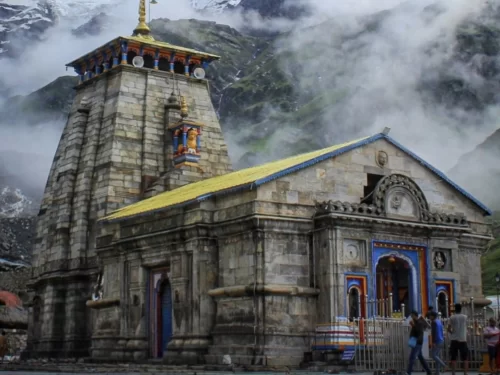
Kedarnath Temple at Kedarnath Uttarakhand during misty weather, featuring Himalayan mountains and golden spire, perfect spiritual experience Uttarakhand tour package. Temple

Shri Kedarnath Jyotirlinga Temple

Shri Kedarnath Jyotirlinga Temple is one of the twelve Jyotirlingas of Lord Shiva, perched in the Garhwal Himalayas and a major site on the Char Dham pilgrimage circuit.

Frequently Asked Questions About Shri Bhairavnath Mandir

Loved this place ? Let’s Plan Your Uttarakhand Trip

Get customized Uttarakhand tour planning designed around seasonal weather changes, hill road travel timing, pilgrimage flow, and comfort-based pacing. Whether you are visiting for spiritual journeys, Himalayan views, wildlife reserves, river valleys, or p

⚡ Quick Response | 💰 Free consultation | 🕒 24×7 expert support

×

Plan Your Trip