Shri Kedarnath Jyotirlinga Temple – Sacred Shiva Pilgrimage in Uttarakhand

Shri Kedarnath Jyotirlinga Temple , Kedarnath
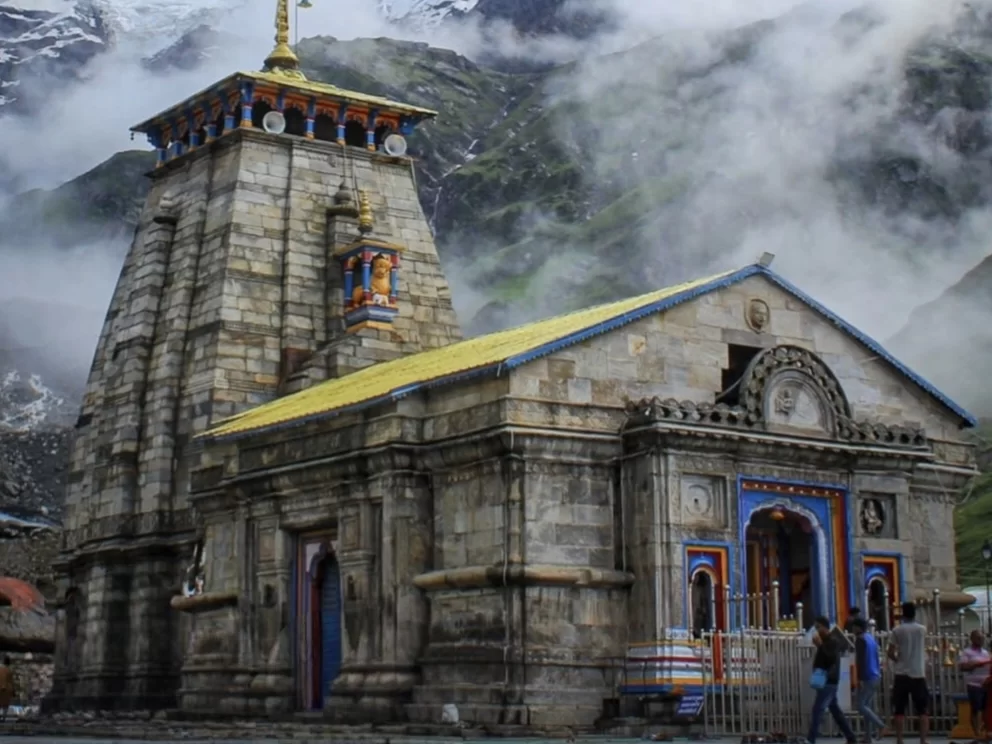
Located at an altitude of 3,583 meters in the Rudraprayag district of Uttarakhand, Shri Kedarnath Jyotirlinga Temple is one of India’s most revered Shiva shrines. Accessible via a 16 km trek from Gaurikund, the temple is surrounded by snow-capped peaks, glaciers, and the Mandakini river. Built in stone over centuries, it showcases Himalayan temple architecture and is an active center for religious rituals, especially during Char Dham and festivals like Maha Shivratri. Pilgrims and trekkers experience spiritual devotion alongside breathtaking mountain scenery. Facilities are basic near the temple, with more amenities in Gaurikund and nearby towns.

Quick Facts About Shri Kedarnath Jyotirlinga Temple

Entry Fee Free
Timings 05:00 - 21:00
Altitude (m) 3583
Ideal Visit Duration (hrs) 4
Best Time of Day Morning
Crowd Level High
Distance from Gaurikund (km) 16
Walking Difficulty Hard
Parking Available Yes
Last Mile Access Trek
Suitable for Kids No
Suitable for Seniors No
Wheelchair Friendly No

Why Visit Shri Kedarnath Jyotirlinga Temple

Shri Kedarnath Jyotirlinga Temple is one of the twelve sacred Jyotirlingas of Lord Shiva, making it a major spiritual destination for devotees across India and abroad. Visiting this temple is both a pilgrimage and a test of endurance, offering a unique blend of devotion and Himalayan adventure.

The atmosphere is intensely spiritual, amplified by the temple’s remote location amid snow-capped peaks, glaciers, and the Mandakini river. Pilgrims experience the sound of bells, chants, and temple rituals against the backdrop of pristine mountain landscapes, creating a meditative and awe-inspiring environment.

What makes Kedarnath special is its combination of religious significance and natural grandeur. The centuries-old stone temple stands resilient in extreme weather, reflecting ancient Himalayan architecture and faith. Completing the trek or arriving via helicopter allows visitors to connect deeply with the sacred energy of the place while enjoying some of the most breathtaking scenery in the Garhwal Himalayas.

Religious Significance of Shri Kedarnath Jyotirlinga Temple

Shri Kedarnath Jyotirlinga Temple is one of the twelve Jyotirlingas, considered the most sacred abodes of Lord Shiva. According to Hindu tradition, the temple was originally established by the Pandavas and later rebuilt by Adi Shankaracharya in stone, making it a site of enduring spiritual and historical importance.

The temple is a central part of the Char Dham pilgrimage circuit, attracting thousands of devotees during the summer months. Pilgrims perform daily rituals, aarti, and offerings to the Shiva Lingam, maintaining centuries-old traditions. Its remote Himalayan location and survival through harsh weather and natural disasters, including the 2013 floods, highlight both its cultural resilience and spiritual prominence.

Best Time to Visit Shri Kedarnath Jyotirlinga Temple

The best time to visit Kedarnath Temple is during the Char Dham pilgrimage season when weather conditions are favorable and trekking routes are accessible. Outside this period, the temple is closed due to heavy snow and extreme Himalayan conditions.
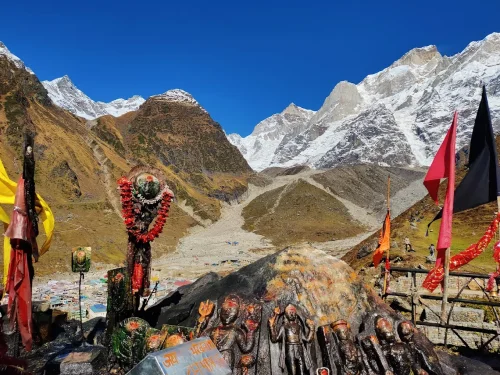
  • April to June: Spring to early summer offers stable weather, clear skies, and safer trekking conditions. Ideal for darshan, rituals, and scenic photography.
  • September to October: Post-monsoon months provide crisp air, clear mountain views, and fewer clouds, making it an excellent time for trekking and photography.
  • July to August: Monsoon season brings slippery trails, risk of landslides, and sudden rain, so visiting is not recommended unless fully prepared.
  • November to March: Winters are harsh, with heavy snow blocking access. The temple remains closed for darshan.
  • Best time of day: Early morning (5:00–7:00 AM) is quieter and ideal for spiritual reflection; late afternoon light offers excellent photography conditions.

How to Reach Shri Kedarnath Jyotirlinga Temple

  • By Road: The nearest motorable point is Gaurikund, about 16 km from Kedarnath Temple. Gaurikund is well-connected by road to Rishikesh (approx. 221 km) and Rudraprayag (approx. 85 km). Buses, taxis, and private vehicles can reach Gaurikund, but the temple itself requires trekking or helicopter access.
  • By Train: The nearest railway station is Rishikesh, around 221 km away. From there, taxis or buses can take you to Gaurikund for the trek to Kedarnath.
  • By Air: Jolly Grant Airport, Dehradun, is about 238 km from Gaurikund. Taxis or buses are available to reach Gaurikund. Helicopter services from Phata, Sitapur, or Guptkashi can directly drop visitors near the temple.
  • Last Mile Access: The final 16 km requires a trek through steep, rocky, and sometimes slippery Himalayan terrain. Ponies, palanquins, and helicopter services are available for those who cannot trek.
  • Tips: Start the trek early in the morning to avoid crowds, stay hydrated, and carry layered clothing due to sudden weather changes. Monsoon and winter visits are highly challenging and not recommended for first-time pilgrims.

What to Expect When You Visit Shri Kedarnath Jyotirlinga Temple

  • Spiritual Atmosphere: Kedarnath Temple offers a profoundly devotional environment, with daily aarti, chants, and rituals creating an intense spiritual experience for pilgrims.
  • High Altitude Trek: Visitors should expect a physically demanding 16 km trek from Gaurikund. The path is steep, rocky, and can be slippery in rain or snow. Ponies, palanquins, or helicopters are available for assistance.
  • Moderate to High Crowds: The temple sees heavy footfall during Char Dham season (May–October) and festivals like Maha Shivratri, while weekdays and early mornings are relatively quieter.
  • Stunning Himalayan Views: The temple is surrounded by snow-capped peaks, glaciers, and the Mandakini river, providing breathtaking scenery at every step of the trek.
  • Basic Facilities: Limited facilities are available near the temple, including small food stalls and drinking water. More amenities are in Gaurikund.
  • Weather Considerations: Temperatures can drop sharply, and weather can change rapidly. Layered clothing, trekking shoes, and rain protection are recommended.
  • Local Cultural Experience: Visitors witness traditional Garhwali rituals, stone temple architecture, and interaction with local guides and pilgrims, offering an authentic Himalayan pilgrimage experience.

Important Visitor Information

  • Crowd & Weather Notes: Kedarnath experiences high crowds during Char Dham season (May–October) and festivals like Maha Shivratri. Weather is unpredictable; mornings are cold, and rain or snow can make the trek slippery.
  • Peak / Quiet Hours: Early morning (5:00–7:00 AM) offers quieter darshan and trekking experience. Late afternoon is suitable for photography and enjoying Himalayan views with fewer pilgrims.
  • Dress Code: Modest clothing covering shoulders and knees is recommended. Layered clothing is essential due to high-altitude cold. Footwear must be removed before entering the temple sanctum.
  • Safety Notes: The trek is physically demanding and high-altitude, with potential for altitude sickness. Carry water, layered clothing, and trekking shoes. Avoid trekking in heavy rain or snow. Use ponies, palanquins, or helicopters if needed.

Photography and Viewpoint

  • Temple Architecture Photography: The stone-built Kedarnath Temple showcases classic Himalayan architecture with intricate carvings. Early morning light highlights the texture of the stone and the sanctum’s details.
  • Scenic Himalayan Views: Surrounded by snow-capped peaks, glaciers, and the Mandakini river valley, the temple offers panoramic vistas. Sunrise and late afternoon provide the best natural lighting for photography.
  • Ritual and Devotional Shots: Daily aarti and festivals like Maha Shivratri create opportunities to capture authentic religious practices. Respectful photography is essential inside the temple.
  • Trekking Path Views: The 16 km trek from Gaurikund passes through alpine meadows, rivers, and pine forests, providing multiple vantage points for landscape photography along the route.
  • Tips for Photographers: Avoid using flash in the sanctum. Carry a wide-angle lens for landscape shots and a telephoto lens for distant Himalayan peaks. Weather can change rapidly, so be prepared for diffused lighting conditions.
  • Drone Photography: Generally restricted due to security and temple regulations. Seek local permission if attempting aerial shots. Surrounding hills provide natural framing for scenic compositions if drones are allowed.

Near By Attraction

Frequently Asked Questions About Shri Kedarnath Jyotirlinga Temple

Shri Kedarnath Jyotirlinga Temple is located in Rudraprayag district of Uttarakhand at an altitude of over 3,500 meters in the Himalayas.
Shri Kedarnath Jyotirlinga Temple usually opens between late April and early May and closes around October or November depending on weather conditions in Uttarakhand.
Visitors can reach Shri Kedarnath Jyotirlinga Temple by road up to Gaurikund in Uttarakhand followed by a trekking route to the temple.
A trek of about 16 to 18 kilometers from Gaurikund is required to reach Shri Kedarnath Jyotirlinga Temple, with options for pony, palki, and helicopter services.
There is no mandatory entry fee for general darshan at Shri Kedarnath Jyotirlinga Temple, though Char Dham registration is required in Uttarakhand.
Shri Kedarnath Jyotirlinga Temple generally allows darshan from early morning around 4 am until evening around 9 pm with specific aarti timings.
The best time to visit Shri Kedarnath Jyotirlinga Temple is between May and June and September to October when weather conditions in Uttarakhand are relatively stable.
Most travelers spend one to two days visiting Shri Kedarnath Jyotirlinga Temple including trekking time and temple darshan.
Guesthouses, camps, and dharamshalas are available near Shri Kedarnath Jyotirlinga Temple during the pilgrimage season in Uttarakhand, though facilities are basic.
Shri Kedarnath Jyotirlinga Temple involves a high altitude trek, so senior citizens should consult a doctor and consider helicopter services if needed.

Loved this place ? Let’s Plan Your Uttarakhand Trip

Get customized Uttarakhand tour planning designed around seasonal weather changes, hill road travel timing, pilgrimage flow, and comfort-based pacing. Whether you are visiting for spiritual journeys, Himalayan views, wildlife reserves, river valleys, or p

⚡ Quick Response | 💰 Free consultation | 🕒 24×7 expert support

×

Plan Your Trip