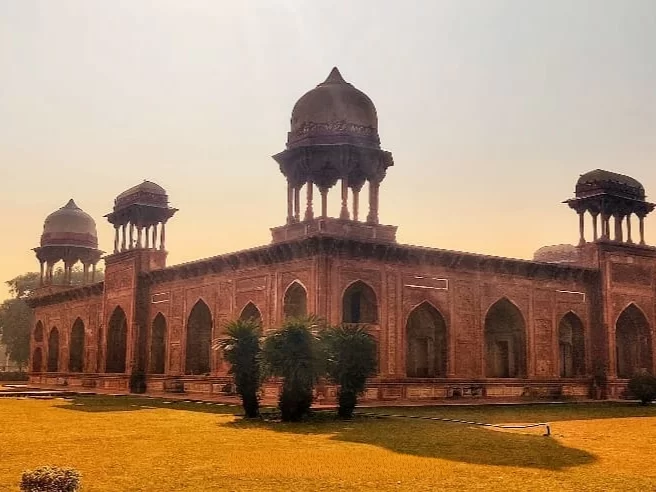
Tomb of Mariam-uz-Zamani Agra – Majestic Mughal Mausoleum

Tomb of Mariam-uz-Zamani , Agra
Located near Akbar’s Tomb in Sikandra, the Tomb of Mariam-uz-Zamani is a fine example of Mughal funerary architecture, combining red sandstone and white marble. Built in the early 17th century, the mausoleum honors Akbar’s chief consort and mother of Jahangir. The structure features symmetrical design, intricately carved jalis, and a serene garden setting that reflects Mughal aesthetics. Visitors are drawn to its historical importance, architectural beauty, and tranquil atmosphere, offering insight into Mughal imperial heritage and royal legacy.

Quick Facts About Tomb of Mariam-uz-Zamani

Entry Fee 30
Timings 06:00 - 18:00
Altitude (m) 170
Ideal Visit Duration (hrs) 1
Best Time of Day Morning
Crowd Level Moderate
Distance from City Centre (km) 8
Walking Difficulty Easy
Parking Available Yes
Last Mile Access Walk
Suitable for Kids Yes
Suitable for Seniors Yes
Wheelchair Friendly No

Why Visit

Why Visit: The Tomb of Mariam-uz-Zamani is a significant Mughal monument, offering insight into the life and legacy of Emperor Akbar’s chief consort.

Atmosphere: The site exudes tranquility and grace, with serene gardens and a peaceful environment ideal for reflection and historical exploration.

What Makes it Special: Its architectural elegance, symmetrical design, intricate jali work, and combination of red sandstone and white marble make it a remarkable example of Mughal funerary architecture, attracting history enthusiasts and photographers alike.

History

The Tomb of Mariam-uz-Zamani, also known as the mother of Emperor Jahangir, was built in the early 17th century near Akbar’s tomb in Sikandra, Agra. It commemorates her as a prominent figure of the Mughal court and a symbol of Akbar’s royal lineage.

The mausoleum showcases classic Mughal architectural features, including red sandstone construction, white marble accents, ornamental arches, and intricately carved jalis. Its symmetrical garden layout reflects the Mughal charbagh style, emphasizing harmony and aesthetic precision.

The site holds historical importance as it preserves the legacy of Mariam-uz-Zamani, highlighting her status in the Mughal dynasty and offering a glimpse into the grandeur and cultural refinement of Akbar’s era.

Best Time to Visit

The best time to visit the Tomb of Mariam-uz-Zamani is between October and March, when Agra experiences mild and pleasant weather. Summers are extremely hot, while monsoons can make outdoor exploration uncomfortable.

  • October to March: Ideal for comfortable sightseeing and photography
  • Early mornings: Quieter hours with soft natural light for capturing architectural details
  • Late afternoons: Cooler temperatures and golden-hour lighting enhance the red sandstone and marble contrasts
  • Weekdays: Less crowded compared to weekends and public holidays
  • During festivals: Cultural vibrancy can be observed, though visitor numbers may increase

How to Reach

  • By Air: The nearest airport is Agra Airport (~12 km); Delhi IGI Airport (~220 km) provides extensive domestic and international connectivity.
  • By Train: Agra Cantt Railway Station (~10 km) is well connected to major cities including Delhi, Jaipur, and Mumbai.
  • By Road: Sikandra is accessible via NH-44 from Agra city; taxis, buses, and private vehicles offer convenient access.
  • From Agra City: Auto-rickshaws and taxis can take visitors directly to the tomb entrance within the Sikandra complex.
  • Local Transport: Walking inside the tomb complex is required to explore the mausoleum and gardens; guided tours are also available.

What to Expect When You Visit

  • Peaceful mausoleum surrounded by well-maintained Mughal-style gardens
  • Intricately carved red sandstone and marble architecture with ornamental jali work
  • Moderate walking required to explore the tomb, garden pathways, and surrounding areas
  • Serene ambiance, ideal for photography, reflection, and historical appreciation
  • Opportunity to learn about Mariam-uz-Zamani’s role in Mughal history and Akbar’s lineage
  • Occasional local guides offering insight into Mughal architecture and historical context

Important Visitor Information

  • Crowd & Weather Notes: Moderate crowds; winter months are pleasant, summers are very hot, and monsoon season brings occasional rain.
  • Peak / Quiet Hours: Peak visiting hours are 10:00 AM – 2:00 PM; early mornings and late afternoons are quieter for a more relaxed experience.
  • Dress Code: Comfortable clothing and footwear recommended; modest attire suggested while exploring the mausoleum.
  • Safety Notes: Watch your step on stone floors and pathways, supervise children, and follow designated walking paths within the complex.

Photography and Viewpoint

  • Photography is allowed in the outer areas and gardens of the tomb; avoid restricted zones near the mausoleum interior.
  • Best viewpoints include the central courtyard, elevated garden terraces, and pathways leading to the main tomb structure for panoramic shots.
  • Early morning or late afternoon light enhances the red sandstone and marble detailing, ideal for architectural photography.
  • The serene garden surroundings provide excellent framing opportunities for landscape and heritage photography.
  • Respect privacy and security restrictions while taking photos, particularly near sensitive or sacred areas.

Near By Attraction

Classic Taj Mahal front view Agra Uttar Pradesh with reflecting pool, cypress trees, white marble mausoleum, four minarets, blue sky, perfect UNESCO heritage India tour package.  Historical Site

Taj Mahal

The Taj Mahal is a world-renowned white marble mausoleum in Agra, celebrated for its beauty, symmetry, and historical significance.
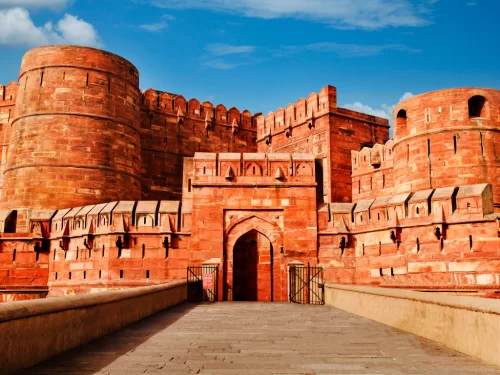
Agra Fort Uttar Pradesh red sandstone Amar Singh Gate towers blue sky UNESCO heritage Taj Mahal view, perfect Golden Triangle heritage package. Fort

Agra Fort

Agra Fort is a massive 16th-century Mughal fort in Agra, known for its stunning architecture, history, and UNESCO World Heritage status.
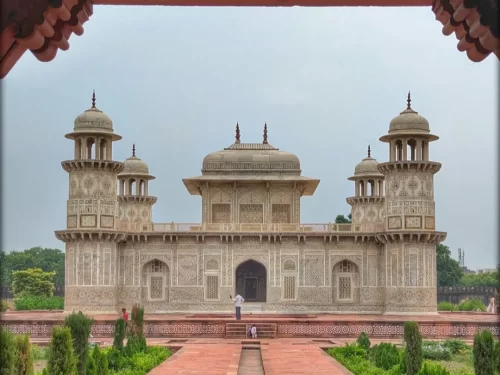
Itmad-ud-Daulah Tomb Agra Mughal marble mausoleum with intricate carvings, Baby Taj in Uttar Pradesh Monument

Itmad-ud-Daula

Itmad-ud-Daula, often called the “Baby Taj,” is a stunning Mughal mausoleum in Agra known for its intricate marble inlay work.

Frequently Asked Questions About Tomb of Mariam-uz-Zamani

Tomb of Mariam-uz-Zamani is located in Sikandra, Agra, Uttar Pradesh, near Akbar?s Tomb. It is easily accessible from central Agra by road.
Tomb of Mariam-uz-Zamani is generally open from 6:00 AM to 6:00 PM daily. Visitors should confirm seasonal timings locally before planning their visit.
There is no separate entry fee to visit Tomb of Mariam-uz-Zamani in most cases, as it is maintained as a protected monument. Visitors should check current regulations at the site.
Visitors can reach Tomb of Mariam-uz-Zamani by taxi, auto rickshaw, or private vehicle from Agra city in Uttar Pradesh. It is about 10 kilometers from the Taj Mahal.
Limited parking is available near Tomb of Mariam-uz-Zamani along surrounding roads. Availability may be restricted during peak tourist seasons in Agra.
The best time to visit Tomb of Mariam-uz-Zamani is between October and March when the weather in Uttar Pradesh is cooler and comfortable for outdoor exploration.
Most travelers spend about 30 to 45 minutes at Tomb of Mariam-uz-Zamani. This allows enough time to explore the structure and surrounding garden area.
Photography is generally allowed at Tomb of Mariam-uz-Zamani for personal use. Visitors should follow posted guidelines and avoid restricted sections if indicated.
Tomb of Mariam-uz-Zamani is suitable for family visits due to its open grounds and relatively quiet environment. Families visiting Agra, Uttar Pradesh often include it along with nearby Mughal monuments.
There are limited facilities directly at Tomb of Mariam-uz-Zamani. Visitors can find restrooms and food options at nearby attractions in Agra.

Loved this place ? Let’s Plan Your Uttar Pradesh Trip

Get customized Uttar Pradesh tour planning designed around seasonal weather, travel distances between heritage regions, spiritual travel flow, and comfortable pacing. Whether you are visiting for historic monuments, temple circuits, river experiences, cul

⚡ Quick Response | 💰 Free consultation | 🕒 24×7 expert support

×

Plan Your Trip