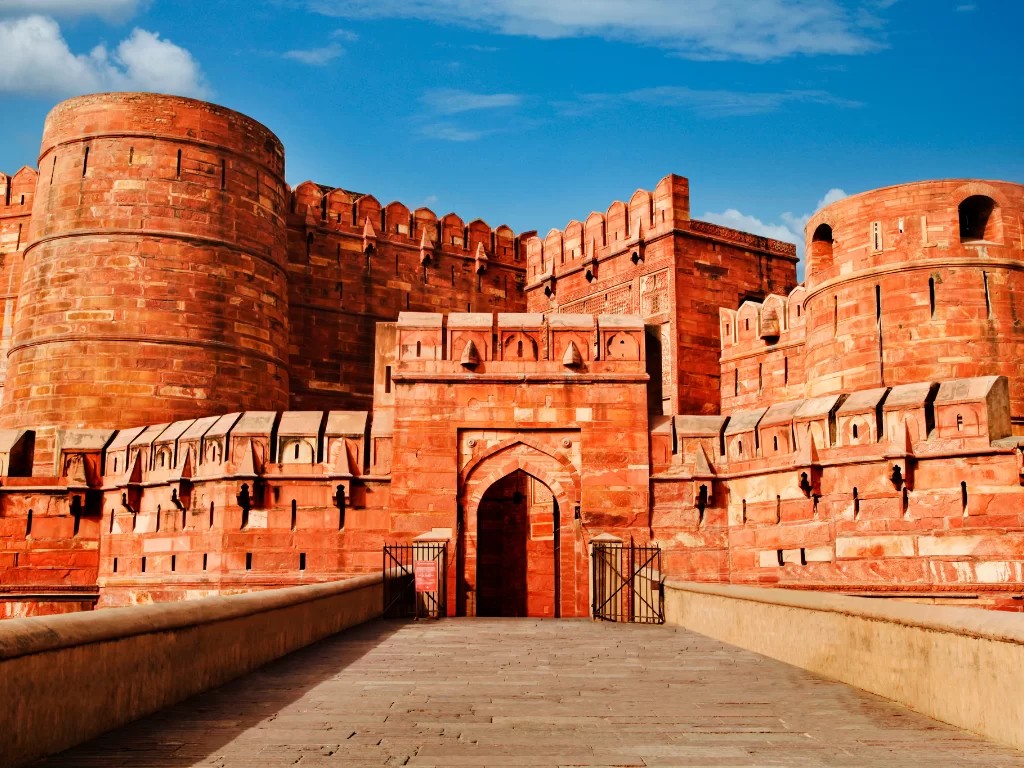
Agra Fort – Iconic Mughal Fortress of Agra

Agra Fort , Agra
Agra Fort, a UNESCO World Heritage site, is a historic fortification in the city of Agra, built primarily by Emperor Akbar in the late 16th century. The fort spans over 94 acres and showcases a blend of red sandstone and marble architecture, including impressive palaces, mosques, gates, and gardens. It served as the main residence of Mughal emperors before the construction of the Taj Mahal and played a crucial role in the empire’s political and military history. Today, visitors can explore its vast courtyards, intricately carved buildings, and learn about the Mughal era’s grandeur and influence.

Quick Facts About Agra Fort

Entry Fee 50
Timings 06:00 - 18:00
Altitude (m) 170
Ideal Visit Duration (hrs) 3
Best Time of Day Morning
Crowd Level High
Distance from City Centre (km) 3
Walking Difficulty Moderate
Parking Available Yes
Last Mile Access Road
Suitable for Kids Yes
Suitable for Seniors Yes
Wheelchair Friendly No

Why Visit Agra Fort

Why Visit: Agra Fort is one of India’s most iconic Mughal monuments, offering a deep dive into the grandeur, history, and architecture of the Mughal Empire. Visitors explore its vast courtyards, palaces, mosques, and defensive structures that showcase centuries-old craftsmanship and strategic design.

Atmosphere: The fort exudes a majestic yet serene vibe, with wide open courtyards, towering red sandstone walls, and intricately decorated interiors. Walking through its halls and gardens evokes the grandeur of Mughal royalty while providing a glimpse into historical life at the fort.

What Makes it Special: Agra Fort stands out for its combination of military strength and aesthetic elegance. Highlights include the Jahangir Mahal, Khas Mahal, Diwan-i-Am, Diwan-i-Khas, and the Musamman Burj. Its UNESCO World Heritage status, architectural innovation, and proximity to the Taj Mahal make it a must-visit destination for history enthusiasts, photographers, and cultural travelers.

History of Agra Fort

Agra Fort, originally built in the 16th century by Emperor Akbar, served as the main residence of the Mughal emperors until the construction of the Taj Mahal. This massive red sandstone fortress spans over 94 acres and was a key military and administrative center of the Mughal Empire.

The fort houses numerous palaces, audience halls, mosques, and gardens, reflecting a harmonious blend of Islamic, Persian, and Hindu architectural styles. Notable structures include the Jahangir Mahal, Diwan-i-Am, Diwan-i-Khas, Khas Mahal, and Musamman Burj. Over the centuries, it witnessed significant events, including the imprisonment of Emperor Shah Jahan before his death, making it an important historical and cultural landmark in India.

Best Time to Visit Agra Fort

The ideal time to visit Agra Fort is during the cooler months when the weather is comfortable for exploring the large fort complex. Early mornings and late afternoons are perfect to avoid crowds and capture the fort in soft, natural lighting.
  • Winter (October–March): Pleasant temperatures make it the best season for sightseeing and photography.
  • Early Morning: Offers a serene experience with fewer tourists and soft morning light for photography.
  • Late Afternoon: Golden-hour light highlights the red sandstone walls and enhances garden reflections.
  • Summer (April–June): Hot weather; early morning or late afternoon visits recommended to avoid the heat.
  • Monsoon (July–September): Occasional rains refresh gardens and surroundings; avoid heavy rainfall as pathways may become slippery.
  • Festivals & Public Holidays: Can attract more visitors; plan visits on weekdays for a quieter experience.

How to Reach Agra Fort

  • By Air: The nearest airport is Agra Airport (Kheria Airport), about 12?km from the fort. Visitors can hire taxis or app-based cabs to reach the site in 25–30 minutes.
  • By Train: Agra Cantt Railway Station is approximately 2–3?km away. Auto-rickshaws, taxis, and cycle rickshaws provide convenient last-mile access.
  • By Road: Agra Fort is well-connected via National Highways from Delhi, Jaipur, and nearby cities. Private cars, taxis, and state-run buses can reach central Agra and onward to the fort.
  • Public Transport: Auto-rickshaws, cycle rickshaws, and e-rickshaws are available from central Agra landmarks to the fort entrance.
  • Walking Access: Visitors staying near central Agra can reach Agra Fort by a short walk along city streets and the fort complex pathways.

What to Expect When You Visit Agra Fort

  • Vast Fort Complex: Explore sprawling courtyards, defensive walls, gates, and lush gardens covering over 94 acres.
  • Architectural Marvels: Admire Mughal-era palaces, audience halls, mosques, and the Musamman Burj with intricate carvings and red sandstone structures.
  • Historical Significance: Learn about the Mughal emperors, their court life, and key events such as Shah Jahan’s imprisonment.
  • Photography Opportunities: Capture majestic red sandstone walls, detailed carvings, and the interplay of light and shadow in open courtyards.
  • Family-Friendly Visit: Open spaces, gardens, and shaded areas make it suitable for children and elderly visitors.
  • Guided Tours: Local guides provide insights into the history, architecture, and cultural significance of each section of the fort.
  • Walking Experience: Moderate walking is required, with some uneven surfaces and steps in certain sections of the fort.

Important Visitor Information for Agra Fort

  • Crowd & Weather Notes: Agra Fort experiences moderate to high crowds, especially on weekends and public holidays. Winters (October–March) are the most comfortable for visiting, while summers (April–June) can be hot. Monsoon season (July–September) brings occasional rain, making some pathways slippery.
  • Peak / Quiet Hours: Early mornings and late afternoons offer a quieter experience with better lighting for photography. Midday visits may coincide with tour groups and higher footfall.
  • Dress Code: No strict dress code, but modest clothing is recommended while exploring the fort, palaces, and mosques.
  • Safety Notes: Most pathways are safe and flat, but some areas have steps and uneven surfaces. Supervise children near water channels or elevated areas, and carry water during hot days.

Photography and Viewpoint at Agra Fort

  • Grand Red Sandstone Walls: Capture the massive fort walls, gates, and ramparts, showcasing Mughal military architecture.
  • Palaces and Halls: Photograph intricately carved palaces like Jahangir Mahal, Khas Mahal, Diwan-i-Am, and Diwan-i-Khas, highlighting Mughal craftsmanship.
  • Musamman Burj: Excellent viewpoint for photos of the Yamuna River and a glimpse of the Taj Mahal in the distance.
  • Golden Hour Shots: Early morning or late afternoon light enhances the red sandstone and shadows, perfect for dramatic photography.
  • Garden and Courtyard Symmetry: Wide-angle shots of open courtyards, gardens, and water channels emphasize Mughal symmetry and landscaping.
  • Gateway Perspectives: Capture the impressive entry gates like Amar Singh Gate and Delhi Gate for framed architectural photography.
  • Photography Tips: Tripods are useful for low-light shots, while smartphones work well in daylight. Avoid using flash indoors to protect historical carvings.

Near By Attraction

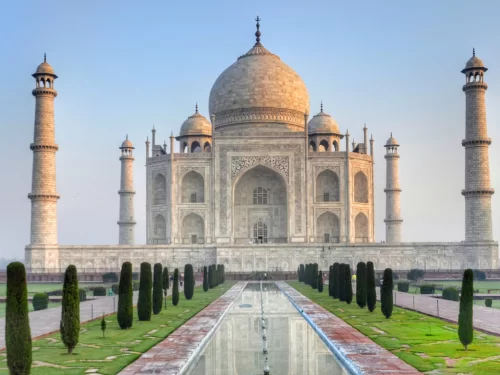
Classic Taj Mahal front view Agra Uttar Pradesh with reflecting pool, cypress trees, white marble mausoleum, four minarets, blue sky, perfect UNESCO heritage India tour package.  Historical Site

Taj Mahal

The Taj Mahal is a world-renowned white marble mausoleum in Agra, celebrated for its beauty, symmetry, and historical significance.
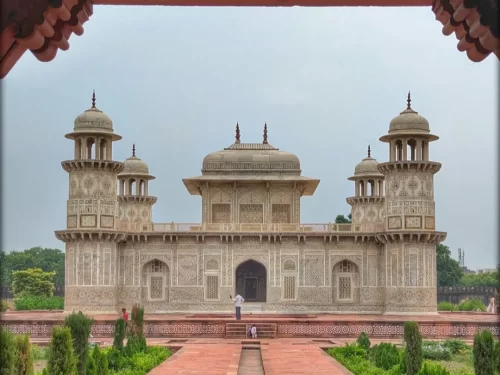
Itmad-ud-Daulah Tomb Agra Mughal marble mausoleum with intricate carvings, Baby Taj in Uttar Pradesh Monument

Itmad-ud-Daula

Itmad-ud-Daula, often called the “Baby Taj,” is a stunning Mughal mausoleum in Agra known for its intricate marble inlay work.
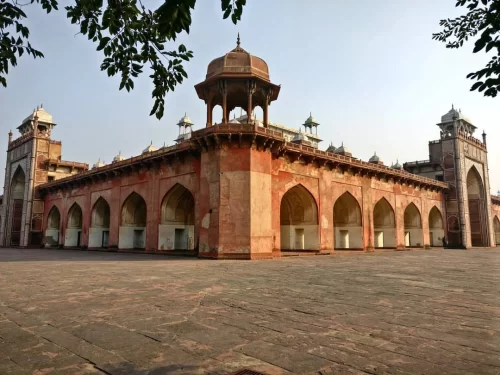
Akbar's Tomb Agra Uttar Pradesh red sandstone arches minarets domes palm trees courtyard blue sky Mughal architecture UNESCO heritage site, perfect Golden Triangle heritage tour package. Monument

Akbar’s Tomb

Akbar’s Tomb in Sikandra, Agra, is the grand resting place of Emperor Akbar, showcasing Mughal architecture and historical significance.

Frequently Asked Questions About Agra Fort

Agra Fort is located in Agra, Uttar Pradesh, about 2.5 kilometers from the Taj Mahal. It is a major historical monument situated along the Yamuna River.
Agra Fort is generally open from 6:00 AM to 6:00 PM daily. Visitors should confirm seasonal timings locally before planning their visit.
An entry fee is charged per person to visit Agra Fort. Ticket prices vary for Indian and international visitors as per Archaeological Survey of India rules.
Visitors can reach Agra Fort by taxi, auto rickshaw, or battery-operated vehicles from different parts of Agra, Uttar Pradesh. Agra Fort Railway Station is located nearby.
Parking is available near Agra Fort in designated areas. Spaces may become limited during weekends and peak tourist seasons in Agra.
The best time to visit Agra Fort is between October and March when the weather in Uttar Pradesh is cooler and comfortable for sightseeing.
Most travelers spend about one to two hours at Agra Fort. This allows enough time to explore the main courtyards, palaces, and viewpoints.
Photography is generally allowed at Agra Fort for personal use. Tripods and professional equipment may require special permission.
Agra Fort is suitable for family visits due to its open spaces and structured walking paths. Families visiting Agra, Uttar Pradesh often include it along with the Taj Mahal.
Basic restroom facilities and drinking water points are available inside Agra Fort. Food is not allowed inside, but restaurants and cafes are located nearby in Agra.

Loved this place ? Let’s Plan Your Uttar Pradesh Trip

Get customized Uttar Pradesh tour planning designed around seasonal weather, travel distances between heritage regions, spiritual travel flow, and comfortable pacing. Whether you are visiting for historic monuments, temple circuits, river experiences, cul

⚡ Quick Response | 💰 Free consultation | 🕒 24×7 expert support

×

Plan Your Trip