Shri Ram Janmabhoomi Temple Ayodhya – The Sacred Birthplace Shrine of Lord Ram

Shri Ram Janmabhoomi Temple , Ayodhya
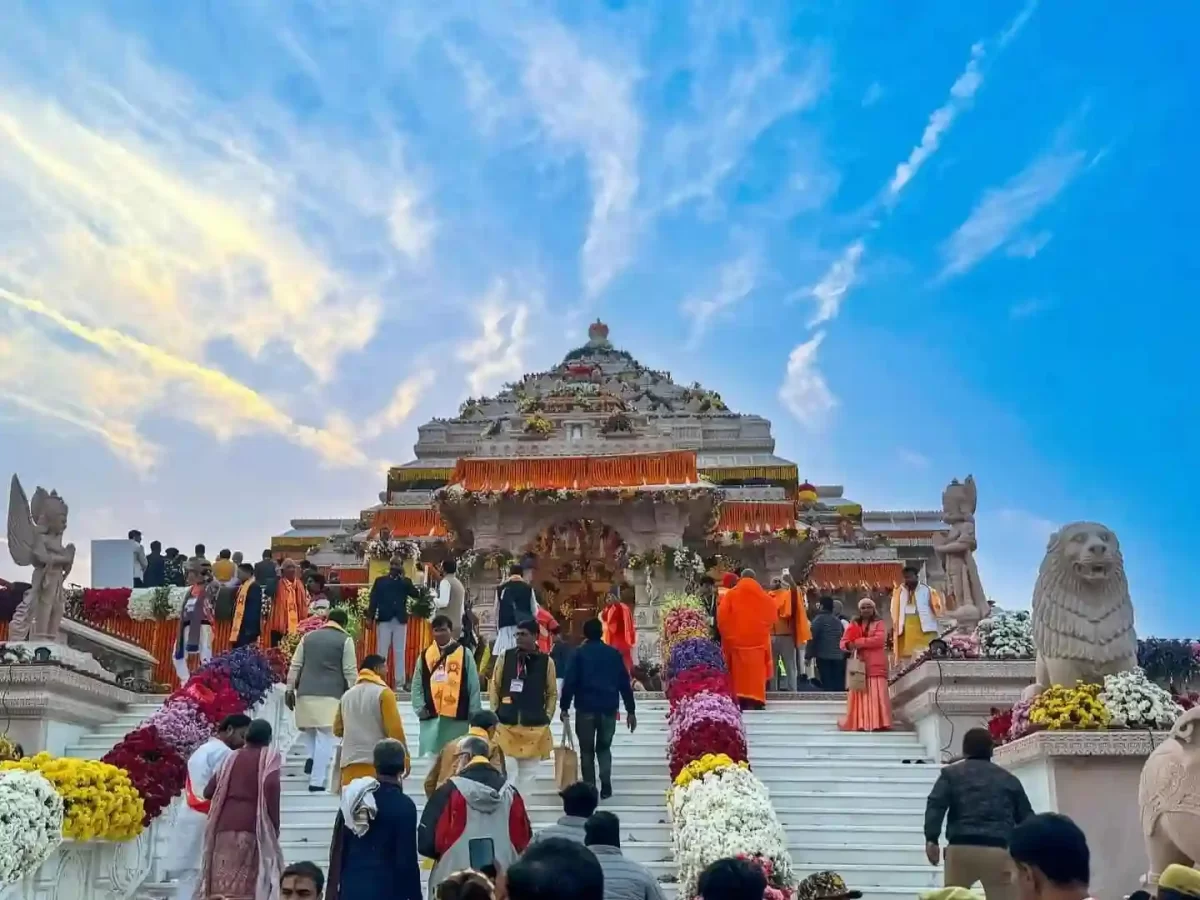
Shri Ram Janmabhoomi Temple, located in Ayodhya (Uttar Pradesh), is one of the most important religious and spiritual destinations in India. This sacred temple is built at the revered site believed to be the birthplace of Lord Ram, making it a major pilgrimage centre for devotees from across the country and the world. The temple is known for its grand architecture, spiritual atmosphere, and deep cultural significance in Hindu tradition. Visitors experience divine peace, devotion, and a strong connection to Indian mythology and history. The temple complex is beautifully designed with detailed carvings and traditional temple structure, attracting not only pilgrims but also tourists interested in heritage and religious tourism. Shri Ram Janmabhoomi Temple is especially crowded during festivals like Ram Navami and Diwali, when Ayodhya becomes a vibrant spiritual hub.

Quick Facts About Shri Ram Janmabhoomi Temple

Entry Fee Free
Timings 06:30 - 21:30
Altitude (m) 93
Ideal Visit Duration (hrs) 3
Best Time of Day Morning
Crowd Level High
Distance from City Centre (km) 2
Walking Difficulty Moderate
Parking Available Yes
Last Mile Access Road
Suitable for Kids Yes
Suitable for Seniors Yes
Wheelchair Friendly No

Why Visit Shri Ram Janmabhoomi Temple

Shri Ram Janmabhoomi Temple is one of the most sacred and spiritually powerful pilgrimage destinations in India. It is believed to be the birthplace of Lord Shri Ram, making it a deeply revered site for millions of devotees. Visiting this temple is not only a religious experience but also a journey into the heart of Indian faith, devotion, and cultural heritage. The temple stands as a symbol of spiritual pride and attracts pilgrims from all parts of the country as well as international visitors.

The atmosphere of the temple complex is highly divine, peaceful, and filled with devotion. From the moment visitors enter, they can feel the spiritual energy through the chanting of “Jai Shri Ram,” the sound of temple bells, and the calm yet powerful ambiance of worship. The surroundings are well-managed with organized darshan arrangements, and the environment reflects purity and discipline. Early mornings offer a serene experience, while evenings bring a grand spiritual charm with lights and devotional activities.

What makes Shri Ram Janmabhoomi Temple truly special is its unmatched religious significance and its grand architectural beauty inspired by traditional Indian temple design. The detailed carvings, massive structure, and sacred sanctum create an unforgettable experience for both pilgrims and tourists. It is a place where spirituality, history, and faith come together, making it a must-visit attraction in Ayodhya for anyone seeking blessings, peace, and a deeper connection with India’s ancient spiritual traditions.

History and Religious Significance of Shri Ram Janmabhoomi Temple

Shri Ram Janmabhoomi Temple is built at the sacred site in Ayodhya that is traditionally believed to be the birthplace of Lord Shri Ram, one of the most respected deities in Hinduism and the central figure of the Ramayana. Ayodhya has been mentioned in ancient Hindu scriptures as the capital of the Ikshvaku dynasty and is considered one of the seven most holy cities (Sapta Puri) in India. For centuries, devotees have regarded this land as spiritually powerful and have visited Ayodhya to offer prayers and seek blessings.

The Ram Janmabhoomi site holds immense religious and cultural importance, representing devotion, faith, and the deep spiritual connection of millions of Hindus to Lord Ram. The temple has become a symbol of belief and reverence, attracting pilgrims from across India and around the world. The construction of the grand Shri Ram Janmabhoomi Temple reflects the continuation of ancient traditions and the strong spiritual identity of Ayodhya as a major pilgrimage destination.

Today, Shri Ram Janmabhoomi Temple stands as a spiritual landmark of national importance, representing the values of dharma, devotion, and cultural heritage. The temple is not only a place of worship but also a significant symbol of India’s religious history and the timeless legacy of Lord Shri Ram.

Best Time to Visit Shri Ram Janmabhoomi Temple

The best time to visit Shri Ram Janmabhoomi Temple is from October to March, when Ayodhya experiences pleasant winter weather, making it comfortable for long darshan queues and temple exploration. During this season, the atmosphere remains peaceful, and pilgrims can enjoy a smooth spiritual experience without extreme heat. Summers in Ayodhya can be very hot, so visiting during early morning hours is highly recommended. The temple becomes extremely crowded during major Hindu festivals, especially Ram Navami and Diwali, when Ayodhya turns into a grand spiritual celebration. If you want a calm and less crowded visit, weekdays and non-festival periods are the best choice.
  • October to March: Best season for pleasant weather and comfortable darshan experience
  • April to June: Summers are hot, so visit early morning to avoid heat and long waiting time
  • July to September: Monsoon season brings humidity, but the city feels fresh and spiritually vibrant
  • Best Time of Day: Early morning for peaceful darshan; evening for spiritual ambiance and temple lighting
  • Festival Season: Ram Navami and Diwali are the most crowded but offer a grand devotional atmosphere
  • Best Days to Visit: Weekdays are less crowded compared to weekends and holidays

How to Reach Shri Ram Janmabhoomi Temple

  • By Air: The nearest airport is Maharishi Valmiki International Airport, Ayodhya (Ayodhya Airport), located around 10–15 km from the temple area. Another major option is Chaudhary Charan Singh International Airport, Lucknow, about 130–140 km away. From the airport, taxis and cabs are easily available to reach the temple.
  • By Train: Ayodhya is well-connected by rail. The nearest major railway station is Ayodhya Junction, located around 2–4 km from Shri Ram Janmabhoomi Temple. You can easily reach the temple from the station by auto-rickshaw, e-rickshaw, or taxi.
  • By Road: Ayodhya has good road connectivity with major cities like Lucknow, Prayagraj, Varanasi, and Gorakhpur. Regular buses and private taxis are available. Travelers coming by car can reach the temple through well-maintained highways.
  • By Local Transport: Auto-rickshaws, e-rickshaws, cycle rickshaws, and local taxis are widely available in Ayodhya. The temple is a famous landmark, so local drivers can guide easily.
  • Last Mile Access: Due to security arrangements and crowd management, visitors may have to walk some distance from parking or drop-off points. Shuttle services may also be available during peak days.
  • Parking Information: Designated parking areas are available outside the main temple zone. During festivals and weekends, parking may be farther away, so early arrival is recommended.

What to Expect When You Visit Shri Ram Janmabhoomi Temple

  • Powerful Spiritual Experience: Visitors can expect a deeply devotional and peaceful atmosphere filled with chants of “Jai Shri Ram,” temple bells, and a strong spiritual energy throughout the complex.
  • Grand Temple Architecture: The temple showcases beautiful traditional Indian architecture with detailed carvings, massive pillars, and a majestic design that makes the visit visually and spiritually memorable.
  • Organized Darshan System: The temple has a well-managed queue system with security checks. Visitors may need to wait depending on the crowd, especially on weekends and festivals.
  • High Crowd and Security Checks: Expect tight security arrangements with checking points. Carry minimal belongings and follow the rules for smooth entry.
  • Peaceful Early Morning Darshan: Morning visits are generally more peaceful and allow devotees to experience calm surroundings with less crowd compared to evening peak hours.
  • Evening Spiritual Ambience: In the evening, the temple area feels more vibrant with lights, devotional activities, and a festive atmosphere, especially during special occasions.
  • Walking Required Inside the Complex: Visitors should be prepared for walking inside the temple premises and surrounding areas due to the size of the complex and crowd management routes.
  • Family-Friendly Environment: The temple is suitable for families, seniors, and children, but parents should keep kids close due to heavy crowds.
  • Devotional Shopping Nearby: Outside the temple area, visitors can find shops selling prasad, religious souvenirs, idols, and local devotional items.

Important Visitor Information for Shri Ram Janmabhoomi Temple

  • Crowd & Weather Notes: Shri Ram Janmabhoomi Temple remains crowded throughout the year due to its high religious importance. Winters are the most comfortable season for visiting. Summers can be very hot, and long queues may feel tiring, so early morning visits are recommended. During monsoon, humidity increases, but the spiritual atmosphere of Ayodhya remains lively.
  • Peak Hours: The busiest time is usually from 9:00 AM to 1:00 PM and evening from 5:00 PM to 8:30 PM. Weekends, public holidays, and festival days experience extremely heavy crowds.
  • Quiet Hours: Early morning (6:30 AM – 8:00 AM) is the best time for peaceful darshan with shorter queues and a calm devotional environment.
  • Dress Code: Visitors should wear decent and traditional clothing as it is a sacred religious site. Avoid shorts, sleeveless tops, and revealing outfits. Comfortable footwear is suggested, but shoes may need to be removed in certain areas.
  • Safety Notes: Security is strict, and visitors should carry minimal belongings. Keep your valuables safe and avoid carrying prohibited items. Follow all instructions given by temple staff and security personnel.
  • Senior Citizens Guidance: Seniors should visit early morning to avoid long waiting hours. Carry water and necessary medicines, especially during summer.
  • Kids & Family Guidance: Children should be closely supervised in crowded areas. It is recommended to keep kids near parents at all times.
  • Weather Tip: Carry water bottles during summer, light woolens in winter mornings, and an umbrella during monsoon season.
  • Cleanliness & Discipline: Maintain cleanliness inside and outside the temple premises. Avoid littering and respect the religious environment.

Photography and Viewpoint at Shri Ram Janmabhoomi Temple

  • Temple Architecture Photography: Shri Ram Janmabhoomi Temple is a visually grand structure with detailed carvings and traditional Indian design. Visitors can expect beautiful architectural photography opportunities, especially from permitted areas around the temple complex.
  • Best Time for Photography: Morning hours offer soft natural light and a peaceful atmosphere, making it ideal for capturing the temple surroundings. Evening visits provide a magical view when the temple is beautifully illuminated.
  • Spiritual and Devotional Moments: The temple environment is filled with devotion, and visitors can capture the spiritual vibe through crowd movement, prayer moments, and the cultural energy of Ayodhya (where permitted).
  • Night Lighting Views: One of the best experiences is seeing the temple glowing under evening lights. This creates an excellent background for scenic photography and travel reels.
  • Viewpoint Experience: The temple is not located on a hill viewpoint, but it offers a grand panoramic view of the temple complex and surrounding sacred area, making it a strong visual attraction.
  • Photography Restrictions: Due to security reasons, photography may be restricted inside the main sanctum and certain sensitive zones. Visitors should follow all rules and signboards strictly.
  • Best Spots for Photos: The outer courtyard, entry pathways, and temple surroundings provide the best frames for wide-angle shots and architectural images.
  • Photography Tips: Visit during weekdays for less crowd and better photo angles. Carry minimal gadgets and avoid drones or professional equipment unless officially permitted.

Near By Attraction

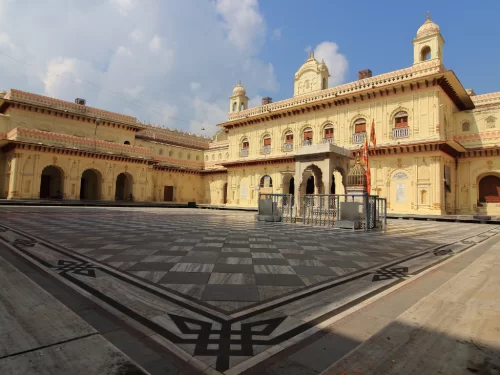
Kanak Bhawan courtyard at Ayodhya during sunny day, featuring ornate arches and flags, perfect cultural experience Uttar Pradesh Tour Packages. Temple

Kanak Bhawan

Kanak Bhawan is one of the most famous temples in Ayodhya, known for its grand architecture and devotion to Lord Ram and Mata Sita.

Saryu Ghat Ayodhya, serene riverfront steps along the sacred Saryu River with historic temples and vibrant sunset views in Uttar Pradesh. River Ghat

Saryu Ghat

Saryu Ghat in Ayodhya is a famous holy riverbank where devotees gather for rituals, evening aarti, and peaceful spiritual walks along the sacred Saryu River.

Tulsi Udyan Ayodhya serene garden dedicated to Goswami Tulsidas, featuring landscaped lawns, temple pavilion, and peaceful cultural ambiance in Uttar Pradesh. Garden

Tulsi Udyan

Tulsi Udyan is a calm and well-maintained public garden known for its greenery, walking space, and relaxing atmosphere.

Frequently Asked Questions About Shri Ram Janmabhoomi Temple

Shri Ram Janmabhoomi Temple is located in Ayodhya, Uttar Pradesh, in the central pilgrimage area of the city. It is easily accessible from major roads and railway stations in Ayodhya.
Shri Ram Janmabhoomi Temple is generally open from early morning until evening, with darshan conducted in multiple time slots. Visitors should check official updates for exact daily timings.
There is no entry fee to visit Shri Ram Janmabhoomi Temple. Visitors can enter freely, though online registration or time-slot booking may be required during peak periods.
Visitors can reach Shri Ram Janmabhoomi Temple by taxi, auto rickshaw, or private vehicle within Ayodhya, Uttar Pradesh. Ayodhya Dham Railway Station is located nearby.
Designated parking areas are available near Shri Ram Janmabhoomi Temple, but vehicles are not allowed directly at the main entrance. Shuttle services and walking routes are provided.
The best time to visit Shri Ram Janmabhoomi Temple is between October and March when the weather in Uttar Pradesh is cooler and comfortable for standing in queues.
Most visitors spend about one to two hours at Shri Ram Janmabhoomi Temple, depending on crowd levels and security procedures.
Security checks are mandatory at Shri Ram Janmabhoomi Temple, and visitors must pass through screening before entering. Certain items such as mobile phones and bags may be restricted.
Shri Ram Janmabhoomi Temple is suitable for family visits, though visitors should be prepared for security checks and possible waiting time. Families visiting Ayodhya, Uttar Pradesh often plan their visit during non-peak hours.
Basic restroom facilities and drinking water points are available near Shri Ram Janmabhoomi Temple. Food is not allowed inside, but eateries are located nearby in Ayodhya.

Loved this place ? Let’s Plan Your Uttar Pradesh Trip

Get customized Uttar Pradesh tour planning designed around seasonal weather, travel distances between heritage regions, spiritual travel flow, and comfortable pacing. Whether you are visiting for historic monuments, temple circuits, river experiences, cul

⚡ Quick Response | 💰 Free consultation | 🕒 24×7 expert support

×

Plan Your Trip