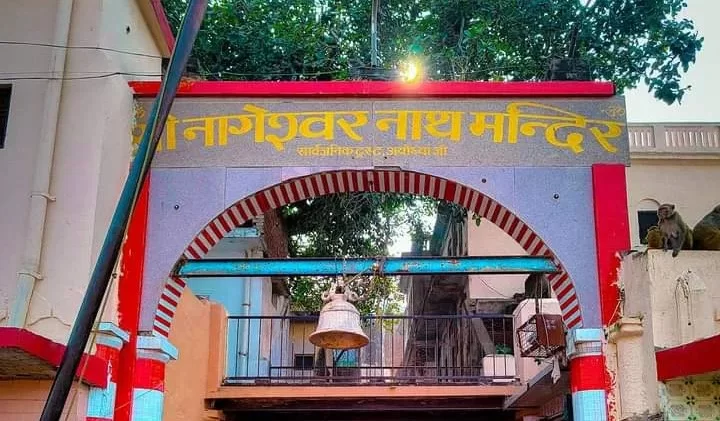
Shri Nageshwar Nath Mandir, Ayodhya, Uttar Pradesh, India

Shri Nageshwar Nath Mandir Ayodhya , Ayodhya
Visitors come to the temple for Shiva worship and to visit one of the older religious sites in Ayodhya. It is commonly included in local pilgrimage routes and is associated with traditional legends linked to the city’s religious history.

Quick Facts About Shri Nageshwar Nath Mandir Ayodhya

Shri Nageshwar Nath Mandir, Ayodhya, Uttar Pradesh Quick Facts

Entry Fee No entry fee
Timings Generally open daily from early morning to evening; timings may vary during festivals and special rituals
Altitude (m) Approximately 97 m above sea level
Ideal Visit Duration 30 minutes to 1 hour
Best Time of Day Morning or evening aarti time
Crowd Level High during festivals like Shivratri, Ram Navami, and major pilgrimage seasons; moderate on regular days
Distance from City Centre (km) Approximately 2–3 km from Ayodhya city centre and Ram Janmabhoomi area
Walking Difficulty Easy; includes short walking stretches near ghats and temple approach roads
Parking Available Limited parking available nearby; public parking zones used during peak pilgrimage periods
Last Mile Access Accessible by road followed by a short walk through local lanes or ghat pathways
Suitable for Kids Yes
Suitable for Seniors Yes
Wheelchair Friendly Partially accessible; uneven pathways and steps may limit full wheelchair access

Why Visit Shri Nageshwar Nath Mandir, Ayodhya, Uttar Pradesh

Visitors come to Shri Nageshwar Nath Mandir in Ayodhya to offer prayers to Lord Shiva at a temple located near the Saryu riverfront. It is often included in Ayodhya’s temple circuit, especially for devotees combining Ramayana-linked sites with Shiva worship.

The on-ground atmosphere is devotional and steady, with regular aarti, chanting, and pilgrims visiting throughout the day. The temple sees consistent local participation, and the riverside proximity adds a calm flow of movement before and after darshan.

What makes Shri Nageshwar Nath Mandir distinct is its location within Ayodhya’s active pilgrimage landscape while remaining focused on Shiva worship. Its accessibility from the river ghats and its role as a frequently visited local shrine make it a meaningful stop for travelers exploring the city’s sacred geography.

History of Shri Nageshwar Nath Mandir, Ayodhya, Uttar Pradesh

Shri Nageshwar Nath Mandir is an ancient Shiva temple located in Ayodhya, on the banks of the Saryu River. It is traditionally associated with Kush, the son of Lord Rama, who is believed to have established the temple in honour of Lord Shiva.

The temple holds religious significance within Ayodhya’s sacred landscape, representing the coexistence of Shaiva worship alongside the city’s broader Ramayana-based heritage. It is regarded as one of the older surviving temples in the region.

Today, Shri Nageshwar Nath Mandir remains an active place of worship and a key spiritual site for devotees visiting Ayodhya, especially during major Hindu festivals and religious occasions.

Best Time to Visit Shri Nageshwar Nath Mandir, Ayodhya, Uttar Pradesh

Shri Nageshwar Nath Mandir in Ayodhya is best visited during the cooler months when temple darshan, riverside visits, and exploration of nearby Ram Ghat and old city temples can be done comfortably with minimal weather-related disruption.
  • Ideal Months: October to March is the most suitable period for visiting, especially for uninterrupted darshan and exploring Ayodhya’s temple circuit.
  • Weather Conditions: These months generally offer mild to pleasant daytime temperatures, making walking between ghats and temples more comfortable, with clearer conditions around the Sarayu riverfront.
  • Periods to Avoid: April to June should be avoided due to intense heat in the region, while major festival days such as Ram Navami and Kartik Purnima can bring very heavy crowds and longer waiting times at the temple.

How to Reach Shri Nageshwar Nath Mandir, Ayodhya, Uttar Pradesh

  • By Air: The nearest airport is Maharishi Valmiki International Airport, Ayodhya (about 12–15 km). Another major option is Chaudhary Charan Singh International Airport, Lucknow, located approximately 135–150 km away, offering wider domestic and international connectivity. Taxis and app-based cabs are available from both airports to Ayodhya city.
  • By Train: Ayodhya Dham Junction is the nearest railway station, situated around 2–3 km from Shri Nageshwar Nath Mandir. It is well connected to major cities such as Delhi, Lucknow, Varanasi, and Prayagraj. Auto-rickshaws, e-rickshaws, and taxis are easily available for last-mile travel to the temple.
  • By Road: Shri Nageshwar Nath Mandir is located in Ayodhya city and is accessible via well-connected highways from Lucknow, Gorakhpur, Varanasi, and Prayagraj. Regular UPSRTC buses, private coaches, taxis, and self-drive vehicles operate frequently to Ayodhya. The temple lies in a densely visited pilgrimage zone where last-mile access may involve walking through crowded lanes, especially during festivals, weekends, and peak religious events when traffic restrictions and parking limitations are common.

What to Expect When You Visit Shri Nageshwar Nath Mandir, Ayodhya, Uttar Pradesh

  • Shri Nageshwar Nath Mandir is located near the ghats of the Saryu River in Ayodhya, within a densely built pilgrimage zone filled with temples, narrow lanes, and continuous religious activity throughout the day.
  • The surroundings are strongly devotional and urban-temple oriented, with riverfront movement nearby, local markets, and frequent pilgrim circulation, especially during early morning and evening hours.
  • Basic facilities such as small shops for offerings, prasad counters, drinking water points, and nearby eateries are available, but most services are shared with the wider Ayodhya temple-gat area rather than the temple itself.
  • Access is typically on foot through congested lanes or from nearby drop-off points, as vehicle entry close to the temple can be restricted during peak hours and festival periods.
  • Movement inside and around the temple is generally constrained during aarti timings and major festivals, when queues form for darshan and the surrounding pathways become crowded.
  • The temple attracts a steady flow of devotees year-round, with significant increases during Shravan month, Ram Navami, and other major Hindu observances, leading to longer waiting times and limited personal space.
  • Visitors should expect a traditional active temple environment with strict devotional customs, including footwear removal, modest dress requirements, and adherence to local guidelines for prayer and photography.

Important Visitor Information for Shri Nageshwar Nath Mandir, Ayodhya, Uttar Pradesh

  • The temple experiences peak visitor rush during Ram Navami, Kartik Purnima, and major Hindu festivals, while weekday mornings generally remain less crowded for darshan.
  • Early morning and evening aarti hours attract the highest number of devotees, whereas mid-morning periods are comparatively quieter for a smoother visit.
  • Ayodhya’s summer months (April–June) can be very hot and humid, while winter provides more comfortable conditions for temple visits and riverside darshan near the Saryu.
  • Modest attire is expected inside the temple premises, with visitors advised to dress respectfully in line with traditional Hindu worship customs.
  • Footwear must be removed before entering the temple, and visitors should remain attentive during crowded festival periods around the sanctum area.
  • The temple area near the riverbank can become slippery during monsoon and post-rain conditions, so extra caution is advised while walking on stone surfaces and steps.

Photography and Viewpoints at Shri Nageshwar Nath Mandir, Ayodhya, Uttar Pradesh

  • The main temple courtyard provides the most stable framing of Shri Nageshwar Nath Mandir, capturing the Shiva shrine, carved entrance gateway, and active devotional space in a single composition.
  • The approach lane leading to the temple allows contextual shots showing the narrow Ayodhya streets transitioning into the temple entrance, reflecting its historic riverfront setting near the Saryu.
  • Early morning hours near sunrise offer the most even lighting on the temple structure, with reduced glare and fewer pilgrims, making it easier to capture uninterrupted views of the sanctum entrance.
  • Evening aarti provides strong devotional atmosphere with lamps and chanting, though low-light conditions inside the temple complex can limit clarity for architectural photography.
  • Photography inside the sanctum area may be restricted during ???? and darshan, and visitors are expected to follow temple signage and instructions from priests regarding camera use.
  • Crowd density increases significantly during Shravan month, Shivratri, and major Ayodhya pilgrimage periods, often restricting access to clear frontal viewpoints of the shrine.
  • The temple is located in a compact riverfront zone with limited open space, so most usable photography angles are concentrated around the courtyard and entrance threshold rather than distant viewpoints.

Near By Attraction

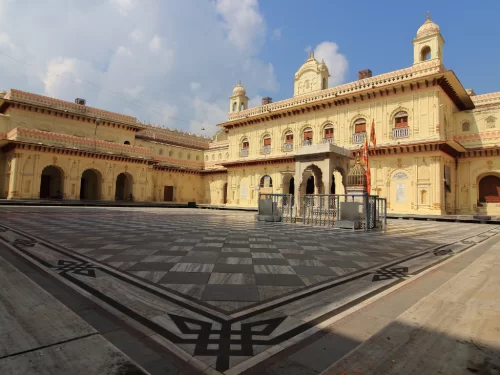
Kanak Bhawan courtyard at Ayodhya during sunny day, featuring ornate arches and flags, perfect cultural experience Uttar Pradesh Tour Packages. Temple

Kanak Bhawan

Kanak Bhawan is one of the most famous temples in Ayodhya, known for its grand architecture and devotion to Lord Ram and Mata Sita.

Saryu Ghat Ayodhya, serene riverfront steps along the sacred Saryu River with historic temples and vibrant sunset views in Uttar Pradesh. River Ghat

Saryu Ghat

Saryu Ghat in Ayodhya is a famous holy riverbank where devotees gather for rituals, evening aarti, and peaceful spiritual walks along the sacred Saryu River.
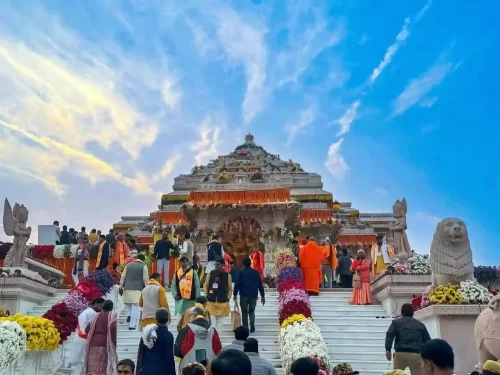
Shri Ram Janmabhoomi Temple Ayodhya, grand Hindu temple dedicated to Lord Ram featuring magnificent architecture and sacred spiritual significance in Uttar Pradesh. Temple

Shri Ram Janmabhoomi Temple

Shri Ram Janmabhoomi Temple is a world-famous Hindu pilgrimage site in Ayodhya, believed to be the birthplace of Lord Shri Ram.

Frequently Asked Questions About Shri Nageshwar Nath Mandir Ayodhya

Loved this place ? Let’s Plan Your Uttar Pradesh Trip

Get customized Uttar Pradesh tour planning designed around seasonal weather, travel distances between heritage regions, spiritual travel flow, and comfortable pacing. Whether you are visiting for historic monuments, temple circuits, river experiences, cul

⚡ Quick Response | 💰 Free consultation | 🕒 24×7 expert support

×

Plan Your Trip