Shri Radha Raman Temple – Iconic Krishna Temple in Vrindavan

Shri Radha Raman Temple , Vrindavan
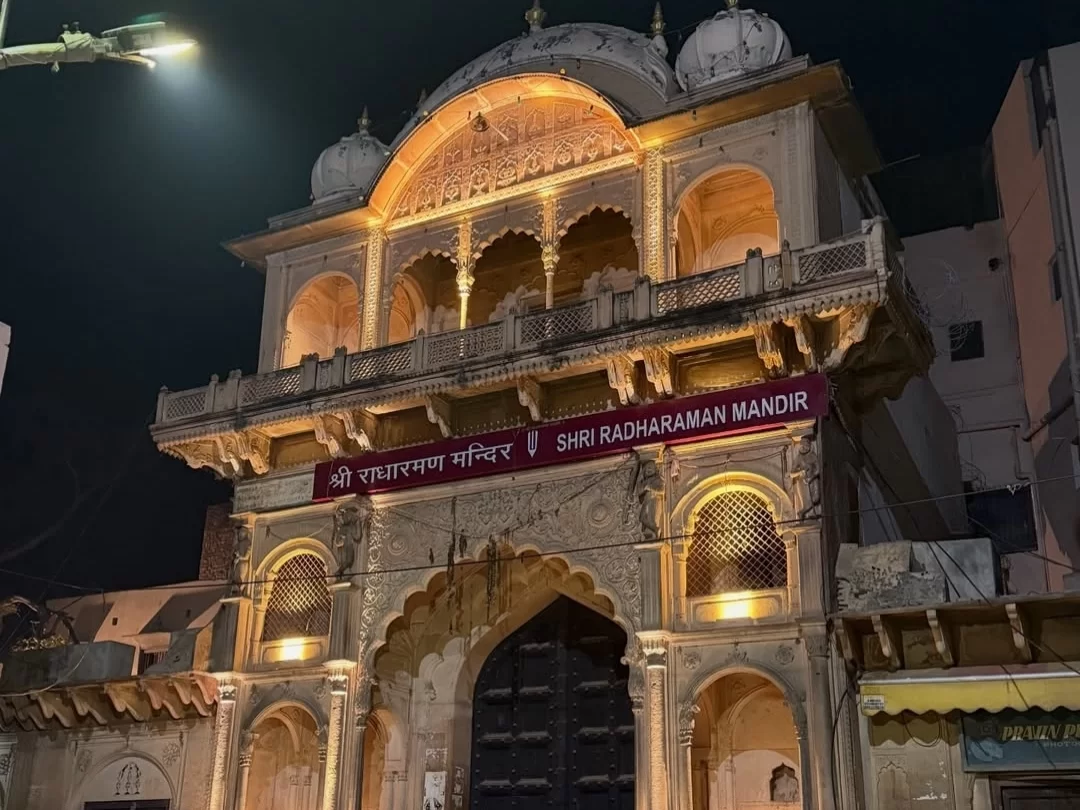
Located in the heart of Vrindavan, Shri Radha Raman Temple is one of the most prominent Krishna temples, famous for its self-manifested deity of Radha Raman. Built in the 16th century by the saint Shridhar, it showcases traditional architecture and a serene spiritual environment. The temple is a hub for daily rituals, festivals like Janmashtami, and devotional gatherings, offering visitors a glimpse into Vrindavan’s rich devotional culture.

Quick Facts About Shri Radha Raman Temple

Entry Fee Free
Timings 08:00 - 12:30, 18:00 - 20:00
Altitude (m) 170
Ideal Visit Duration (hrs) 2
Best Time of Day Morning
Crowd Level Moderate
Distance from City Centre (km) 10
Walking Difficulty Easy
Parking Available Yes
Last Mile Access Road
Suitable for Kids Yes
Suitable for Seniors Yes
Wheelchair Friendly No

Why Visit Shri Radha Raman Temple

Why Visit

Shri Radha Raman Temple is one of the most iconic Krishna temples in Vrindavan, famous for housing the self-manifested deity of Radha Raman. Visitors come to experience the temple’s deep spiritual significance, participate in daily aartis, and witness centuries-old traditions preserved by devoted priests. The temple provides a unique opportunity to connect with the devotional culture of Vrindavan and immerse oneself in the stories and teachings of Lord Krishna.

Atmosphere

The temple exudes a calm and devotional atmosphere, with melodious bhajans and soft chants creating a serene environment. The white marble sanctum, open courtyards, and surrounding gardens offer spaces for meditation and reflection. Even during busy periods, the temple maintains a peaceful ambience that allows visitors to focus on spiritual contemplation and inner calm.

What Makes It Special

Shri Radha Raman Temple is distinguished by its historic significance, architectural beauty, and the unique self-manifested deity. Unlike other temples, it emphasizes personal devotion and daily rituals that have been faithfully continued since the 16th century. Festivals such as Janmashtami and Radhashtami bring the temple to life with vibrant celebrations, music, and devotional gatherings, making every visit memorable for devotees and travelers alike.

History & Significance of Shri Radha Raman Temple

Shri Radha Raman Temple, located in the heart of Vrindavan, was established in 1542 CE by Gopala Bhatta Goswami, a prominent disciple of Sri Caitanya Mahaprabhu. The temple is famous for its self-manifested deity of Radha Raman, which is believed to have appeared miraculously. This makes it one of the most revered and spiritually significant Krishna temples in Vrindavan.

Over the centuries, the temple has been meticulously maintained by generations of priests, preserving centuries-old rituals, daily aartis, and devotional practices. It continues to serve as a hub for devotees seeking spiritual connection with Lord Krishna and offers a glimpse into the devotional traditions of 16th-century Vrindavan. The temple’s sanctum, architecture, and sacred ambiance make it a unique destination for pilgrims and travelers alike.

The temple also hosts major festivals such as Janmashtami and Radhashtami, drawing thousands of devotees from across India. Its enduring spiritual legacy and vibrant devotional activities make Shri Radha Raman Temple a must-visit for anyone exploring the religious heart of Vrindavan.

Best Time to Visit Shri Radha Raman Temple

The best time to visit Shri Radha Raman Temple is when the weather is pleasant and the temple environment is calm, allowing visitors to fully enjoy darshan, aarti, and spiritual reflection. Certain months and times of day provide a more peaceful and immersive experience.

  • October to March: Winter season offers cool and comfortable temperatures, ideal for exploring Vrindavan and attending temple rituals.
  • Early Morning: Mangala Aarti (pre-dawn worship) provides a serene experience with minimal crowds and a spiritually uplifting atmosphere.
  • Evening: Sandhya Aarti in the evening is a popular time for devotees to participate in devotional singing and rituals.
  • Festivals: Janmashtami, Radhashtami, and other Krishna-related festivals are vibrant and visually spectacular, though crowds are larger.
  • Avoid Peak Summer (April to June): Hot temperatures make daytime visits less comfortable, though early mornings are still suitable.

Planning your visit according to these months and times ensures the most peaceful and fulfilling experience at Shri Radha Raman Temple.
How to Reach Shri Radha Raman Temple

  • By Air: The nearest airport is Agra Airport (AGR), approximately 60 km away. Indira Gandhi International Airport (DEL) in Delhi is around 160 km away. From either airport, taxis or rental cars can be used to reach Vrindavan and the temple.
  • By Train: The closest railway station is Vrindavan Road Railway Station (~12 km from the temple) or Mathura Junction (~10 km away), which is well connected to Delhi, Agra, Jaipur, and other major cities. From the station, auto-rickshaws, cycle rickshaws, or taxis can be hired to reach the temple.
  • By Road: Shri Radha Raman Temple is located in central Vrindavan town. Private cars, taxis, and state-run buses are convenient options. The temple’s central location means short walks from nearby parking areas and local transport stands.
  • Last-Mile Access: Local auto-rickshaws, e-rickshaws, and cycle rickshaws are readily available to reach the temple from any point in Vrindavan. Walking through narrow lanes may be required during peak crowd hours.
  • Accessibility: The temple grounds are mostly flat, making it suitable for seniors and children. Whe

What to Expect When You Visit Shri Radha Raman Temple

  • Spiritual Ambience: Visitors will experience a serene and devotional atmosphere, with the sounds of bhajans, chanting, and daily aartis creating a peaceful environment.
  • Historic Architecture: The temple features traditional 16th-century Vrindavan architecture with intricate carvings and a white marble sanctum housing the self-manifested deity of Radha Raman.
  • Daily Rituals: Expect to witness regular aartis, offerings, and devotional ceremonies that have been performed for centuries, providing an authentic spiritual experience.
  • Festivals and Celebrations: Festivals like Janmashtami and Radhashtami bring vibrant decorations, devotional singing, and large gatherings, offering a culturally rich experience.
  • Peaceful Reflection: There are quiet areas and courtyards where visitors can sit for meditation, contemplation, or simply enjoy the calm surroundings.
  • Family-Friendly: The temple is suitable for visitors of all ages, including children and seniors, though narrow lanes may require extra attention during crowded times.
  • Photography Opportunities: Visitors can capture the temple’s architecture, decorations, and devotional activities, especially during early morning or evening aartis.

Important Visitor Information for Shri Radha Raman Temple

  • Crowd & Weather Notes: The temple is moderately crowded on regular days. Festival periods such as Janmashtami and Radhashtami attract large crowds. Winter months (October to March) are most comfortable for visiting, while summer (April to June) can be hot and humid.
  • Peak / Quiet Hours: Peak hours are typically mid-morning to early afternoon, especially on weekends and during festivals. Early mornings for Mangala Aarti (4:00–6:00 AM) and evenings for Sandhya Aarti (6:00–8:00 PM) are quieter and ideal for peaceful darshan.
  • Dress Code: Visitors should dress modestly, covering shoulders and knees. Comfortable footwear is recommended, and shoes must be removed before entering the sanctum.
  • Safety Notes: The temple grounds are generally safe and family-friendly. Keep personal belongings secure, supervise children, and follow instructions from temple staff, particularly during festivals or crowded events.

Photography and Viewpoints at Shri Radha Raman Temple

  • Temple Architecture: The white marble sanctum, intricately carved doors, and traditional Vrindavan-style architecture make the temple a visual delight, perfect for photography.
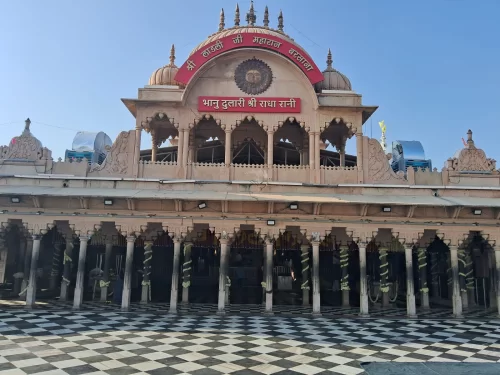
  • Courtyards and Surroundings: The temple has open courtyards and small landscaped areas that allow visitors to take scenic photos and capture the serene environment.
  • Devotional Events: Festivals like Janmashtami, Radhashtami, and special aartis create vibrant photo opportunities with devotional decorations, lamps, and colorful rituals.
  • Viewpoints: Elevated spots near the temple entrance and surrounding streets provide panoramic views of the temple complex and Vrindavan’s traditional lanes.
  • Photography Guidelines: Photography is generally allowed in open areas. However, visitors should avoid taking photos inside the sanctum during aarti or prayers to respect the sanctity of the deity.
  • Best Times for Photography: Early morning and late evening offer soft natural lighting and fewer crowds, ideal for capturing both architectural details and the devotional atmosphere.

Near By Attraction

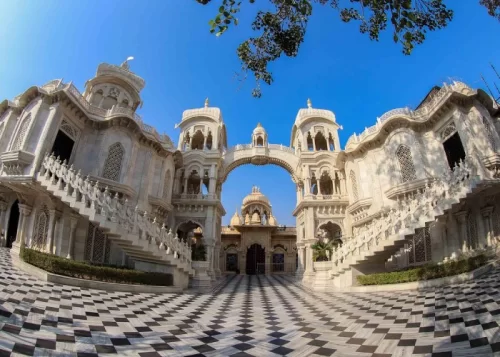
Prem Mandir at Vrindavan during clear daytime, featuring white marble architecture, golden spires, landscaped gardens, perfect spiritual experience with Mathura Vrindavan tour package. Temple

Prem Mandir

Mandir in Vrindavan is a magnificent white marble temple dedicated to Lord Krishna and Radha.

Shree krishna balaram mandir Temple

Sri Sri Krishna Balaram Mandir

Sri Sri Krishna Balaram Mandir in Vrindavan is a globally renowned ISKCON temple dedicated to Lord Krishna and Lord Balaram

Banke Bihari Temple Vrindavan ornate facade with arches and flags, famous Krishna temple in Uttar Pradesh Temple

Shri Banke Bihari Temple

Shri Banke Bihari Temple is a renowned temple in Vrindavan dedicated to Lord Krishna, famous for its devotional atmosphere and unique idol of Banke Bihari.

Frequently Asked Questions About Shri Radha Raman Temple

Shri Radha Raman Temple is located in Vrindavan, Uttar Pradesh, near the old town area close to other major Krishna temples. It is easily accessible by local roads within Vrindavan.
Shri Radha Raman Temple is generally open from early morning around 5:30 AM until midday and again from late afternoon until evening around 8:30 PM. Timings may vary during festivals and special occasions.
There is no entry fee to visit Shri Radha Raman Temple. Visitors can enter freely, though donations are accepted for temple maintenance.
Visitors can reach Shri Radha Raman Temple by auto rickshaw, cycle rickshaw, or on foot within Vrindavan, Uttar Pradesh. Mathura Junction Railway Station is about 12 kilometers away.
Limited parking is available near Shri Radha Raman Temple, but vehicles may not reach the exact entrance due to narrow lanes. Visitors may need to walk a short distance.
The best time to visit Shri Radha Raman Temple is between October and March when the weather in Uttar Pradesh is cooler and comfortable for temple visits.
Most visitors spend about 45 minutes to one hour at Shri Radha Raman Temple. This allows enough time for darshan and observing daily rituals.
Special darshan timings are observed at Shri Radha Raman Temple during festivals such as Janmashtami and Radhashtami. Visitors should check daily schedules before planning their visit.
Shri Radha Raman Temple is suitable for family visits due to its organized darshan system and spiritual atmosphere. Families traveling to Uttar Pradesh often include it in their Vrindavan itinerary.
Basic restroom facilities may be available near Shri Radha Raman Temple. Food is not allowed inside, but sweet shops and eateries are located nearby in Vrindavan.

Loved this place ? Let’s Plan Your Uttar Pradesh Trip

Get customized Uttar Pradesh tour planning designed around seasonal weather, travel distances between heritage regions, spiritual travel flow, and comfortable pacing. Whether you are visiting for historic monuments, temple circuits, river experiences, cul

⚡ Quick Response | 💰 Free consultation | 🕒 24×7 expert support

×

Plan Your Trip