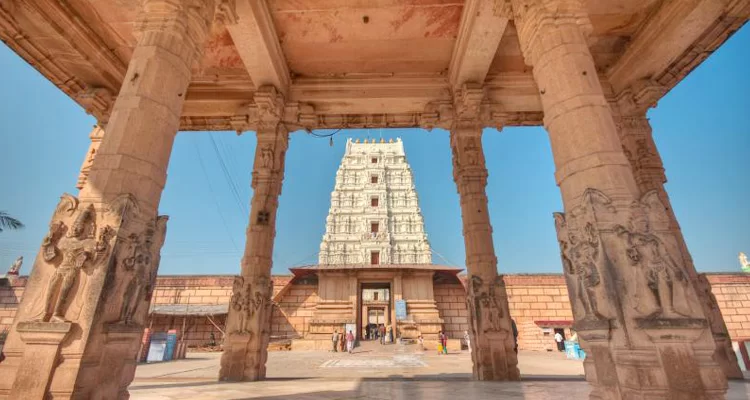
Sri Rangnath Mandir, Vrindavan, Uttar Pradesh, India

Sri Rangnath Mandir , Vrindavan
Visitors come to the temple for darshan and to observe traditional South Indian temple architecture and rituals. It is part of Vrindavan’s network of Vishnu-related temples and is visited by pilgrims exploring religious sites connected to Vaishnavism in the region.

Quick Facts About Sri Rangnath Mandir

Sri Rangnath Mandir, Vrindavan, Uttar Pradesh Quick Facts

Entry Fee No entry fee
Timings Generally open daily from early morning to evening; timings may vary during festivals and temple rituals
Altitude (m) Approximately 170 m above sea level
Ideal Visit Duration 30 minutes to 1 hour
Best Time of Day Early morning or evening during aarti
Crowd Level Moderate; higher during weekends, Kartik month, and major Vaishnav festivals
Distance from City Centre (km) Approximately 2–3 km from Vrindavan town centre
Walking Difficulty Easy
Parking Available Yes, limited parking available near the temple premises
Last Mile Access Accessible by road followed by a short walk to the temple entrance
Suitable for Kids Yes
Suitable for Seniors Yes
Wheelchair Friendly Partially accessible; some areas may include steps and uneven flooring

Why Visit Sri Rangnath Mandir, Vrindavan, Uttar Pradesh

Visitors come to Sri Rangnath Mandir in Vrindavan to experience one of the region’s key Vaishnav temples dedicated to Lord Ranganatha (a form of Vishnu). It is visited by pilgrims as part of a broader temple circuit across Vrindavan, especially by those interested in South Indian temple traditions in North India.

The on-ground atmosphere is calm and devotional, with regular pujas, chanting, and a steady flow of devotees through the main shrine hall. The temple layout is organized for darshan, and visitors typically spend time in quiet prayer rather than extended exploration.

What makes Sri Rangnath Mandir distinct is its Dravidian-style temple architecture and its representation of South Indian worship practices within Vrindavan’s Braj pilgrimage landscape. The contrast of cultural styles within a Krishna-centered town gives travelers a more diverse spiritual experience.

History of Sri Rangnath Mandir, Vrindavan, Uttar Pradesh

Sri Rangnath Mandir in Vrindavan is dedicated to Lord Ranganatha, a reclining form of Lord Vishnu worshipped in the Vaishnav tradition. The temple reflects the presence of South Indian devotional influence in Vrindavan’s wider pilgrimage landscape.

The temple is associated with traditional Vaishnav worship practices centered on Lord Vishnu as Ranganatha. It serves as a place of daily rituals and devotional offerings carried out by priests and visiting devotees.

Today, Sri Rangnath Mandir remains an active site of worship in Vrindavan, contributing to the town’s diverse network of temples connected to Krishna and Vishnu traditions.

Best Time to Visit Sri Rangnath Mandir, Vrindavan, Uttar Pradesh

Sri Rangnath Mandir in Vrindavan is best visited during the cooler months when temple darshan, walking through the complex, and exploring nearby ghats and temples can be done comfortably without the impact of extreme summer heat.
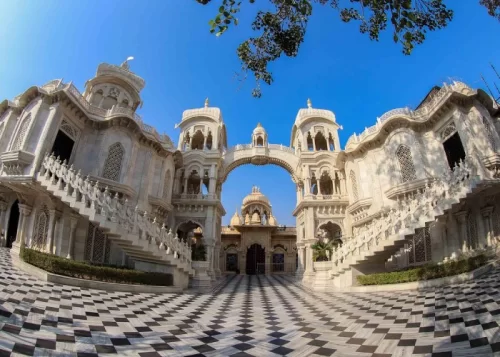
  • Ideal Months: October to March is the most suitable period for visiting, especially for peaceful darshan and exploring Vrindavan’s temple circuit.
  • Weather Conditions: These months generally offer mild to cool daytime temperatures, comfortable mornings and evenings, and better conditions for walking between temples in the old town area.
  • Periods to Avoid: April to June can be very hot, making daytime temple visits tiring. During major festivals such as Holi and Janmashtami, expect heavy crowds and longer waiting times despite the vibrant spiritual atmosphere.

How to Reach Sri Rangnath Mandir, Vrindavan, Uttar Pradesh

  • By Air: The nearest airport is Indira Gandhi International Airport, Delhi, located approximately 160–170 km from Vrindavan. Agra Airport, around 70 km away, is a closer option but has limited flight connectivity. Taxis and private cabs are available from both airports for onward travel to Vrindavan.
  • By Train: Mathura Junction is the nearest major railway station, situated about 12–15 km from Sri Rangnath Mandir. It has excellent rail connectivity with major cities such as Delhi, Agra, Jaipur, Mumbai, and Kolkata. From Mathura, visitors can take taxis, e-rickshaws, auto-rickshaws, or buses to reach Vrindavan.
  • By Road: Sri Rangnath Mandir is located in Vrindavan and is accessible via NH 19 and Mathura–Vrindavan Road. Regular UPSRTC buses, private coaches, taxis, and self-drive vehicles operate frequently between Mathura and Vrindavan. The final stretch involves narrow temple-area lanes, where pedestrian movement is high and vehicle access may be restricted during peak pilgrimage hours and festivals such as Janmashtami and Holi.

What to Expect When You Visit Sri Rangnath Mandir, Vrindavan, Uttar Pradesh

  • Sri Rangnath Mandir is located within the dense pilgrimage network of Vrindavan, surrounded by narrow lanes, residential areas, and multiple small temples, creating a continuously active religious environment throughout the day.
  • The temple reflects South Indian architectural influence and maintains a structured worship system with scheduled darshan and aarti. The surroundings remain devotional but can feel congested due to Vrindavan’s high pilgrim density.
  • Basic facilities such as shoe storage, drinking water, small shops for offerings, and nearby eateries are available, but most modern amenities and larger services are located outside the immediate temple complex in Vrindavan town.
  • Access typically involves walking through narrow and crowded streets, as vehicle entry near the temple is limited. Visitors often need to disembark at a distance and continue on foot through busy local lanes.
  • Inside the temple, movement is generally organized but can slow during peak hours due to darshan queues and ritual activities, especially on weekends, Ekadashi, and festival days.
  • The temple attracts regular devotees along with pilgrims visiting multiple Vrindavan temples in a single trip, leading to steady footfall rather than isolated visitation patterns.
  • Visitors are expected to follow traditional temple customs, including modest dress, removal of footwear before entering, and adherence to photography restrictions in certain sanctum areas during worship.

Important Visitor Information for Sri Rangnath Mandir, Vrindavan, Uttar Pradesh

  • The temple sees higher visitor flow during weekends, major Vaishnav festivals, and pilgrimage seasons in Vrindavan, while weekday mornings generally remain quieter for darshan.
  • Early morning hours offer a more peaceful visit with fewer queues, whereas evening aarti time brings increased devotional gatherings and higher crowd density inside the temple complex.
  • Vrindavan’s summer months (April–June) can be intensely hot, making early or late-day visits more comfortable, while winter provides relatively pleasant conditions for temple exploration.
  • Modest attire is expected in line with temple traditions, and visitors should remove footwear before entering the main sanctum areas.
  • Narrow access paths and temple corridors can become congested during peak hours, so careful movement is advised, especially near entry and darshan points.
  • During major festivals, expect controlled queue movement and limited space near the sanctum, requiring patience and adherence to temple staff instructions.

Photography and Viewpoints at Sri Rangnath Mandir, Vrindavan, Uttar Pradesh

  • The main entrance mandapa offers the most balanced frontal composition, capturing the Dravidian-style gopuram-inspired structure and its detailed carvings within the compact temple courtyard.
  • Side angles from within the courtyard allow clearer framing of the temple’s layered architecture, including its pillared halls and sculptural details that are characteristic of South Indian temple design in Vrindavan.
  • Early morning light provides softer illumination on the stone façade, reducing shadows inside the shaded mandapa areas, while midday light can create high contrast within the enclosed courtyard.
  • Evening aarti hours create a visually rich setting with lamps and devotional gatherings, though movement inside the courtyard becomes limited due to ritual activity and crowd concentration.
  • Photography is generally permitted in outer courtyard areas, but restrictions may apply inside the sanctum and during ongoing ???? rituals, as directed by temple authorities.
  • The temple experiences increased visitor flow during weekends, Vaikuntha Ekadashi, and major Vrindavan festivals, which can reduce clear access to the central viewpoint near the sanctum entrance.
  • As the temple is located within a densely built pilgrimage zone, narrow access pathways can restrict wide framing angles, making courtyard positioning the primary reliable viewpoint for composition.

Near By Attraction

 Temple

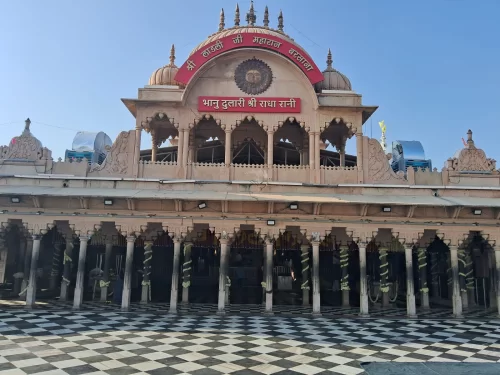
Sri Krishna Balaram Mandir

Sri Krishna Balaram Mandir is a prominent Hindu temple in Vrindavan established by the International Society for Krishna Consciousness (ISKCON).
 Temple

Shri Ladliji Mahara

Shri Ladli Ji Maharaj Temple is a prominent Hindu temple in Barsana dedicated to Radha Rani.
 Temple

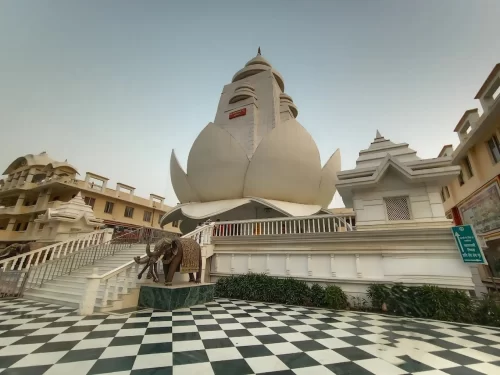
Shri Priyakant Ju Temple

Shri Priyakant Ju Temple is a Hindu temple in Vrindavan dedicated to Lord Krishna.

Frequently Asked Questions About Sri Rangnath Mandir

Loved this place ? Let’s Plan Your Uttar Pradesh Trip

Get customized Uttar Pradesh tour planning designed around seasonal weather, travel distances between heritage regions, spiritual travel flow, and comfortable pacing. Whether you are visiting for historic monuments, temple circuits, river experiences, cul

⚡ Quick Response | 💰 Free consultation | 🕒 24×7 expert support

×

Plan Your Trip