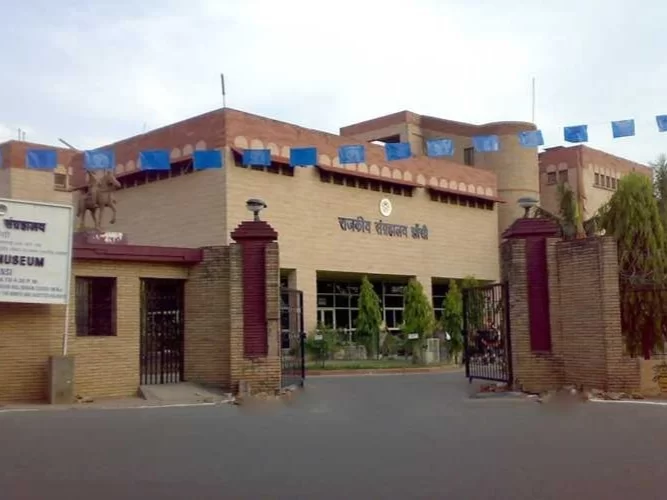
Rani Jhansi Museum Jhansi – History, Timings & Visitor Guide

Rani Jhansi Museum , Jhansi
Rani Jhansi Museum is one of the most important heritage attractions in Jhansi, located near the historic Jhansi Fort. The museum is dedicated to the great warrior queen Rani Lakshmibai and displays a rich collection of artifacts related to the Revolt of 1857 and Bundelkhand history. Visitors can explore ancient weapons, statues, manuscripts, photographs, and historical exhibits that highlight the bravery and sacrifices of Indian freedom fighters. The museum is an excellent place for history lovers, students, and tourists who want to understand the cultural and historical significance of Jhansi in India’s independence movement.

Quick Facts About Rani Jhansi Museum

Entry Fee 20
Timings 10:00 - 17:00
Altitude (m) 285
Ideal Visit Duration (hrs) 2
Best Time of Day Morning
Crowd Level High
Distance from City Centre (km) 3
Walking Difficulty Easy
Parking Available Yes
Last Mile Access Road
Suitable for Kids Yes
Suitable for Seniors Yes
Wheelchair Friendly No

Why Visit Rani Jhansi Museum

Rani Jhansi Museum is one of the most meaningful historical attractions in Jhansi, offering visitors a deep insight into the bravery, patriotism, and sacrifices of India’s freedom fighters. The museum is dedicated to Rani Lakshmibai, the legendary Queen of Jhansi, who became a powerful symbol of resistance during the Revolt of 1857. Visiting this museum is a great way to understand the historical importance of Jhansi in India’s independence movement and explore the rich heritage of Bundelkhand.

The atmosphere inside the museum is calm, informative, and inspiring. As you walk through the galleries, you experience a strong connection to India’s past through preserved artifacts, sculptures, paintings, weapons, and historical displays. The museum environment is peaceful and well-organized, making it suitable for families, students, and history lovers who want to explore Indian heritage in a quiet and educational setting.

What makes Rani Jhansi Museum special is its unique collection of rare historical items related to the 1857 uprising and Bundelkhand culture. Visitors can see ancient weapons, statues, inscriptions, photographs, and exhibits that highlight the courage of Rani Lakshmibai and other freedom fighters. The museum is also located close to Jhansi Fort, which adds more value to the visit, allowing tourists to experience both the museum and the historic fort area in one trip. Overall, it is a must-visit destination for anyone who wants to explore the real spirit of Indian history and patriotism.

History of Rani Jhansi Museum

Rani Jhansi Museum is an important heritage museum in Jhansi that highlights the glorious past of Bundelkhand and the bravery of Rani Lakshmibai, the legendary Queen of Jhansi. The museum was established to preserve and showcase historical artifacts, weapons, sculptures, and documents connected to the Revolt of 1857, one of the most significant movements in India’s freedom struggle. Jhansi played a major role during this uprising, and the museum serves as a symbol of the city’s patriotic legacy.

The museum is closely linked with the legacy of Rani Lakshmibai, who became a national icon for her fearless leadership against British rule. It displays collections that reflect the military strength, royal heritage, and cultural identity of Jhansi and the Bundelkhand region. Many exhibits represent the lifestyle of the era, including arms and ammunition, traditional artworks, and rare historical objects that help visitors understand the political and social environment of that period.

Today, Rani Jhansi Museum stands as one of the most respected historical sites in Uttar Pradesh, attracting students, researchers, and tourists interested in Indian heritage. It not only preserves the memory of Rani Lakshmibai’s sacrifice but also serves as an educational centre that keeps the spirit of India’s freedom struggle alive for future generations.

Best Time to Visit Rani Jhansi Museum

The best time to visit Rani Jhansi Museum is during the winter and pleasant months when the weather in Jhansi remains comfortable for sightseeing. Since Jhansi experiences very hot summers, visiting the museum during cooler seasons allows tourists to explore the nearby heritage sites like Jhansi Fort without discomfort. Morning and early afternoon hours are ideal for visiting the museum, as the atmosphere is quieter and the museum galleries can be explored peacefully. If you are interested in history and photography, winter months offer the best light and a more enjoyable overall experience.
  • Best Season: October to March is the most recommended time due to cool and pleasant weather.
  • Winter Advantage: Comfortable climate makes it easier to visit both the museum and nearby Jhansi Fort in one trip.
  • Summer Visit Tip: April to June can be extremely hot in Jhansi, so visit only during morning hours and avoid afternoon heat.
  • Monsoon Experience: July to September offers greenery around the fort area, but occasional rain may affect travel plans.
  • Best Time of Day: 10:00 AM – 1:00 PM is ideal for peaceful exploration and better understanding of exhibits.
  • Weekend Crowd Tip: Weekdays are best for a quiet visit, while weekends may have more tourists and school groups.
  • Festival Season: National holidays like Independence Day and Republic Day can bring more visitors due to patriotic interest.

How to Reach Rani Jhansi Museum

  • By Air: The nearest airport is Gwalior Airport, located around 100–110 km from Jhansi. Another option is Khajuraho Airport (approx. 170–180 km). From the airport, visitors can hire a taxi or take a bus to reach Jhansi comfortably.
  • By Train: The nearest railway station is Jhansi Junction (JHS), one of the major railheads in North India. The museum is located around 2–4 km from the station, and you can easily reach it by auto-rickshaw, e-rickshaw, or cab within 10–20 minutes.
  • By Road: Jhansi is well-connected by road with cities like Gwalior, Agra, Lucknow, Bhopal, and Kanpur. Regular buses and private taxis are available. Visitors driving by car can reach Jhansi via national highways and then head towards the Jhansi Fort area where the museum is located.
  • By Local Transport: The museum is easily accessible through auto-rickshaws, e-rickshaws, cycle rickshaws, and taxis. It is a well-known tourist landmark, so local drivers can guide you easily.
  • Nearest Landmark: Rani Jhansi Museum is located close to Jhansi Fort, making it convenient to visit both attractions together in a single sightseeing plan.
  • Last Mile Access: Roads leading to the museum are well-connected and motorable. The entrance is easily reachable without any difficult walking route.

What to Expect When You Visit Rani Jhansi Museum

  • Patriotic and Inspiring Experience: Rani Jhansi Museum offers a powerful and inspiring journey into India’s freedom struggle, especially the heroic story of Rani Lakshmibai, making it a must-visit for history lovers.
  • Historical Galleries and Exhibits: Visitors can explore well-organized museum sections displaying ancient artifacts, sculptures, photographs, paintings, and preserved objects that reflect the rich heritage of Jhansi and Bundelkhand.
  • Weapons and War Memorabilia: One of the major attractions is the display of historical weapons such as swords, shields, guns, and military equipment connected to the era of the Revolt of 1857.
  • Statues and Cultural Artifacts: You can expect to see statues, inscriptions, and cultural items that represent the royal history and traditional lifestyle of Bundelkhand, giving visitors a deeper understanding of the region’s identity.
  • Educational Visit for Students: The museum is highly educational, especially for school students and researchers, as it provides real historical references and exhibits that support learning about Indian history.
  • Calm Indoor Environment: The museum atmosphere is peaceful, quiet, and well-maintained, allowing visitors to explore comfortably without disturbance, making it suitable for families and senior citizens.
  • Nearby Heritage Connection: Since the museum is located near Jhansi Fort, visitors can expect a complete heritage experience, and many tourists combine both attractions in a single sightseeing plan.
  • Photography Opportunities: The museum and surrounding area provide good photography spots, especially for architecture and historical displays, although photography inside certain galleries may be restricted.
  • Short and Comfortable Visit: The museum is not overly large, so it can be explored easily within 1 to 1.5 hours, making it a perfect stop in Jhansi sightseeing.

Important Visitor Information for Rani Jhansi Museum

  • Crowd & Weather Notes: Rani Jhansi Museum is a popular heritage attraction, especially for students and history lovers. The best time to visit is during winter (October to March) when Jhansi weather is pleasant for sightseeing. Summers can be extremely hot, so indoor museum visits are comfortable, but outdoor travel may feel tiring.
  • Weather Tip: During April to June, temperatures in Jhansi can rise very high. Visitors should carry water bottles, sunglasses, and light cotton clothing. In monsoon season, humidity increases, so keep an umbrella or raincoat handy.
  • Peak Hours: The museum is usually busiest between 11:00 AM to 3:00 PM, especially on weekends, public holidays, and during school excursion timings. Expect more crowd during these hours.
  • Quiet Hours: The best time for a peaceful and comfortable visit is 10:00 AM to 12:00 PM on weekdays, when the museum is less crowded and you can explore exhibits calmly.
  • Dress Code: There is no strict dress code, but visitors should wear comfortable and decent clothing. Since the museum visit involves walking and nearby fort sightseeing, comfortable footwear is strongly recommended.
  • Safety Notes: Visitors should avoid touching artifacts and museum displays, as many items are preserved and delicate. Follow instructions given by staff and maintain silence inside the museum galleries.
  • Photography Rules: Photography may be restricted in certain indoor sections. Always check museum rules before clicking pictures, and avoid flash photography where not allowed.
  • Kids & Family Safety: The museum is safe for families, but children should be supervised to prevent running around or disturbing other visitors.
  • Senior Citizens Tip: The museum is mostly easy to explore, but if combining it with Jhansi Fort visit, seniors should plan rest breaks and avoid peak afternoon heat.
  • Best Visit Plan: For a complete heritage experience, combine the museum visit with Jhansi Fort and nearby historical attractions in the same trip for better understanding of the region’s legacy.

Photography and Viewpoint at Rani Jhansi Museum

  • Best Photography Experience: Rani Jhansi Museum is an excellent place for heritage and history photography. Visitors can capture the museum building, historical displays, and surrounding heritage atmosphere that reflects the pride of Jhansi’s freedom struggle.
  • Best Time for Photography: The best time to take photos is during the morning hours (10:00 AM – 12:00 PM) when natural light is soft and perfect for capturing the museum exterior and nearby fort area without harsh shadows.
  • Heritage Architecture Shots: The museum structure and its historic surroundings offer good opportunities for architectural photography. The entrance, outdoor courtyard areas, and nearby heritage landscape create a strong historical vibe for travel pictures.
  • Viewpoint Advantage: Since the museum is located close to Jhansi Fort, visitors can enjoy a wider historical viewpoint of the fort region. Many tourists click panoramic shots of the heritage zone while moving between the museum and the fort.
  • Exhibits and Artifact Photography: Inside the museum, photography may be restricted in certain galleries. Where allowed, visitors can capture images of statues, weapons, and cultural artifacts, but flash photography should be avoided to protect preserved items.
  • Best Spots for Pictures: The best photo spots include the museum entrance, outdoor display sections, heritage walk areas, and viewpoints near the fort route that give a strong Bundelkhand historical backdrop.
  • Photography Rules & Respect: Visitors should follow museum guidelines and respect cultural value. Avoid touching artifacts, maintain silence, and take pictures only in permitted zones.
  • Ideal for Educational Photography: The museum is a great spot for students, researchers, and history bloggers to capture meaningful content related to India’s freedom movement and Bundelkhand heritage.
  • Travel Reel & Social Media Potential: The museum and nearby fort surroundings provide an excellent setting for travel reels, patriotic content, and heritage storytelling, making it a good destination for tourism photography and cultural documentation.

Near By Attraction

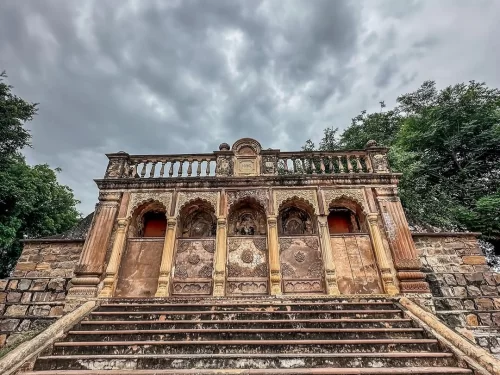
Rani Mahal Jhansi historic palace with arched facade and ornate carvings, heritage monument Uttar Pradesh Museum

Rani Mahal Jhansi

Rani Mahal in Jhansi is a historic royal palace known for its beautiful architecture, wall paintings, and strong connection with Rani Lakshmibai.
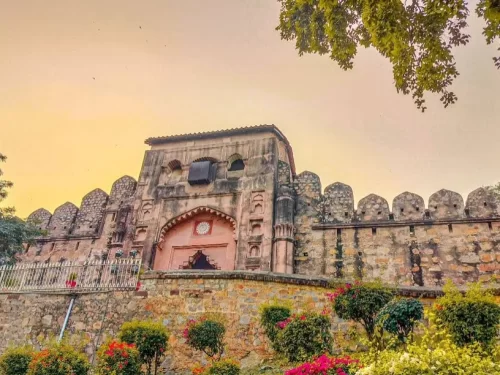
Jhansi Fort Uttar Pradesh historic hilltop fortress with stone walls and gardens, Rani Lakshmibai heritage site Fort

Jhansi Fort

Jhansi Fort is a legendary hilltop fort in Uttar Pradesh, famous for its strong architecture and connection with Rani Lakshmibai and India’s freedom struggle.

Frequently Asked Questions About Rani Jhansi Museum

Rani Jhansi Museum is located inside Jhansi Fort in Jhansi, Uttar Pradesh. It is easily accessible from the main city area and close to major landmarks in Jhansi.
Rani Jhansi Museum is generally open from 10:00 AM to 5:00 PM and remains closed on Mondays. Visitors should confirm local timings before planning their visit.
An entry fee is charged per person to visit Rani Jhansi Museum, as it is part of the Jhansi Fort complex. Ticket prices may vary for Indian and international visitors.
Visitors can reach Rani Jhansi Museum by taxi, auto rickshaw, or private vehicle within Jhansi, Uttar Pradesh. Jhansi Railway Station is about 4 kilometers away.
Limited parking is available near the entrance of Jhansi Fort for visitors to Rani Jhansi Museum. Availability may be restricted during weekends and peak tourist seasons.
The best time to visit Rani Jhansi Museum is between October and March when the weather in Uttar Pradesh is cooler and comfortable for exploring the fort area.
Most travelers spend about 45 minutes to one hour at Rani Jhansi Museum. This allows enough time to view historical artifacts and exhibits related to Rani Lakshmibai.
Photography may be restricted inside Rani Jhansi Museum. Visitors should follow posted guidelines and check with staff regarding camera usage.
Rani Jhansi Museum is suitable for family visits due to its educational exhibits and manageable layout. Families visiting Jhansi, Uttar Pradesh often include it along with the fort tour.
Basic restroom facilities are available within the Jhansi Fort complex near Rani Jhansi Museum. Food options are not typically available inside the museum, but restaurants are located nearby in Jhansi.

Loved this place ? Let’s Plan Your Uttar Pradesh Trip

Get customized Uttar Pradesh tour planning designed around seasonal weather, travel distances between heritage regions, spiritual travel flow, and comfortable pacing. Whether you are visiting for historic monuments, temple circuits, river experiences, cul

⚡ Quick Response | 💰 Free consultation | 🕒 24×7 expert support

×

Plan Your Trip