Jhansi Fort – History, Timings, Entry Fee & Travel Guide

Jhansi Fort , Jhansi
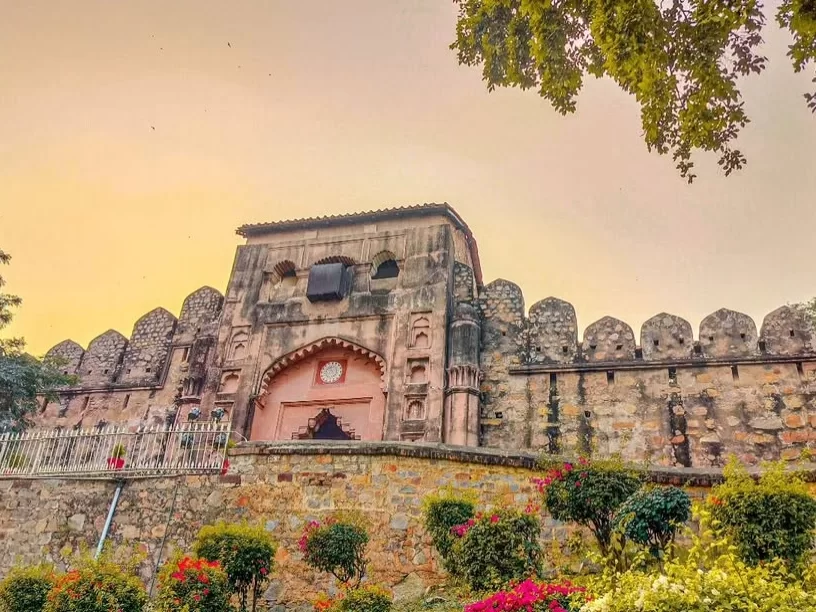
Jhansi Fort is one of the most important historical forts in India, located on a rocky hill in Jhansi city. Built in the 17th century by Raja Bir Singh Deo of Bundelkhand, the fort later became a major symbol of the 1857 First War of Independence under the leadership of Rani Lakshmibai. The fort is known for its massive walls, strong gateways, ancient cannons, palaces, temples, and scenic views of the city. Today, Jhansi Fort is a major tourist attraction for history lovers, heritage travelers, and anyone interested in India’s brave warrior legacy.

Quick Facts About Jhansi Fort

Entry Fee 20
Timings 06:00 - 18:00
Altitude (m) 285
Ideal Visit Duration (hrs) 3
Best Time of Day Morning
Crowd Level High
Distance from City Centre (km) 3
Walking Difficulty Moderate
Parking Available Yes
Last Mile Access Walk
Suitable for Kids Yes
Suitable for Seniors No
Wheelchair Friendly No

Why Visit Jhansi Fort

Jhansi Fort is one of the most historically significant forts in India and a must-visit destination for anyone interested in Indian heritage and freedom struggle history. Standing proudly on a rocky hilltop, this grand fort is closely associated with the legendary warrior queen Rani Lakshmibai, who played a heroic role during the First War of Independence in 1857. Tourists visit Jhansi Fort to explore its strong architecture, ancient gateways, royal structures, cannons, and the powerful stories of bravery that make it a symbol of Bundelkhand’s pride.

The atmosphere at Jhansi Fort feels bold, historic, and inspiring. As you walk through its stone pathways, massive walls, and ancient bastions, you can sense the strength of the fort’s design and the royal era that once ruled this region. The hilltop location provides a fresh breeze and panoramic views of Jhansi city, making the visit not only educational but also scenic. The fort complex remains lively with tourists, history enthusiasts, and students, especially during weekends.

What makes Jhansi Fort truly special is its powerful connection with India’s freedom movement and the fearless legacy of Rani Lakshmibai. The fort’s museum and historical structures help visitors understand the battles, lifestyle, and culture of Bundelkhand. Its strong defensive architecture, combined with breathtaking viewpoints, makes it a perfect place for photography, heritage exploration, and learning about one of India’s most iconic queens. Visiting Jhansi Fort is not just sightseeing—it is an experience of courage, pride, and history.

History of Jhansi Fort

Jhansi Fort is one of the most important historical forts of Bundelkhand and a major symbol of bravery in Indian history. The fort was originally built in the early 17th century (around 1613) by Raja Bir Singh Deo of Orchha. Constructed on a rocky hilltop, the fort was strategically designed to protect the region from invasions and to serve as a strong military base. Its massive stone walls, high bastions, and strong gateways reflect the defensive architecture of that era.

Later, Jhansi Fort came under the rule of the Marathas and became an important administrative centre. During the 18th and 19th centuries, it was expanded and strengthened further. The fort gained national fame during the First War of Independence in 1857, when Rani Lakshmibai, the queen of Jhansi, led a courageous resistance against British forces. Jhansi Fort became a key battlefield during the rebellion and witnessed some of the most heroic chapters of India’s freedom struggle.

The fort is also linked with the legendary story of Rani Lakshmibai’s escape, where she is believed to have jumped with her horse from the fort’s height to continue the battle. Today, Jhansi Fort stands as a powerful heritage monument representing the courage, sacrifice, and warrior legacy of Bundelkhand. It remains one of the most visited attractions in Uttar Pradesh, admired for both its architecture and its unforgettable historical importance.

Best Time to Visit Jhansi Fort

The best time to visit Jhansi Fort is from October to March, when the weather in Jhansi remains pleasant and comfortable for sightseeing. Since the fort is located on a hilltop and requires walking through open areas, winter months provide the perfect climate for exploring its massive walls, gateways, cannons, and museum without facing extreme heat. This season is also ideal for enjoying panoramic city views and taking photographs under clear skies.

Morning and late afternoon are the best times of day to visit the fort. Morning visits offer a cooler atmosphere and fewer crowds, allowing visitors to explore peacefully. Late afternoon is also recommended because the sunlight becomes softer and the fort looks more dramatic during golden hour, making it perfect for photography. Summers (April to June) can be very hot in Jhansi, and daytime visits may feel tiring due to heat, while monsoon months (July to September) may make pathways slippery.
  • Best Season: October to March (cool weather and best sightseeing experience)
  • Best Months: November to February (ideal for walking, photography, and exploring the fort comfortably)
  • Best Time of Day: 7:00 AM – 11:00 AM (pleasant temperature and less crowd)
  • Evening Visit Option: 3:30 PM – 5:30 PM (golden hour views and scenic photography)
  • Peak Crowd Time: Weekends and school holidays (expect more tourists and student groups)
  • Monsoon Note: July to September offers greenery, but fort pathways may become slippery
  • Avoid Visiting: May and June afternoons due to extreme heat and sun exposure

How to Reach Jhansi Fort

  • By Air: The nearest airport is Gwalior Airport (Rajmata Vijaya Raje Scindia Airport), located around 100–110 km from Jhansi. Another option is Khajuraho Airport, around 170–180 km away. From the airport, you can hire a taxi or take a bus to reach Jhansi city and then continue to the fort.
  • By Train: The nearest railway station is Jhansi Junction (JHS), one of the most important railway stations in North India. It is well connected with Delhi, Mumbai, Bhopal, Agra, Kanpur, and other major cities. Jhansi Fort is located around 2–4 km from the railway station, making it easy to reach by local transport.
  • By Road: Jhansi is well connected by road with major cities like Gwalior, Kanpur, Agra, Lucknow, and Bhopal through national highways and state highways. Government buses and private taxis are easily available from nearby cities and towns.
  • By Local Transport: From Jhansi railway station or city centre, you can reach Jhansi Fort easily using auto-rickshaw, e-rickshaw, cycle rickshaw, or taxi. App-based cab services are also available in the city.
  • From Jhansi Junction: The fort is about 2–4 km away and can be reached in approximately 10–20 minutes depending on traffic.
  • From Jhansi City Centre: Jhansi Fort is located around 2–3 km from the main market area. The ride usually takes 10–15 minutes.
  • Last Mile Access: Vehicles can reach near the main entrance, but visitors should be prepared for a short uphill walk and some steps inside the fort complex, as the fort is built on a hilltop.

What to Expect When You Visit Jhansi Fort

  • Powerful Historic Fort Experience: Expect to explore one of India’s most famous hilltop forts, known for its strong stone walls, massive gates, and grand Bundelkhand architecture that reflects the royal and military history of Jhansi.
  • Connection with Rani Lakshmibai: Visitors will experience the pride and inspiration of the fort’s association with Rani Lakshmibai, the legendary queen who fought bravely during the 1857 revolt. The fort carries strong patriotic value and historical importance.
  • Panoramic City Views: Since the fort is located on a high rocky hill, you can expect beautiful panoramic views of Jhansi city from the fort walls and bastion points. The viewpoint experience is especially scenic during morning and evening hours.
  • Ancient Cannons and Defensive Structures: You will see old cannons, bastions, watch towers, and fortifications that highlight the fort’s defensive strength. These areas are popular among history lovers and photographers.
  • Fort Museum Visit: Inside the fort complex, visitors can explore a museum that displays sculptures, weapons, inscriptions, and artifacts related to Bundelkhand history and the fort’s royal legacy.
  • Walking and Climbing: Be prepared for moderate walking and climbing, as the fort has uneven stone paths, stairs, and large open areas. Comfortable footwear is highly recommended for exploring the full fort.
  • Royal Palaces and Temple Structures: Expect to see remains of palaces, royal living areas, and temples within the fort complex. These structures reflect the lifestyle of rulers who once lived inside the fort.
  • Photography Opportunities: The fort offers excellent photography opportunities with stone gateways, ancient architecture, wide courtyards, and scenic viewpoints. Golden hour photography is especially attractive here.
  • Moderate to Heavy Crowd: On weekends and holidays, the fort attracts many tourists and student groups. Weekday mornings are better for a peaceful and comfortable experience.
  • Historical Storytelling by Guides: Local guides are often available and can explain the fort’s history, Rani Lakshmibai’s battle stories, and architectural details, making the visit more informative and memorable.

Important Visitor Information for Jhansi Fort

  • Crowd & Weather Notes: Jhansi Fort is one of the most visited heritage monuments in Bundelkhand, so it remains busy throughout the year. Winter season (October to March) is the best time to visit because the weather stays pleasant for walking and sightseeing. Summers can be extremely hot, making daytime visits uncomfortable. Monsoon season brings greenery but the fort’s stone paths may become slippery.
  • Peak Hours: The busiest time is generally 11:00 AM to 4:00 PM, especially on weekends, public holidays, and during school tours. During these hours, the fort complex becomes crowded and photography may be difficult due to tourist rush.
  • Quiet Hours: The best time for a peaceful visit is 7:00 AM to 10:00 AM. Morning hours offer cooler weather, fewer visitors, and a better chance to explore the fort comfortably.
  • Dress Code: There is no strict dress code, but visitors should wear comfortable and modest clothing. Since the fort involves climbing and walking on uneven surfaces, it is recommended to wear sports shoes or strong walking footwear.
  • Safety Notes: The fort has steep stairs, high walls, and uneven stone pathways, so visitors should walk carefully. Avoid leaning over fort edges or climbing restricted areas. During monsoon season, be extra cautious as the stones may become slippery.
  • Kids and Seniors Advice: Children should be supervised at all times due to open high points and stairs. Senior citizens should avoid exploring the full fort in extreme heat and may limit their visit to accessible areas.
  • Travel Tip: Carry drinking water, sunglasses, and a cap if visiting during warmer months. Hiring a guide is recommended for better understanding of the fort’s historical importance and Rani Lakshmibai’s legacy.
  • Cleanliness Reminder: Jhansi Fort is a protected heritage monument. Visitors should not litter, damage walls, or write on stone structures. Maintaining cleanliness helps preserve its historical value.

Photography and Viewpoint at Jhansi Fort

  • One of the Best Heritage Photography Locations in Bundelkhand: Jhansi Fort is a highly photogenic historical monument known for its massive stone walls, ancient gateways, bastions, and hilltop setting. The fort offers a perfect combination of architecture and scenic views, making it a must-visit spot for travel photographers and history lovers.
  • Best Viewpoints for City Panoramas: Since the fort is built on a rocky hill, the top sections provide excellent panoramic viewpoints of Jhansi city. Visitors can capture wide landscape shots from the fort walls and bastion corners, especially during clear weather days.
  • Golden Hour Photography: The best time for photography is early morning and late afternoon. Morning light creates clean, bright frames with fewer crowds, while evening golden hour adds dramatic shadows and warm tones to the stone architecture, making the fort look even more majestic.
  • Iconic Spots for Photography: Popular photography points include the main entrance gate, ancient cannons placed on the walls, fort courtyards, palace remains, and the high bastion viewpoints. These locations create powerful frames that reflect the fort’s strength and historical identity.
  • Architecture and Detail Shots: Jhansi Fort is ideal for capturing close-up architectural details like stone carvings, arched doorways, massive fort walls, and traditional Bundelkhand-style construction. The fort’s rugged stone texture makes photos look bold and historic.
  • Photography with Historical Theme: Many visitors capture the fort with a patriotic and historical theme due to its strong association with Rani Lakshmibai. The fort’s museum area and old battle-related structures also provide storytelling frames for heritage photography.
  • Best Season for Photography: October to March is the best season for photography, as the sky remains clear and the weather stays comfortable. During monsoon months, greenery adds beauty, but cloudy skies may reduce lighting quality.
  • Sunset Viewpoint Experience: The fort is also a great sunset viewpoint. Late evening views from the fort walls offer a beautiful combination of orange sky, city skyline, and historic stone structures, creating highly scenic and memorable photos.
  • Photography Tips: Carry a wide-angle lens or use panorama mode to capture the full fort structure. Wear comfortable shoes to reach viewpoint areas. Visit early morning to avoid crowd and get clean shots.
  • Drone and Tripod Note: Drone photography is generally restricted around protected monuments. Tripods may not be allowed in certain areas, so always follow security rules and official guidelines.

Near By Attraction

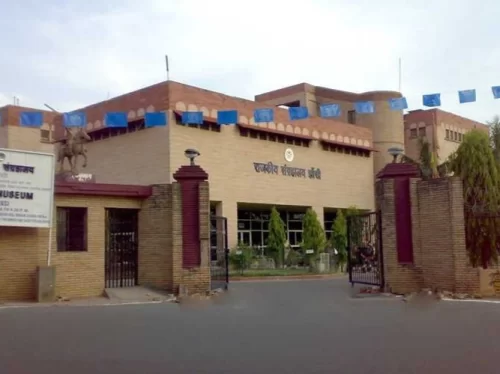
Rani Jhansi Museum Jhansi historical museum entrance showcasing artifacts of Rani Lakshmibai, Uttar Pradesh Museum

Rani Jhansi Museum

Rani Jhansi Museum is a famous historical museum in Jhansi showcasing the life, bravery, and legacy of Rani Lakshmibai and the freedom struggle of India.
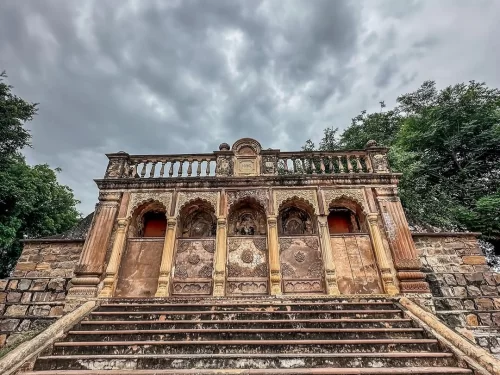
Rani Mahal Jhansi historic palace with arched facade and ornate carvings, heritage monument Uttar Pradesh Museum

Rani Mahal Jhansi

Rani Mahal in Jhansi is a historic royal palace known for its beautiful architecture, wall paintings, and strong connection with Rani Lakshmibai.

Frequently Asked Questions About Jhansi Fort

Jhansi Fort is located in Jhansi, Uttar Pradesh, on a hill overlooking the city. It is one of the main historical landmarks in Jhansi and easily accessible from the city center.
Jhansi Fort is generally open from 6:00 AM to 6:00 PM daily. Visitors should confirm local timings as they may vary seasonally.
An entry fee is charged per person to visit Jhansi Fort. Ticket prices may differ for Indian and international visitors as per Archaeological Survey of India regulations.
Visitors can reach Jhansi Fort by taxi, auto rickshaw, or private vehicle within Jhansi, Uttar Pradesh. Jhansi Railway Station is about 4 kilometers away.
Parking is available near the entrance of Jhansi Fort in designated areas. Spaces may become crowded during weekends and peak tourist seasons.
The best time to visit Jhansi Fort is between October and March when the weather in Uttar Pradesh is cooler and more comfortable for walking.
Most travelers spend about one to two hours at Jhansi Fort. This allows enough time to explore the fort walls, viewpoints, and internal structures.
Photography is generally allowed at Jhansi Fort for personal use. Visitors should follow posted guidelines and avoid restricted areas.
Jhansi Fort is suitable for family visits, though visitors should be prepared for walking and climbing steps. Families visiting Jhansi, Uttar Pradesh often include it as a key attraction.
Basic restroom facilities are available near Jhansi Fort. Food options are limited inside, but restaurants and cafes are located nearby in Jhansi.

Loved this place ? Let’s Plan Your Uttar Pradesh Trip

Get customized Uttar Pradesh tour planning designed around seasonal weather, travel distances between heritage regions, spiritual travel flow, and comfortable pacing. Whether you are visiting for historic monuments, temple circuits, river experiences, cul

⚡ Quick Response | 💰 Free consultation | 🕒 24×7 expert support

×

Plan Your Trip