+91 9910402252
admin@chalbanjare.com


| Entry Fee | Free |
| Timings | 06:00 - 18:00 |
| Altitude (m) | 98 |
| Ideal Visit Duration (hrs) | 1 |
| Best Time of Day | Morning |
| Crowd Level | Moderate |
| Distance from City Centre (km) | 2 |
| Walking Difficulty | Easy |
| Parking Available | Yes |
| Last Mile Access | Walk |
| Suitable for Kids | Yes |
| Suitable for Seniors | Yes |
| Wheelchair Friendly | No |
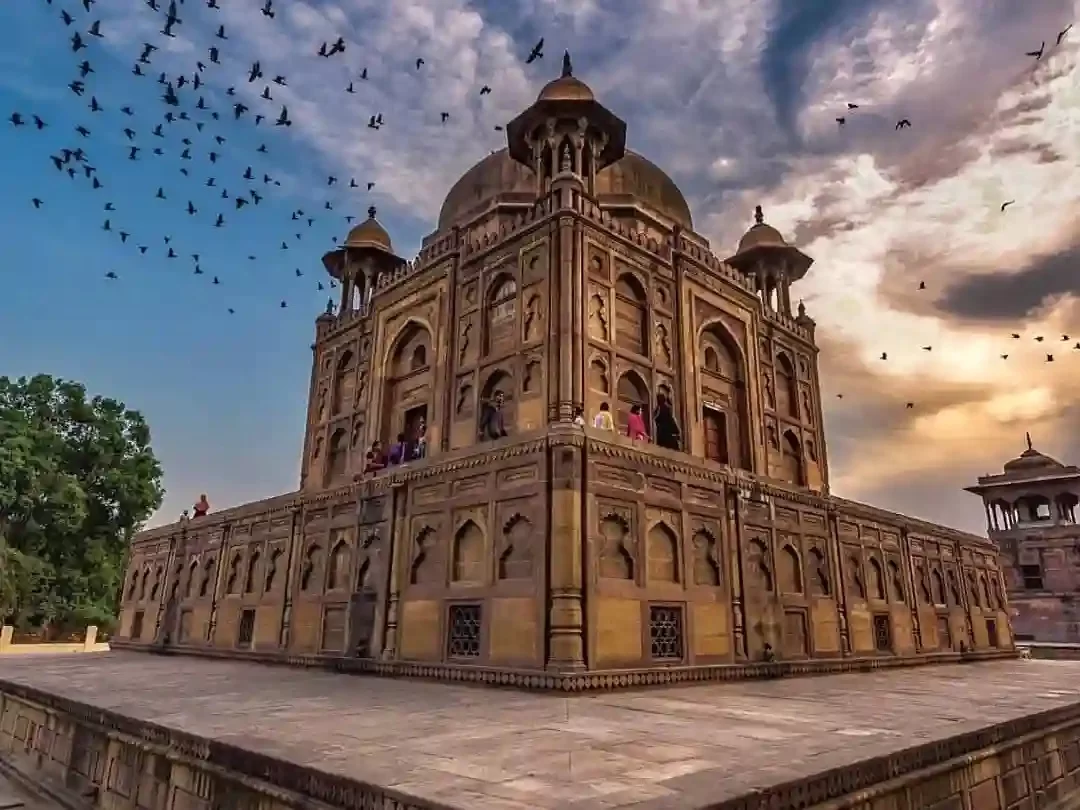
Khusro Bagh is a must-visit destination in Prayagraj for history enthusiasts, photographers, and those seeking a serene retreat within the city. The garden is historically significant as it houses the mausoleums of Prince Khusrau, the eldest son of Emperor Jahangir, and other members of the Mughal royal family. Visiting this site provides a glimpse into Mughal architecture, heritage, and the royal history of India.
The complex offers a peaceful escape with its lush gardens, shaded pathways, and well-preserved tombs, making it an ideal place for reflection, photography, and cultural exploration. It is also a key site for understanding the Mughal era’s architectural style, including intricate carvings, high walls, and symmetrical garden layouts.
The atmosphere at Khusro Bagh is tranquil and calm, providing a quiet environment for visitors to stroll through the gardens and explore the tombs. Early mornings and late afternoons are particularly serene, offering soft lighting for photography and a refreshing garden experience away from the city’s bustle.
During festivals or weekends, the site can see more visitors, but it retains a peaceful charm compared to crowded religious or city landmarks. The blend of historical significance, greenery, and well-maintained pathways creates a relaxing yet culturally rich ambiance.
Khusro Bagh is special due to its combination of Mughal-era architecture and historical importance. The tombs of Prince Khusrau and other royal family members are beautifully preserved, showcasing intricate carvings and garden layouts typical of Mughal design. It is one of the few remaining historical gardens in Prayagraj that retains its original charm.
The garden provides both a spiritual and cultural experience, allowing visitors to connect with India’s royal history while enjoying a calm, green space. Its location in the heart of the city makes it accessible yet secluded enough to offer a peaceful retreat, making Khusro Bagh a unique and memorable destination in Prayagraj.
Khusro Bagh is a historic Mughal-era garden and tomb complex located in Prayagraj, Uttar Pradesh. It was constructed during the early 17th century and is named after Prince Khusrau, the eldest son of Emperor Jahangir. The garden was designed in the traditional Mughal style, featuring symmetrical layouts, high walls, and landscaped pathways that provide a serene setting for the tombs.
The site gained historical significance due to its association with the Mughal royal family. Prince Khusrau was a prominent figure in the Mughal era, and his tomb, along with those of other royal family members, became a focal point for Mughal heritage in Prayagraj. Over the centuries, the garden has been maintained to preserve its architectural elegance and historical value.
Khusro Bagh holds cultural importance as a rare example of Mughal garden architecture in the region, combining aesthetics with historical reverence. The site reflects the Mughal approach to landscape design, tomb construction, and royal commemoration. Visitors can learn about Mughal artistry, funerary customs, and the legacy of the royal family while walking through the well-maintained gardens.
The complex also provides insight into the social and political life of the Mughal period, offering a tangible connection to India’s royal past. Today, Khusro Bagh serves as both a historical monument and a peaceful public space, attracting tourists, history enthusiasts, and local visitors who wish to experience Mughal heritage and tranquility in the heart of Prayagraj.
The best time to visit Khusro Bagh in Prayagraj is during the winter months from October to March, when the weather is cool and pleasant. During this period, visitors can comfortably explore the garden, walk around the tombs, and enjoy the serene environment without being affected by the extreme heat of summer or the heavy rains of the monsoon.
Although the garden is open throughout the year, summers (April to June) can be very hot, making outdoor exploration uncomfortable. The monsoon season (July to September) brings humidity and occasional heavy rainfall, which can affect the walking paths and photography. Winter provides the most enjoyable and peaceful visit.
For the best experience, visit early in the morning or late afternoon when the lighting is ideal for photography, and the garden is less crowded, allowing for a tranquil and immersive historical experience.
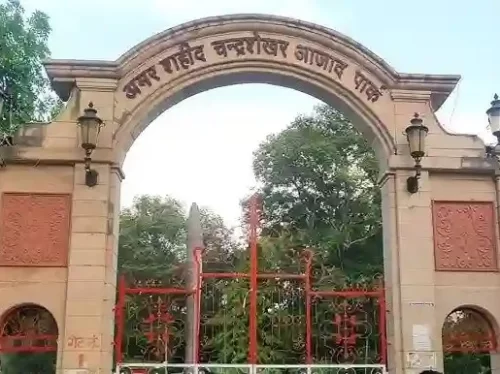 Garden
Amar Shaheed Chandrashekhar Azad Park is a famous historical public park in Prayagraj, known for its greenery and its strong connection to India’s freedom struggle.
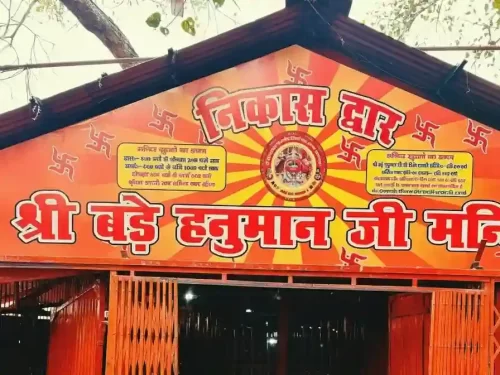 Temple
Shri Bade Hanuman Ji Mandir in Prayagraj is a revered Hindu temple dedicated to Lord Hanuman, attracting devotees and tourists for its religious significance and spiritual ambiance.
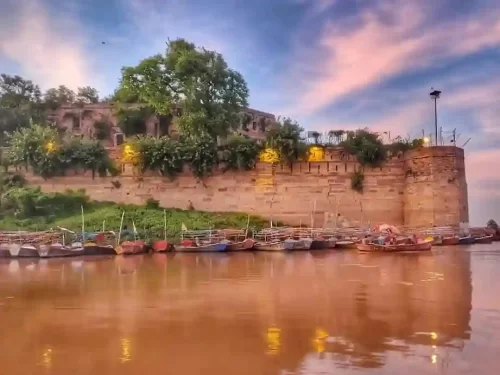 Fort
Fort
Akbar Fort in Prayagraj is a magnificent Mughal-era fort built by Emperor Akbar, known for its grand walls, historical importance, and scenic location at the Triveni Sangam.
Get customized Uttar Pradesh tour planning designed around seasonal weather, travel distances between heritage regions, spiritual travel flow, and comfortable pacing. Whether you are visiting for historic monuments, temple circuits, river experiences, cul
⚡ Quick Response | 💰 Free consultation | 🕒 24×7 expert support

