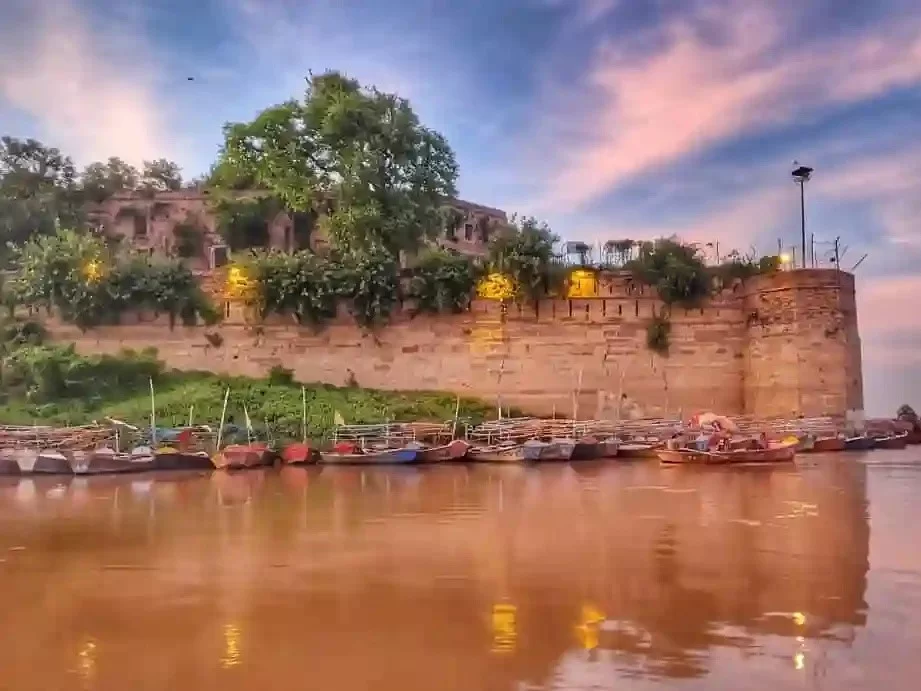
Akbar Fort Prayagraj – History, Architecture & Visitor Guide

Akbar Fort , Prayagraj
Akbar Fort is one of the most historically significant monuments in Prayagraj (Allahabad), Uttar Pradesh. Constructed in 1583 by Mughal Emperor Akbar, the fort stands near the sacred Triveni Sangam (confluence of Ganga, Yamuna, and Saraswati rivers). It is famous for its massive architecture, ancient temples inside, and cultural importance, making it a major attraction for history lovers, pilgrims, and tourists.

Quick Facts About Akbar Fort

Entry Fee 50
Timings 06:00 - 18:00
Altitude (m) 171
Ideal Visit Duration (hrs) 3
Best Time of Day Morning
Crowd Level High
Distance from City Centre (km) 3
Walking Difficulty Moderate
Parking Available Yes
Last Mile Access Walk
Suitable for Kids Yes
Suitable for Seniors Yes
Wheelchair Friendly No

Why Visit Akbar Fort

Akbar Fort in Prayagraj is a must-visit destination for history enthusiasts, architecture lovers, and cultural tourists. This historic fort, built during the Mughal era, showcases grand Mughal architecture with high walls, intricate carvings, and majestic gates. Visiting Akbar Fort allows tourists to explore the rich heritage of the Mughal empire and understand its historical significance in the region.

The fort is surrounded by spacious courtyards, gardens, and ancient structures, providing a serene environment for sightseeing and photography. Its historical significance as a royal residence and military stronghold, combined with its architectural elegance, makes it an important cultural landmark in Prayagraj.

Atmosphere

The atmosphere at Akbar Fort is a blend of historical grandeur and peaceful surroundings. Walking through its large courtyards and corridors, visitors experience the aura of Mughal royalty and the scale of architectural planning from centuries ago. The fort exudes a calm yet majestic ambiance, making it ideal for leisurely exploration and cultural appreciation.

During weekends or tourist seasons, the fort sees more visitors, but it still retains a spacious and tranquil environment compared to other crowded heritage sites. The open courtyards and shaded areas allow for comfortable exploration even in moderate weather conditions.

What Makes It Special

Akbar Fort is special because it is one of the finest examples of Mughal military architecture in Prayagraj, combining defensive structures with royal aesthetics. Its massive walls, ornate gates, and strategically designed courtyards reflect the grandeur of the Mughal era. The fort also provides a historical narrative of the region, highlighting Akbar’s influence and the Mughal administration in Prayagraj.

Additionally, the fort’s blend of history, architecture, and open spaces makes it an excellent site for photography, leisurely walks, and cultural learning. Visitors can experience the legacy of the Mughal empire firsthand while enjoying a tranquil environment in the heart of the city.

History of Akbar Fort

Akbar Fort in Prayagraj is a historic Mughal-era fort built in the 16th century during the reign of Emperor Akbar. The fort was strategically constructed near the banks of the Yamuna River and served as a royal residence, administrative center, and military stronghold. Its architecture reflects the grandeur and strategic planning of the Mughal period, with massive walls, fortified gates, and well-laid courtyards.

The fort also holds cultural significance as it played a key role in the governance and defense of the region during the Mughal era. Over the centuries, Akbar Fort has witnessed important historical events and transitions, preserving the legacy of Mughal architecture and royal life. Today, it stands as a major heritage landmark, attracting tourists and historians interested in India’s Mughal past.

Cultural Significance of Akbar Fort

Akbar Fort represents the cultural and architectural brilliance of the Mughal dynasty. Its combination of defensive structures and royal aesthetics illustrates the Mughal approach to fort construction, blending security with grandeur. The fort’s design, including large courtyards, intricate carvings, and strategic layout, provides insight into the lifestyle, governance, and artistic sensibilities of the Mughal rulers.

The fort also serves as an educational site where visitors can learn about Mughal history, royal architecture, and historical urban planning. It remains a significant heritage attraction in Prayagraj, highlighting India’s rich cultural and historical landscape.

Best Time to Visit Akbar Fort

The best time to visit Akbar Fort in Prayagraj is during the winter months from October to March, when the weather is pleasant and comfortable for exploring the fort’s large courtyards, gardens, and historical structures. During this season, visitors can enjoy leisurely walks, photography, and sightseeing without being affected by the intense heat of summer or the monsoon rains.

Although the fort is open throughout the year, summers (April to June) can be extremely hot, making outdoor exploration tiring. The monsoon season (July to September) brings humidity and occasional rainfall, which may affect accessibility and comfort. Winter offers the most enjoyable and serene experience for tourists and history enthusiasts.

Visiting in the early morning or late afternoon is ideal, as it provides soft natural lighting for photography and a more peaceful environment, especially on weekdays when the crowd is moderate.
  • Best Season: October to March (pleasant and comfortable weather)
  • Best Months: November to February (cool and ideal for exploration)
  • Best Time of Day: Early morning or late afternoon for photography and calm visits
  • Peak Tourist Season: December to February (moderate to high crowd)
  • Summer Note: April to June is very hot; morning visits are recommended
  • Monsoon Note: July to September may bring rain and humidity
  • Special Tip: Weekdays are preferred for a quieter and more relaxed experience

How to Reach Akbar Fort

  • By Air: The nearest airport is Prayagraj Airport (Bamrauli Airport), approximately 14 km from Akbar Fort. Visitors can hire a taxi or cab to reach the fort in about 30–40 minutes depending on traffic conditions.
  • By Train: The closest railway station is Prayagraj Junction, around 4 km from the fort. Auto-rickshaws, e-rickshaws, and taxis are available for easy last-mile connectivity to the main entrance.
  • By Road: Prayagraj is well connected to major cities such as Lucknow, Kanpur, Delhi, and Varanasi. Private taxis, buses, and state-run transport services can drop you near the fort, from where a short walk leads to the entrance.
  • By Local Auto / E-Rickshaw: Auto-rickshaws and e-rickshaws are commonly available throughout the city. Simply ask for Akbar Fort to reach the main gate conveniently.
  • By Taxi / Cab: App-based cabs or private taxis offer a convenient option for families and tourists, providing direct access to the fort entrance.
  • Nearest Landmark: Akbar Fort is located close to Civil Lines and other historical attractions in Prayagraj, making it easy to include in city tours.
  • Travel Tip: During weekends, holidays, or festival periods, traffic around the city may be heavy, so allow extra travel time for timely arrival.

What to Expect When You Visit Akbar Fort

  • Historic and Architectural Marvel: Visitors can expect to explore the grand Mughal architecture, including massive gates, fortified walls, spacious courtyards, and intricately designed structures that reflect the grandeur of the Mughal era.
  • Expansive Gardens and Courtyards: The fort features well-laid gardens and open spaces, providing a serene environment for walking, relaxing, and photography.
  • Cultural and Educational Experience: Akbar Fort offers insights into Mughal history, military architecture, and royal life, making it an educational destination for students, historians, and tourists interested in heritage.
  • Photography Opportunities: The fort provides excellent opportunities for architectural and landscape photography, especially during early morning and late afternoon for natural lighting and shadows.
  • Time Required for Visit: Visitors typically spend 2–3 hours exploring the fort, including gardens, courtyards, and key structures.
  • Family-Friendly Experience: The open areas and safe pathways make it suitable for children and senior visitors, though some walking and steps are involved.
  • Guided Tours: Local guides are available to explain the historical significance of the fort and its architectural features, enhancing the visitor experience.
  • Crowd Experience: On weekdays, the fort is moderately crowded, while weekends and holidays see a higher number of tourists. Visiting early in the morning ensures a quieter experience.
  • Educational Signage: Informative boards at various points provide historical context and details about Mughal architecture and Akbar’s legacy.
  • Overall Experience: Visiting Akbar Fort combines history, culture, architecture, and scenic gardens, offering a comprehensive and enriching experience for tourists and history enthusiasts alike.

Important Visitor Information for Akbar Fort

  • Crowd Level: Akbar Fort typically has a moderate crowd on weekdays, with higher visitor numbers during weekends, holidays, and festival seasons.
  • Peak Hours: The busiest hours are generally from 10:00 AM to 1:00 PM and late afternoon between 3:00 PM to 5:00 PM, when most tourists visit for sightseeing and photography.
  • Quiet Hours: Early morning (9:00 AM – 10:30 AM) provides a peaceful environment with fewer visitors, ideal for photography and calm exploration.
  • Weather Notes: The best time to visit is during winter months (October to March) when temperatures are pleasant. Summers (April to June) are very hot, while monsoon season (July to September) brings humidity and occasional rainfall.
  • Dress Code: Wear comfortable and modest clothing suitable for walking and outdoor exploration. Light cotton clothes in summer and layered attire in winter are recommended. Comfortable footwear is essential due to steps and walking paths.
  • Safety Notes: The fort is generally safe for visitors. Keep personal belongings secure, especially during crowded hours. Avoid climbing on walls or restricted areas for safety.
  • Photography Guidelines: Photography is allowed in most areas of the fort. Avoid using flash near delicate structures or prohibited sections.
  • Accessibility: Most pathways are walkable, but some areas may have steps. Assistance may be needed for elderly or differently-abled visitors.
  • Parking and Transport: Limited parking is available near the main entrance. Local taxis, auto-rickshaws, and e-rickshaws provide convenient last-mile access.
  • Visitor Etiquette: Maintain decorum, respect historical structures, and avoid littering. Follow signage and guidelines provided by the authorities.

Photography and Viewpoint at Akbar Fort

  • Photography Guidelines: Visitors can photograph the fort’s exterior, gardens, and courtyards freely. Certain sensitive areas may restrict photography, so always check with staff before using cameras or drones.
  • Architectural Highlights: The fort offers excellent photography opportunities with Mughal-era architecture including grand gates, domes, arches, and intricate carvings, ideal for both wide-angle and detailed shots.
  • Garden and Courtyard Views: The spacious courtyards and landscaped gardens provide picturesque settings for photography. Early morning and late afternoon light enhances colors and shadows, ideal for capturing the fort’s grandeur.
  • Viewpoint Opportunities: Elevated sections and gateways allow for panoramic shots of the entire complex, offering both historical and scenic perspectives of the fort and its surroundings.
  • Festival Photography: During local festivals or special events, the fort becomes lively with decorations, cultural activities, and crowds, adding a dynamic element to photographs while capturing the vibrant atmosphere.
  • Respectful Photography: Maintain respect for visitors and historical structures. Avoid taking close-up photos of devotees or restricted areas without permission.
  • Landscape Shots: The gardens, open courtyards, and pathways provide opportunities for landscape and nature photography in addition to heritage shots.
  • Time Recommendations: Morning (9:00–11:00 AM) or late afternoon (3:00–5:00 PM) is best for soft lighting, fewer crowds, and ideal photography conditions.
  • Educational Focus: Photography can also focus on plaques, inscriptions, and architectural details to document the fort’s historical significance.
  • Overall Experience: Akbar Fort offers a combination of historical, architectural, and landscaped beauty, making it a rewarding destination for both casual photographers and heritage enthusiasts.

Near By Attraction

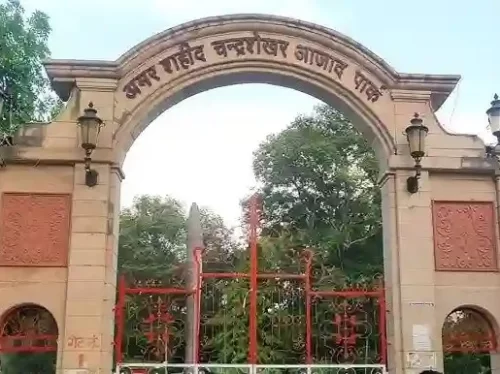
Amar Shaheed Chandrashekhar Azad Park Prayagraj, historic public park and memorial dedicated to freedom fighter Chandrashekhar Azad in Uttar Pradesh India. Garden

Amar Shaheed Chandrashekhar Azad Park

Amar Shaheed Chandrashekhar Azad Park is a famous historical public park in Prayagraj, known for its greenery and its strong connection to India’s freedom struggle.
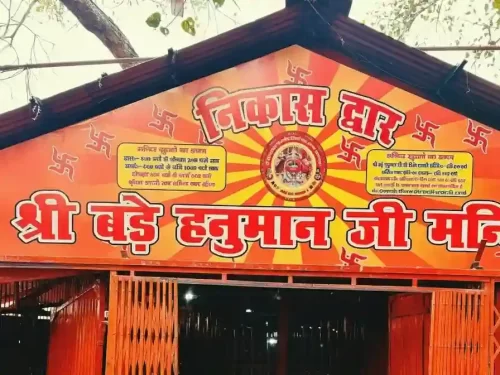
Shri Bade Hanuman Ji Mandir Prayagraj, revered temple dedicated to Lord Hanuman featuring vibrant entrance and strong spiritual significance in Uttar Pradesh. Temple

Shri Bade Hanuman Ji Mandir

Shri Bade Hanuman Ji Mandir in Prayagraj is a revered Hindu temple dedicated to Lord Hanuman, attracting devotees and tourists for its religious significance and spiritual ambiance.
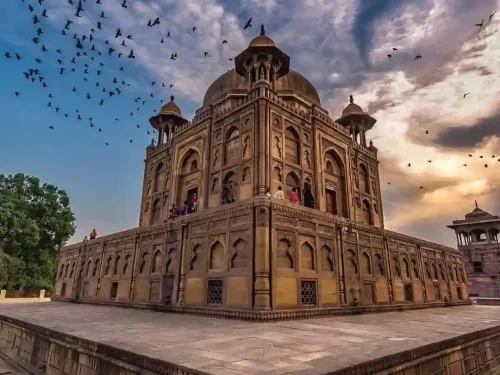
Khusro Bagh Prayagraj, historic Mughal garden complex with grand sandstone mausoleums and intricate architecture in Uttar Pradesh. Historical Site

Khusro Bagh

Khusro Bagh in Prayagraj is a serene Mughal-era garden and historic tomb complex, housing the mausoleums of Prince Khusrau and other royal family members.

Frequently Asked Questions About Akbar Fort

Akbar Fort is located in Prayagraj, Uttar Pradesh, near the Triveni Sangam. It stands along the banks of the Yamuna River and is easily accessible from the city center.
Akbar Fort is generally open from around 7:00 AM to 5:00 PM, though access may be limited because parts of the fort are under military control. Visitors should confirm current timings locally.
There is usually no major entry fee to visit the permitted public sections of Akbar Fort. Certain inner areas remain restricted due to security reasons.
Visitors can reach Akbar Fort by taxi, auto rickshaw, or private vehicle within Prayagraj, Uttar Pradesh. Prayagraj Junction Railway Station is located a few kilometers away.
Limited parking is available near Akbar Fort along designated roadside areas. Availability may be restricted during peak pilgrimage seasons and festivals.
The best time to visit Akbar Fort is between October and March when the weather in Uttar Pradesh is cooler and comfortable for sightseeing.
Most visitors spend about 45 minutes to one hour at Akbar Fort. This allows enough time to explore the accessible courtyards and nearby river views.
Several sections of Akbar Fort are restricted because they are under the control of the Indian Army. Visitors can access only designated public areas.
Akbar Fort is suitable for family visits, though visitors should be prepared for security checks and limited access zones. Families visiting Prayagraj, Uttar Pradesh often combine it with a trip to the Sangam.
Basic restroom facilities may be available near Akbar Fort. Food is not allowed inside, but eateries and tea stalls are located nearby in Prayagraj.

Loved this place ? Let’s Plan Your Uttar Pradesh Trip

Get customized Uttar Pradesh tour planning designed around seasonal weather, travel distances between heritage regions, spiritual travel flow, and comfortable pacing. Whether you are visiting for historic monuments, temple circuits, river experiences, cul

⚡ Quick Response | 💰 Free consultation | 🕒 24×7 expert support

×

Plan Your Trip