+91 9910402252
admin@chalbanjare.com


| Entry Fee | Free |
| Timings | 05:00 - 12:00, 16:00 - 22:00 |
| Altitude (m) | 95 |
| Ideal Visit Duration (hrs) | 1 |
| Best Time of Day | Morning |
| Crowd Level | High |
| Distance from City Centre (km) | 2 |
| Walking Difficulty | Moderate |
| Parking Available | Yes |
| Last Mile Access | Road |
| Suitable for Kids | Yes |
| Suitable for Seniors | Yes |
| Wheelchair Friendly | No |
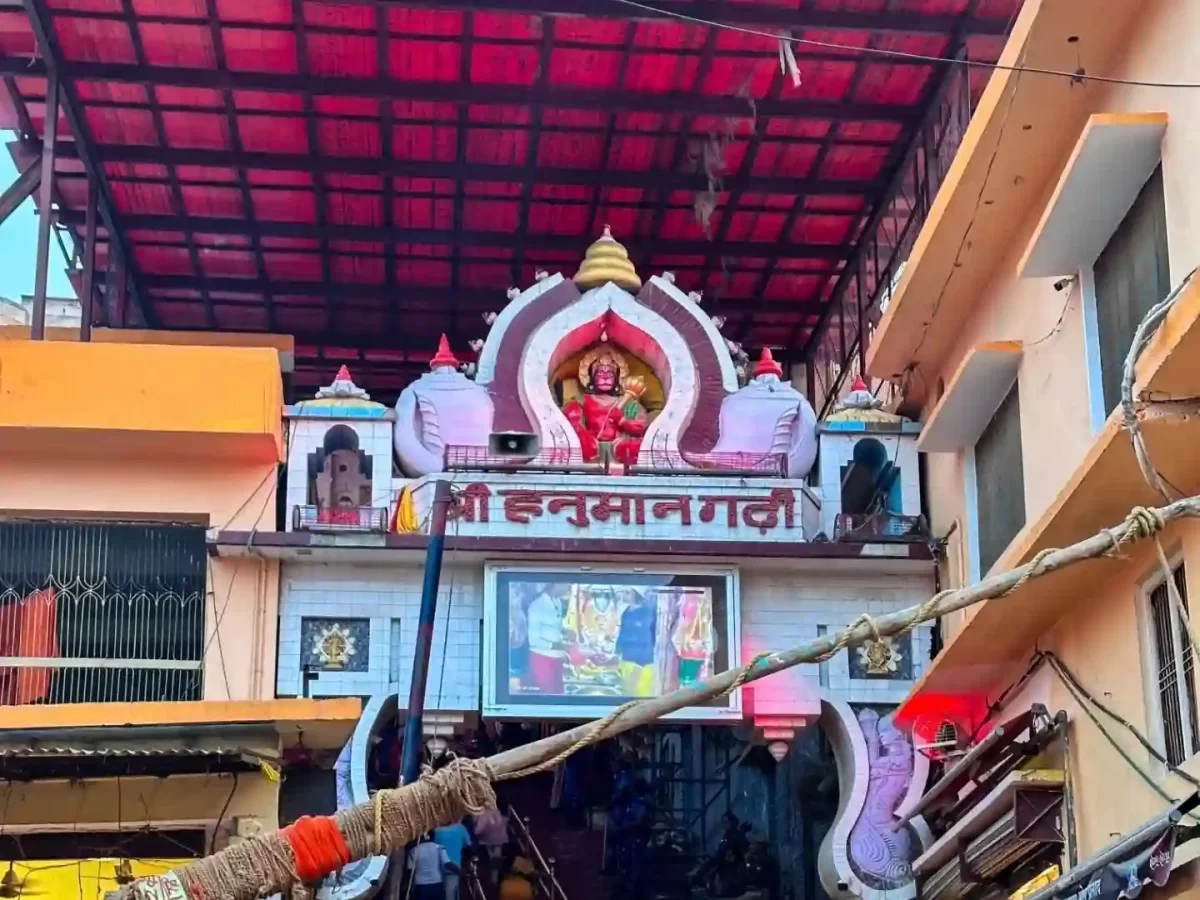
Hanuman Garhi is one of the most important and most visited temples in Ayodhya, dedicated to Lord Hanuman, who is worshipped as the divine protector of the holy city. This temple is a must-visit pilgrimage destination for devotees who come to Ayodhya for spiritual blessings and to experience the deep Ramayana connection of the city. Hanuman Garhi is believed to be the place where Lord Hanuman stayed to guard Ayodhya and protect Lord Ram’s kingdom. Because of this belief, many devotees consider it essential to visit Hanuman Garhi before visiting Ram Mandir or other major temples in Ayodhya.
Apart from its religious value, Hanuman Garhi is also famous for its fort-like architecture and elevated hilltop setting, which offers a unique temple experience compared to other shrines in the region. Visitors come here to witness powerful rituals, participate in prayers, and feel the strong devotional energy that fills the temple complex. The temple is especially crowded during Tuesdays, Saturdays, and festivals, reflecting the immense faith people have in Lord Hanuman. Whether you are a pilgrim, a spiritual traveler, or a tourist exploring Ayodhya’s sacred sites, Hanuman Garhi offers a memorable and spiritually uplifting visit.
The atmosphere at Hanuman Garhi is highly devotional, energetic, and spiritually intense. The temple remains busy throughout the day with long queues of devotees chanting prayers, ringing bells, and offering flowers, sindoor, and sweets to Lord Hanuman. The sound of bhajans, temple bells, and religious chants creates a powerful spiritual vibe that makes the visit deeply immersive.
The surroundings of the temple feel lively due to the presence of local shops selling prasad, garlands, and religious souvenirs. During early mornings and evenings, the atmosphere becomes even more divine, especially when aarti rituals take place. Despite the crowd, the temple gives visitors a strong sense of faith and spiritual energy that defines Ayodhya’s religious culture.
Hanuman Garhi is special because it is regarded as the main temple of Lord Hanuman in Ayodhya and holds a unique place in the pilgrimage tradition of the city. The temple is built like a fortress on an elevated platform, and devotees must climb a staircase to reach the main shrine, giving the feeling of entering a sacred stronghold. The central deity of Lord Hanuman is worshipped with immense devotion, and the temple is especially known for offerings of sindoor, which is considered sacred in Hanuman worship.
Another major highlight is its strong connection with the Ramayana heritage of Ayodhya. The belief that Lord Hanuman protected Ayodhya from this very location makes it a powerful spiritual symbol for devotees. The temple’s vibrant rituals, crowded festive celebrations, and its importance in Ayodhya’s religious circuit make Hanuman Garhi one of the most special and must-visit temples in North India.
Hanuman Garhi is one of the oldest and most important temples in Ayodhya, deeply connected with the religious traditions of the city. The temple is believed to have been built as a sacred fort-like shrine dedicated to Lord Hanuman, who is worshipped as the protector and guardian of Ayodhya. According to local belief and devotional traditions, Lord Hanuman lived here to safeguard the kingdom of Lord Ram, making Hanuman Garhi a spiritually powerful site for pilgrims visiting Ayodhya.
The structure of Hanuman Garhi is known for its fortress-style design, reflecting its symbolic role as a protective stronghold. Over time, the temple became a major pilgrimage centre and gained recognition as one of the most sacred Hanuman temples in North India. It has remained an important religious destination for centuries, attracting devotees from across the country, especially during major festivals related to Lord Ram and Lord Hanuman.
Today, Hanuman Garhi continues to be a central part of Ayodhya’s spiritual identity. It holds a special place in the pilgrimage circuit, and many visitors consider it the first temple to visit before proceeding to Ram Janmabhoomi and other major sacred sites in the city.
Hanuman Garhi holds immense religious significance because Lord Hanuman is worshipped here as the divine protector of Ayodhya. Devotees strongly believe that blessings from Hanuman Garhi provide protection from evil forces, remove obstacles, and bring courage and success. It is also widely believed that visiting Hanuman Garhi is an essential part of the Ayodhya pilgrimage, and devotees often come here before visiting the Ram Janmabhoomi temple.
The temple is especially sacred on Tuesdays and Saturdays, which are considered the most auspicious days for Hanuman worship. During festivals like Ram Navami and Hanuman Jayanti, the temple becomes a major spiritual gathering point, with thousands of devotees participating in prayers and rituals. The tradition of offering sindoor (vermilion), flowers, and sweets to Lord Hanuman is an important ritual practiced here, making the temple one of the most powerful religious attractions in Ayodhya.
The best time to visit Hanuman Garhi is from October to March, when Ayodhya experiences pleasant winter weather and the temple visit becomes comfortable. During these months, the climate remains cool and ideal for climbing the temple stairs, standing in darshan queues, and exploring nearby religious attractions such as Ram Janmabhoomi, Kanak Bhawan, and Saryu Ghat. Winter also attracts a large number of pilgrims, creating a vibrant spiritual environment around the temple.
The summer season from April to June can be extremely hot, and climbing the staircase during daytime may feel tiring. If visiting in summer, early morning and evening hours are recommended. The monsoon season from July to September brings humidity and occasional rain, which may make the steps slightly slippery. For the best experience, visit during winter mornings or during festival time when the temple is beautifully decorated and full of devotional energy.
 Temple
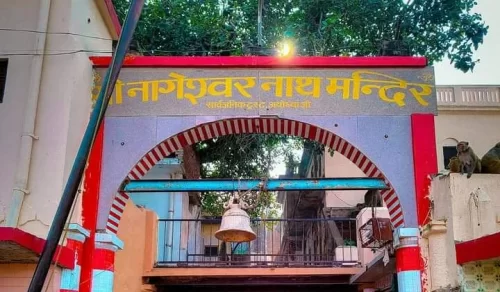
Shri Nageshwar Nath Mandir is an ancient Hindu temple dedicated to Lord Shiva in Ayodhya.
 Temple
Kanak Bhawan is one of the most famous temples in Ayodhya, known for its grand architecture and devotion to Lord Ram and Mata Sita.
 River Ghat
Saryu Ghat in Ayodhya is a famous holy riverbank where devotees gather for rituals, evening aarti, and peaceful spiritual walks along the sacred Saryu River.
Get customized Uttar Pradesh tour planning designed around seasonal weather, travel distances between heritage regions, spiritual travel flow, and comfortable pacing. Whether you are visiting for historic monuments, temple circuits, river experiences, cul
⚡ Quick Response | 💰 Free consultation | 🕒 24×7 expert support

