+91 9910402252
admin@chalbanjare.com


| Entry Fee | 50 |
| Timings | 06:00 - 18:00 |
| Altitude (m) | 174 |
| Ideal Visit Duration (hrs) | 3 |
| Best Time of Day | Morning |
| Crowd Level | High |
| Distance from City Centre (km) | 40 |
| Walking Difficulty | Moderate |
| Parking Available | Yes |
| Last Mile Access | Walk |
| Suitable for Kids | Yes |
| Suitable for Seniors | Yes |
| Wheelchair Friendly | No |
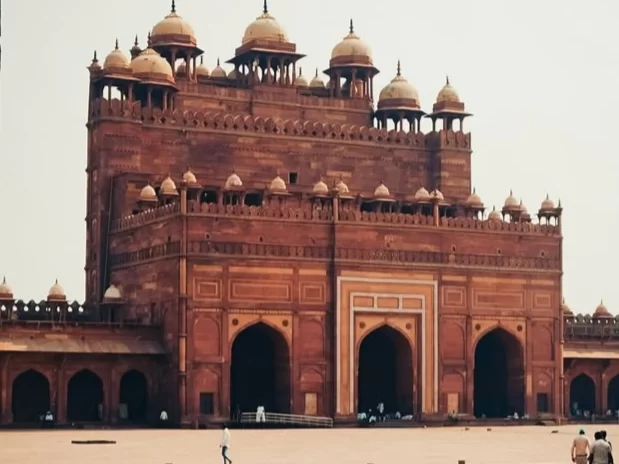
Atmosphere: Fatehpur Sikri offers a captivating journey into India’s Mughal past. The red sandstone structures, spacious courtyards, and historic palaces create a serene yet majestic environment, transporting visitors back to the 16th century.
What Makes It Special: This UNESCO World Heritage Site was Emperor Akbar’s capital and reflects a unique blend of Islamic, Persian, and Hindu architectural styles. Highlights include the Buland Darwaza, Jama Masjid, Panch Mahal, and intricately carved private chambers. The harmonious layout, historical significance, and well-preserved monuments make Fatehpur Sikri a must-visit for history enthusiasts, photographers, and cultural explorers.
Fatehpur Sikri was founded by Emperor Akbar in 1571 as the capital of the Mughal Empire. The city was strategically located on a ridge near Agra and was constructed entirely from red sandstone, showcasing the grandeur of Mughal architecture. It was envisioned as a political and administrative hub as well as a center for cultural and spiritual life.
The city houses several iconic structures, including the Buland Darwaza (Gate of Victory), Jama Masjid, Panch Mahal, and the Diwan-i-Khas. Akbar also built the palace complex for his royal household, reflecting a blend of Islamic, Persian, and Hindu architectural influences. The design of Fatehpur Sikri demonstrates Akbar’s innovative vision of urban planning and his respect for diverse cultural traditions.
Although the capital was eventually abandoned due to water scarcity, Fatehpur Sikri remains remarkably well-preserved. Its monuments continue to attract historians, architects, and travelers worldwide, offering insights into Mughal governance, architecture, and the cosmopolitan spirit of the 16th century.
The best time to visit Fatehpur Sikri is during the cooler months when the weather is pleasant and sightseeing is comfortable. These months provide clear skies, mild temperatures, and an opportunity to explore the extensive monuments without harsh heat.
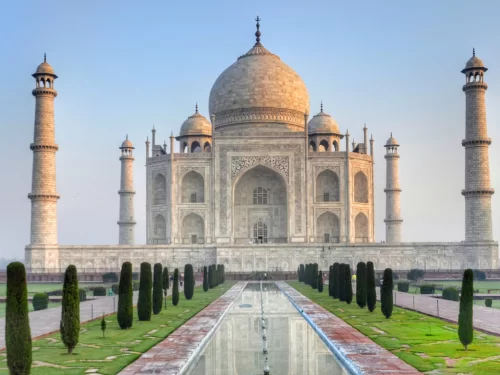 Historical Site
The Taj Mahal is a world-renowned white marble mausoleum in Agra, celebrated for its beauty, symmetry, and historical significance.
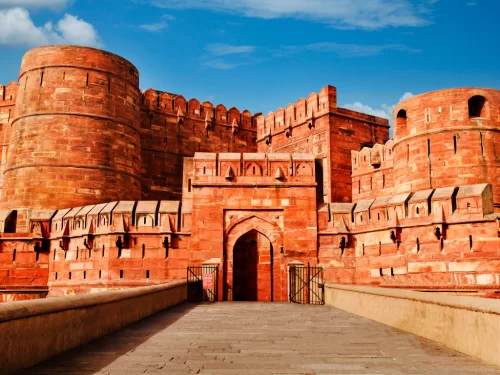 Fort
Fort
Agra Fort is a massive 16th-century Mughal fort in Agra, known for its stunning architecture, history, and UNESCO World Heritage status.
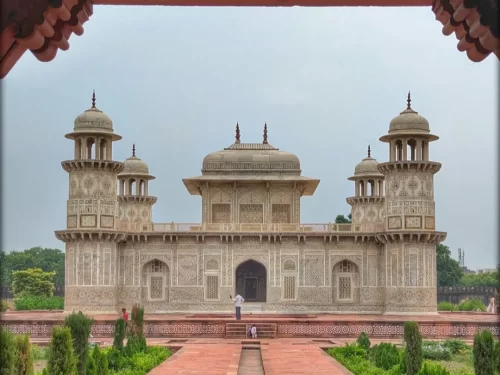 Monument
Itmad-ud-Daula, often called the “Baby Taj,” is a stunning Mughal mausoleum in Agra known for its intricate marble inlay work.
Get customized Uttar Pradesh tour planning designed around seasonal weather, travel distances between heritage regions, spiritual travel flow, and comfortable pacing. Whether you are visiting for historic monuments, temple circuits, river experiences, cul
⚡ Quick Response | 💰 Free consultation | 🕒 24×7 expert support

