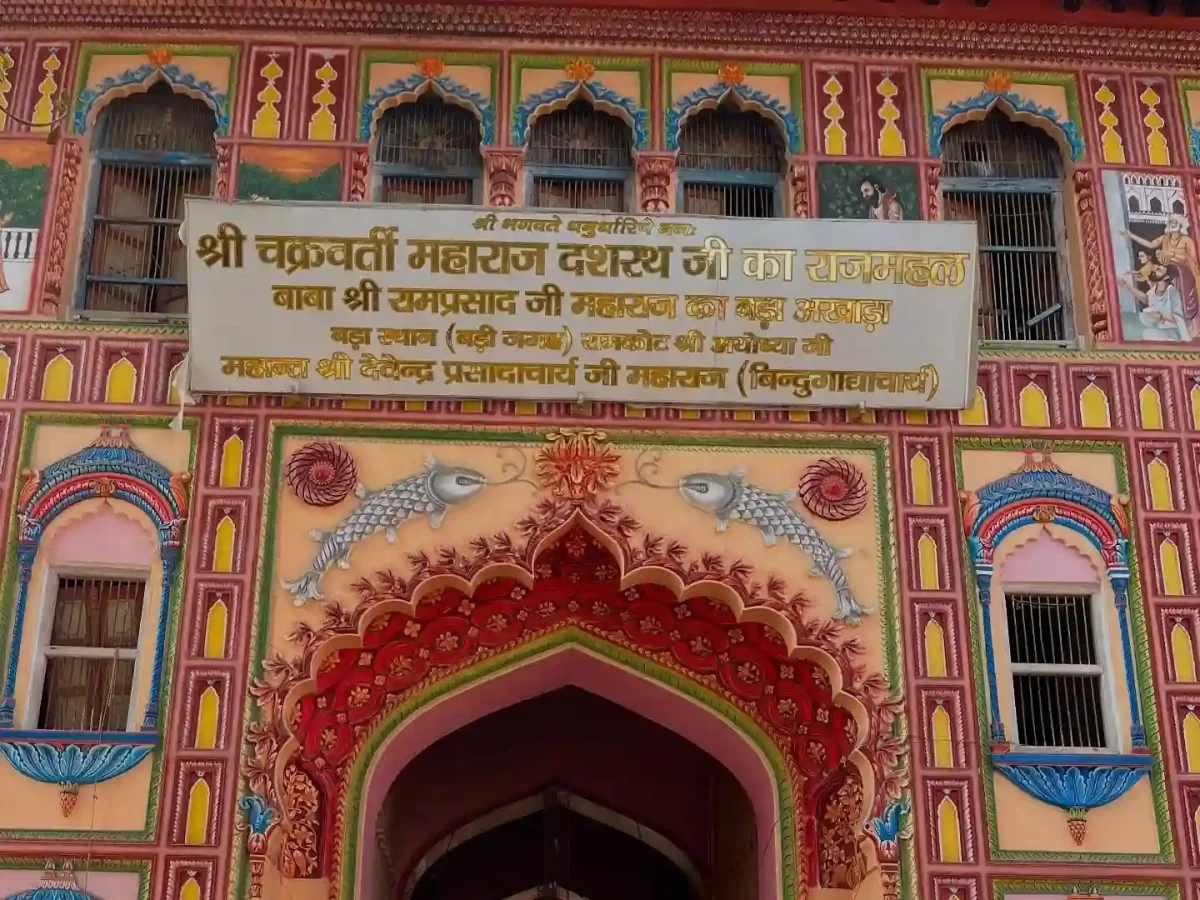
Dashrath Mahal Ayodhya – Historic Royal Palace of Ayodhya

Dashrath Mahal , Ayodhya
Dashrath Mahal is a heritage palace located in Ayodhya, Uttar Pradesh, known for its historical and architectural significance. The palace is associated with the royal lineage of Ayodhya and showcases traditional design elements, including intricate carvings, spacious courtyards, and grand halls. It provides visitors with a glimpse into the lifestyle of the region’s historical rulers and serves as a notable landmark for tourists exploring the cultural and historical heritage of Ayodhya. The palace is often visited alongside nearby temples and riverfront ghats, making it an integral part of the city’s sightseeing itinerary.

Quick Facts About Dashrath Mahal

Entry Fee Free
Timings 09:00 - 18:00
Altitude (m) 93
Ideal Visit Duration (hrs) 1
Best Time of Day Morning
Crowd Level High
Distance from City Centre (km) 2
Walking Difficulty Easy
Parking Available No
Last Mile Access Walk
Suitable for Kids Yes
Suitable for Seniors Yes
Wheelchair Friendly No

Why Visit Dashrath Mahal, Ayodhya

Dashrath Mahal is a prominent historical palace in Ayodhya that offers visitors a glimpse into the royal heritage of the region. The palace is renowned for its traditional architectural design, spacious courtyards, and intricate carvings, which reflect the grandeur and lifestyle of Ayodhya’s historical rulers. Visiting the palace allows tourists to experience a blend of history, culture, and architecture in a serene and well-preserved environment.

The palace is also an ideal spot for photography enthusiasts due to its detailed design elements, arches, and open spaces. Visitors can enjoy exploring the palace grounds, witnessing the remnants of royal life, and learning about the historical significance of Dashrath Mahal in Ayodhya’s cultural narrative.

Atmosphere

The atmosphere at Dashrath Mahal is calm and reflective, offering a peaceful environment to explore the palace and its courtyards. The spacious grounds allow visitors to walk leisurely, appreciate the architectural beauty, and enjoy the historical ambiance without the distractions of crowded urban areas.

During weekdays, the palace is relatively quiet, providing a more immersive experience, whereas weekends and festivals attract moderate crowds. The combination of historical architecture and tranquil surroundings makes Dashrath Mahal a serene destination for both tourists and history enthusiasts.

What Makes It Special

Dashrath Mahal is special because it combines historical importance with architectural elegance. Its well-preserved courtyards, royal halls, and detailed carvings highlight the grandeur of Ayodhya’s past rulers. The palace provides a rare opportunity to explore the royal lifestyle and experience a significant piece of the city’s heritage.

Its location in the heart of Ayodhya, close to other religious and historical sites, adds to its appeal, allowing visitors to include it in a broader cultural and spiritual itinerary. The palace’s serene environment, combined with its historical and architectural significance, makes it a must-visit landmark in Ayodhya.

History of Dashrath Mahal, Ayodhya

Dashrath Mahal is a historic palace located in the city of Ayodhya, Uttar Pradesh. It was constructed as a royal residence for the rulers of Ayodhya and served as a center of administration and cultural activity in its time. The palace reflects the architectural style of the era, with spacious courtyards, ornamental arches, and intricate carvings that showcase the craftsmanship of the period.

The palace has witnessed several historical events and has been a symbol of the royal heritage of Ayodhya. Over time, it has been preserved as an important heritage site, allowing visitors to gain insight into the lifestyle, governance, and architectural sophistication of the region’s historical rulers.

Cultural Significance of Dashrath Mahal

Dashrath Mahal holds cultural significance as a representation of Ayodhya’s royal and architectural legacy. It offers insight into the city’s historical governance, ceremonial practices, and lifestyle of the ruling class. Visitors can observe the traditional design elements, ornate courtyards, and the overall grandeur that reflect the cultural and historical identity of Ayodhya.

The palace also contributes to the understanding of regional art and architecture, making it a key site for those interested in heritage, culture, and the history of North Indian royalty. Its preservation allows tourists and historians to experience the grandeur and legacy of Ayodhya’s past.

Best Time to Visit Dashrath Mahal, Ayodhya

The best time to visit Dashrath Mahal in Ayodhya is during the winter months from October to March, when the weather is cool and pleasant. During this period, visitors can comfortably explore the palace grounds, courtyards, and architectural features without being affected by the heat or humidity of summer.

While the palace can be visited throughout the year, summers (April to June) can be extremely hot, making outdoor exploration uncomfortable. The monsoon season (July to September) brings high humidity and occasional rainfall, which may affect walking around the premises. Winter offers the most enjoyable and peaceful visit.

Morning and late afternoon visits are ideal for photography, providing soft natural lighting that highlights the architectural details and courtyards of the palace. Visiting during these times also ensures a more tranquil experience with fewer crowds.
  • Best Season: October to March (pleasant and comfortable weather)
  • Best Months: November to February (ideal for sightseeing and photography)
  • Best Time of Day: Early morning for a peaceful visit; late afternoon for photography and scenic lighting
  • Peak Tourist Season: December to February (moderate to high crowd)
  • Summer Note: April to June is very hot; morning visits are recommended
  • Monsoon Note: July to September may bring rain and slippery pathways
  • Special Tip: Weekdays are ideal for a quiet and relaxed experience

How to Reach Dashrath Mahal, Ayodhya

  • By Air: The nearest airport is Ayodhya International Airport, approximately 10 km from Dashrath Mahal. Visitors can hire a taxi or cab for a direct ride to the palace.
  • By Train: The closest railway station is Ayodhya Junction, about 2–3 km away. Auto-rickshaws, e-rickshaws, and taxis provide convenient last-mile connectivity to Dashrath Mahal.
  • By Road: Ayodhya is well connected by road to major cities such as Lucknow, Varanasi, and Kanpur. State transport and private buses operate regularly. Local transport can take visitors from bus stands directly to the palace.
  • By Local Auto / E-Rickshaw: Auto-rickshaws and e-rickshaws are widely available in Ayodhya. Simply ask for Dashrath Mahal to reach the entrance easily.
  • By Taxi / Cab: Private taxis and app-based cabs offer a comfortable and convenient way for families and tourists to reach the palace directly.
  • Nearest Landmark: Dashrath Mahal is located in the heart of Ayodhya, close to other historical and religious sites, making it easy to include in a city tour.
  • Travel Tip: During festivals or weekends, traffic in the city can be heavy. Plan your visit early in the day to avoid congestion and enjoy a peaceful exploration.

What to Expect When You Visit Dashrath Mahal, Ayodhya

  • Historic and Architectural Experience: Visitors can explore the royal palace, including its grand halls, courtyards, and intricately carved structures, which showcase the architectural style of Ayodhya’s historical rulers.
  • Spacious Grounds: The palace grounds are open and well-maintained, offering ample space for walking, photography, and leisurely exploration.
  • Insight into Royal Life: Dashrath Mahal provides a glimpse into the lifestyle, governance, and cultural practices of the historical royal family of Ayodhya.
  • Photography Opportunities: The palace offers numerous photo-friendly spots, including arches, courtyards, and decorative details. Morning and late afternoon visits provide ideal lighting conditions.
  • Peaceful Ambiance: The atmosphere is calm and serene, making it ideal for tourists who wish to enjoy history and architecture without the noise of crowded areas.
  • Family-Friendly Visit: The palace is suitable for families, including children and seniors. Most areas are easy to walk, with seating spots for rest.
  • Time Required: A typical visit takes approximately 45 minutes to 1.5 hours, depending on exploration and photography.
  • Cultural Experience: Visitors can learn about the historical significance of Dashrath Mahal and its role in the heritage of Ayodhya.
  • Accessibility: The main areas are accessible for most visitors, though some steps may require assistance for elderly or differently-abled tourists.
  • Overall Experience: Visiting Dashrath Mahal combines historical learning, architectural appreciation, and a tranquil environment, making it a worthwhile stop in Ayodhya’s heritage tour.

Important Visitor Information for Dashrath Mahal, Ayodhya

  • Crowd Level: Dashrath Mahal generally has moderate crowds on weekdays, with increased visitors during weekends and religious festivals in Ayodhya.
  • Peak Hours: The fort is busiest between 10:00 AM and 1:00 PM and late afternoon between 3:00 PM and 5:00 PM. Visiting early in the morning provides a quieter experience.
  • Quiet Hours: Early morning (9:00–10:30 AM) or late afternoon (4:00–6:00 PM) are ideal for a peaceful visit with fewer crowds and better lighting for photography.
  • Weather Notes: The best time to visit is during winter (October to March) when the weather is cool and pleasant. Summers (April to June) can be extremely hot, and monsoon season (July to September) brings occasional rain.
  • Dress Code: Visitors are advised to wear comfortable and modest clothing suitable for walking and sightseeing. Light cotton attire in summer and layered clothing in winter are recommended.
  • Safety Notes: The palace grounds are safe for visitors. Avoid climbing on walls or restricted areas. Supervise children near open courtyards and stairways. Keep personal belongings secure, especially during crowded periods.
  • Accessibility: Most areas are walkable, but some steps may require assistance for seniors or differently-abled visitors.
  • Photography Guidelines: Photography is allowed in open areas, but respect any signs indicating restricted zones and avoid disturbing other visitors.
  • Parking and Transport: Limited parking is available near the palace entrance. Local taxis, auto-rickshaws, and e-rickshaws provide convenient last-mile access.
  • Visitor Etiquette: Maintain decorum, respect the historical structures, and avoid littering. Follow signage and instructions provided by the authorities.

Photography and Viewpoint at Dashrath Mahal, Ayodhya

  • Photography Guidelines: Visitors are welcome to photograph the palace’s exterior, courtyards, and architectural details. Certain indoor areas may restrict photography, so check for signage or staff instructions.
  • Architectural Highlights: Dashrath Mahal features Mughal-inspired arches, carved columns, ornate doorways, and spacious halls, providing excellent subjects for both wide-angle and detailed shots.
  • Viewpoints Along the Palace: The courtyards and terrace areas offer elevated viewpoints to capture the palace layout, decorative motifs, and surrounding Ayodhya skyline.
  • Best Time for Photography: Early morning or late afternoon provides soft natural lighting, enhancing textures, shadows, and architectural details for stunning photographs.
  • Landscape and Courtyard Shots: The open courtyards, gardens, and pathways allow for aesthetic composition of both landscape and architectural photography.
  • Festival Photography: During religious festivals, the palace is often decorated and may host cultural events, creating vibrant and dynamic photo opportunities.
  • Respectful Photography: Always respect other visitors and avoid photographing individuals engaged in private or religious activities without consent.
  • Scenic Angles: Capture the interplay of light and shadows on the palace walls, arches, and steps for artistic and heritage-focused photographs.
  • Time Recommendations: Morning (9:00–11:00 AM) and late afternoon (3:00–5:00 PM) are ideal for clear and soft lighting, minimizing harsh shadows and crowd interference.
  • Overall Experience: Dashrath Mahal provides a perfect blend of historical architecture, open spaces, and aesthetic viewpoints, making it a rewarding destination for photography enthusiasts and cultural tourists alike.

Near By Attraction

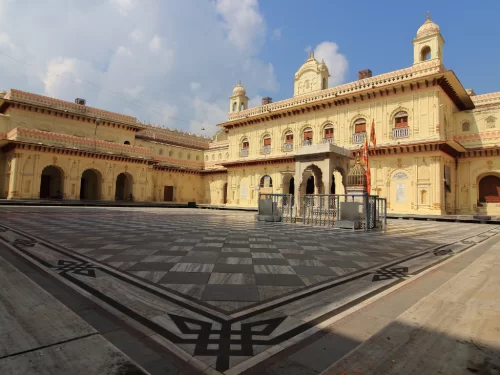
Kanak Bhawan courtyard at Ayodhya during sunny day, featuring ornate arches and flags, perfect cultural experience Uttar Pradesh Tour Packages. Temple

Kanak Bhawan

Kanak Bhawan is one of the most famous temples in Ayodhya, known for its grand architecture and devotion to Lord Ram and Mata Sita.
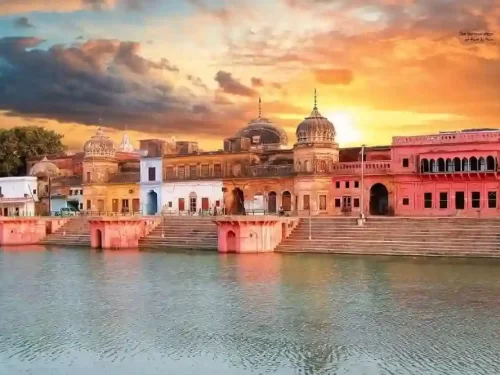
Saryu Ghat Ayodhya, serene riverfront steps along the sacred Saryu River with historic temples and vibrant sunset views in Uttar Pradesh. River Ghat

Saryu Ghat

Saryu Ghat in Ayodhya is a famous holy riverbank where devotees gather for rituals, evening aarti, and peaceful spiritual walks along the sacred Saryu River.

Shri Ram Janmabhoomi Temple Ayodhya, grand Hindu temple dedicated to Lord Ram featuring magnificent architecture and sacred spiritual significance in Uttar Pradesh. Temple

Shri Ram Janmabhoomi Temple

Shri Ram Janmabhoomi Temple is a world-famous Hindu pilgrimage site in Ayodhya, believed to be the birthplace of Lord Shri Ram.

Frequently Asked Questions About Dashrath Mahal

Dashrath Mahal is located in Ayodhya, Uttar Pradesh, in the Ramkot area near major pilgrimage sites. It is easily accessible from central Ayodhya by road.
Dashrath Mahal is generally open from early morning around 6:00 AM until late evening around 9:00 PM. Timings may vary during festivals and special religious occasions.
There is no entry fee to visit Dashrath Mahal. Visitors can enter freely, though donations are accepted for temple maintenance.
Visitors can reach Dashrath Mahal by auto rickshaw, taxi, or private vehicle within Ayodhya, Uttar Pradesh. Ayodhya Dham Railway Station is located a short distance away.
Limited parking is available near Dashrath Mahal along designated roadside areas. Availability may be restricted during weekends and major religious festivals.
The best time to visit Dashrath Mahal is between October and March when the weather in Uttar Pradesh is cooler and comfortable for temple visits.
Most visitors spend about 30 to 60 minutes at Dashrath Mahal. This allows enough time for darshan and exploring the temple premises.
Special darshan timings may be observed at Dashrath Mahal during major festivals and religious events. Visitors should check local notices for updated schedules.
Dashrath Mahal is suitable for family visits due to its organized entry system and spiritual atmosphere. Families visiting Ayodhya, Uttar Pradesh often include it in their pilgrimage itinerary.
Basic restroom facilities may be available near Dashrath Mahal. Food is not allowed inside, but eateries and shops are located nearby in Ayodhya.

Loved this place ? Let’s Plan Your Uttar Pradesh Trip

Get customized Uttar Pradesh tour planning designed around seasonal weather, travel distances between heritage regions, spiritual travel flow, and comfortable pacing. Whether you are visiting for historic monuments, temple circuits, river experiences, cul

⚡ Quick Response | 💰 Free consultation | 🕒 24×7 expert support

×

Plan Your Trip