+91 9910402252
admin@chalbanjare.com


| Entry Fee | 25 |
| Timings | 10:00 - 17:00 |
| Altitude (m) | 98 |
| Ideal Visit Duration (hrs) | 2 |
| Best Time of Day | Morning |
| Crowd Level | Moderate |
| Distance from City Centre (km) | 3 |
| Walking Difficulty | Easy |
| Parking Available | Yes |
| Last Mile Access | Road |
| Suitable for Kids | Yes |
| Suitable for Seniors | Yes |
| Wheelchair Friendly | No |
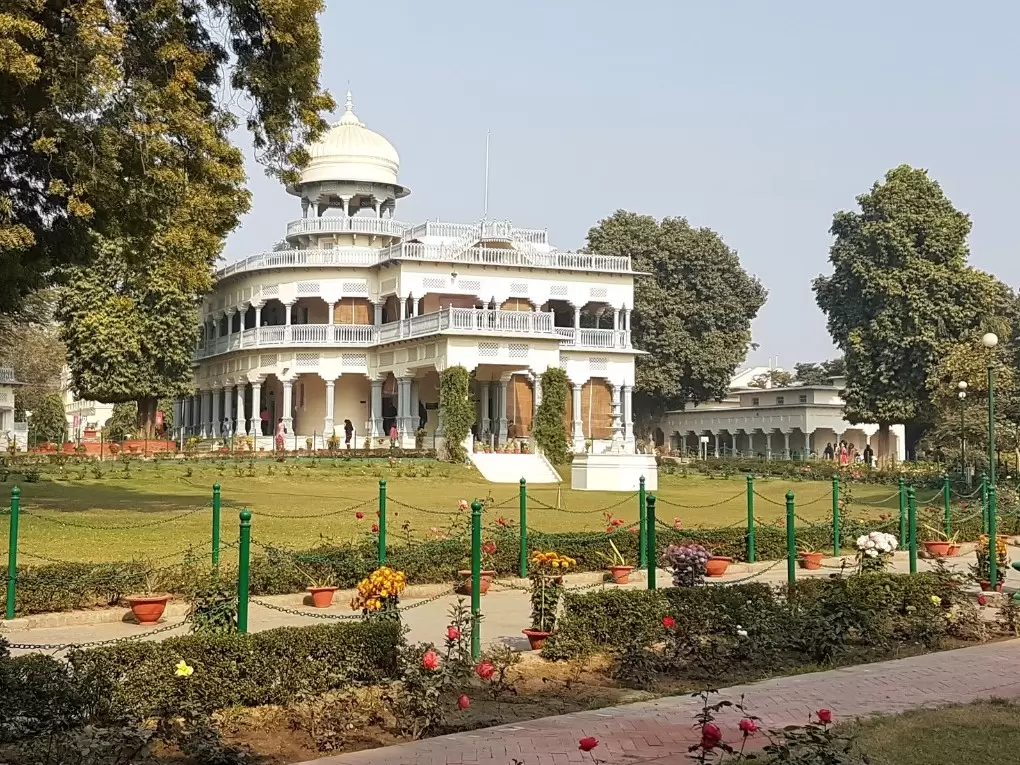
Anand Bhawan Museum is a must-visit for history enthusiasts and those interested in India’s freedom struggle and political heritage. As the ancestral home of the Nehru family, the museum offers a unique glimpse into the personal life and legacy of Jawaharlal Nehru and his family. Visitors can explore the well-preserved rooms, photographs, letters, and personal belongings that reflect the Nehrus’ contribution to India’s independence and modern history.
The museum provides an educational and cultural experience, allowing tourists to understand the lifestyle, values, and history of one of India’s most prominent political families. It is particularly inspiring for students, researchers, and anyone interested in the social and political movements of pre-independent India.
The atmosphere at Anand Bhawan Museum is calm, respectful, and historically rich. Walking through its halls and courtyards, visitors can feel the sense of heritage and legacy. The museum maintains a serene environment, allowing ample time to reflect on the artifacts, letters, and photographs that tell the story of India’s journey to independence.
The preserved architecture and interiors of the mansion create an immersive experience, combining the elegance of the early 20th-century home with the significance of a major historical site. The museum feels peaceful, making it ideal for both personal reflection and educational visits.
Anand Bhawan Museum is special because it is not only a historic residence but also a center of India’s political and cultural heritage. The personal collections of the Nehru family, including photographs, letters, manuscripts, and furniture, offer a rare and authentic glimpse into their lives and contributions to India’s independence movement.
The museum also hosts exhibitions and displays related to the Indian freedom struggle and the life of Jawaharlal Nehru, making it an important destination for those who wish to connect with India’s modern history. Its combination of historical architecture, personal memorabilia, and educational significance makes Anand Bhawan Museum a unique and memorable attraction in Prayagraj.
Anand Bhawan, originally the ancestral residence of the Nehru family, holds immense historical significance in India. The mansion was built in the late 19th century and later became a key center for political discussions and planning during the Indian freedom struggle. It was the home of Motilal Nehru and later his son, Jawaharlal Nehru, India’s first Prime Minister. The house witnessed numerous important meetings and events related to the independence movement, making it a vital historical landmark.
The mansion was converted into a museum to preserve the legacy of the Nehru family, showcasing their personal belongings, photographs, manuscripts, and artifacts connected to India’s political history. Over time, Anand Bhawan has become a symbol of India’s freedom struggle and the socio-political life of the Nehru-Gandhi family, attracting historians, students, and tourists interested in modern Indian history.
Anand Bhawan Museum is culturally significant as it preserves the lifestyle, heritage, and intellectual environment of one of India’s most influential political families. The exhibits offer insight into the personal and public life of the Nehrus, their role in shaping India’s independence, and their contribution to Indian politics and society. The museum stands as a testament to India’s historical journey and the ideals upheld by the Nehru family.
Through its collections and preserved architecture, the museum provides a cultural and educational experience, allowing visitors to understand the historical context of India’s struggle for freedom and the legacy of leadership, governance, and social reform represented by the Nehru-Gandhi family.
The best time to visit Anand Bhawan Museum in Prayagraj is during the winter months from October to March. During this period, the weather is pleasant and ideal for exploring both the museum and nearby attractions like Chandrashekhar Azad Park and Triveni Sangam. The moderate climate makes walking around the mansion and enjoying the exhibits comfortable for tourists of all ages.
Although the museum is indoors and can be visited throughout the year, summers (April to June) can be extremely hot, making it less comfortable to travel around Prayagraj. The monsoon season (July to September) brings occasional heavy rainfall and high humidity, which can affect outdoor sightseeing. Winter remains the most suitable season for a calm and enjoyable visit.
For the best experience, plan your visit in the morning hours when the museum is less crowded, allowing ample time to explore the exhibits and learn about the Nehru family and India’s freedom struggle.
 Garden
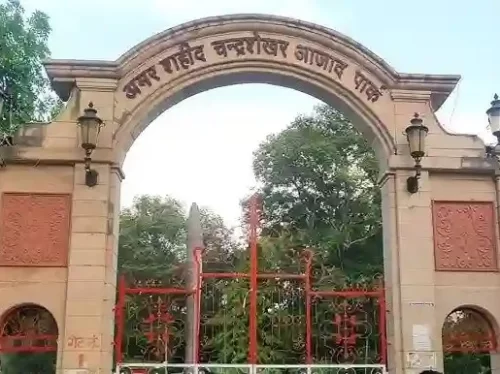
Amar Shaheed Chandrashekhar Azad Park is a famous historical public park in Prayagraj, known for its greenery and its strong connection to India’s freedom struggle.
 Temple
Shri Bade Hanuman Ji Mandir in Prayagraj is a revered Hindu temple dedicated to Lord Hanuman, attracting devotees and tourists for its religious significance and spiritual ambiance.
 Fort
Fort
Akbar Fort in Prayagraj is a magnificent Mughal-era fort built by Emperor Akbar, known for its grand walls, historical importance, and scenic location at the Triveni Sangam.
Get customized Uttar Pradesh tour planning designed around seasonal weather, travel distances between heritage regions, spiritual travel flow, and comfortable pacing. Whether you are visiting for historic monuments, temple circuits, river experiences, cul
⚡ Quick Response | 💰 Free consultation | 🕒 24×7 expert support

