+91 9910402252
admin@chalbanjare.com


| Entry Fee | 20 |
| Timings | 10:00 - 17:00 |
| Altitude (m) | 98 |
| Ideal Visit Duration (hrs) | 3 |
| Best Time of Day | Morning |
| Crowd Level | Moderate |
| Distance from City Centre (km) | 2 |
| Walking Difficulty | Easy |
| Parking Available | Yes |
| Last Mile Access | Road |
| Suitable for Kids | Yes |
| Suitable for Seniors | Yes |
| Wheelchair Friendly | Yes |
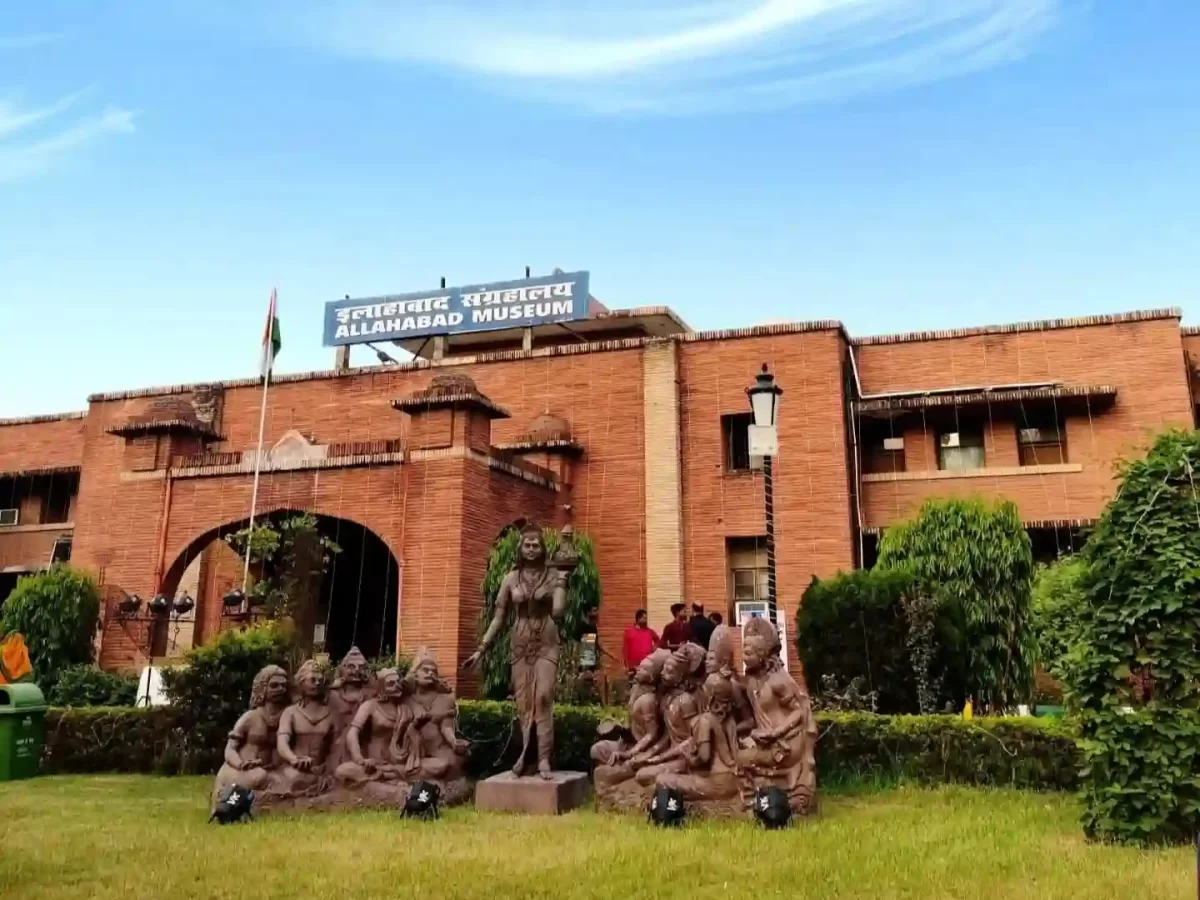
Allahabad Museum is one of the finest museums in North India and a must-visit destination for travelers interested in Indian history, archaeology, art, and culture. Located in the heart of Prayagraj near Chandrashekhar Azad Park, the museum offers a rich collection of ancient sculptures, coins, manuscripts, paintings, and rare artifacts that represent different eras of Indian civilization. It is an ideal place for tourists who want to explore the historical depth of Prayagraj beyond religious sites.
The museum is especially famous for its exhibits related to the freedom movement and the cultural heritage of Uttar Pradesh. It also provides an educational and engaging experience for families, students, and researchers. A visit here gives a clear understanding of India’s ancient traditions, art styles, and historical transformations, making it one of the most valuable cultural attractions in Prayagraj.
The atmosphere inside Allahabad Museum is peaceful, organized, and educational. The museum galleries are well-maintained, quiet, and ideal for slow exploration. Visitors can comfortably walk through different exhibition halls while reading detailed descriptions and viewing artifacts displayed in a professional museum setting.
Unlike crowded pilgrimage attractions, the museum offers a calm environment with a scholarly vibe. The surrounding area near Chandrashekhar Azad Park adds a pleasant feel to the visit, making it suitable for tourists looking for a relaxed and informative sightseeing experience.
Allahabad Museum is special because it preserves an impressive range of collections from ancient Indian history to modern independence-era exhibits. The museum is widely known for its archaeological and sculpture galleries, showcasing rare stone and terracotta artworks from different periods. It also features important cultural displays such as tribal art, folk traditions, and historical manuscripts.
Another key highlight is the museum’s connection to the freedom struggle and national heritage. The museum provides visitors with a deeper understanding of Prayagraj’s role in Indian history, including its cultural and political importance. With its well-curated galleries and rare artifacts, Allahabad Museum stands out as one of the most informative and heritage-rich attractions in Prayagraj.
Allahabad Museum is one of the most respected and historically important museums in India, established to preserve and showcase the rich heritage of Prayagraj and the surrounding regions. The museum was founded in 1931 and later became a major cultural institution under the Government of India. It was developed with the vision of protecting rare archaeological finds, sculptures, paintings, manuscripts, and artifacts that represent India’s ancient and medieval civilizations.
Over time, Allahabad Museum gained national recognition due to its valuable collections related to Indian art, archaeology, and the freedom movement. The museum’s location near Chandrashekhar Azad Park adds historical significance, as the park itself is linked with India’s independence struggle. Today, the museum is considered a key heritage attraction in Prayagraj and continues to attract tourists, students, and researchers from across the country.
Allahabad Museum holds strong cultural importance because it preserves the artistic and historical identity of Uttar Pradesh and India. It features remarkable galleries showcasing ancient sculptures, terracotta art, tribal and folk culture exhibits, coins, manuscripts, and paintings that represent different dynasties and time periods. These collections highlight the cultural evolution of India, from early civilizations to modern times.
The museum is also significant for its role in educating visitors about Prayagraj’s contribution to Indian history. It is widely known for exhibits connected with the Indian freedom struggle, reflecting the political and cultural importance of Prayagraj as a historic city. With its carefully preserved collections, Allahabad Museum stands as a major centre of heritage learning and cultural preservation in North India.
The best time to visit Allahabad Museum in Prayagraj is during the winter season from October to March. During these months, the weather remains pleasant and comfortable, making it ideal for sightseeing and exploring nearby attractions like Chandrashekhar Azad Park and Triveni Sangam. Winter is also the best season for tourists visiting Prayagraj, as the city experiences a fresh and enjoyable climate for full-day travel.
Although the museum is an indoor attraction and can be visited throughout the year, summers (April to June) in Prayagraj can be extremely hot, making travel outside the museum uncomfortable. Monsoon season (July to September) brings humidity and occasional heavy rain, which may affect travel plans and local sightseeing. Winter remains the most recommended time for a smooth and relaxed visit.
For the best experience inside the museum, visit during the morning or early afternoon hours when the museum is less crowded and you can explore galleries peacefully. Weekdays are usually quieter compared to weekends and holiday seasons.
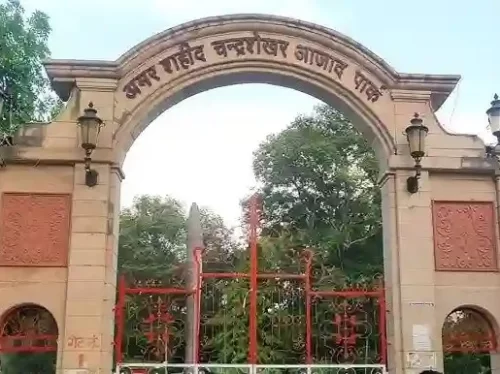 Garden
Amar Shaheed Chandrashekhar Azad Park is a famous historical public park in Prayagraj, known for its greenery and its strong connection to India’s freedom struggle.
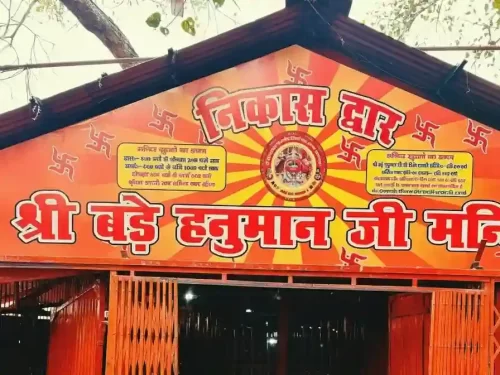 Temple
Shri Bade Hanuman Ji Mandir in Prayagraj is a revered Hindu temple dedicated to Lord Hanuman, attracting devotees and tourists for its religious significance and spiritual ambiance.
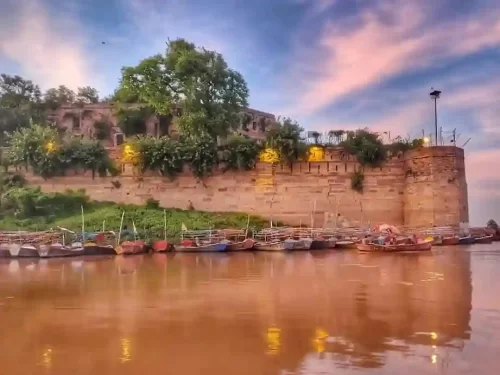 Fort
Fort
Akbar Fort in Prayagraj is a magnificent Mughal-era fort built by Emperor Akbar, known for its grand walls, historical importance, and scenic location at the Triveni Sangam.
Get customized Uttar Pradesh tour planning designed around seasonal weather, travel distances between heritage regions, spiritual travel flow, and comfortable pacing. Whether you are visiting for historic monuments, temple circuits, river experiences, cul
⚡ Quick Response | 💰 Free consultation | 🕒 24×7 expert support